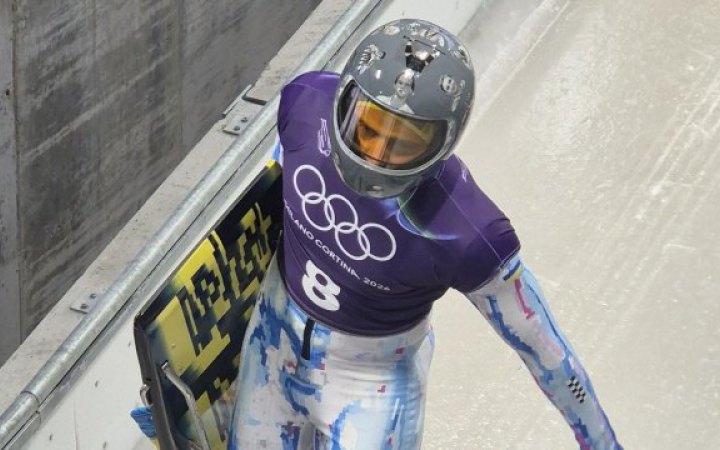
Today, before the first official run, the International Olympic Committee announced its decision to disqualify the Ukrainian skeleton athlete allegedly…

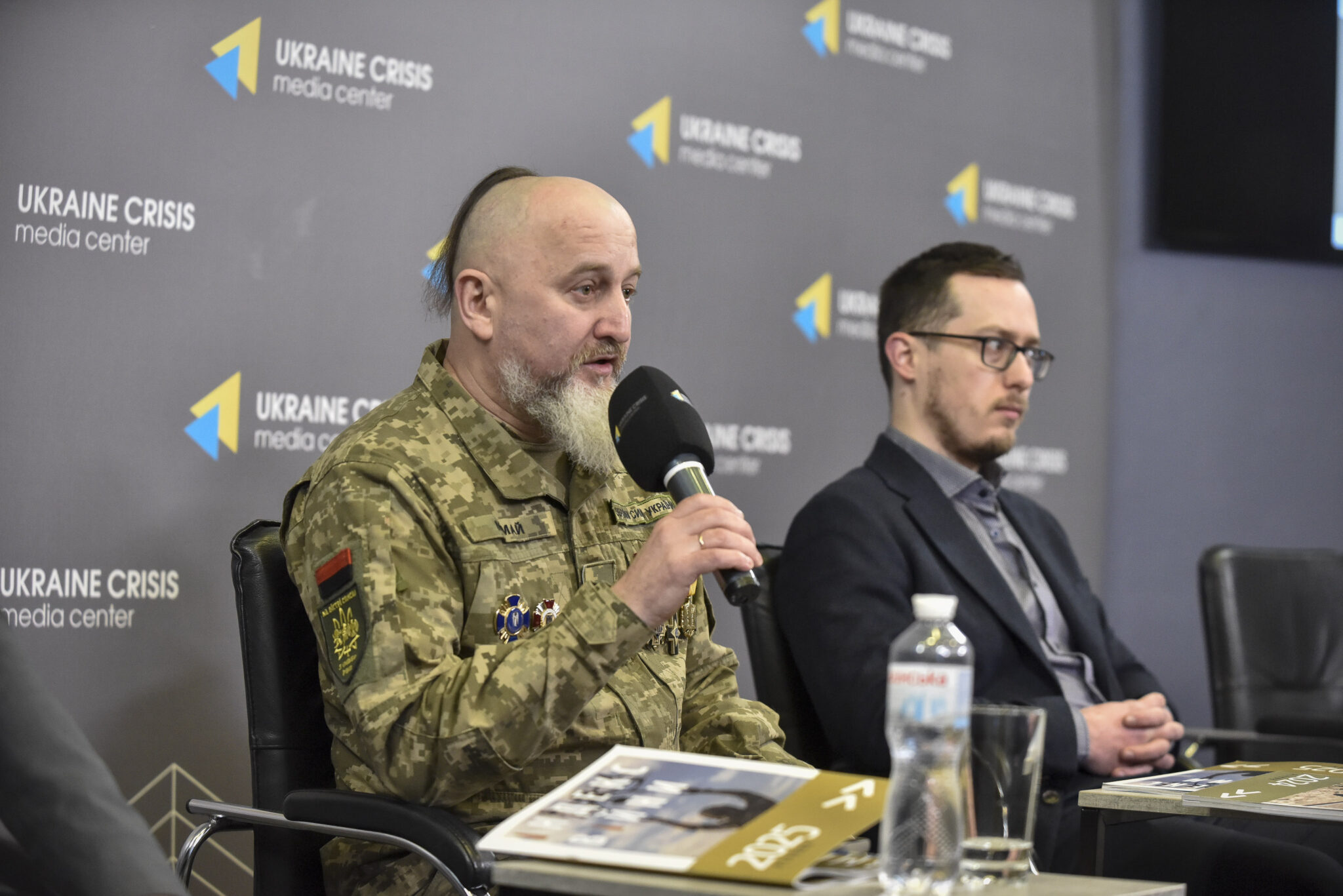
Recently in Kyiv, the “War Index 2025” was presented — an annual report prepared by experts of the Non-Governmental Analytical Center “Ukrainian Studies of Strategic Research”.
The publication records an alarming but already consistent reality: force is increasingly becoming the universal language of international politics, and war — a common tool for achieving political goals.
This year analysts indexed 47 conflicts worldwide — compared to 36 a year earlier. Among them: 8 full-scale wars, 2 border clashes, 16 local conflicts, 3 military coups, 11 internal political crises, and 7 points of diplomatic confrontation.
This is not just a one-third increase but an indicator of the transformation of global security. Essentially, it reflects the gradual collapse of the deterrence model formed after World War II, when disputes were settled through institutions. In 2025, more and more states and non-state actors shifted to direct or hybrid use of force.
The annual report analyzes in detail the countries and regions where conflicts are in a hot phase or on the brink of escalation.
In 2025, the main global event continued to be the Russian–Ukrainian war, which by the intensity of technical means became one of the largest since the Korean War and the biggest conflict in Europe since 1945.
The Palestinian–Israeli war also has serious consequences for the world and the Middle East — it began in 2023 with a terrorist attack by Hamas on Israel, then escalated into an Israeli military operation in Gaza and Lebanon, led to mutual airstrikes between Iran and Israel, culminating in June 2025 with U.S. participation.
In Syria, the new Sunni government is consolidating control, pushing out remnants of both pro-Iranian and pro-American forces.
The largest belt of instability has formed in Africa: Chad, Western Sahara, Ethiopia, Sudan, South Sudan, the Central African Republic, Burkina Faso, Niger, Mali, the Democratic Republic of Congo. Conflicts here combine terrorism, coups, jihadist activity, loss of territorial control by governments, and the active presence of Russian military structures. In Mali, JNIM militants are already waging economic war by blockading cities. In CAR, Russia is forming a base for its “African Corps”. In Niger, after the coup, terrorist activity sharply increased. In DR Congo, one of the deadliest humanitarian crises continues.
In Asia, analysts highlight the Korean Peninsula, where North Korea has become a de facto military ally of the Russian Federation, and the constant nuclear tension between India and Pakistan. The situation around Taiwan remains traditionally complex in the context of regular Chinese naval exercises.
Diplomatic tensions within NATO are also significant, provoked by Russia’s actions and the diplomatic dispute around Greenland.
Analysts observe several global trends:
The forecasts of the annual report are cautious and alarming. In most mentioned regions there are no preconditions for rapid settlement. On the contrary — parties use any pauses to regroup.
Further destabilization of the Sahel is expected, a high probability of renewed active fighting in DR Congo, continued fragmentation of Sudan, escalation in Syria, rising risks on the Korean Peninsula, and persistent danger of escalation between India and Pakistan.
The “War Index 2025” shows that the world is entering a phase of prolonged turbulence, where war is again becoming a routine tool of international politics. The number of conflicts is growing, their geography is expanding, and weak states increasingly become chessboards for major players.
In this picture, the Russian–Ukrainian war is not an exception but the central element of a global process that experts directly call a “silent Third World War”, unfolding since 2011 across many theaters of conflict. This is a war without formal declaration, involving all components of “fourth-generation warfare”.
@armyinformcomua
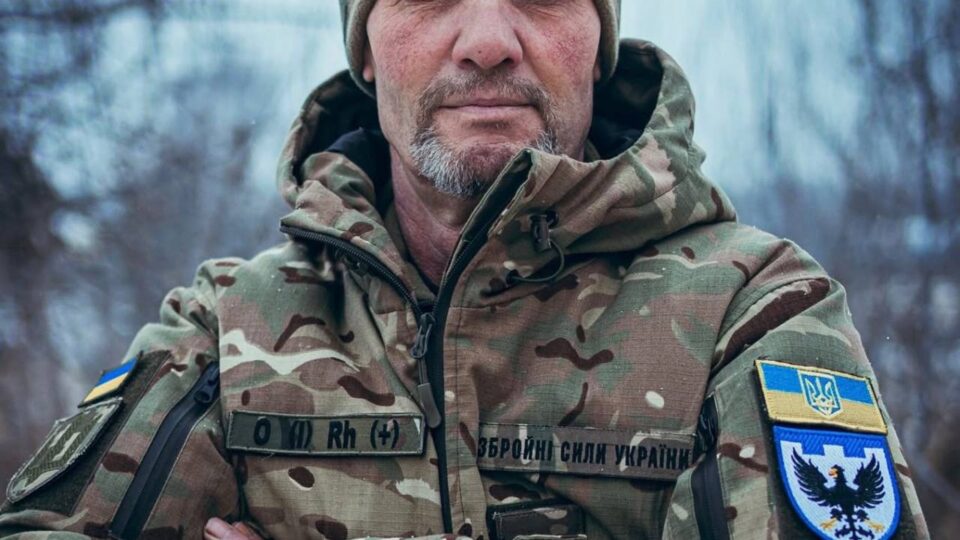
Viacheslav has been in the military relatively recently — since 2024. Before the war, he taught children music and led ensembles. But when the time came, he mad
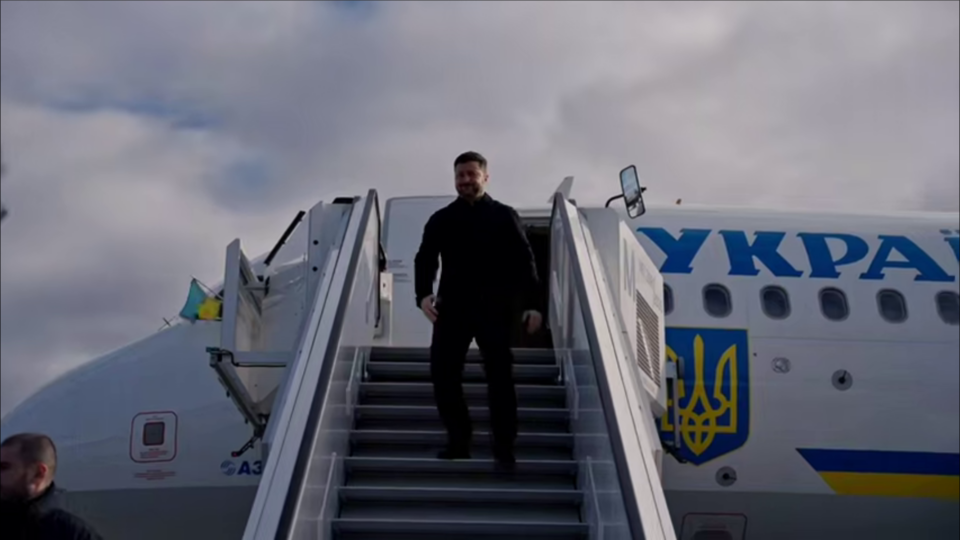
President Volodymyr Zelensky arrived in Munich, Germany, and announced new steps toward the joint security of Ukraine and Europe.
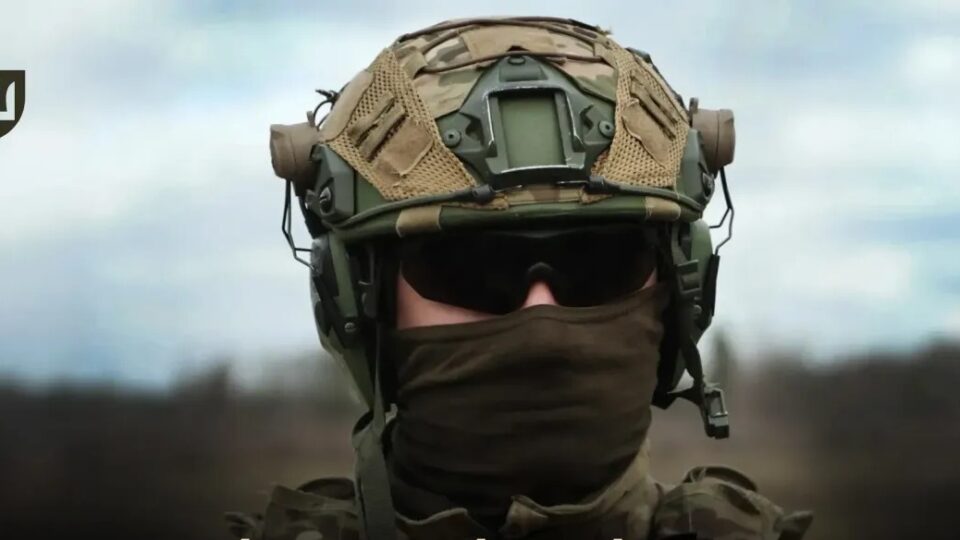
The Ministry of Defense of Ukraine responded to questions regarding the reorganization of foreign volunteer units and explained the logic behind the changes.
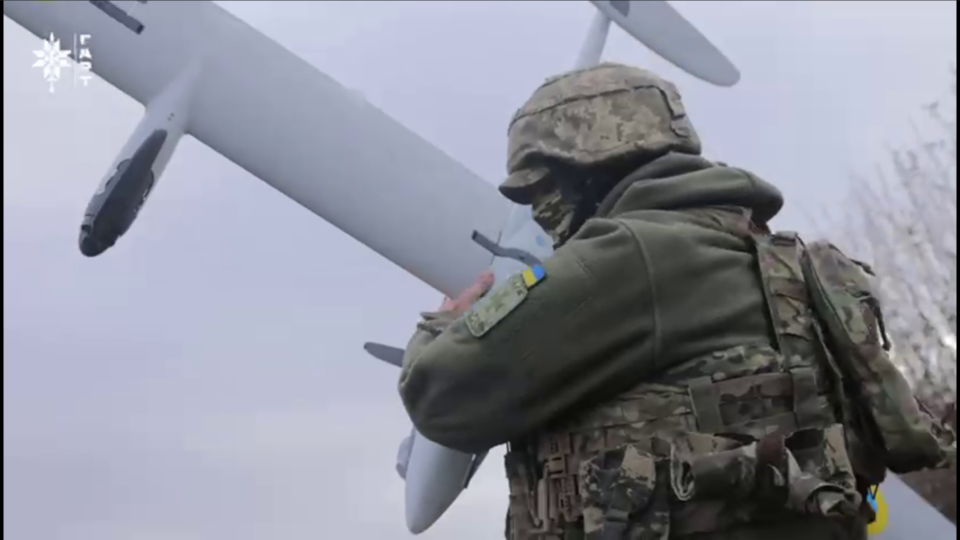
The situation on the Kupiansk direction remains consistently difficult. Weather conditions and the enemy’s attempts to advance complicate the work of the Defens
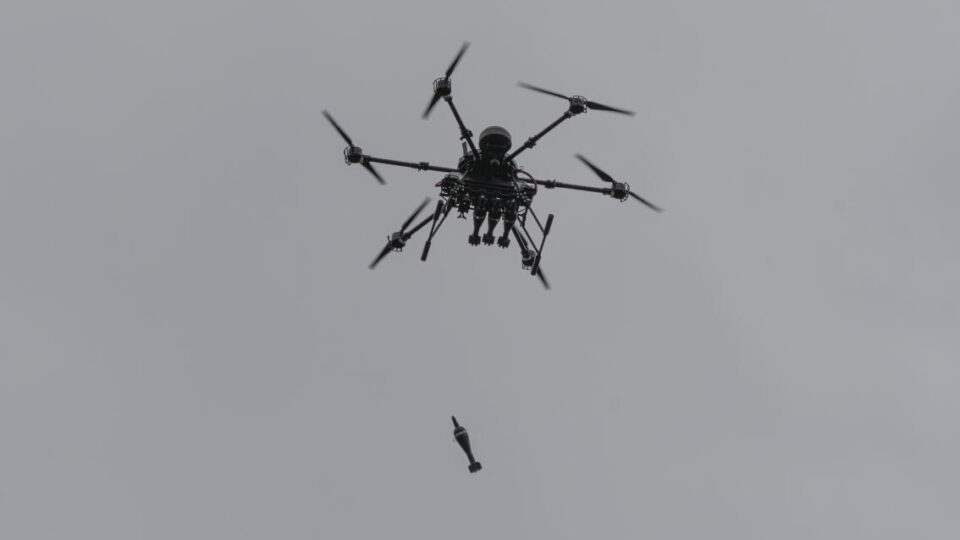
On the Oleksandrivka direction there is “infantry calm.” The occupiers are attacking rear positions and headquarters with drones.
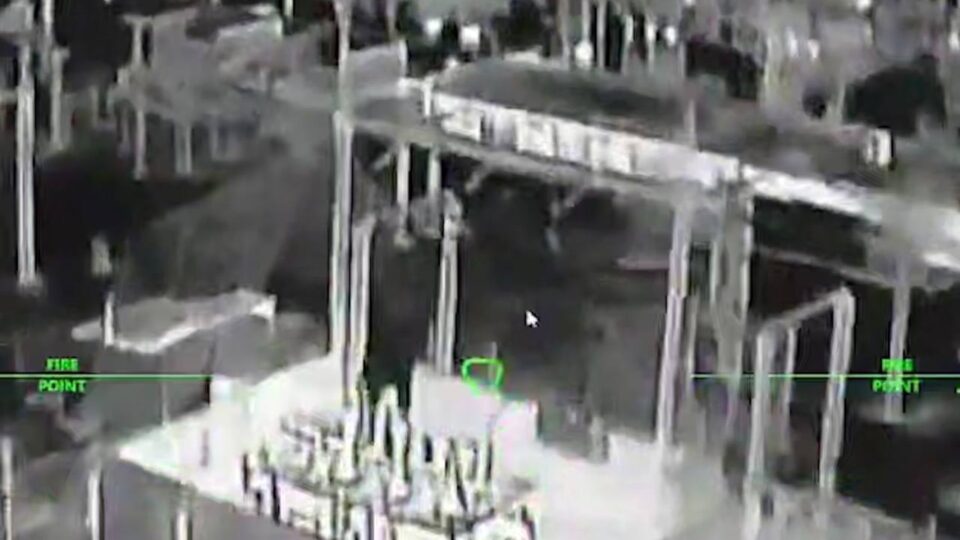
Operators of the Drone Forces used middle-strike assets to hit enemy targets located in temporarily occupied territories of Ukraine.
Today, before the first official run, the International Olympic Committee announced its decision to disqualify the Ukrainian skeleton athlete allegedly…