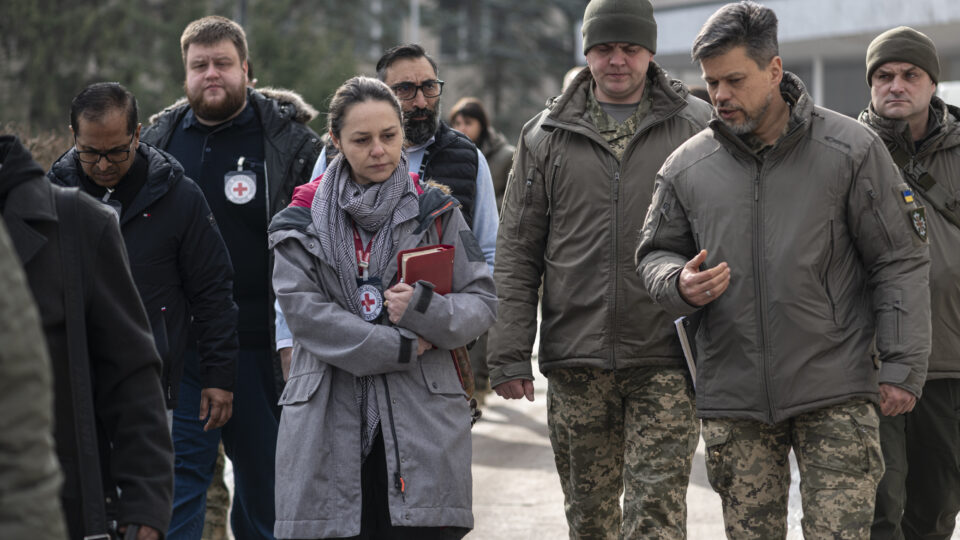
The international delegation, headed by Ana Lucía Bueno, ICRC Public Health Coordinator, and Sujit Panda, Head of the Physical Rehabilitation…


In the Vovchansk area, on the Southern Slobozhanskyi front, the enemy’s attempts to hide in open terrain increasingly end the same way — detection from the air and recorded results of combat work.
This was reported by the State Border Guard Service of Ukraine.
“From my workplace, it’s simply a target for engagement — a body that breathes and moves toward our forward positions”, — says border guard Den.
While performing tasks, UAV operators of the Forpost Brigade regularly observe typical enemy tactics: upon spotting a drone, enemy infantry lie on the ground and try to remain motionless, hoping to “disappear” from view.
However, modern aerial reconnaissance tools leave no chance for such camouflage. Aerial observation provides a complete operational picture: silhouette, movement pattern, and environmental signs allow quick identification and real-time tracking. For experienced UAV operators, such behavior is not an effective concealment method.
Combat work is carried out without haste and with strict adherence to procedures: the target is identified, the situation assessed, and a deliberate decision is made. All results are documented by objective-control means.
In this war, neither a poncho nor pretend silence will save anyone. The only chance is timely retreat — and its absence, as practice shows, has predictable consequences.
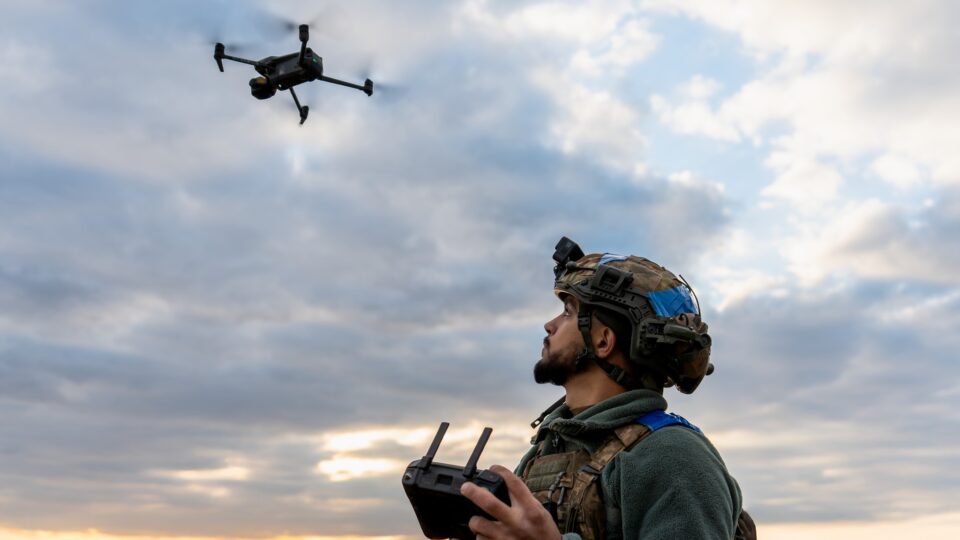
Over the past day, units of the Unmanned Systems Forces grouping struck or destroyed 1,209 enemy targets.
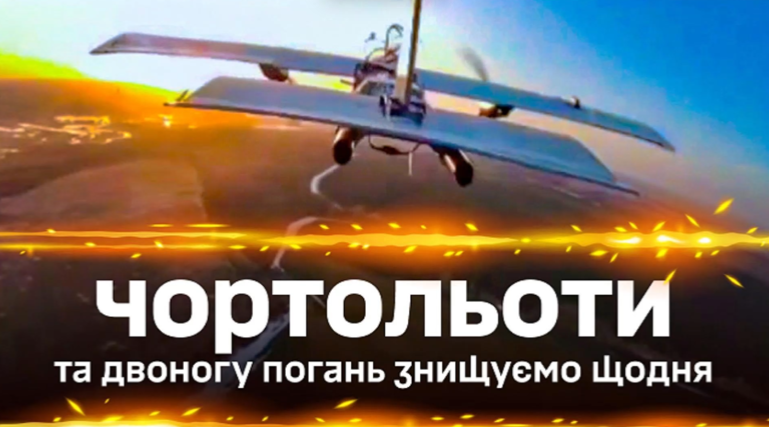
Drone units of the Joint Forces’ Iron Brigade are continuously destroying enemy UAVs (“chortolyoty”) and personnel.

On the night of March 20, the enemy attacked with 156 strike UAVs, including Shahed-type drones, “Gerbera”, “Italmas”, and other types.
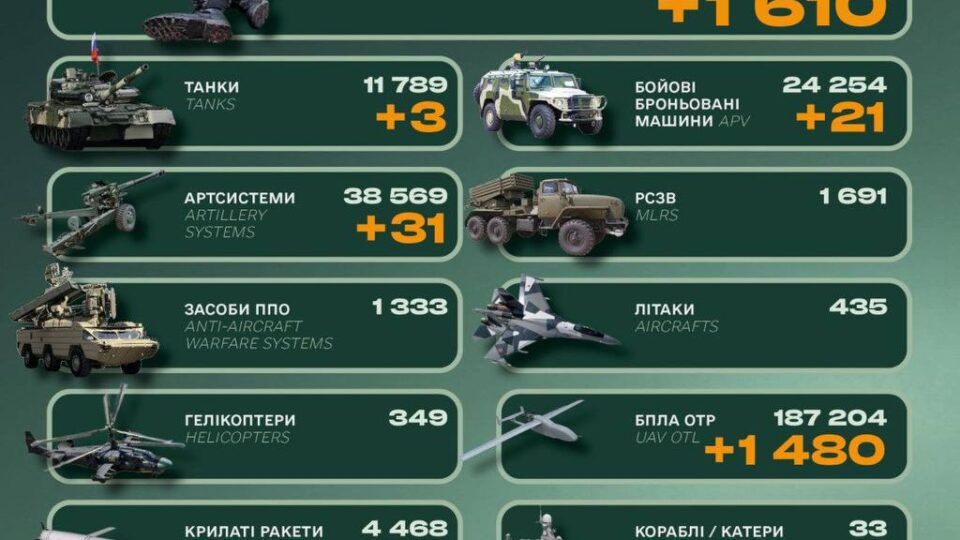
Over the past day, Russian occupation forces lost 1,610 personnel on the battlefield.

A UAV operator of the “Typhoon” unmanned systems unit with the callsign “Nimets” can strike the enemy even blindly.
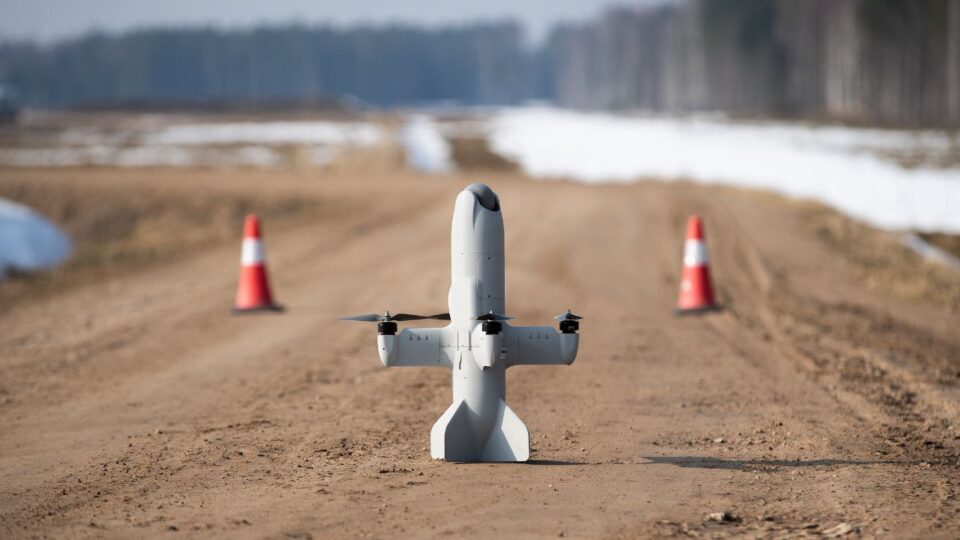
The first cycle of testing, evaluation, verification, and validation of unmanned aerial systems took place at NATO’s innovation range for unmanned systems.
The international delegation, headed by Ana Lucía Bueno, ICRC Public Health Coordinator, and Sujit Panda, Head of the Physical Rehabilitation…