
The international delegation, headed by Ana Lucía Bueno, ICRC Public Health Coordinator, and Sujit Panda, Head of the Physical Rehabilitation…

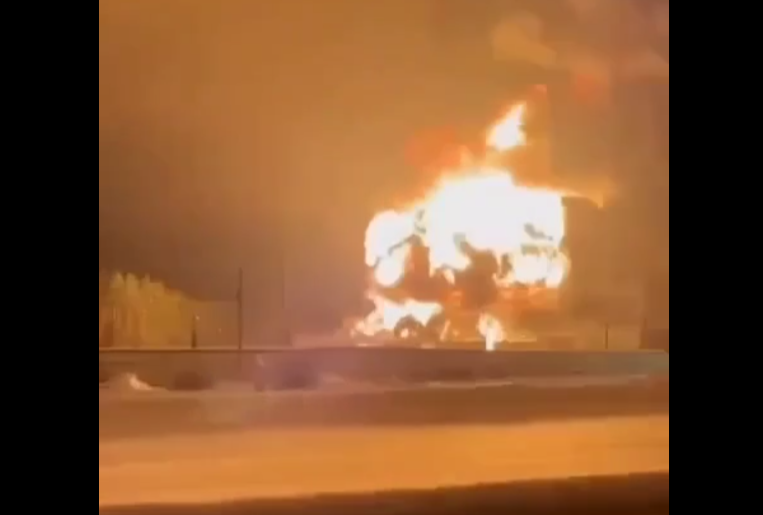
Between January 2 and 7, oil refineries, logistics warehouses, and chemical plants were hit both on the territory of the aggressor state and in temporarily occupied territories.
The list of strikes was published on January 7 by Major Robert “Madyar” Brovdi, Commander of the Unmanned Systems Forces of the Armed Forces of Ukraine.
“The diversity of targets is as follows:
On January 4, the birds of the 1st SBS Center ignited the largest defense plant in the swamps producing chemical power sources:
USF birds nightly keep the ‘wormholes’ of fuel depots and chemical plants in check. Among the sensitive targets pecked between January 2 and 7 were:
To suppress enemy aviation activity, regular operations are conducted against enemy airfields and air bases.
Every night we strike military targets in both TOT and non-TOT:

The enemy is attempting to develop the production of naval drones and copy successful Ukrainian practices — both technical solutions and tactics.
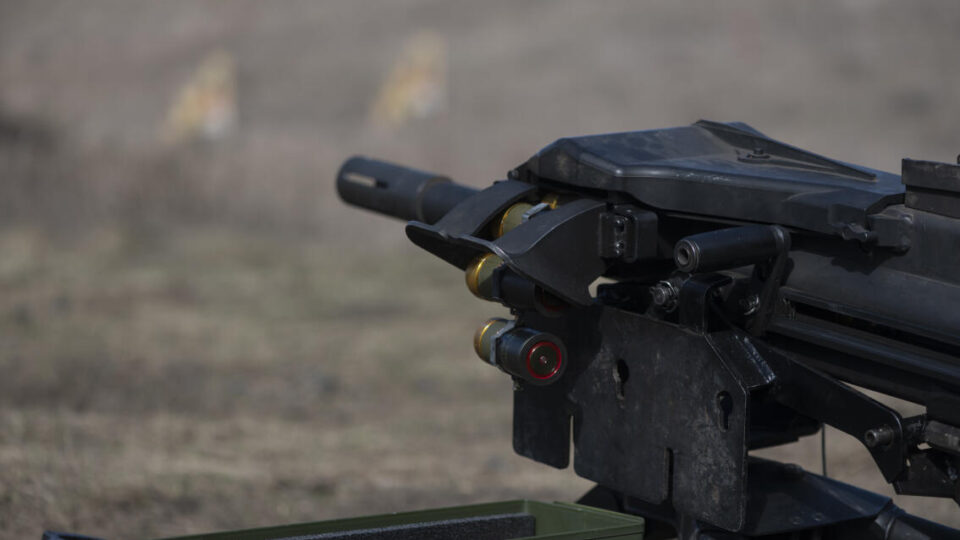
Fighting continues in the northern part of the city of Pokrovsk in the Pokrovsk direction. A mechanized assault was repelled there the day before.
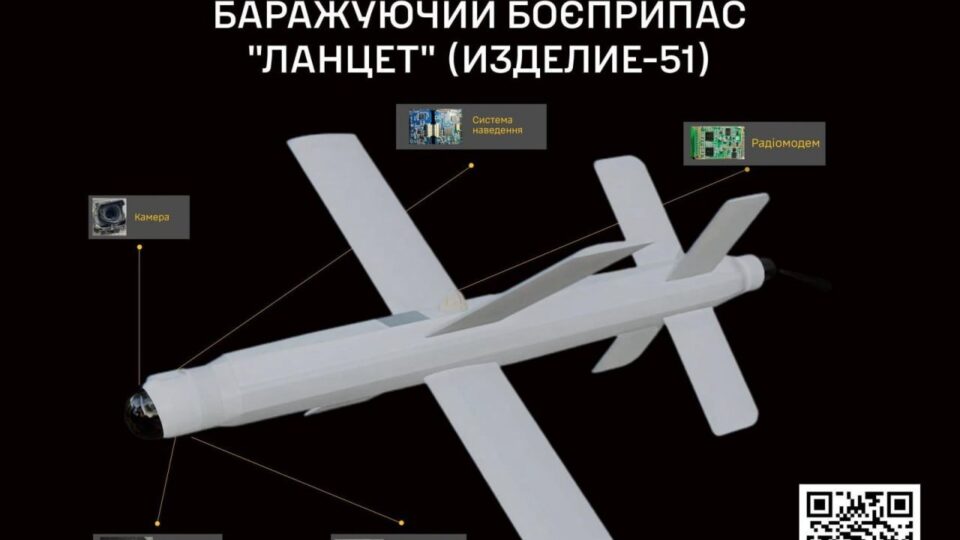
The Main Intelligence Directorate of the Ministry of Defense of Ukraine has published data on enterprises involved in the production of Russian loitering muniti

Another two-day round of negotiations between Ukraine and the United States concluded in Florida on March 22.
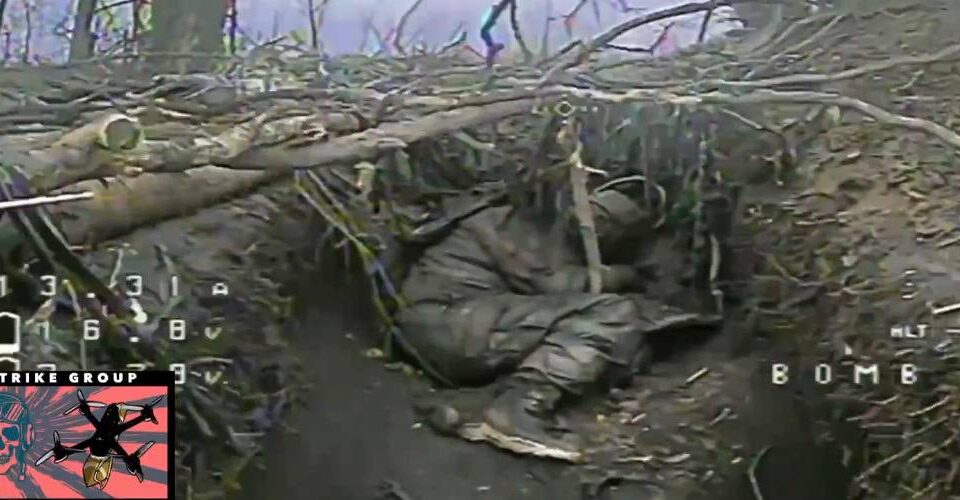
The enemy continues daily pressure and attempts to break through Ukrainian defenses in the Sloviansk direction.
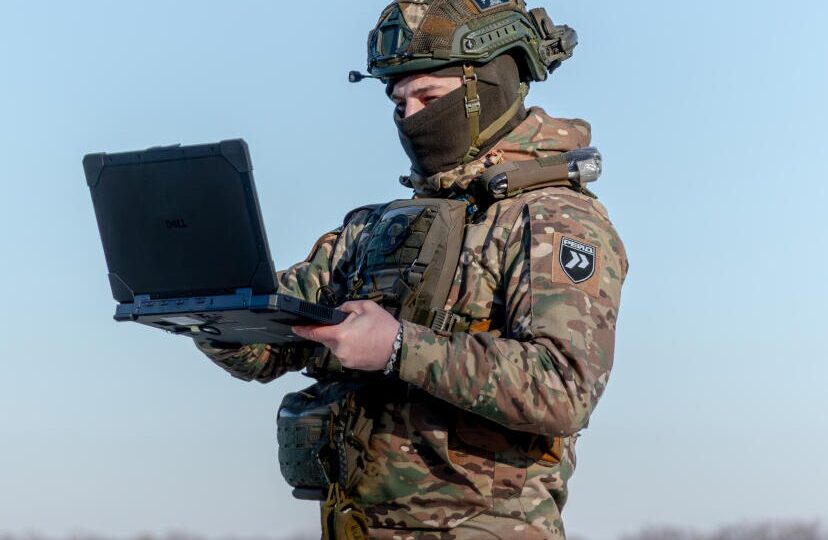
Over the past day, units of the Unmanned Systems Forces struck/destroyed 1,078 enemy targets.
The international delegation, headed by Ana Lucía Bueno, ICRC Public Health Coordinator, and Sujit Panda, Head of the Physical Rehabilitation…