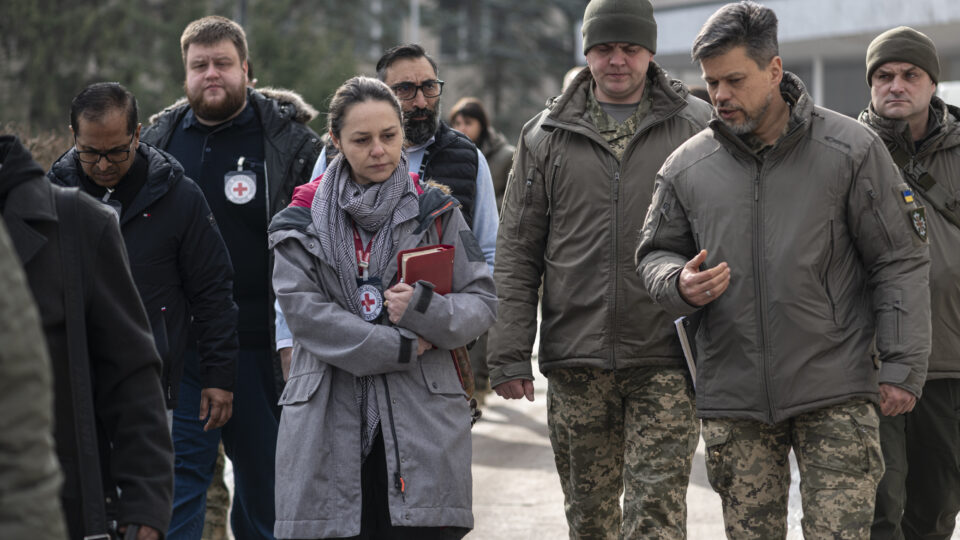
The international delegation, headed by Ana Lucía Bueno, ICRC Public Health Coordinator, and Sujit Panda, Head of the Physical Rehabilitation…

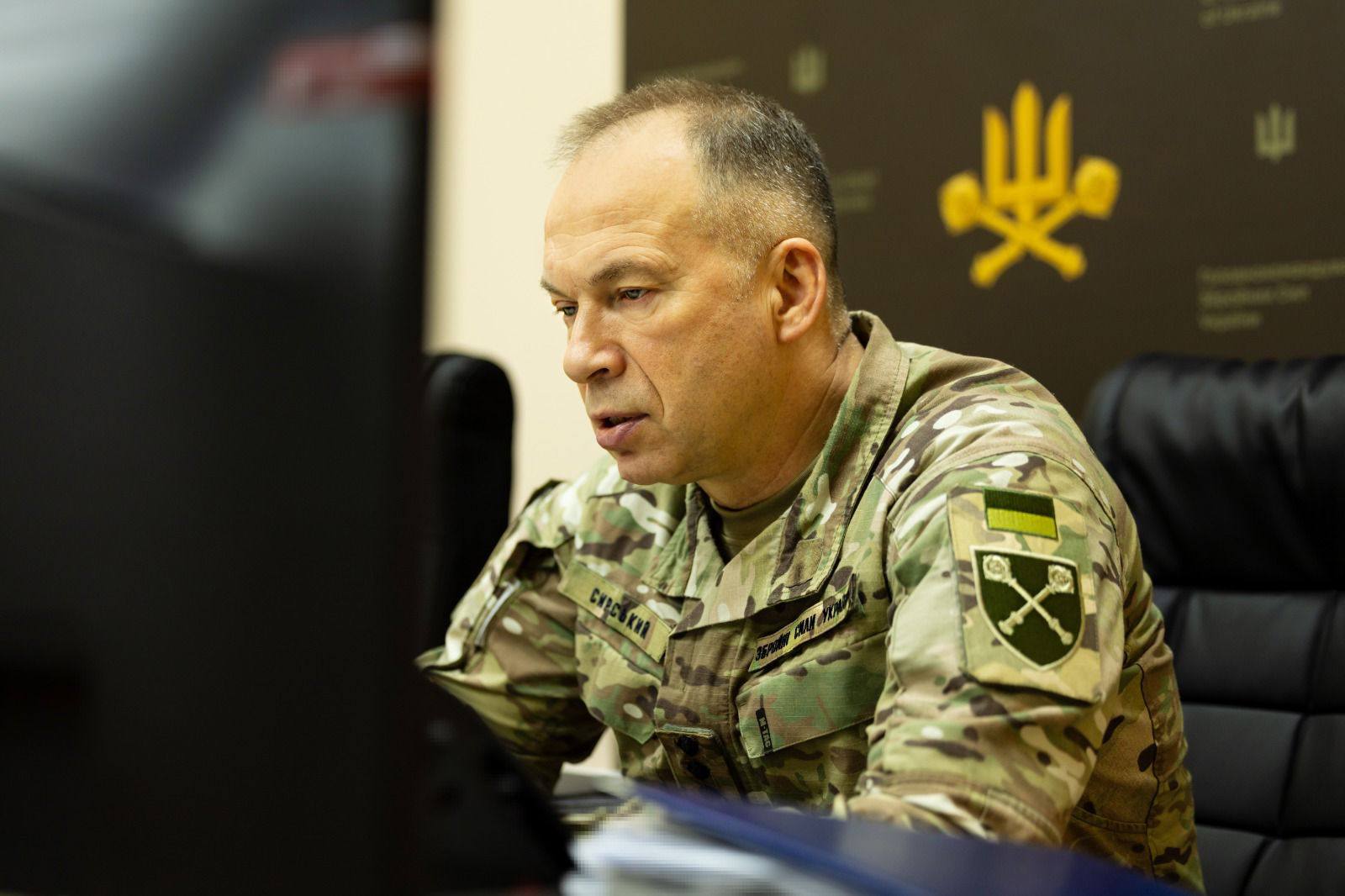
Commander-in-Chief of the Armed Forces of Ukraine, General Oleksandr Syrskyi, held a video conference meeting on the development of the medical service.
Oleksandr Syrskyi reported this on social media.
The Commander-in-Chief emphasized the need to introduce new organizational and technical solutions in military medical support, particularly in the evacuation of the wounded, given the growing threats on the battlefield, where the so-called “kill zone” can extend beyond 20 kilometers.
According to the Commander-in-Chief, the conditions of modern warfare are becoming increasingly complex, requiring the constant search for and implementation of new solutions. Particular attention is paid to the evacuation of the wounded and the provision of rapid and effective medical care.
“Preserving the life and health of our servicemembers is an absolute priority”, — Oleksandr Syrskyi stressed.
During the meeting, the Commander-in-Chief highlighted the importance of direct feedback from military medics working on the front line.
It is fundamentally important to hear not only reports from command and hospital-level medical units, but also the practical experience of medics who are the first to provide aid to the wounded and conduct forward evacuation.
This experience, according to the Commander-in-Chief, must be disseminated across all Defense Forces of Ukraine.
The meeting also separately discussed the use of ground robotic systems to evacuate wounded personnel from the forward edge.
In modern combat conditions, unmanned evacuation platforms are increasingly becoming the primary — and in some cases the only possible — means of evacuation in complex tactical environments. Such ground robotic systems effectively perform CASEVAC functions, transporting the wounded from the line of contact to transfer points for medical evacuation crews.
This approach is being actively applied primarily on the Pokrovsk axis, where the situation remains particularly difficult.
The Commander-in-Chief also heard a report from the 81st Separate Brigade regarding the creation of underground stabilization points.
Pre-prepared, camouflaged, and well-equipped underground points allow medics to work in a focused manner and in relative safety, significantly increasing the chances of saving the wounded. Oleksandr Syrskyi emphasized that this experience must be scaled along the entire front line.
The meeting also addressed the improvement of individual medical first aid kits in line with the current challenges of the battlefield. The speed and convenience of their use directly affect the preservation of servicemembers’ lives.
The Commander-in-Chief supported the developments of specialists from the Center of Advanced Experience of the Medical Service of the 3rd Army Corps, who are working on modernizing individual first aid kits.
Following the meeting, Oleksandr Syrskyi identified the key areas of work for the Medical Service of the Armed Forces of Ukraine for January 2026. These include the further development of unmanned systems for the evacuation of the wounded, improved interaction between units, and the deployment of a network of deepened stabilization points along the entire front line.
The Commander-in-Chief thanked military medics for their daily selfless work and wished them strength and resilience in the new year, emphasizing the key role of the medical service in preserving the lives of Ukrainian defenders.

The enemy is attempting to develop the production of naval drones and copy successful Ukrainian practices — both technical solutions and tactics.
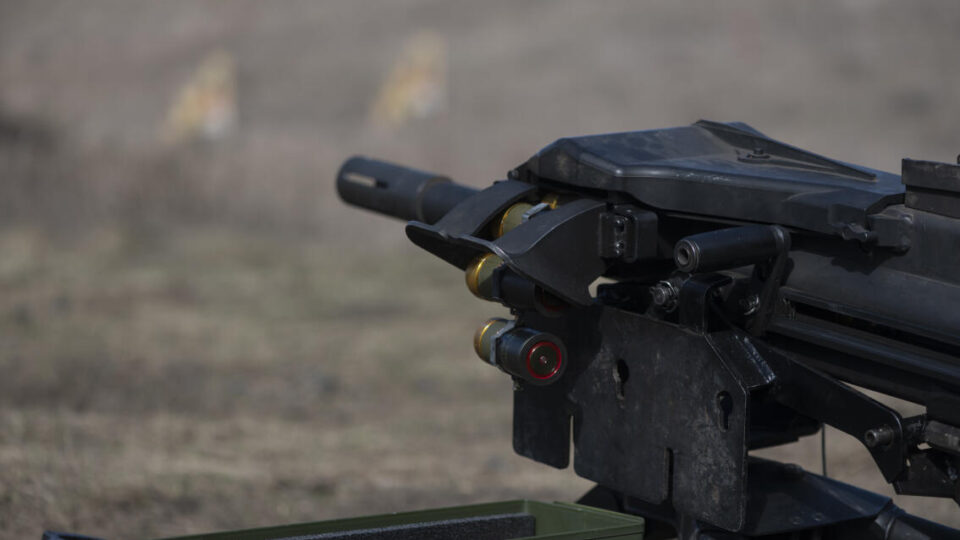
Fighting continues in the northern part of the city of Pokrovsk in the Pokrovsk direction. A mechanized assault was repelled there the day before.
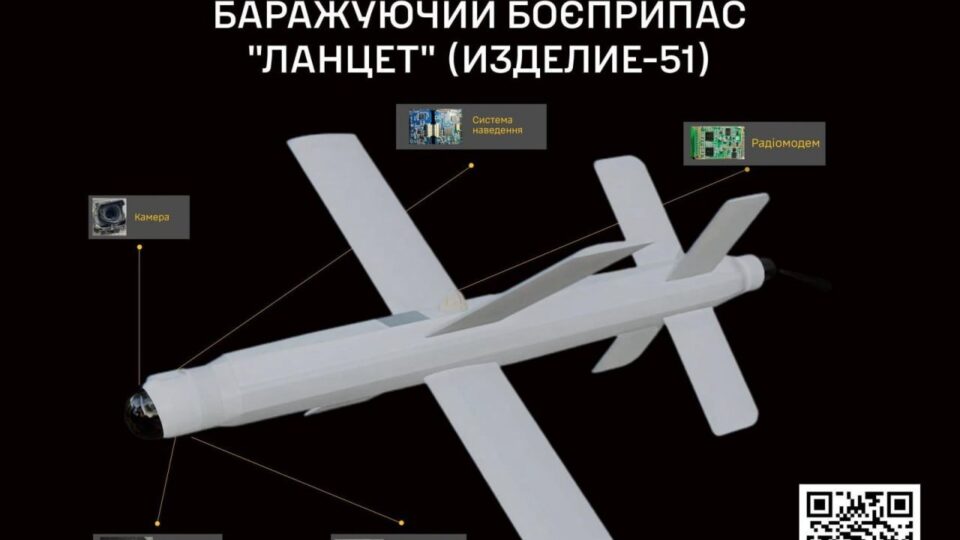
The Main Intelligence Directorate of the Ministry of Defense of Ukraine has published data on enterprises involved in the production of Russian loitering muniti

Another two-day round of negotiations between Ukraine and the United States concluded in Florida on March 22.
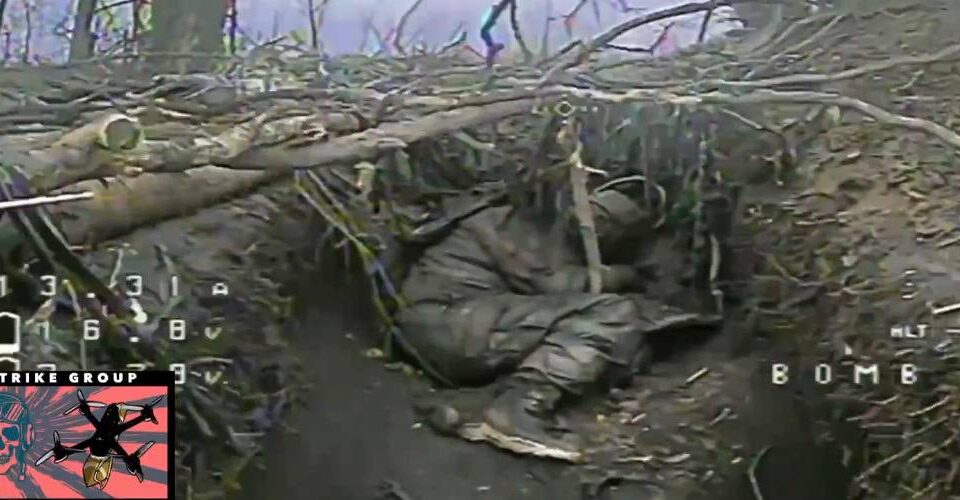
The enemy continues daily pressure and attempts to break through Ukrainian defenses in the Sloviansk direction.
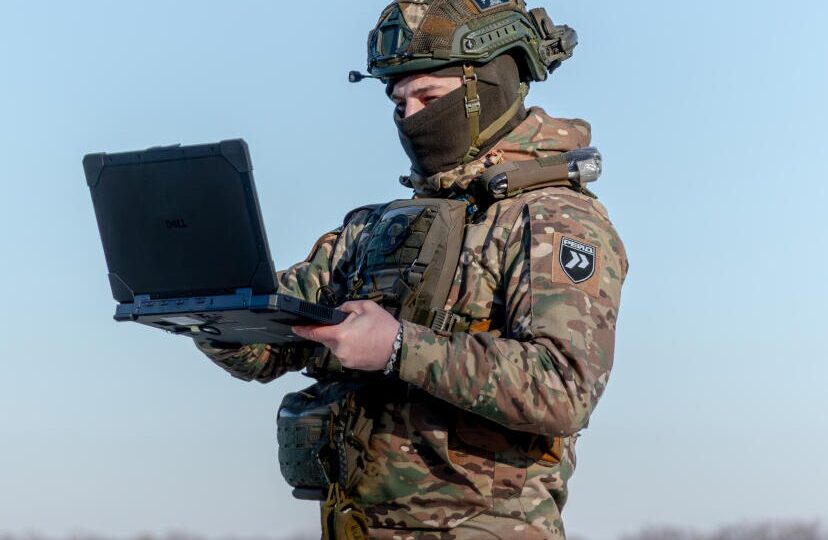
Over the past day, units of the Unmanned Systems Forces struck/destroyed 1,078 enemy targets.
The international delegation, headed by Ana Lucía Bueno, ICRC Public Health Coordinator, and Sujit Panda, Head of the Physical Rehabilitation…