
The international delegation, headed by Ana Lucía Bueno, ICRC Public Health Coordinator, and Sujit Panda, Head of the Physical Rehabilitation…

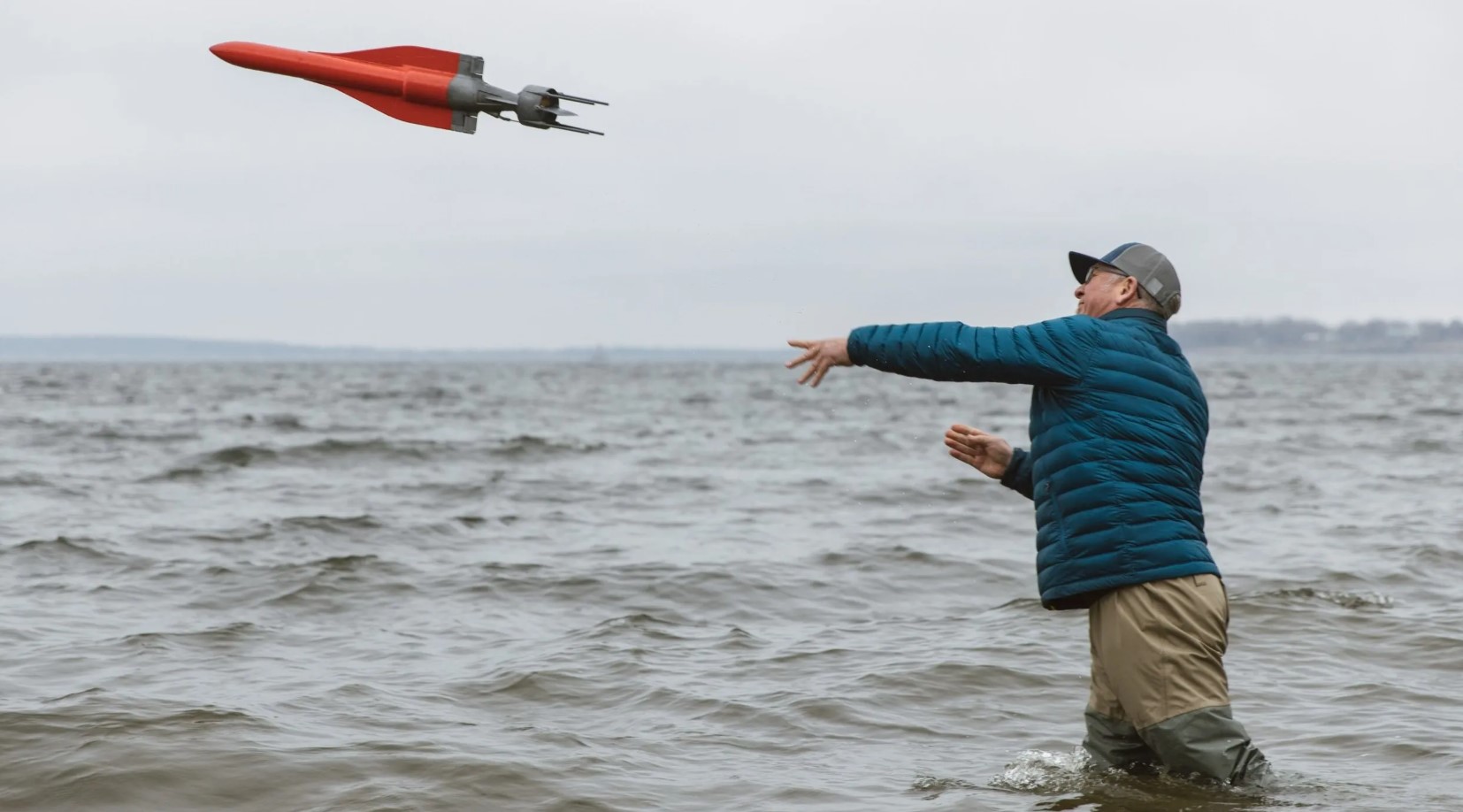
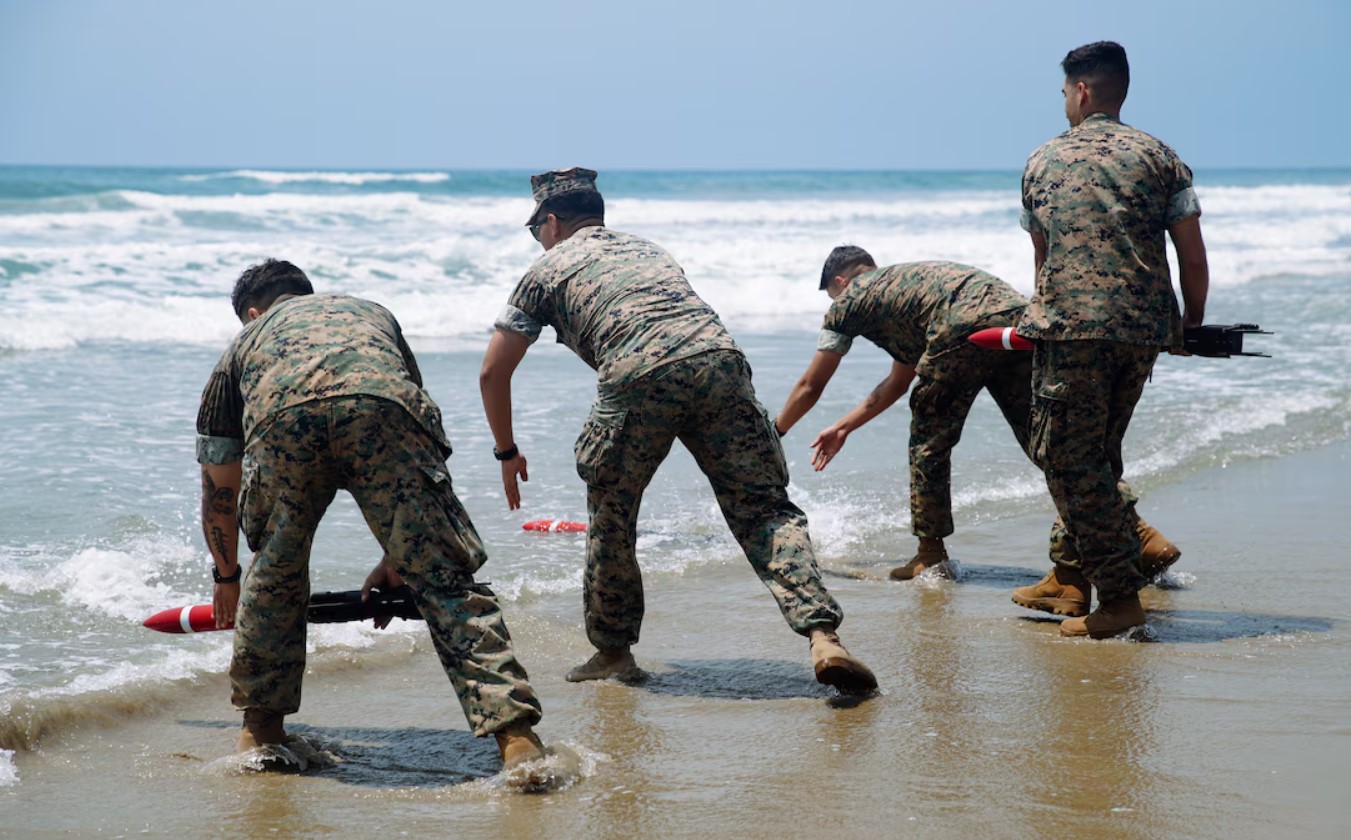
The U.S. Marine Corps has conducted practical training exercises with new autonomous underwater vehicles, the JaiaBot.
According to information published by the Defense Media Activity portal, U.S. Army service members once again practiced the launch and operation of JaiaBot micro-drones in the coastal zone of the Pacific Ocean as part of the program to integrate unmanned maritime systems, ArmyInform reports.
The manufacturer’s website states that JaiaBot is a low-cost, micro-sized, high-speed aquatic drone designed for data collection and payload delivery. These systems are ultra-portable and can be launched from virtually any location, including even the surf zone, riverbanks, piers, or watercraft platforms. The JaiaBot system features a modular design, allowing for the rapid integration of various sensors and payloads.
The developers of these drones emphasize that ease of use minimizes operator training time and maintenance requirements. According to them, this rugged and reliable water drone can realistically and practically scale data collection, even when using groups of JaiaBot unmanned vehicles.
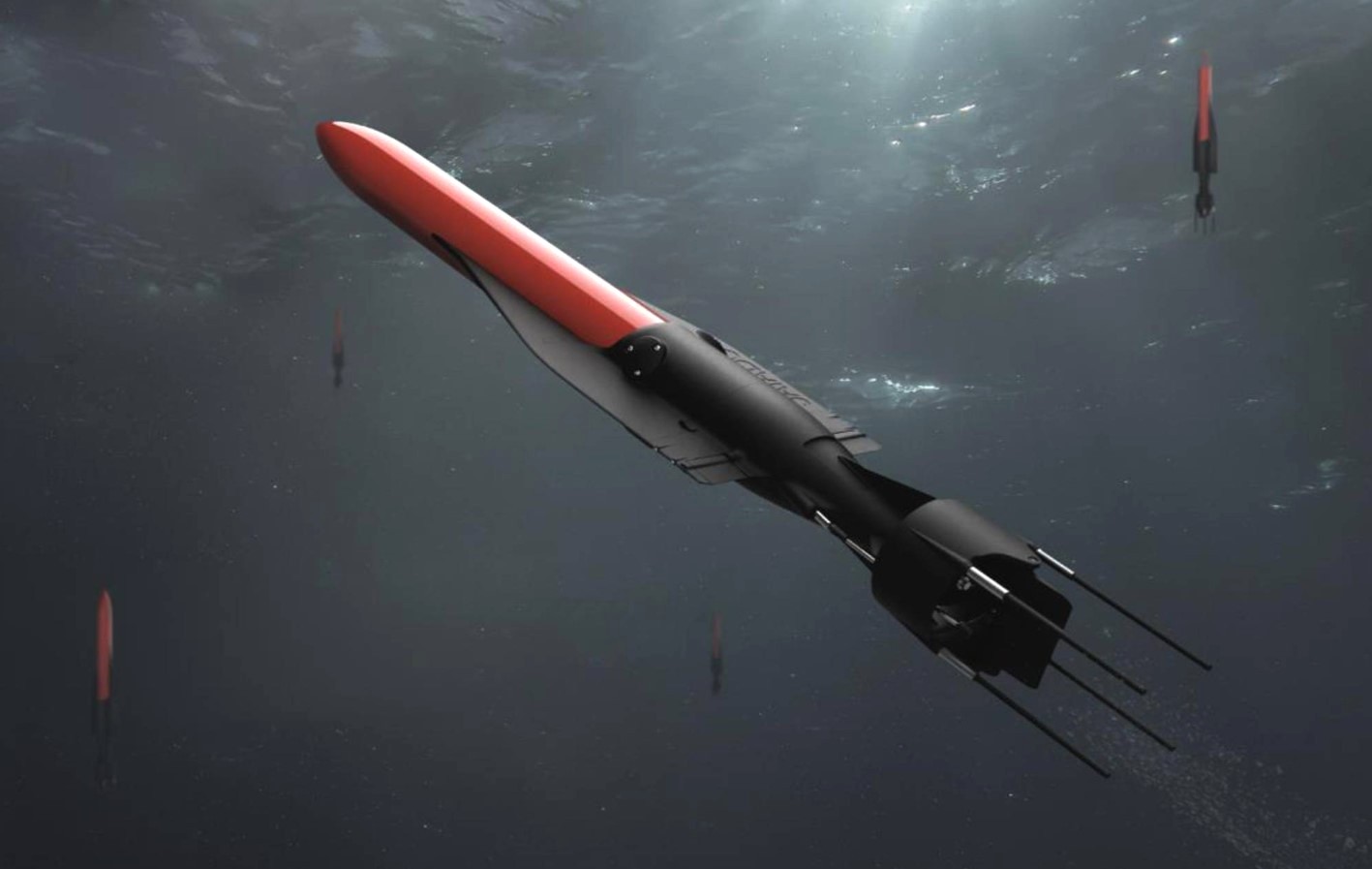
The new underwater robots developed by Jaia Robotics are intended for the autonomous collection and transmission of high-precision environmental data, including water temperature, salinity, currents, and seabed topography. This information is critically important for planning military operations involving amphibious landings, reconnaissance, and the assessment of conditions in hard-to-reach maritime areas.
According to assessments provided by experts from the defense research portal BuildingTech, the core concept of JaiaBot is based on multipurpose and modular use. The platform can be equipped with both high-resolution reconnaissance sensors and combat payloads, transforming it from a data-collection tool into a strike drone.
Information gathered by its systems is transmitted in real time, enabling technicians to plan actions in advance and adjust missions directly during operations. This is particularly important when conducting combat operations in complex conditions or hard-to-access areas.
JaiaBots are distinguished by their portability and launch versatility. Thanks to their small size and high speed, the vehicle can quickly reach the target area and operate covertly.
The modular architecture allows the integration of various types of payloads — from sonar systems and cameras to communications systems and combat charges. This approach provides flexibility of use: the same platform can be employed for hydrographic surveys, mine detection, coastline monitoring, or attacks on enemy vessels.
The JaiaBot weighs approximately 2.3 kilograms, with a length of 84 centimeters and a diameter of about 7 centimeters. Its maximum speed reaches 5 meters per second (approximately 10 knots). In terms of range, the unmanned vehicle can travel up to 15 kilometers on the surface and up to 5 kilometers underwater. The system is capable of diving to depths of up to 100 meters, with positioning accuracy of less than 3 meters.
Navigation is provided by GPS, a 9-axis inertial measurement unit, and a digital compass. Communications are ensured via a 900 MHz radio channel with a range of 250 to 750 meters from the hub, using AES-256 encryption, as well as Wi-Fi with WPA2 protection.
Power is supplied by two lithium-ion batteries rated at 66 watt-hours each. Built-in data storage systems support capacities from 128 GB to 1 TB, and the download of collected information is performed when a Wi-Fi network is available, in formats including CSV, HDF5, KMZ, XML, and others.
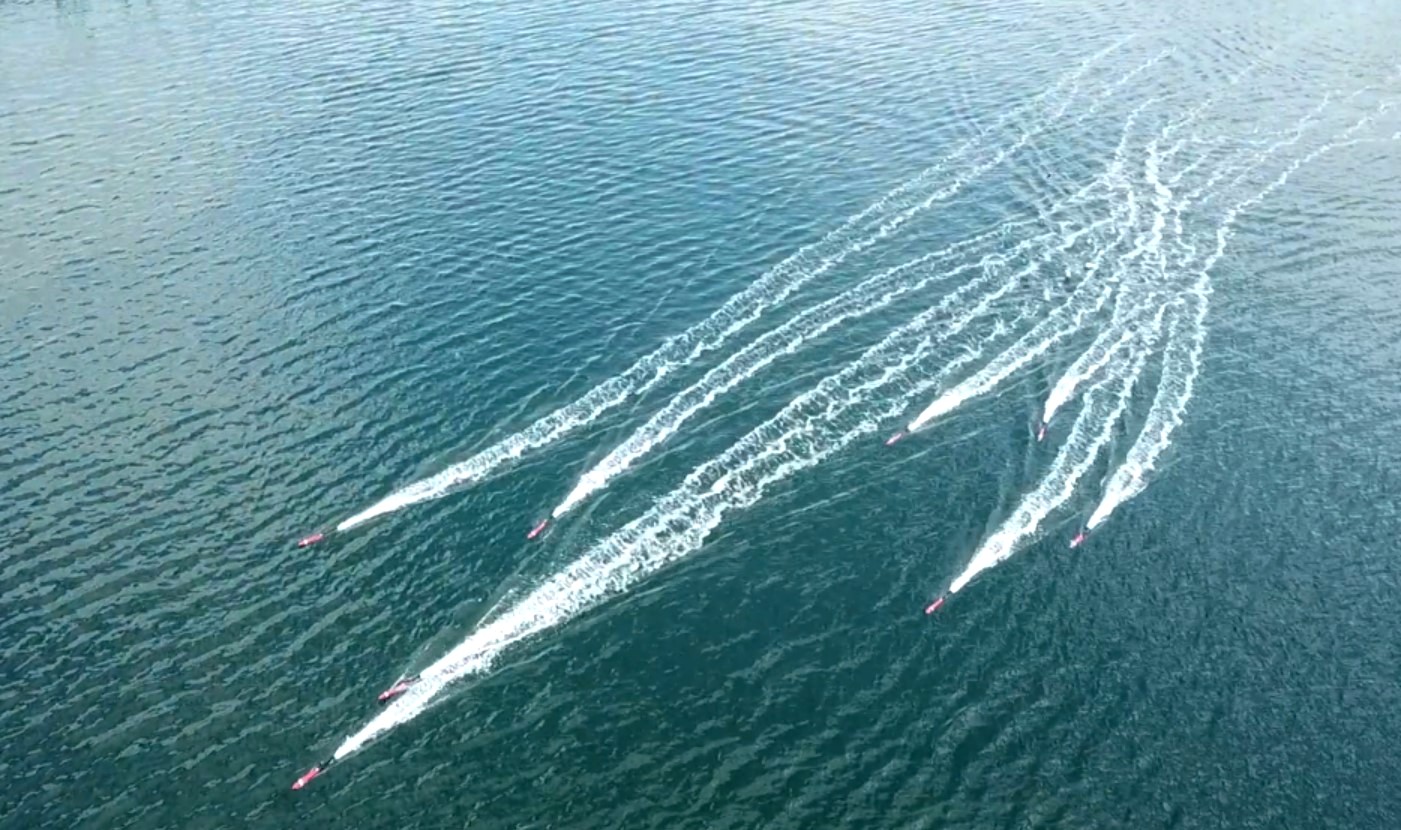
A distinctive feature of JaiaBot is its ability to operate as part of a fleet of up to twenty unmanned vehicles, enabling the rapid deployment of a wide reconnaissance or strike network. In the JaiaBot-PAM modification, the drone is equipped with a passive acoustic monitoring system operating in the 2 Hz–30 kHz range, as well as additional sensors for temperature, conductivity, depth, bathymetry, and seabed type.
The ease of operation of JaiaBot reduces the time required for operator training and lowers maintenance costs. At a time when control over coastal and strategic maritime areas is becoming increasingly important, such systems are capable of playing a key role — from early threat detection and intelligence gathering to delivering precise, high-accuracy strikes.

During recent training exercises, particular attention was paid to the operation of drone “swarms”: the simultaneous use of multiple JaiaBots makes it possible to significantly accelerate data collection across large maritime areas. According to the developers, the system provides a scalable and low-cost solution for rapid mapping of coastal regions.
“This rugged and reliable underwater drone makes it possible to increase data collection volumes many times over at minimal cost”, — Jaia Robotics notes. Ease of control and low maintenance requirements make JaiaBot a promising tool for wide-ranging applications in combat operations.
Testing of JaiaBot has become part of a broader U.S. Navy strategy to expand its fleet of unmanned maritime systems. Amid growing interest in controlling coastal zones and lagoons, such technologies are becoming an important element of modern reconnaissance and power projection.
U.S. Army Marines conduct training with JaiaBot unmanned systems. Video: Media Magik Entertainment

The enemy is attempting to develop the production of naval drones and copy successful Ukrainian practices — both technical solutions and tactics.
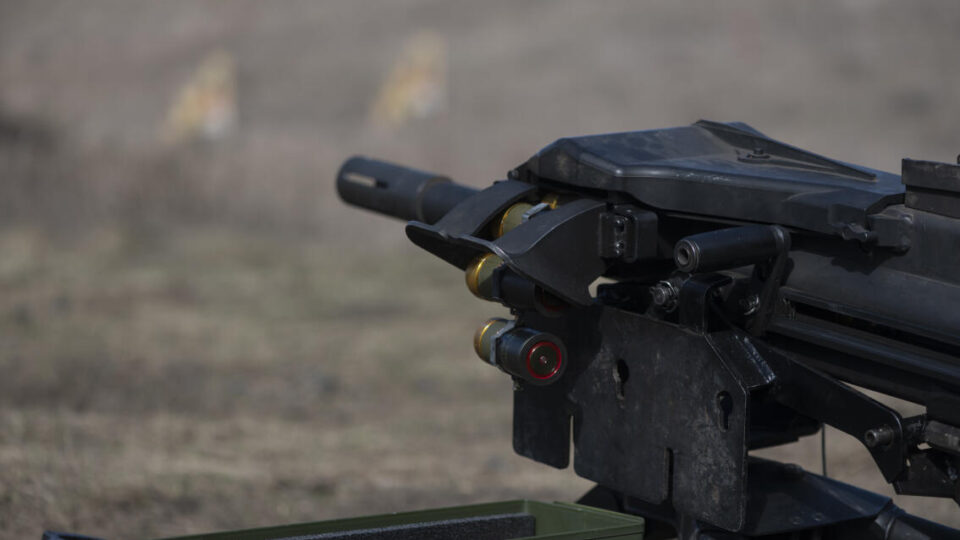
Fighting continues in the northern part of the city of Pokrovsk in the Pokrovsk direction. A mechanized assault was repelled there the day before.
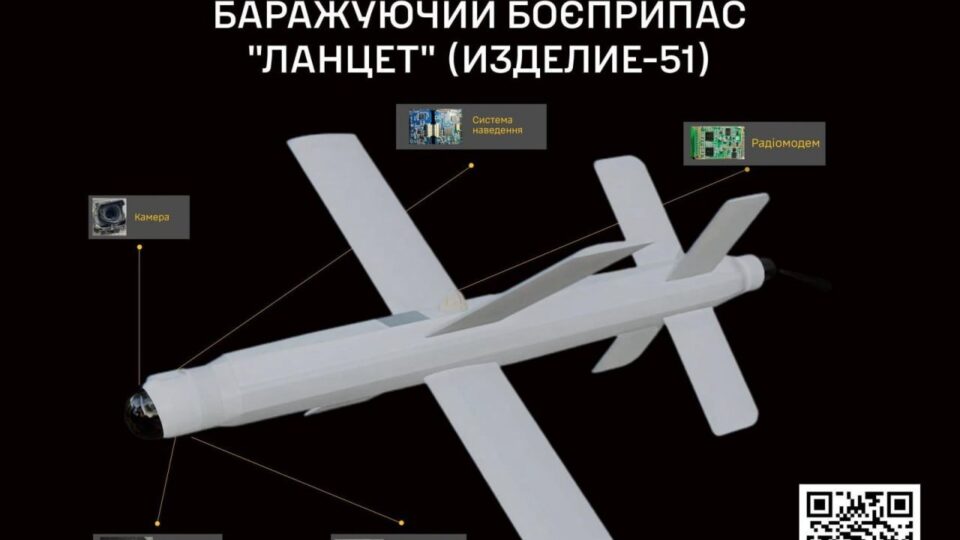
The Main Intelligence Directorate of the Ministry of Defense of Ukraine has published data on enterprises involved in the production of Russian loitering muniti

Another two-day round of negotiations between Ukraine and the United States concluded in Florida on March 22.
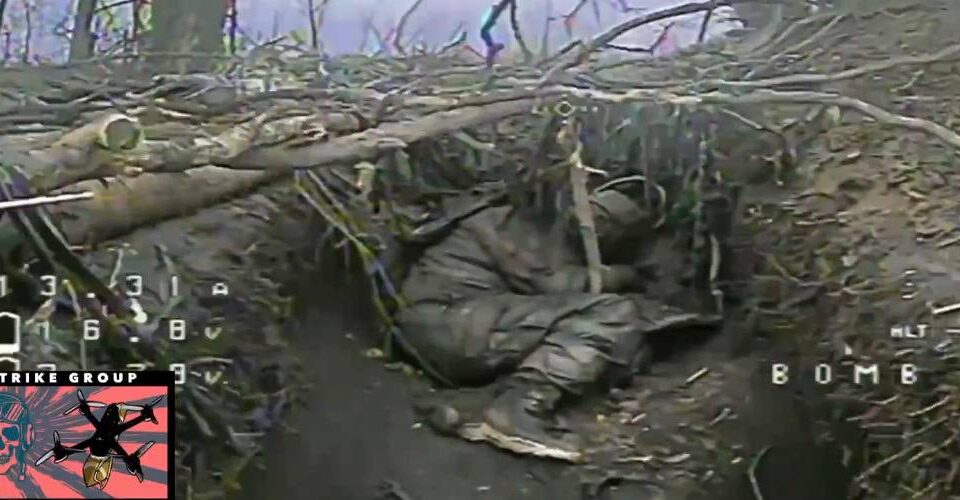
The enemy continues daily pressure and attempts to break through Ukrainian defenses in the Sloviansk direction.
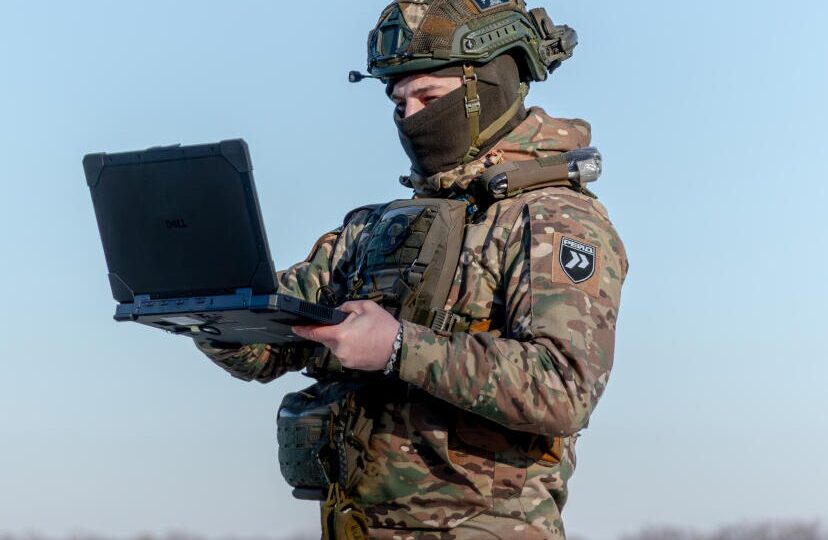
Over the past day, units of the Unmanned Systems Forces struck/destroyed 1,078 enemy targets.
The international delegation, headed by Ana Lucía Bueno, ICRC Public Health Coordinator, and Sujit Panda, Head of the Physical Rehabilitation…