Drone warfare is changing medicine: How military doctors are prepared for the new frontline reality

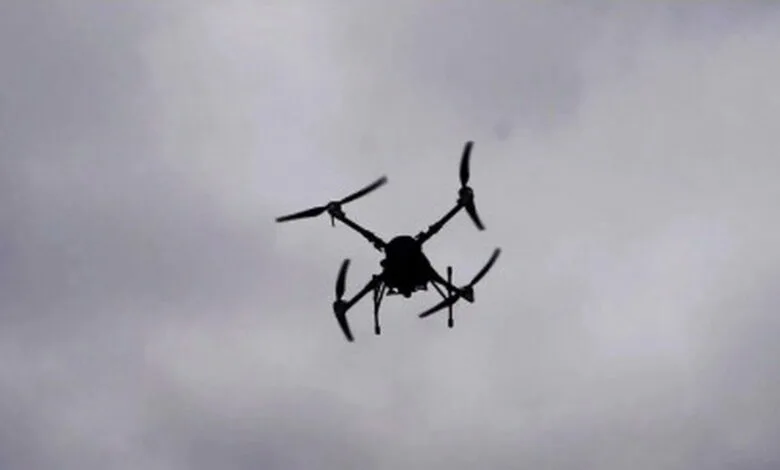
The Ukrainian Military Medical Academy is updating its approaches to training military doctors, taking into account the experience of the full-scale war — in particular, the emergence of so-called “kill zones” along the front, where evacuation of the wounded takes place under constant threat from enemy drones.
This was reported during a live broadcast of the “United News” telethon by Acting Head of the Ukrainian Military Medical Academy, Colonel Andrii Shvets.
The personnel foundation of Military Medicine
According to Colonel Shvets, the academy’s key task remains personnel training through the military internship system. The academy trains military doctors in core clinical specialties: surgery, anesthesiology, general practice, infectious diseases, dentistry, and pharmacy.
In addition, the academy offers about 30 secondary specialization programs. Military doctors return after service in units to upgrade qualifications or master new fields — including psychiatry and physical and rehabilitation medicine.
Tactical medicine as a mandatory standard
All general practitioners undergo tactical medicine courses. They then pass this knowledge directly to the troops. According to academy leadership, this approach became systemic from the first years of the full-scale invasion.
“Kill Zones” and the new evacuation logic
Special attention is paid to changing evacuation conditions. In 2025, extended “kill zones” formed along the front — areas 10–20 km long where any movement is constantly targeted by enemy UAVs.
In these conditions, ground robotic systems are increasingly used. According to Andrii Shvets, they are used not only for logistics, but also for delivering medicines and evacuating the wounded — so-called casevac (casualty evacuation). This experience is already being studied by foreign partners, and Ukraine is effectively shaping new standards.
The academy is already working on integrating this experience into educational programs. In 2026, separate master classes are planned to train military medics to work with robotic evacuation systems.
Rapid implementation of combat experience
Colonel Shvets emphasized that verification and implementation of combat experience occur as quickly as possible. Since the beginning of the full-scale aggression, academy departments have almost instantly adapted training materials to wartime conditions.
In particular, guidelines, master classes, and webinars on working with gunshot wounds, primary and combat surgical treatment were developed for civilian and military doctors. Foreign specialists, including from the United States, were also involved in the training process.
Thus, the Ukrainian Military Medical Academy not only trains personnel, but also systematically transforms military medicine to meet the realities of modern warfare, where saving lives increasingly depends on the speed of adaptation to new threats.