
The international delegation, headed by Ana Lucía Bueno, ICRC Public Health Coordinator, and Sujit Panda, Head of the Physical Rehabilitation…

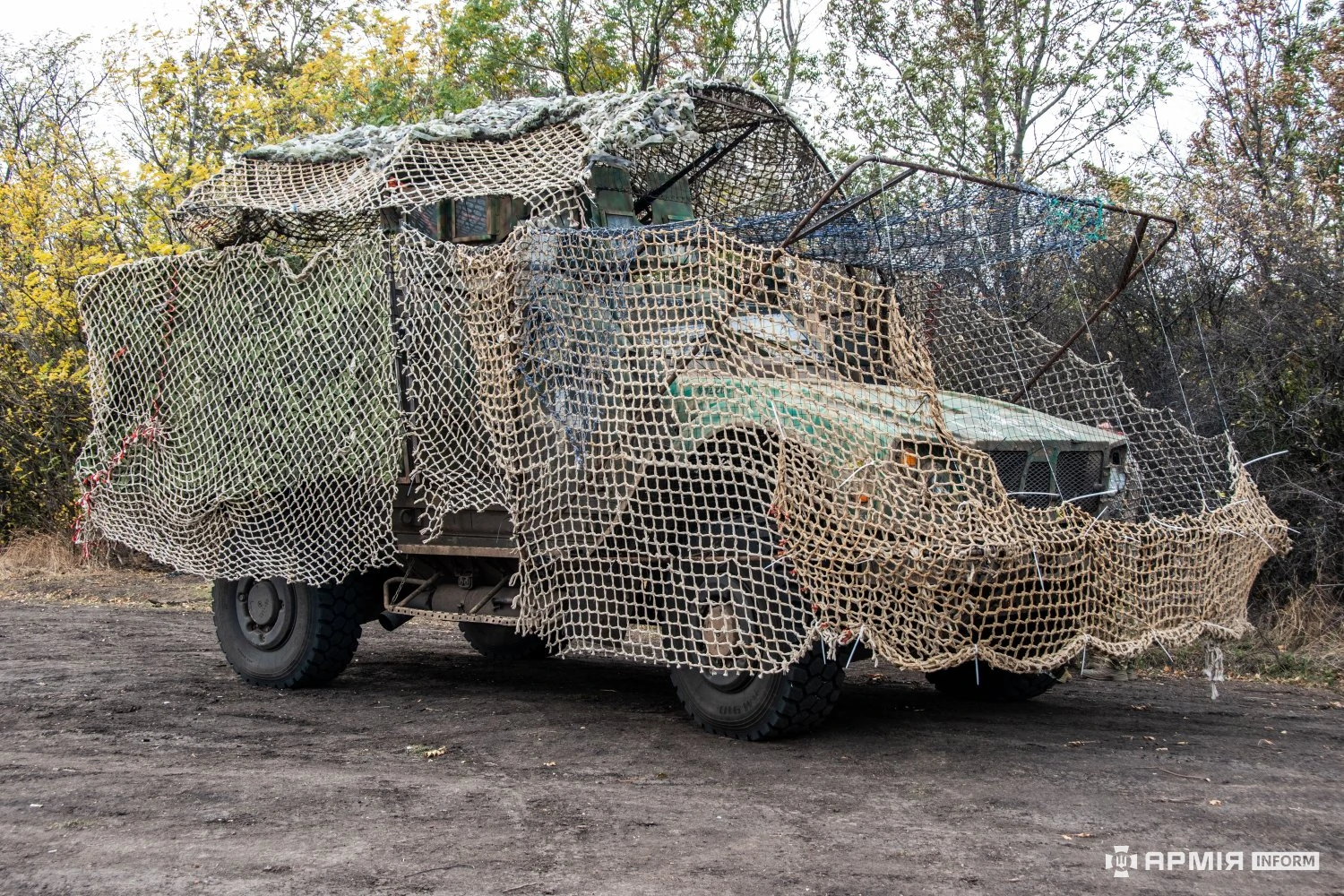
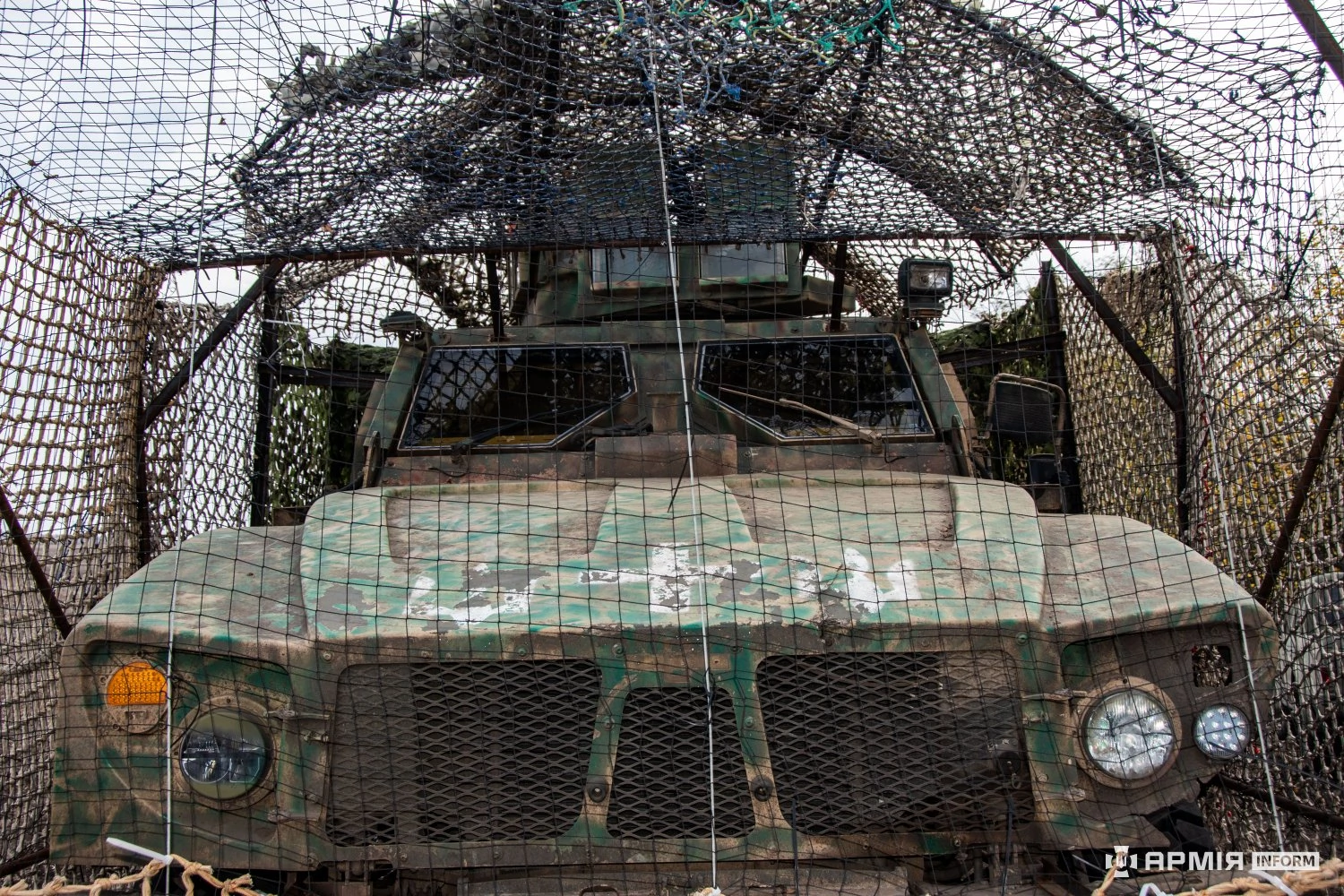
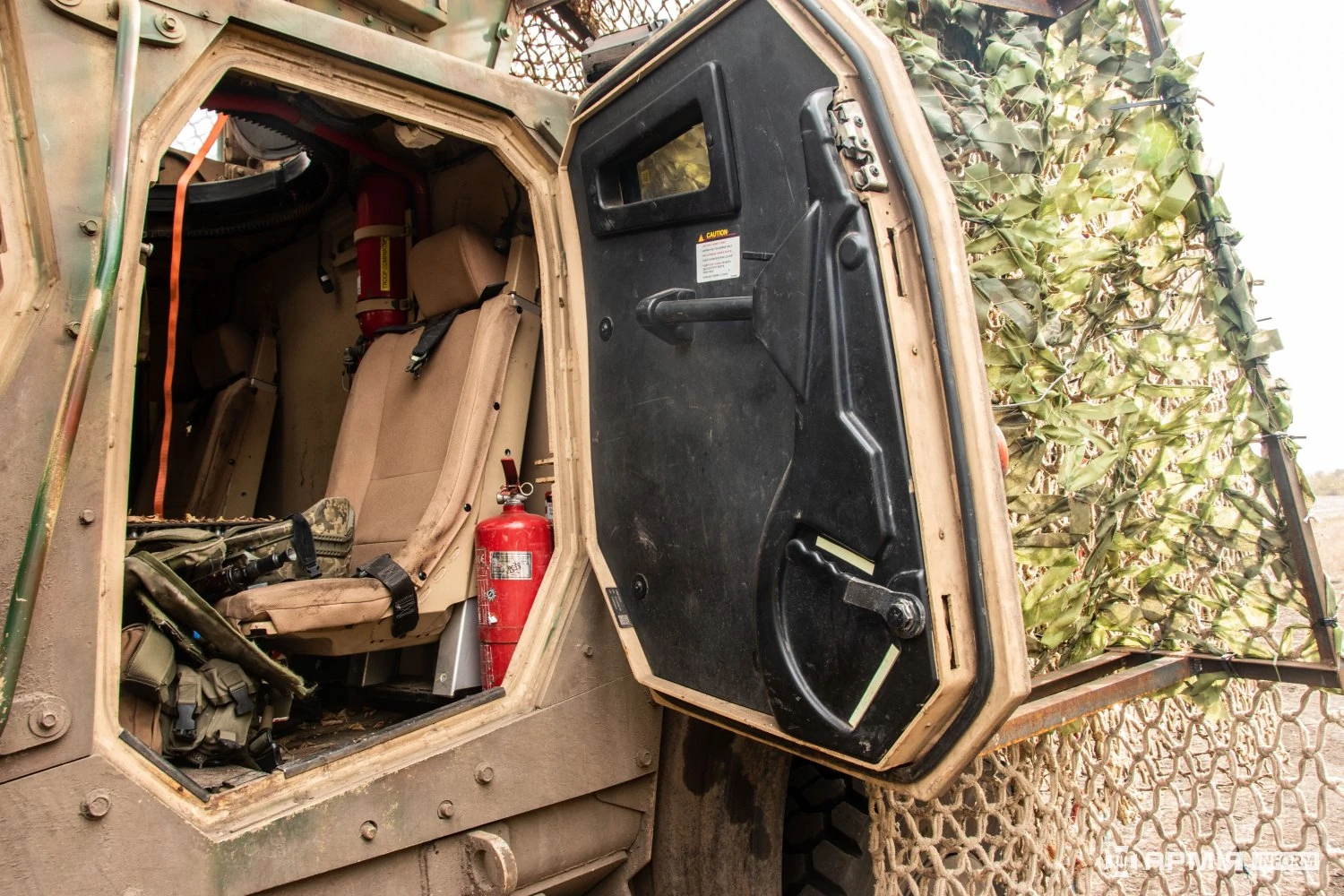
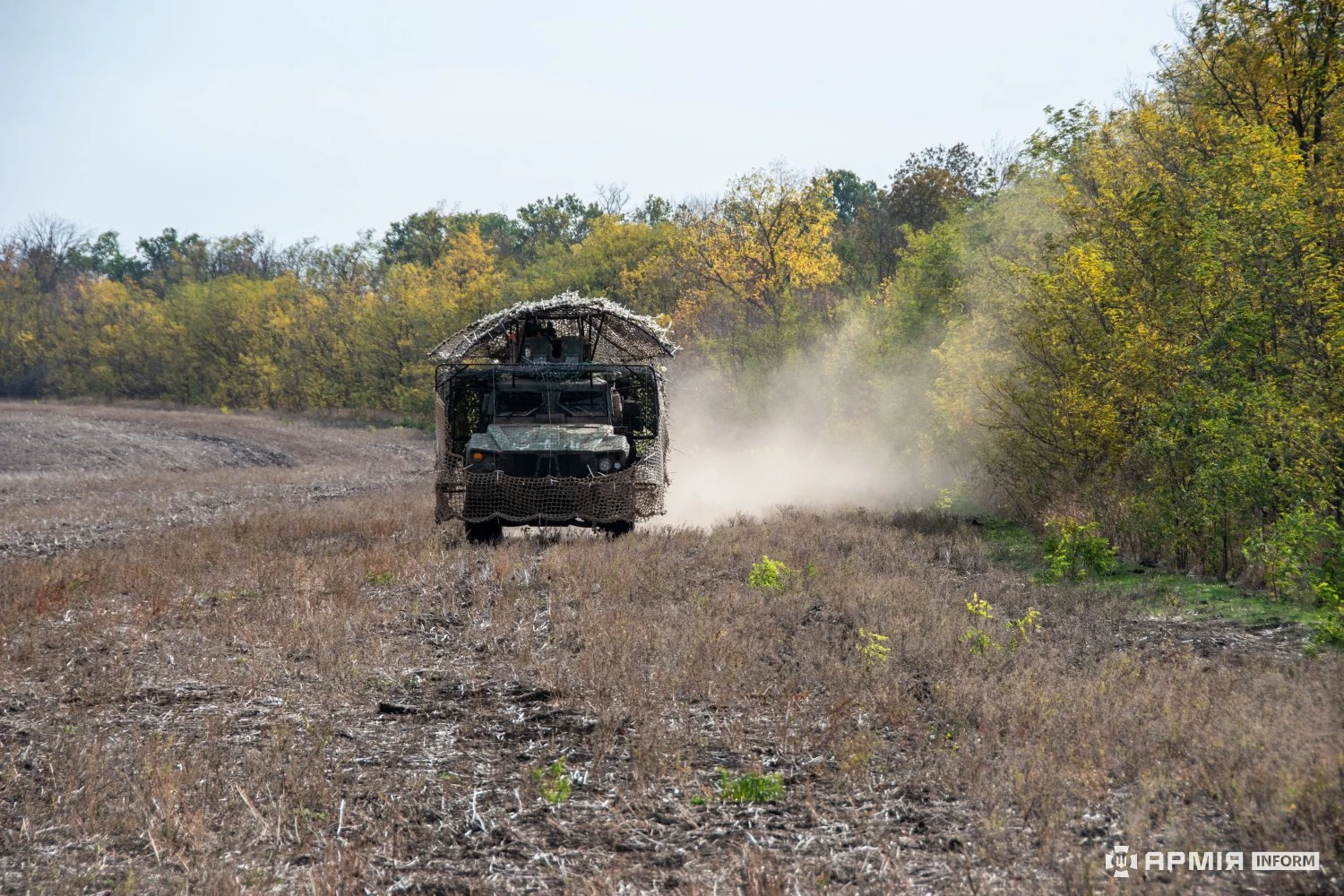
The 37th Separate Marine Brigade is equipped with Oshkosh M-ATV tactical armored vehicles — American armored cars developed by the U.S. Department of Defense based on the experience of wars in Afghanistan and Iraq.
One of the key features of this combat armored vehicle is enhanced mine protection of the MRAP (Mine Resistant Ambush Protected) class. It is designed to save the lives of the crew and troops in the event of a blast from an anti-vehicle mine or an improvised explosive device, as well as during ambushes and heavy infantry fire.
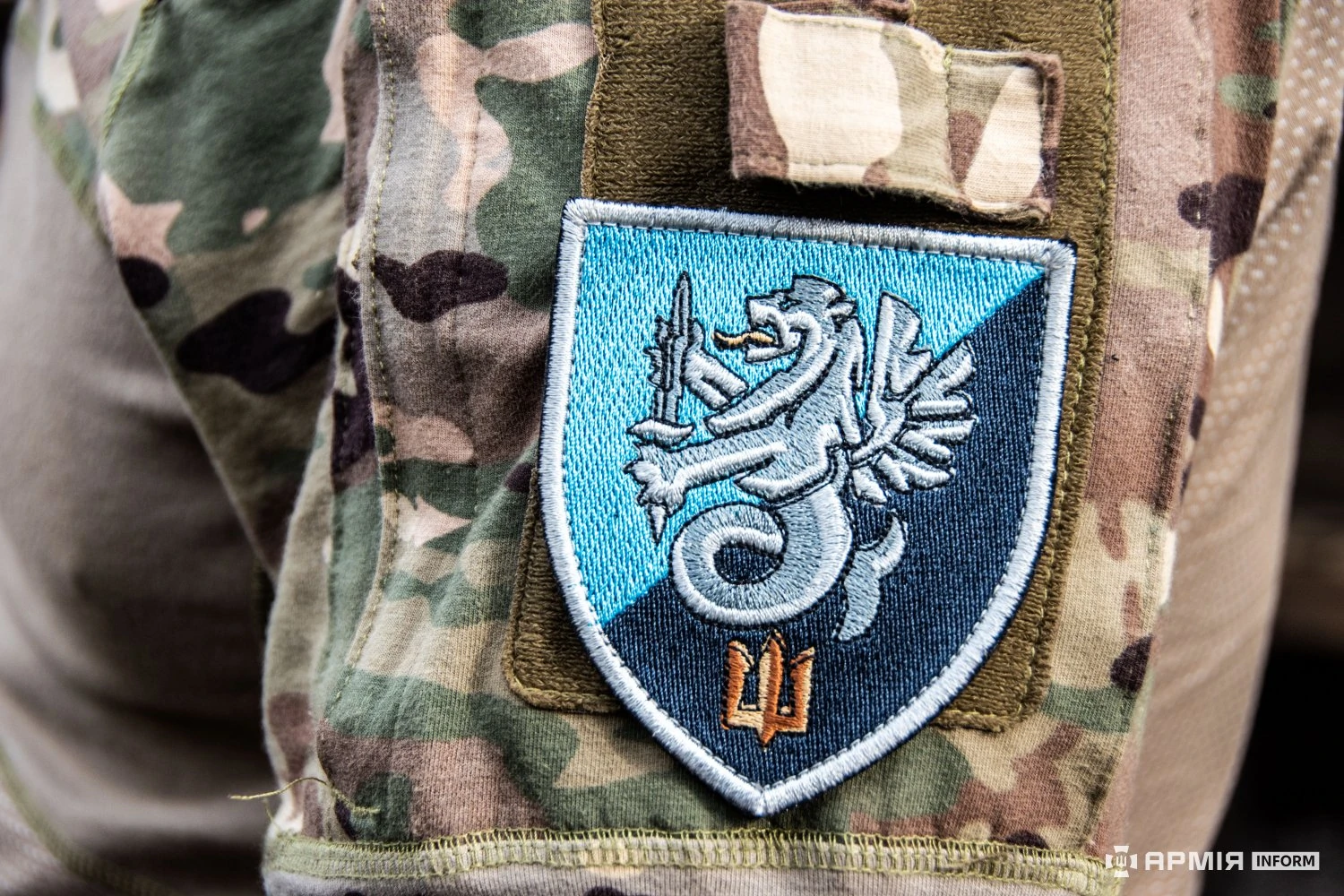
Marines of the 37th Separate Marine Brigade, who are defending the Novopavlivka direction, spoke about their reliable armored assistants.
Reliably protected and fast
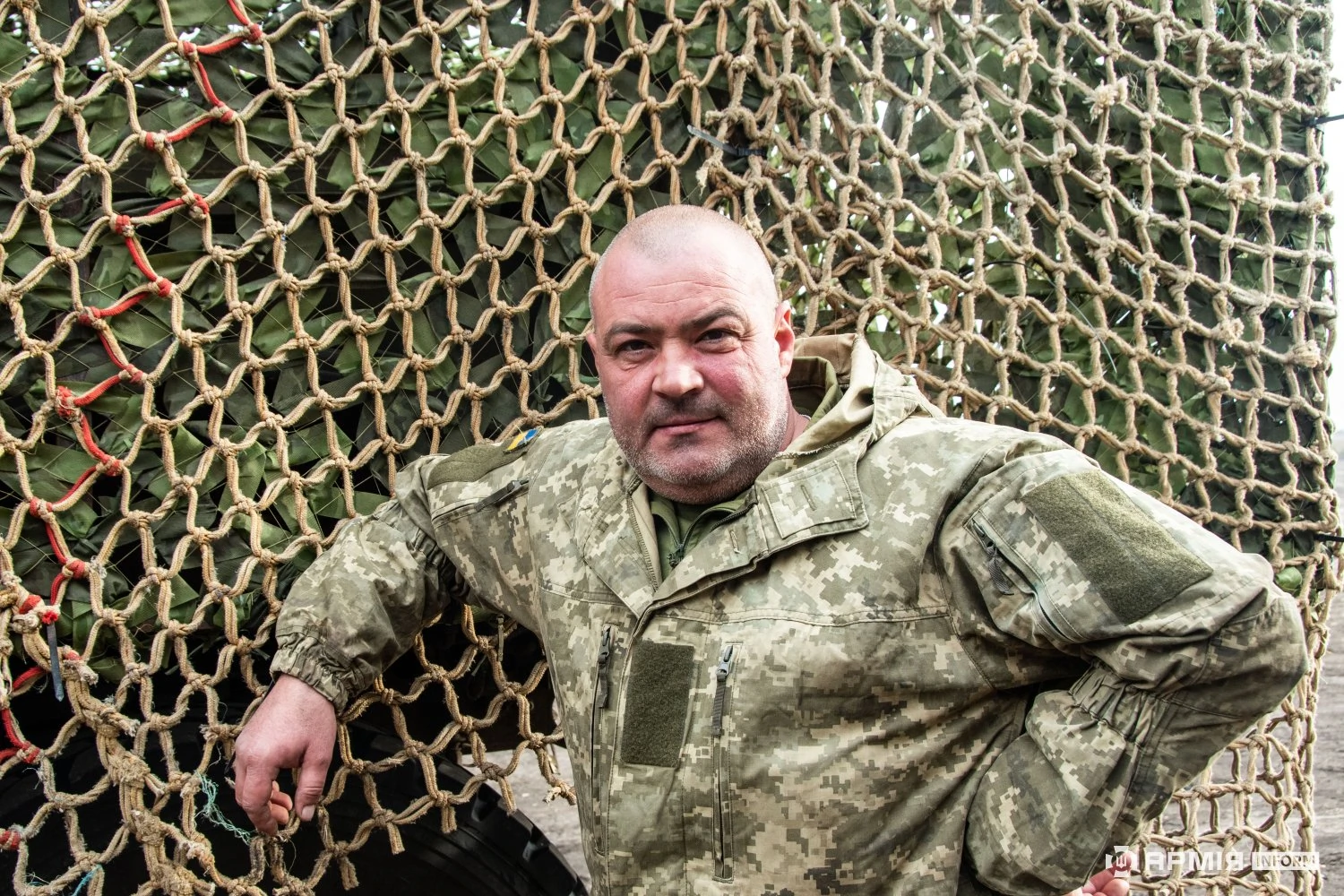
“An excellent vehicle, honestly. No questions about the armor. It goes in and out. A good machine. As for the suspension, it withstands almost everything. It drives through such potholes — and we have never had to repair the suspension. Damage is mainly from incoming strikes”, — says a marine with the call sign “Krava”.
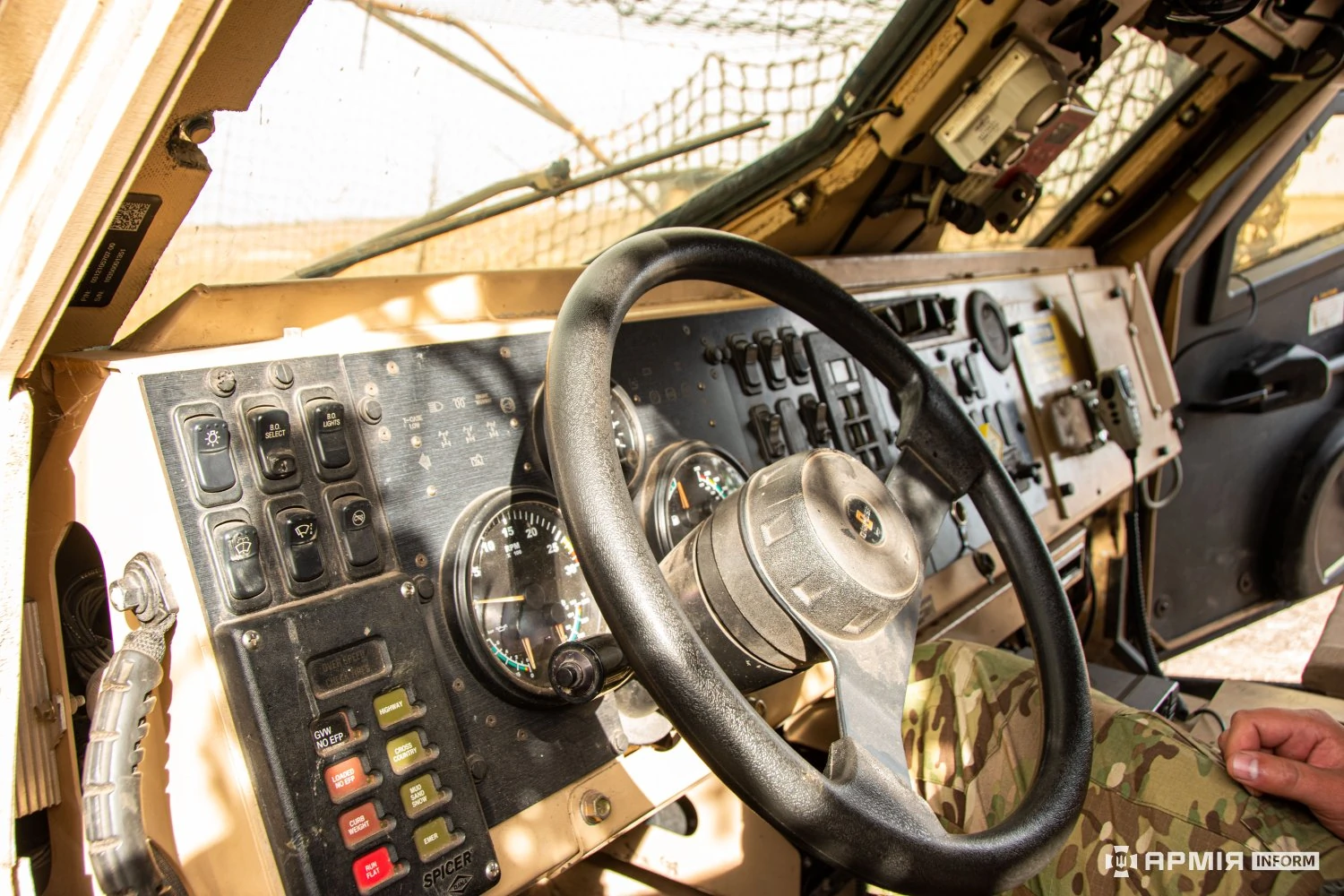
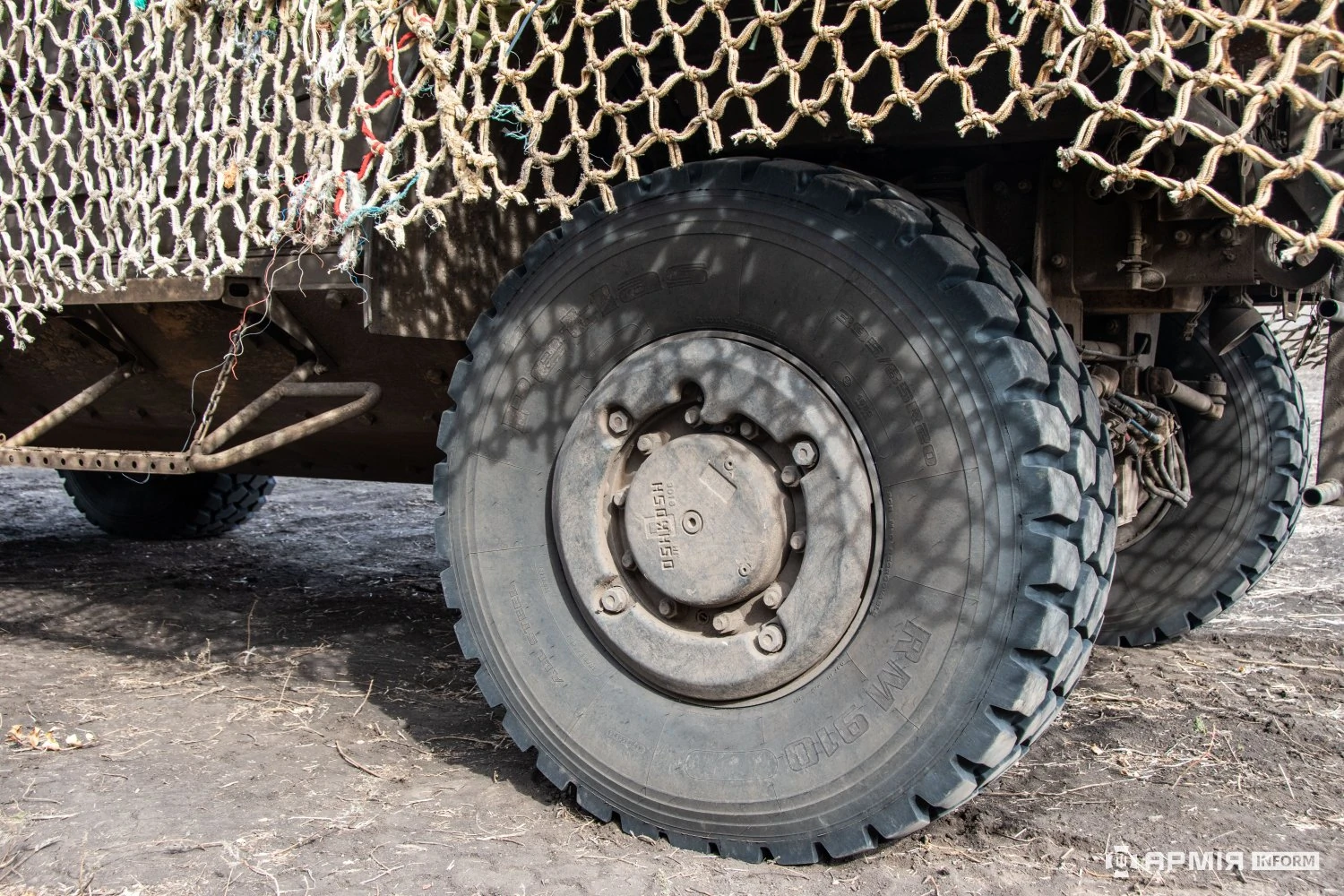
In addition to powerful armor protection and a reliable suspension, the Oshkosh APC also features a powerful Caterpillar C7 diesel engine with a displacement of 7,200 cubic centimeters and a reinforced, durable Allison 3500SP transmission.
Thanks to these, the armored vehicle confidently overcomes difficult off-road conditions and can reach a maximum speed of 105–108 km/h on highways, which approximately matches and even exceeds the manufacturer’s stated specifications of 65 mph. Fuel consumption, for an armored vehicle weighing about 12 tons, is relatively moderate.
“In calm highway driving, it’s about 35 liters per 100 kilometers. But the way I drove there, it was 60 liters for 70 kilometers”, — says “Krava”, referring by “there” to frontline off-road terrain. There, directly on the line of contact, the reliable Oshkosh has saved fighters’ lives many times.


On the Oshkosh — all frontline logistics
“Mostly we transport personnel to positions. We rotate crews, replace people, evacuate the wounded. We go out two or three times a day, every day. We deliver infantry and crews to positions. We bring ammunition and supplies,” — “Krava” explains about the Oshkosh’s combat work.
On the Oshkosh, the driver emphasizes, in most cases all logistical support of forward positions is maintained, because this armored vehicle successfully combines a high level of protection with large payload capacity, speed, and maneuverability.
“In some cases, quad bikes are used because they are small — you can slip through faster. But mostly everything is done with Oshkoshes”, — he stresses.
The marine is satisfied with the armored vehicle, as there has never been a case when the equipment let them down. Even after enemy hits, damaged and heavily wounded Oshkoshes pulled fighters out of the very hell.


More than 60 combat missions: you get used to adrenaline
Designed to replace the M1114 HMMWV — the famous Humvee — the Oshkosh significantly surpassed its distinguished predecessor. Significantly larger and heavier, it also became more reliable.
“It’s a good vehicle, it withstands a lot. It has carried many guys out. Overall, I probably have around 60 missions — I stopped counting after the first ten”, — recalls “Krava.”
He says you get used to the danger during combat missions, and before the next trip you feel not only fear, but also a certain bold excitement and adrenaline rush — so strong that you want to go and come back as soon as possible.
“You get used to constant adrenaline — and you want to go. You try it once, and then it pulls you back — you want to return for another dose of adrenaline. I’ve been under fire a few times; it’s unpleasant and a bit scary, but what can you do”, — the military driver says.
FPV drones are not scary for the Oshkosh
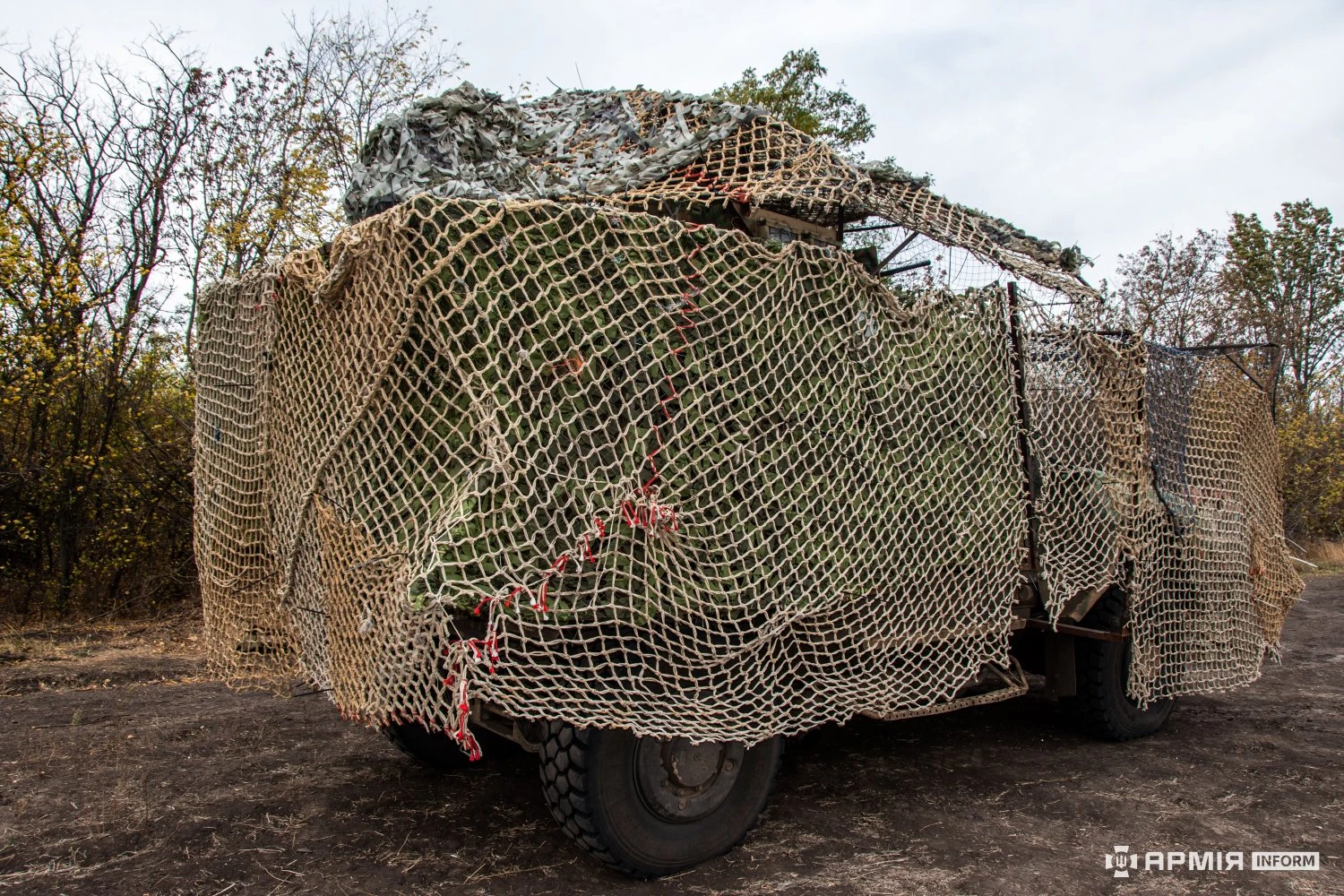
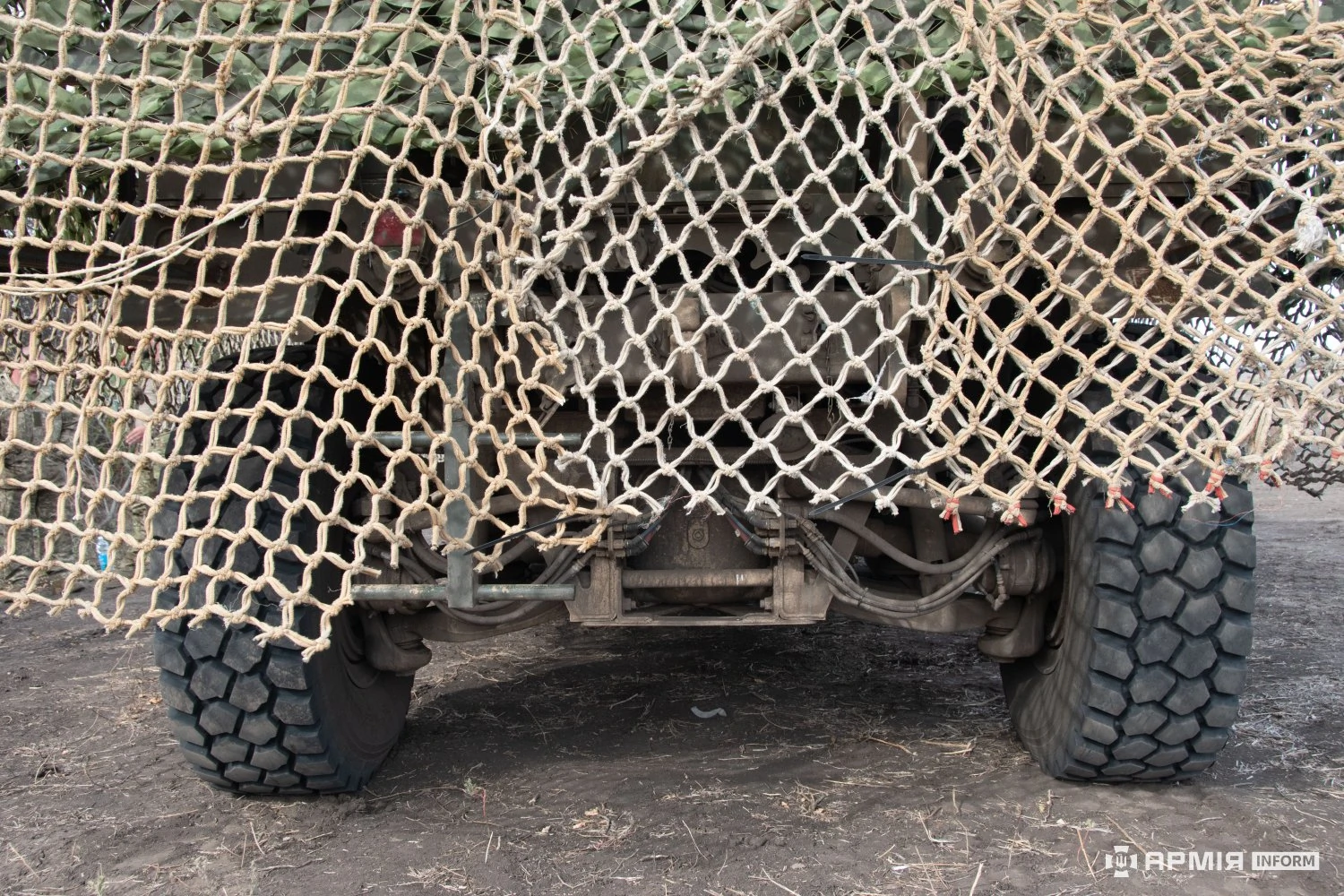
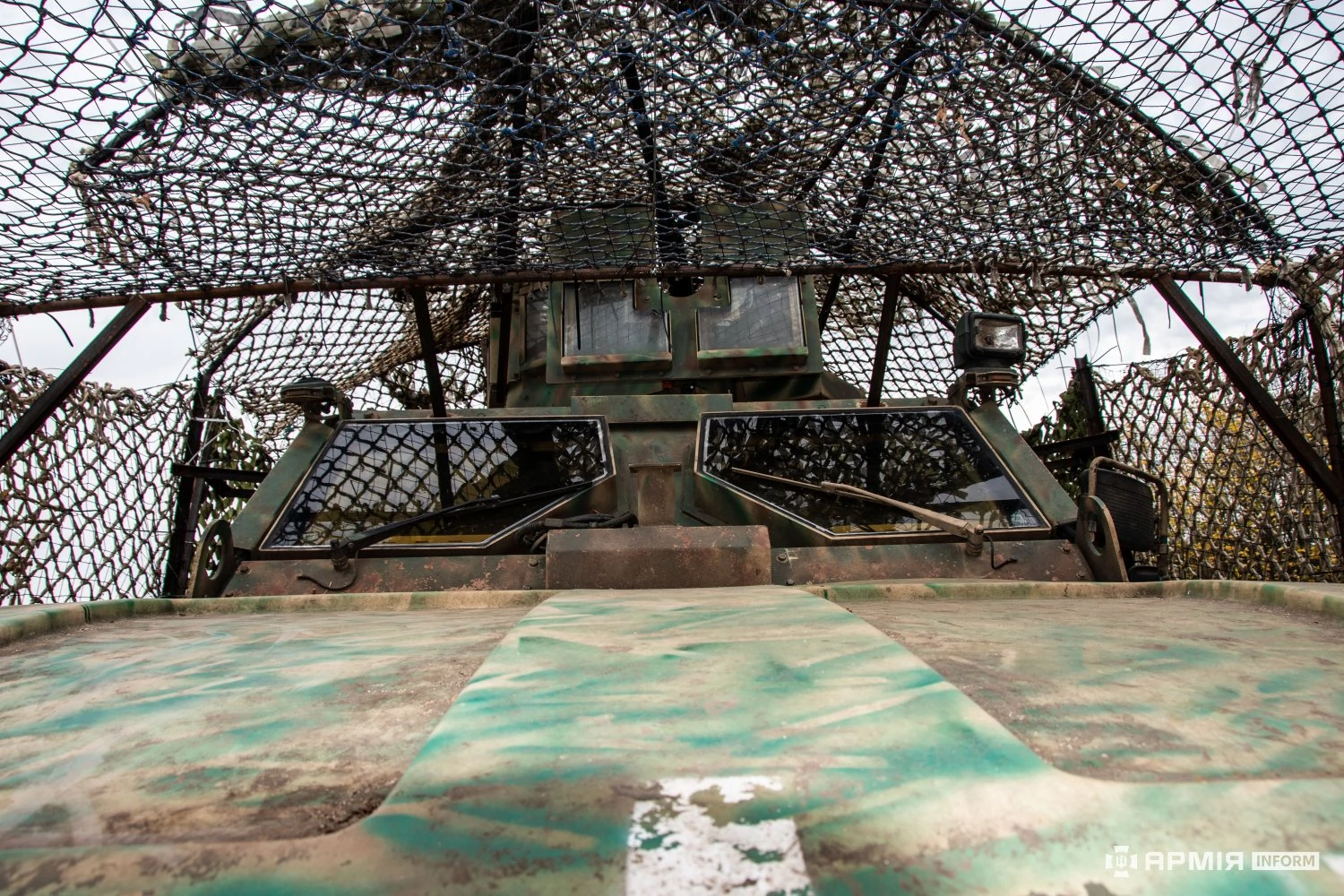
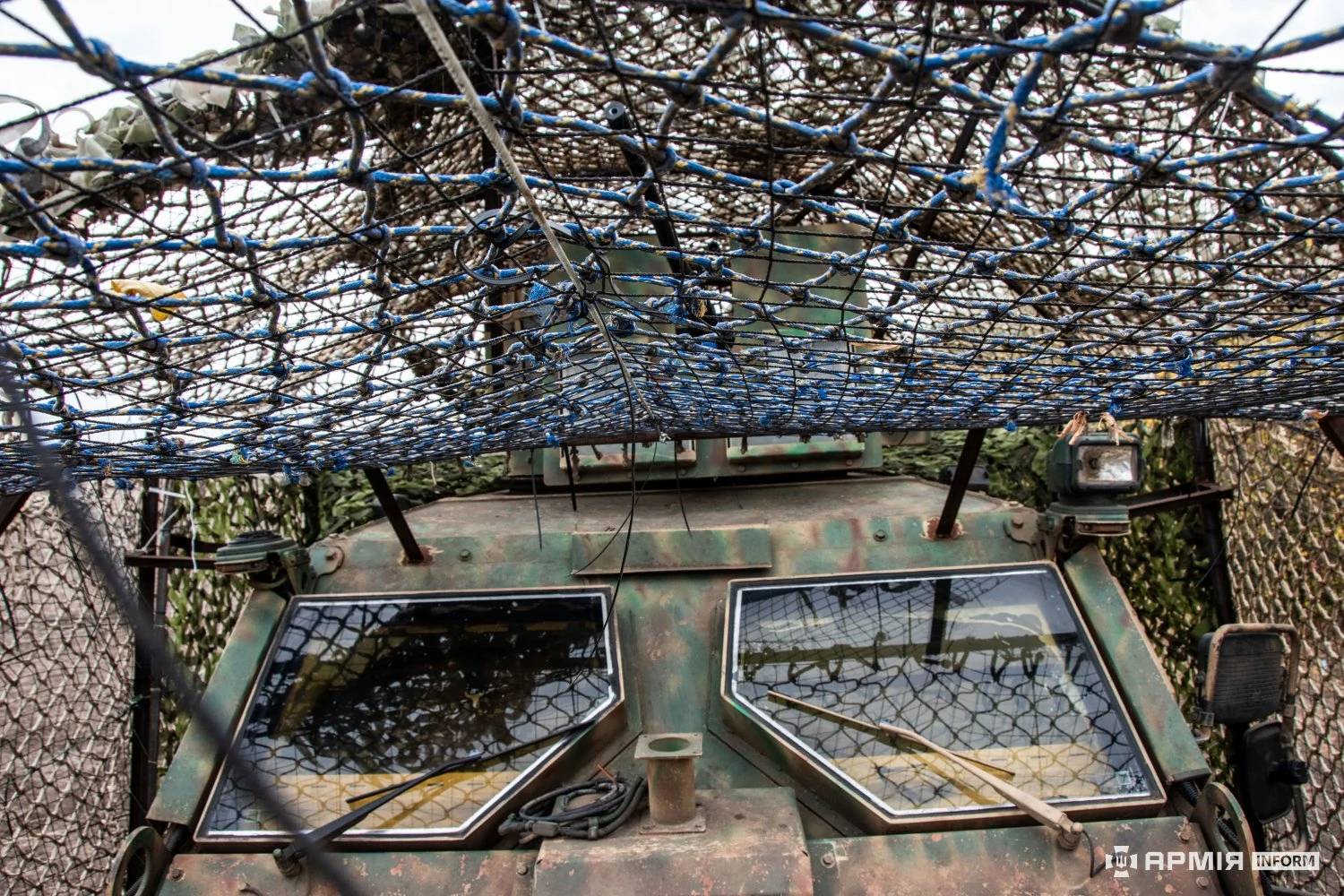
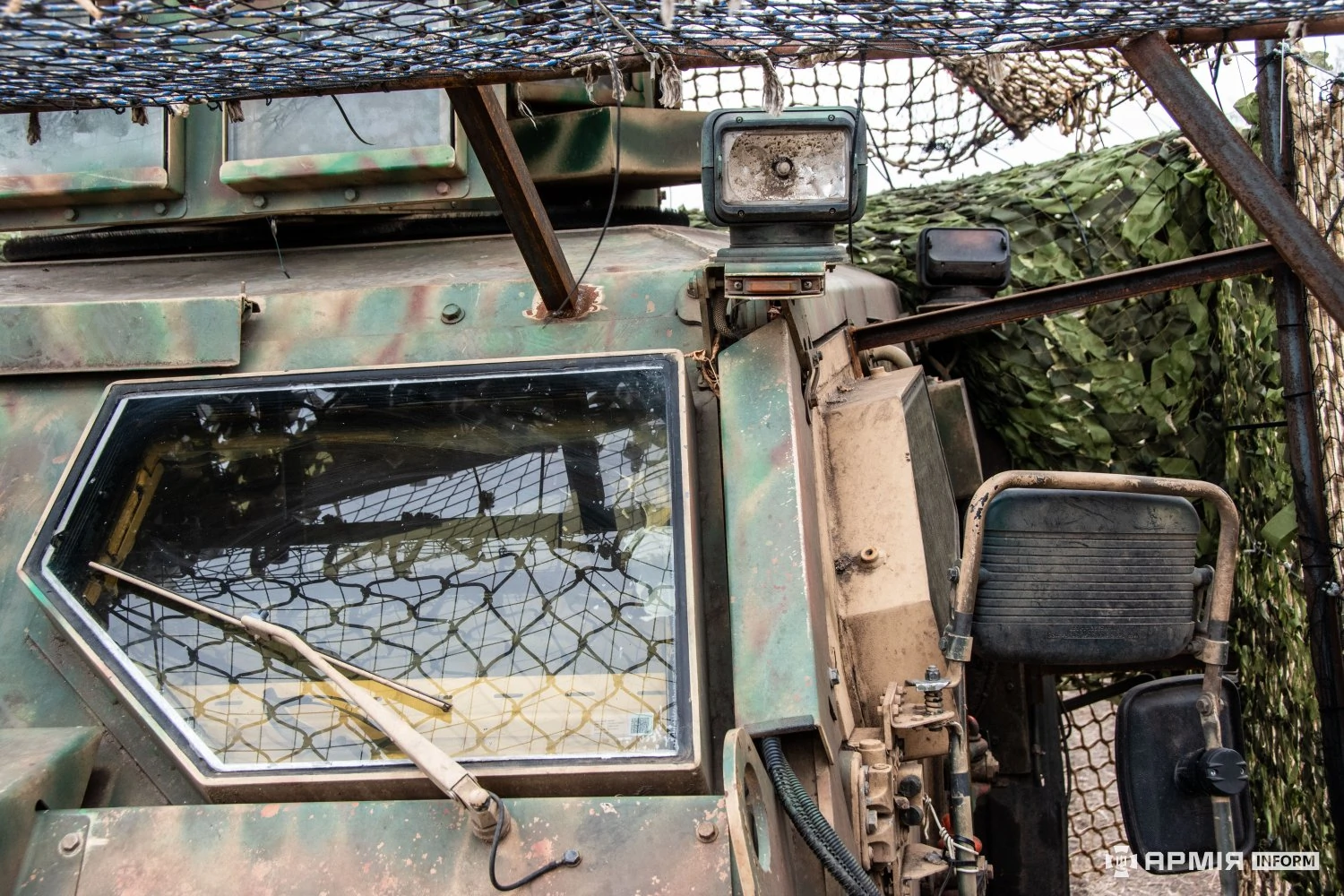
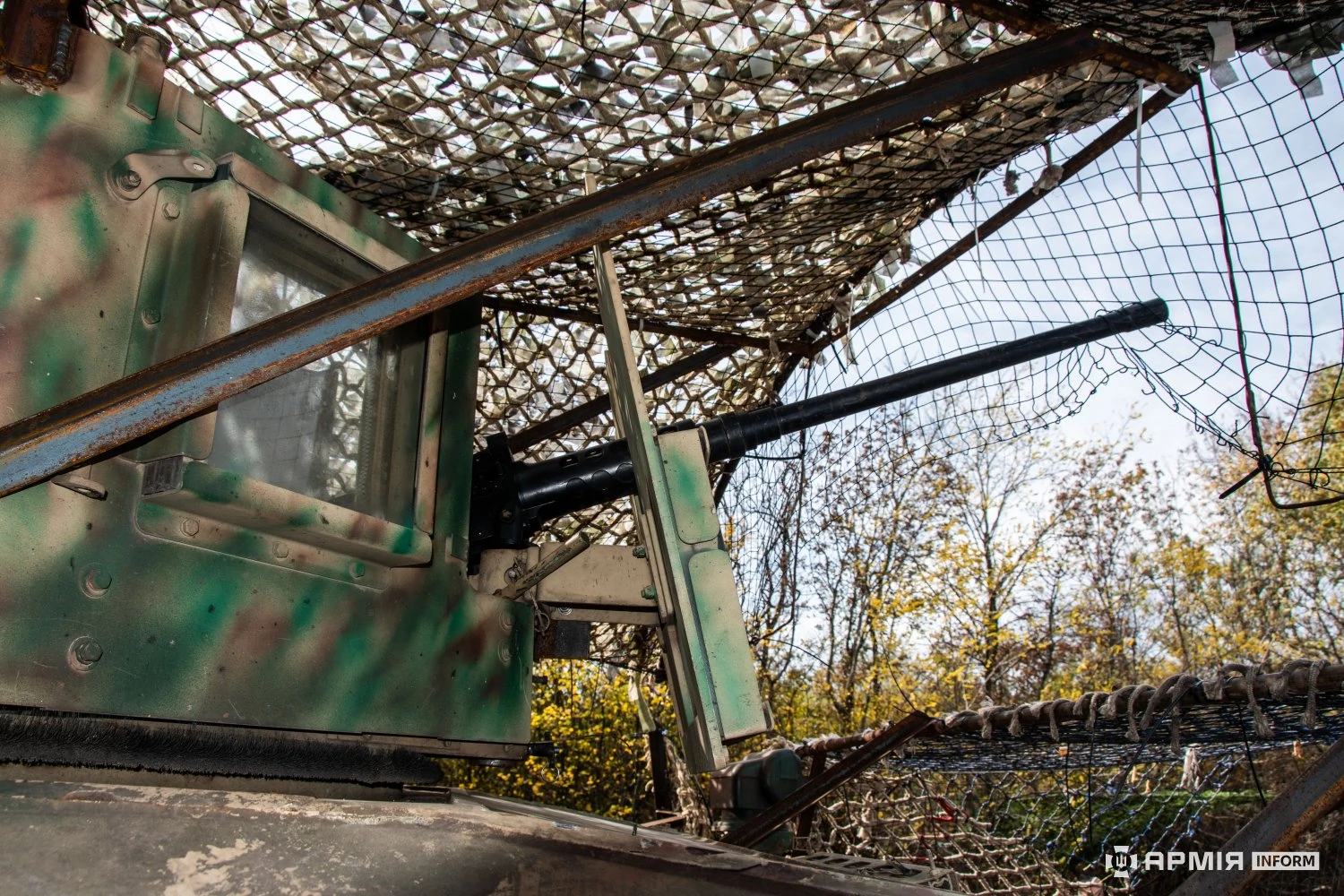
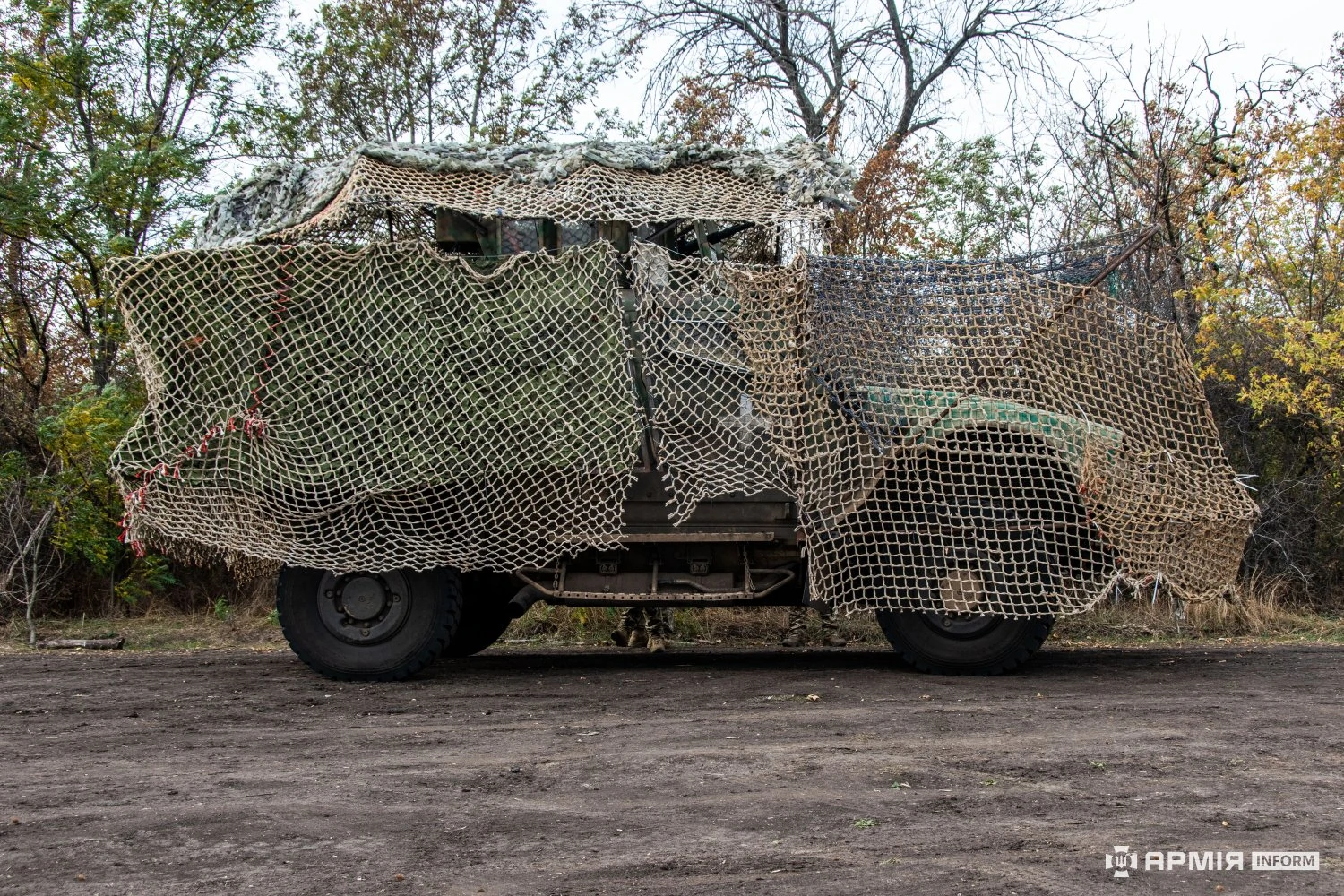
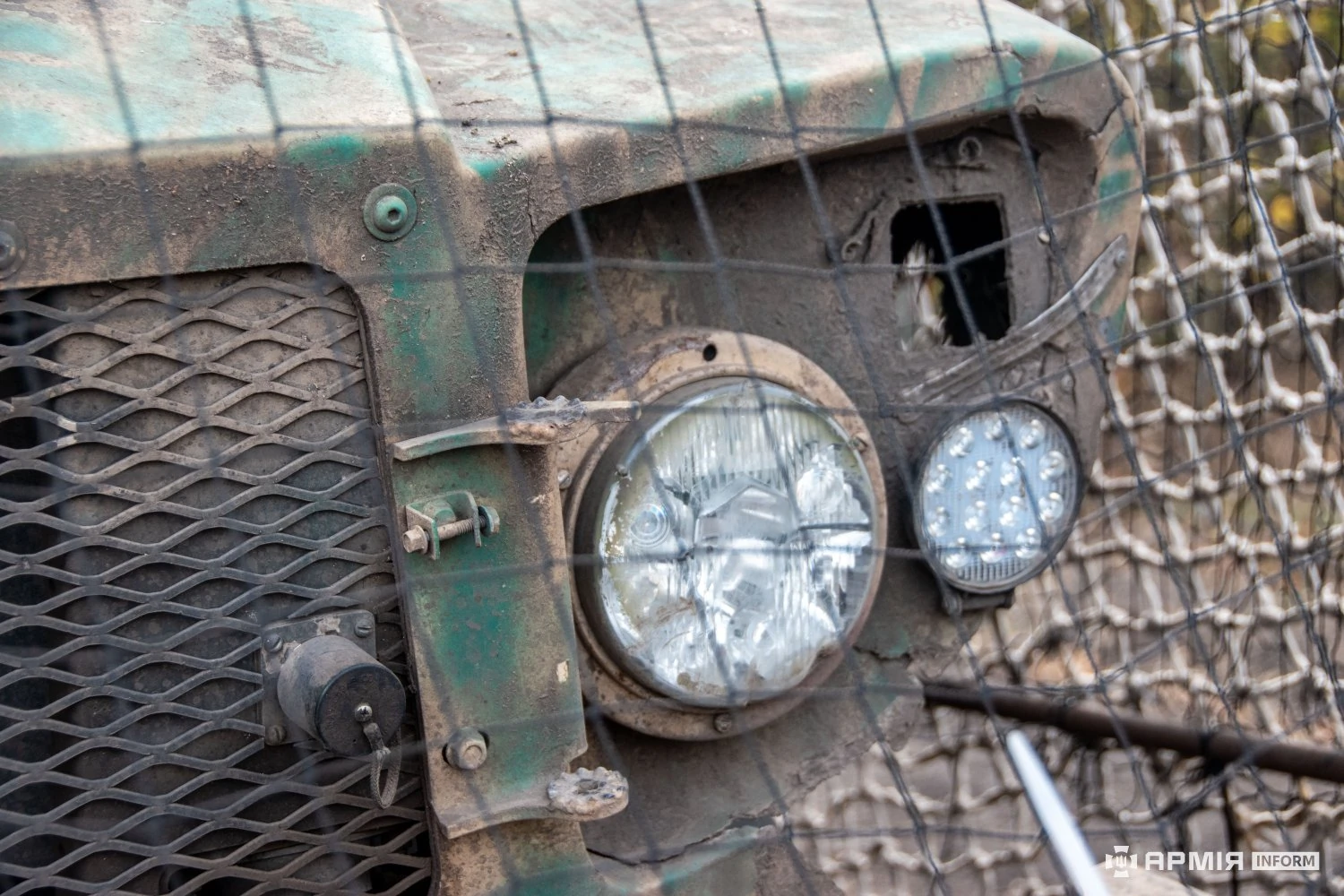
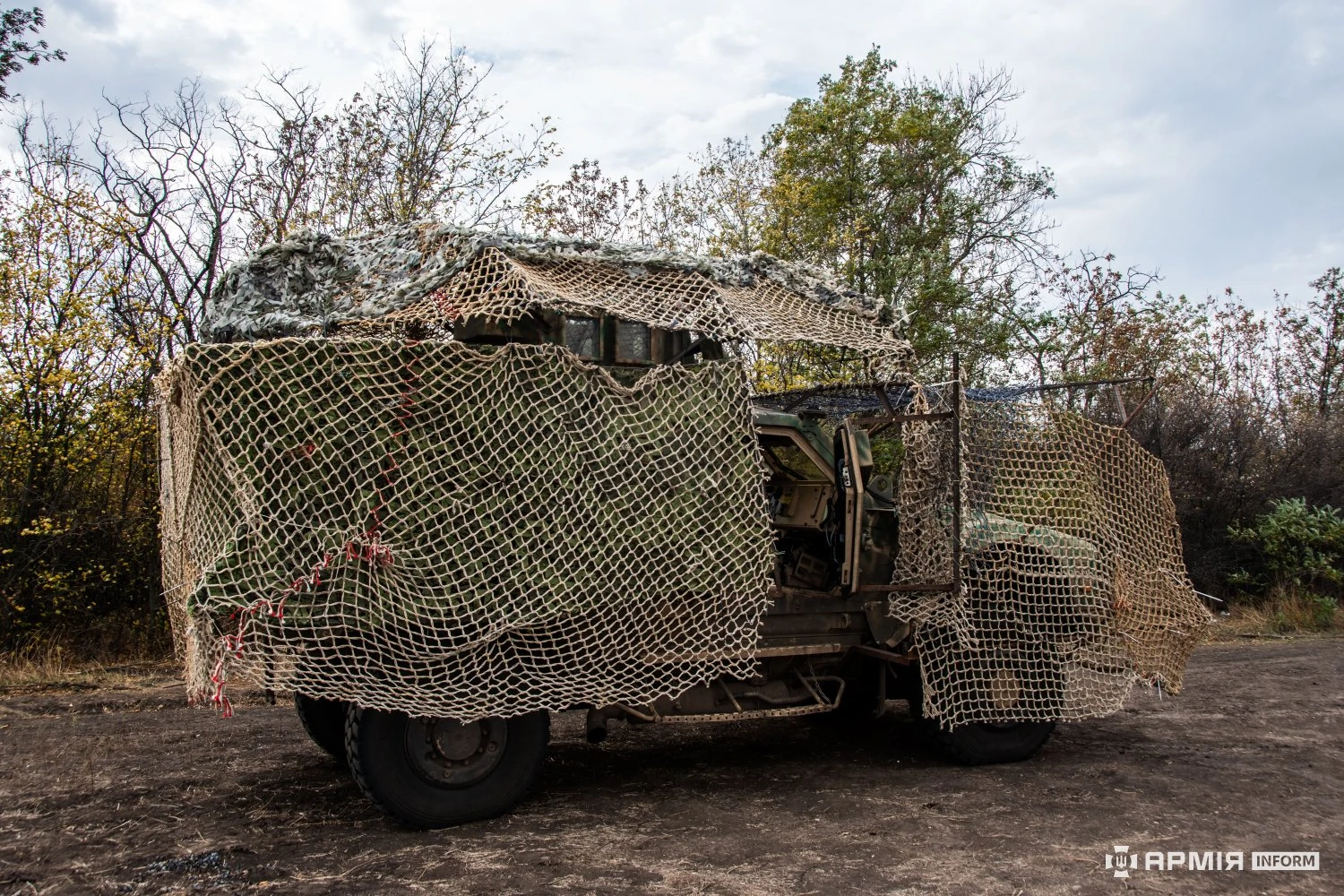
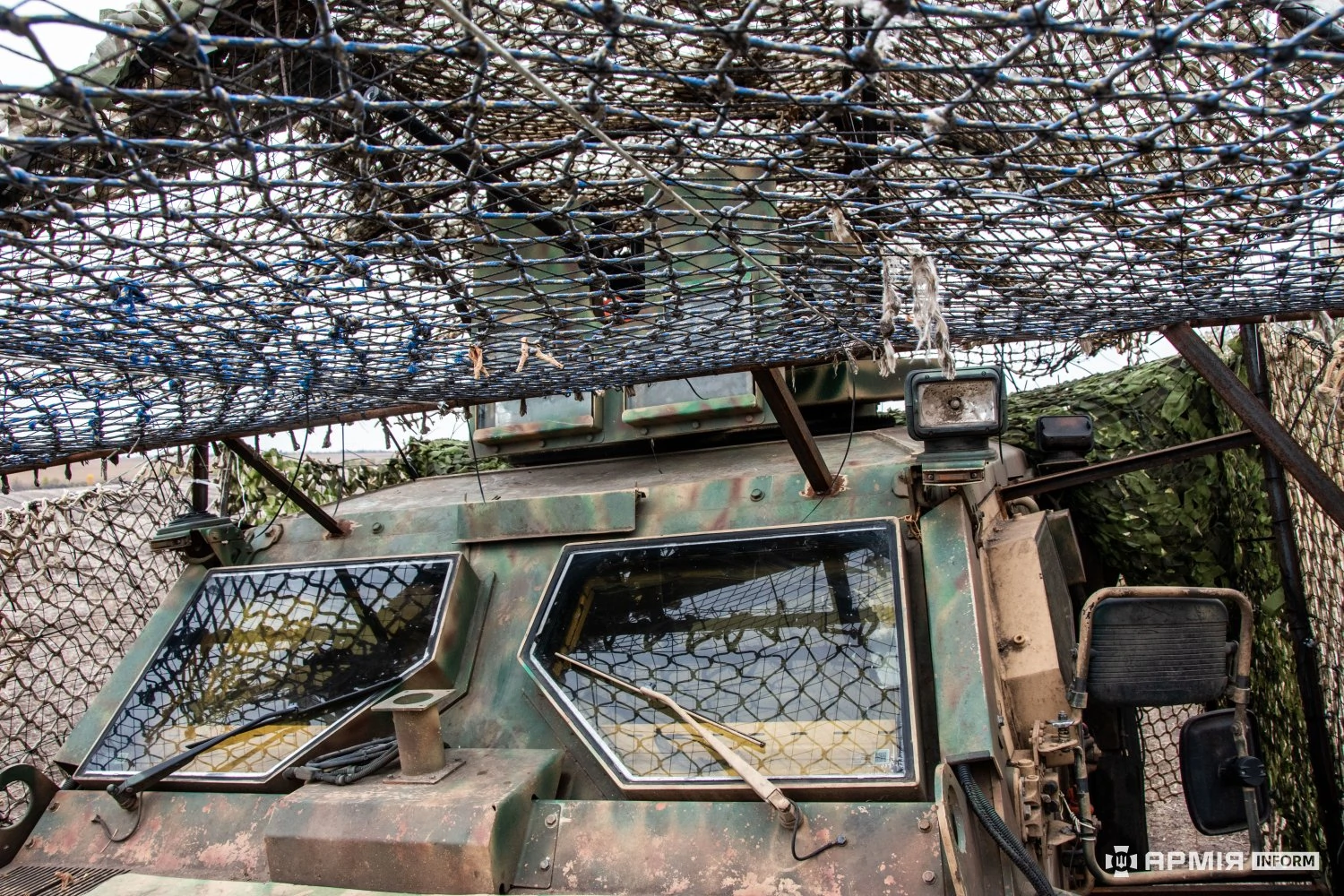
The crew and troops of the Oshkosh are reliably protected from enemy munitions not only by American composite armor with MRAP-level protection, but also by a local Ukrainian improvement — a coarse fishing net stretched over a frame mounted on the vehicle body.
“This vehicle, thanks to the capsule, generally withstands drones well — it’s not very afraid of them. Regular FPVs are not a problem. There was experience when FPVs hit, and overall you don’t even feel it much inside the vehicle. You just hear a small explosion — and that’s it, the vehicle keeps moving”, — says “Krava.”
The greatest threat to the crew and troops if an FPV drone first hits the net and then the armor is concussion. However, the use of active tactical headsets designed to protect hearing from explosions can prevent even this acoustic trauma.
“In this Oshkosh model, I wouldn’t say there are downsides. For its year — it was designed, I think, in 2008 — at that time it probably had no equal at all. Now technologies are moving forward, drones have appeared… But it holds up; it holds up to most things”, — “Krava” concludes his positive assessment of the Oshkosh APC.
Oshkosh — reliable everywhere
The Oshkoshes now in service with the 37th Separate Marine Brigade arrived in Ukraine after being used in desert terrain. Fighters assume it could have been Afghanistan or Iraq, where the U.S. armed forces conducted military operations.
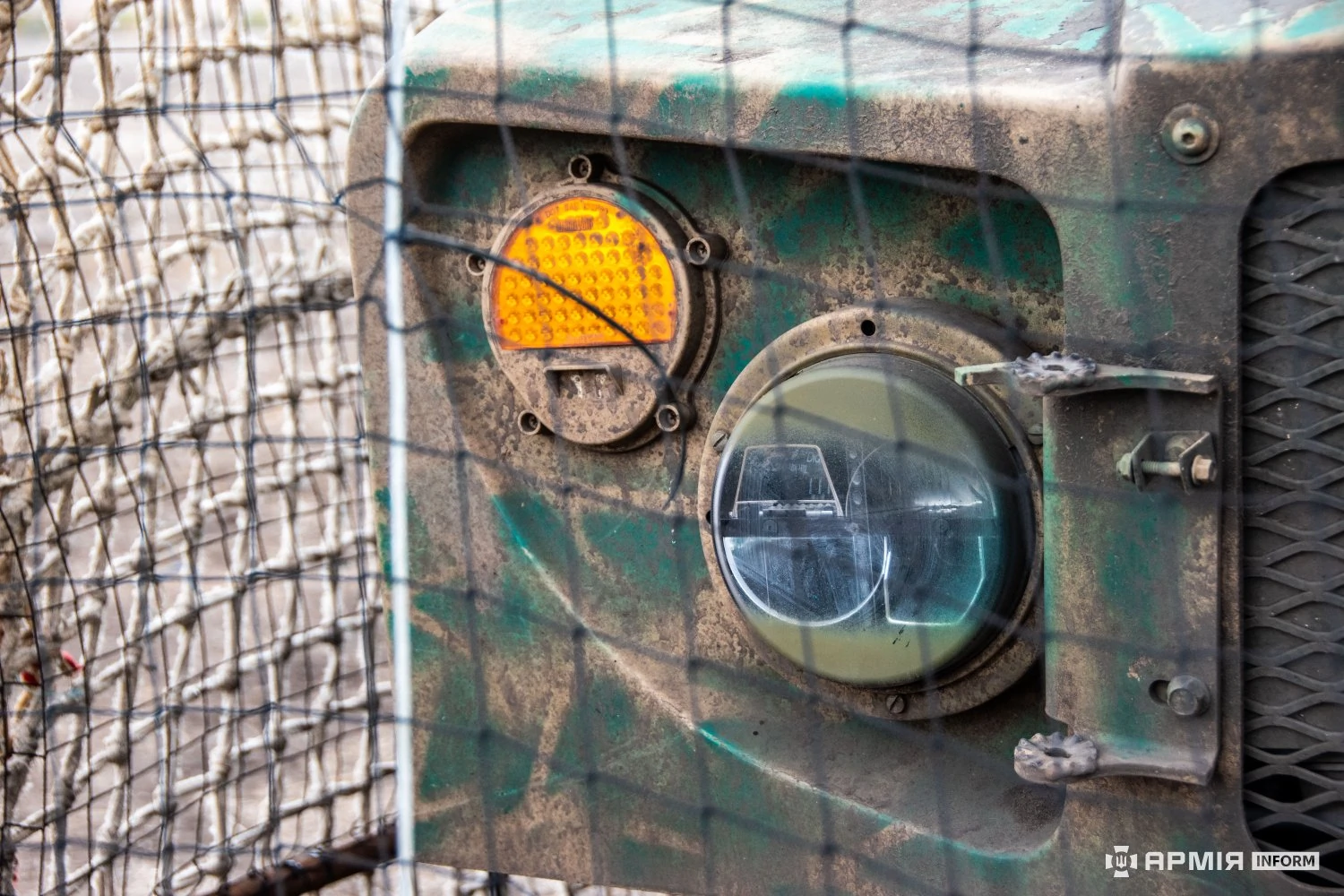
“When the Oshkoshes first arrived, they were still painted in ‘coyote’ color, and sand was literally pouring out of them — we found sand in the cabins and swept it out”, — smiles a marine with the call sign “Budulai”.
The sand was quickly removed, while the vehicles themselves were repainted and covered with nets as additional protection, confidently continuing service in Ukraine’s new climatic conditions.
As combat experience with Oshkosh APCs in the 37th Separate Marine Brigade has shown, these American armored vehicles traverse Ukraine’s muddy black soils, off-road bogs, and potholes of roads destroyed by heavy equipment just as confidently as the desert expanses of Eastern countries.

The enemy is attempting to develop the production of naval drones and copy successful Ukrainian practices — both technical solutions and tactics.
Fighting continues in the northern part of the city of Pokrovsk in the Pokrovsk direction. A mechanized assault was repelled there the day before.
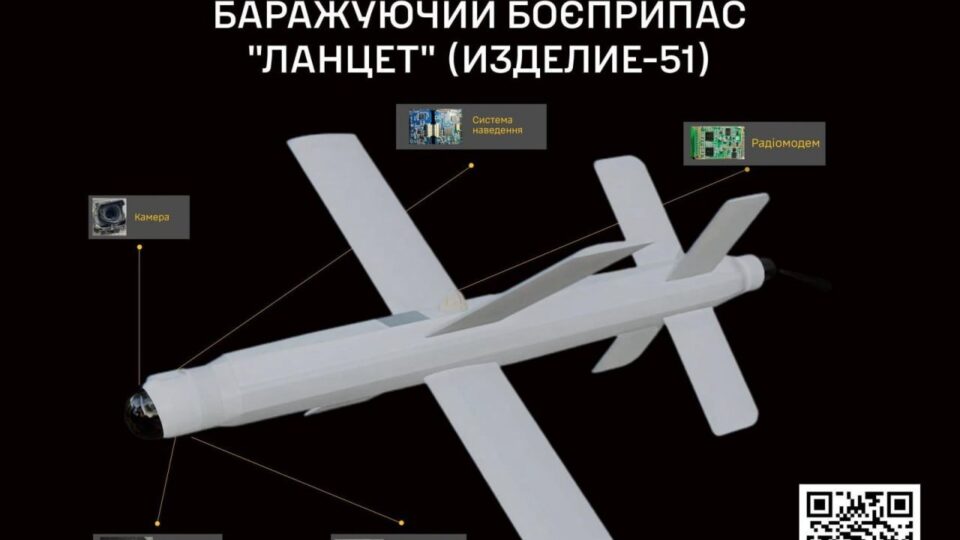
The Main Intelligence Directorate of the Ministry of Defense of Ukraine has published data on enterprises involved in the production of Russian loitering muniti

Another two-day round of negotiations between Ukraine and the United States concluded in Florida on March 22.
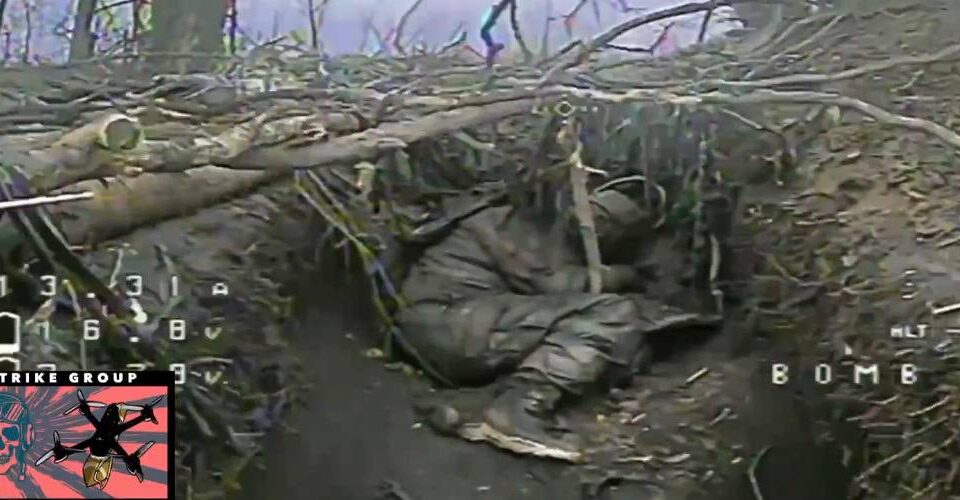
The enemy continues daily pressure and attempts to break through Ukrainian defenses in the Sloviansk direction.
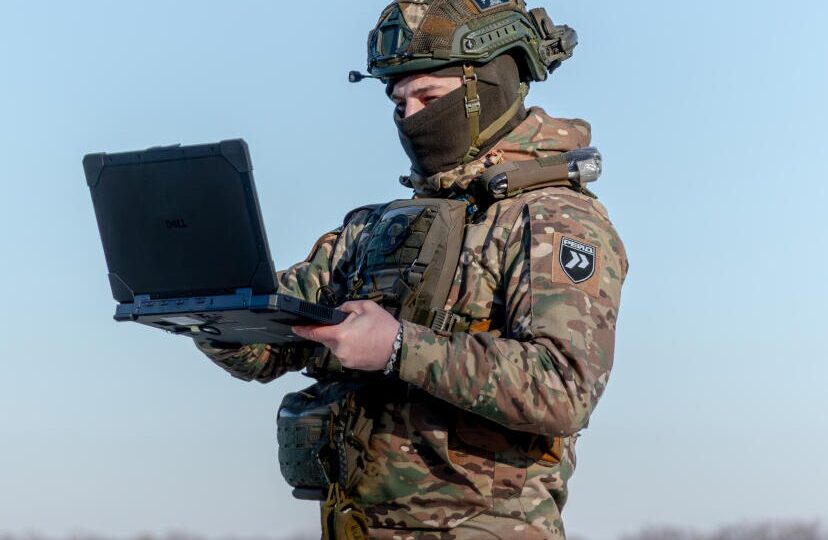
Over the past day, units of the Unmanned Systems Forces struck/destroyed 1,078 enemy targets.
The international delegation, headed by Ana Lucía Bueno, ICRC Public Health Coordinator, and Sujit Panda, Head of the Physical Rehabilitation…