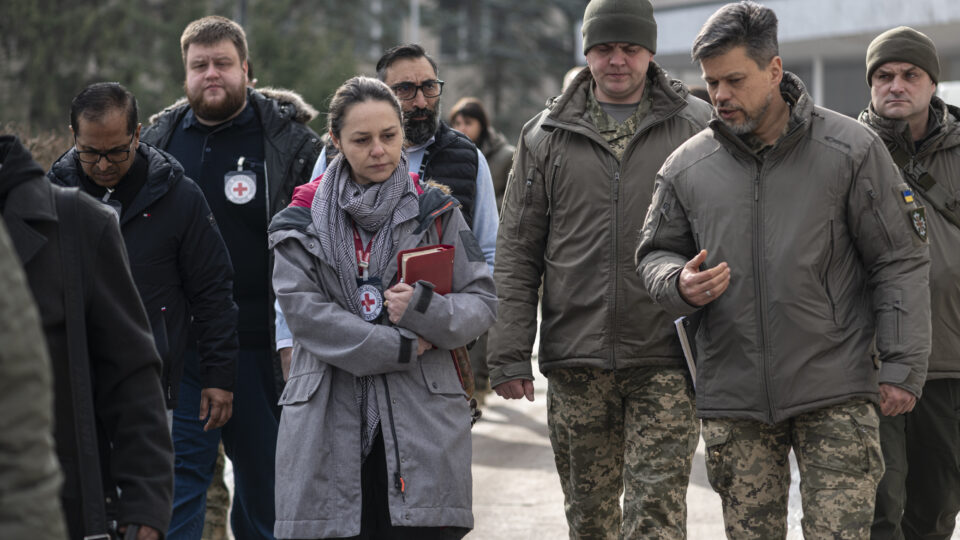
The international delegation, headed by Ana Lucía Bueno, ICRC Public Health Coordinator, and Sujit Panda, Head of the Physical Rehabilitation…

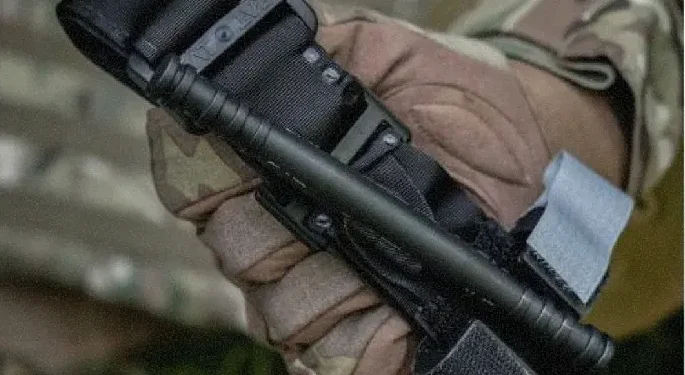
In modern warfare, the first minutes after an injury decide everything, and a properly equipped first aid kit and the ability to use it directly determine a soldier’s chances of survival.
This was stated on the air of Army FM by combat medic Oleksandr Bilenko of the 108th Separate Battalion “Da Vinci Wolves”, who explained what is included in a standard military first aid kit and why every serviceman must be able to provide first aid.
Path to the army and combat medicine
According to Oleksandr Bilenko, he joined the army at the end of 2023 through recruitment, realizing that he no longer had arguments to stay on the sidelines. Already in 2024, he became part of the “Da Vinci Wolves” battalion.
He had no medical education before service, but notes that effective training programs operate in Ukraine that allow combat medics to be trained from scratch. The decisive factors are motivation and readiness to work in combat conditions.
Work without a schedule and without counting the lives saved
Combat medicine has no clear work schedule. A day lasts as long as the situation at the front and evacuation capabilities allow. If there is an opportunity to evacuate the wounded, work continues without interruption; if not, time is devoted to self-training.
The medic does not count exactly how many people he has helped — it is dozens, and possibly hundreds of soldiers, both with severe and minor injuries.
NATO standard and Ukrainian requirements
Oleksandr Bilenko emphasizes that there is an international standard for first aid kit configuration — JFAK (Joint First Aid Kit) — used in NATO countries. Ukraine has a similar standard approved by Order of the Ministry of Defense No. 506. In terms of contents, these kits are almost identical.
He warns against arbitrarily changing the contents of the standard kit — it is standardized and contains everything necessary to save lives.
What must be in the first aid kit
The key focus is stopping massive bleeding, as it is the main cause of death on the battlefield. A standard first aid kit must include:
The combat medic emphasizes that every serviceman must be able to use a first aid kit. Units often operate in small groups, and a medic may not be nearby. In such conditions, responsibility for first aid lies with fellow soldiers or the wounded person themselves.
Where to carry the first aid kit and how it is replenished
The optimal place for the first aid kit is the front of the body armor so that it can be accessed even with one hand. It is important that all kits in the unit are located in the same place — this speeds up assistance.
Replenishment of used supplies is the responsibility of the unit’s combat medic. After completing a mission, a soldier must report the use of contents, after which the kit is either replenished or replaced.
Skills are more important than the kit itself
Even the best first aid kit will not save a life without practice. Oleksandr Bilenko emphasizes that first aid skills must be constantly trained, because in stressful situations only what has been brought to automatism works.
According to him, this is exactly the difference between a chance to survive and a fatal mistake on the battlefield.

The enemy is attempting to develop the production of naval drones and copy successful Ukrainian practices — both technical solutions and tactics.
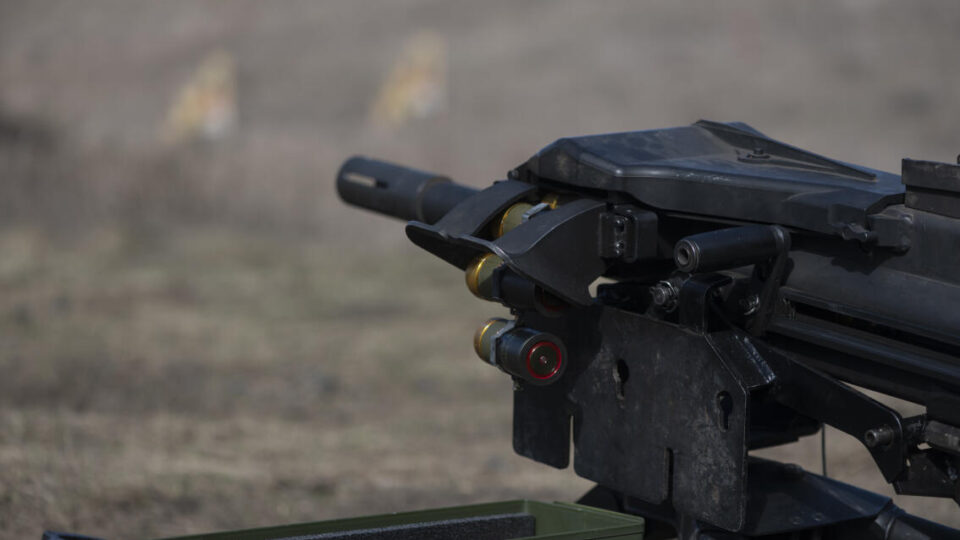
Fighting continues in the northern part of the city of Pokrovsk in the Pokrovsk direction. A mechanized assault was repelled there the day before.
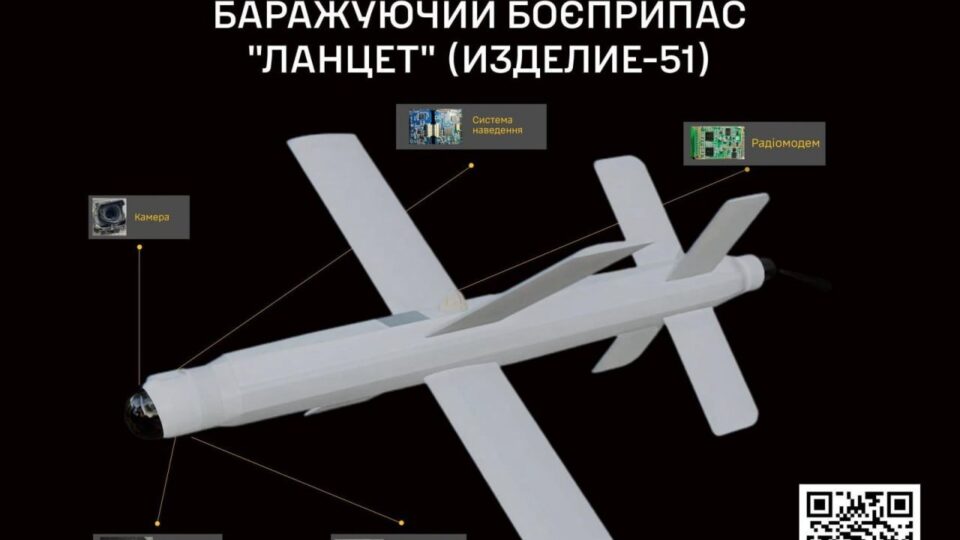
The Main Intelligence Directorate of the Ministry of Defense of Ukraine has published data on enterprises involved in the production of Russian loitering muniti

Another two-day round of negotiations between Ukraine and the United States concluded in Florida on March 22.
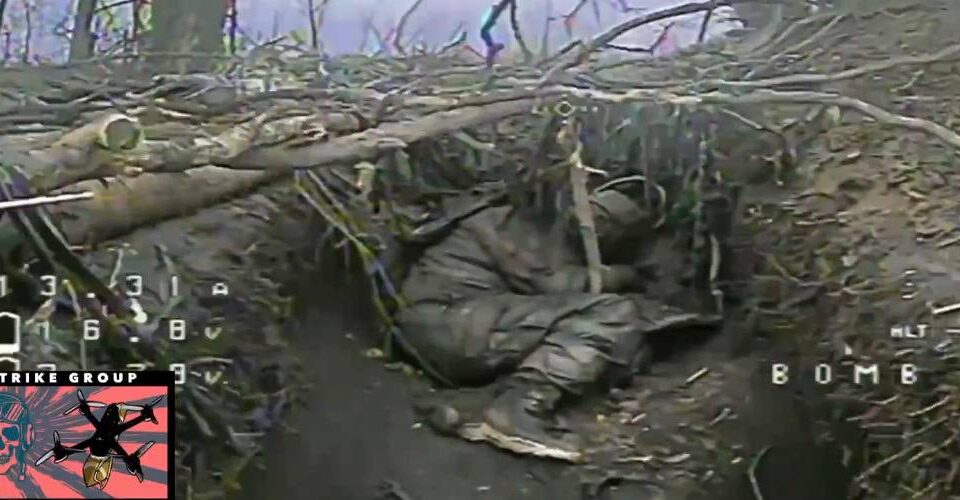
The enemy continues daily pressure and attempts to break through Ukrainian defenses in the Sloviansk direction.
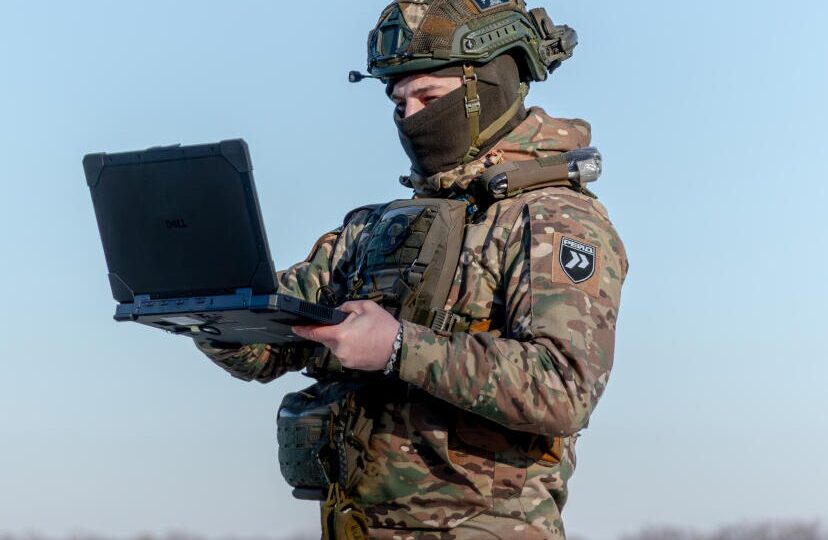
Over the past day, units of the Unmanned Systems Forces struck/destroyed 1,078 enemy targets.
The international delegation, headed by Ana Lucía Bueno, ICRC Public Health Coordinator, and Sujit Panda, Head of the Physical Rehabilitation…