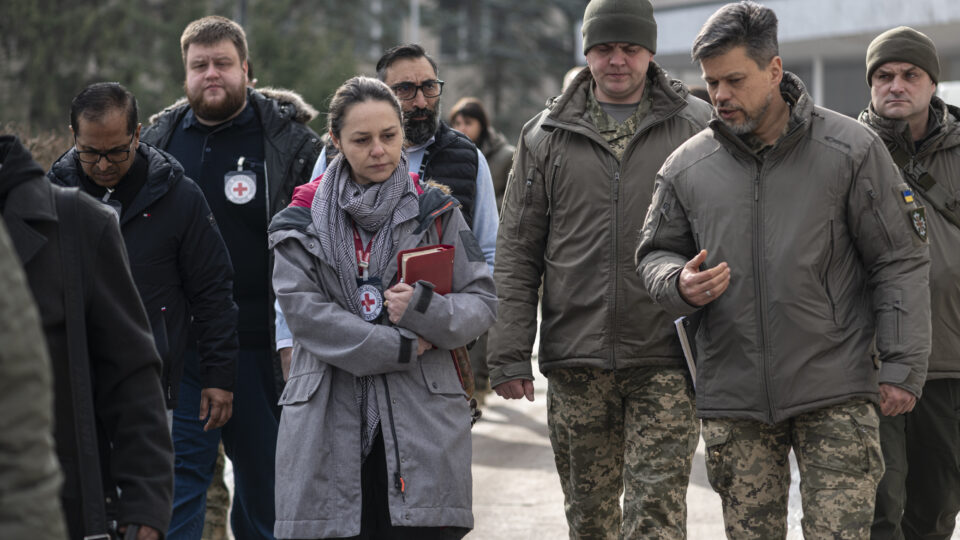
The international delegation, headed by Ana Lucía Bueno, ICRC Public Health Coordinator, and Sujit Panda, Head of the Physical Rehabilitation…

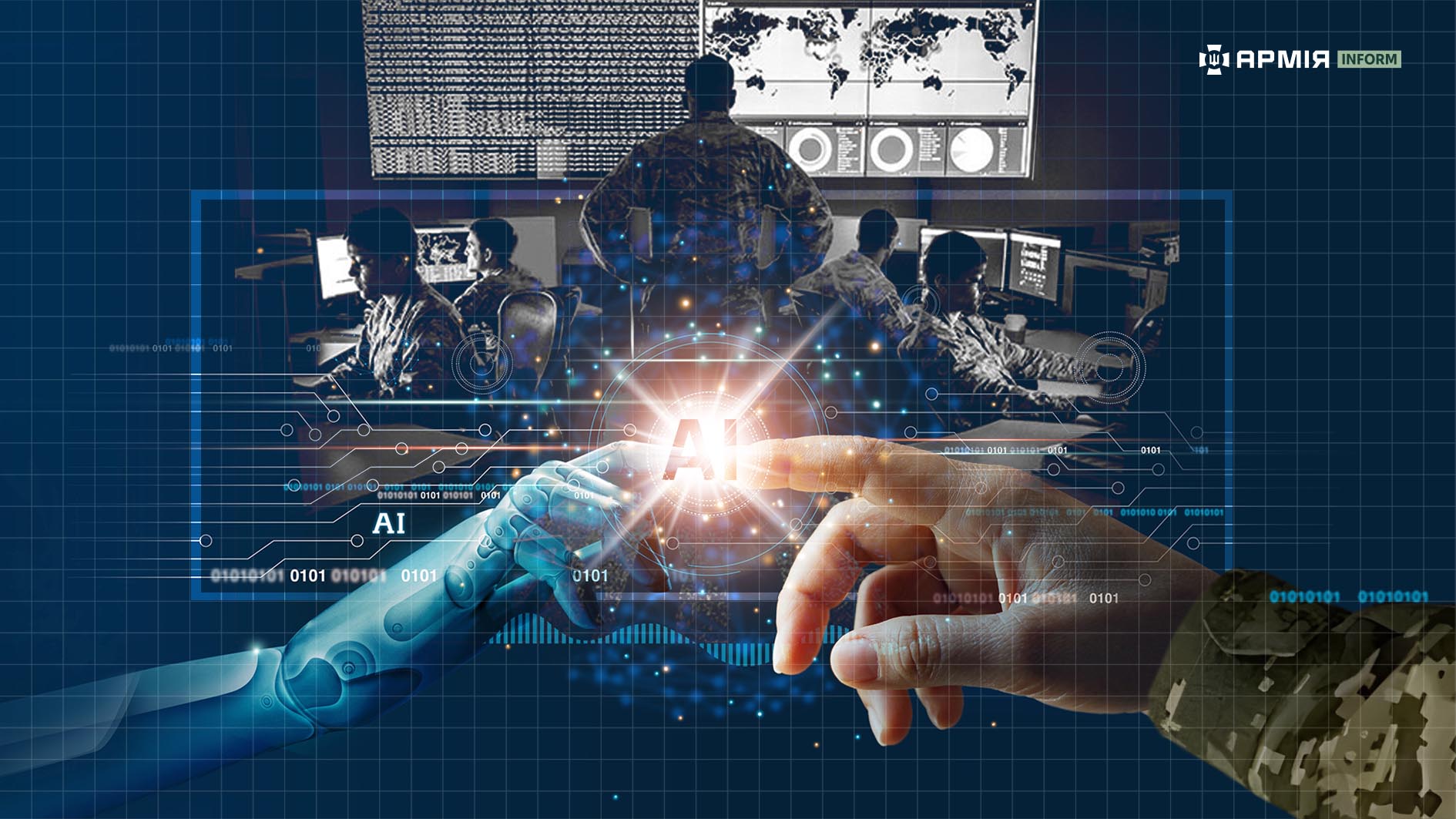
Artificial intelligence has ceased to be merely an automation tool — today it is becoming a full-fledged participant in planning and command-and-control processes in modern armies.
This primarily concerns the work of headquarters, where the speed of analysis, accuracy of forecasts, and the ability to promptly generate proposals and process information from various sources determine the success of operations.
About how AI is changing approaches to decision-making, what opportunities it opens for analytics, and why “machine” thinking is already influencing tactics and strategy, we speak with Bohdan Dolintse, PhD in Technical Sciences, expert on the development of weapons and advanced technologies.
— So, Mr. Bohdan, in your opinion, how is artificial intelligence being integrated today into military headquarters and operational centers? How does an “AI-augmented headquarters” differ from a classical operational center?
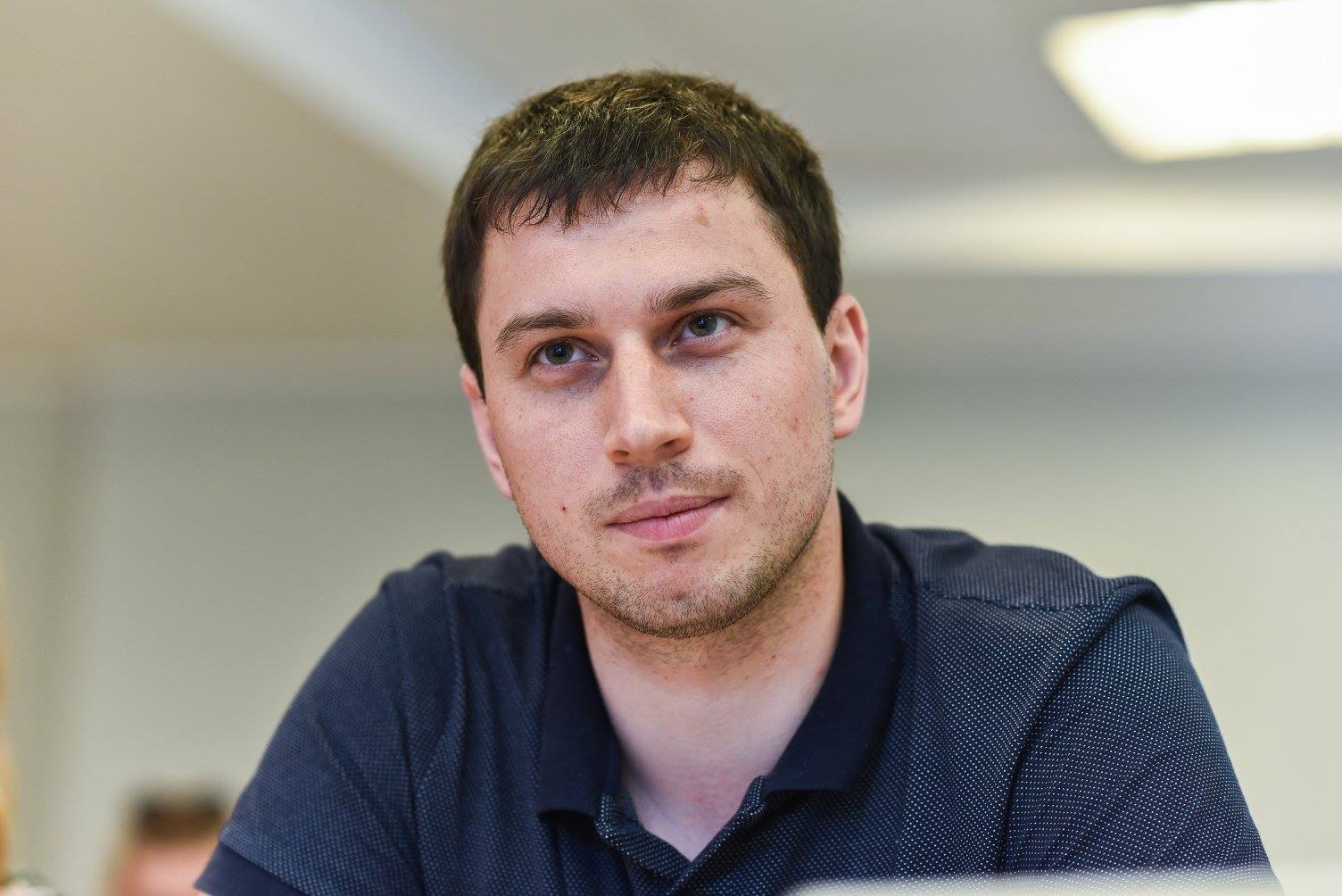
— Headquarters work is essentially based on the coordinated efforts of a certain group of military specialists. The processes that exist within this ecosystem are necessary for collecting information, conducting analysis, planning missions, and making appropriate decisions for their practical combat implementation — both when dealing with new tasks and in the event of changes or developments already unfolding on the battlefield.
When we speak about a headquarters that uses artificial intelligence or is enhanced by machine “intelligence”, the defining factors still remain the human element, established processes, and relevant procedures. However, additional automated systems appear: channels for data collection and post-processing, analytical modules. This includes the possible use of operational-space models — so-called “digital twins”, which you and I discussed in a previous interview for your agency.
There are also certain tools for rapidly generating variants of possible proposals. This involves the preparation of preliminary technical tasks that make it possible to foresee potential maneuver options and accelerate decision-making directly at headquarters regarding specific processes or battlefield situations.
Essentially, these are automated systems with their own algorithms that allow for processing large volumes of data and filtering them — in particular, ranking intelligence information by relevance, timeliness, and weighting factors.

And to propose a potential option by providing commanders and analysts with a pre-prepared decision package, which significantly speeds up decision-making and, accordingly, the response to events on the battlefield.
— In your opinion, how important is the function of automated analysis of huge data volumes — so-called Big Data — coming from the battlefield via intelligence, sensors, and drones? And how does AI cope with this task?
— Military conflicts of the last decade have shown that the amount of data obtained directly from the battlefield is growing exponentially. The volume of information that can be collected there is already far greater than the number of military personnel involved in the respective combat operations.
As a result, information becomes so abundant that it is practically impossible for individual analysts or even entire groups of headquarters specialists to analyze this entire data set quickly and effectively enough to form conclusions for subsequent managerial decisions and their implementation on the battlefield.
A human simply cannot filter and adequately assess this information at the required pace. And here, of course, artificial intelligence becomes a link in automation that allows for data aggregation, contextualization, clustering of events according to defined algorithms and data structures.
This also includes anomaly detection in data, its automatic tagging and prioritization, which in fact allows analysts not to examine all incoming data but instead to see an aggregated, broad-strokes picture.
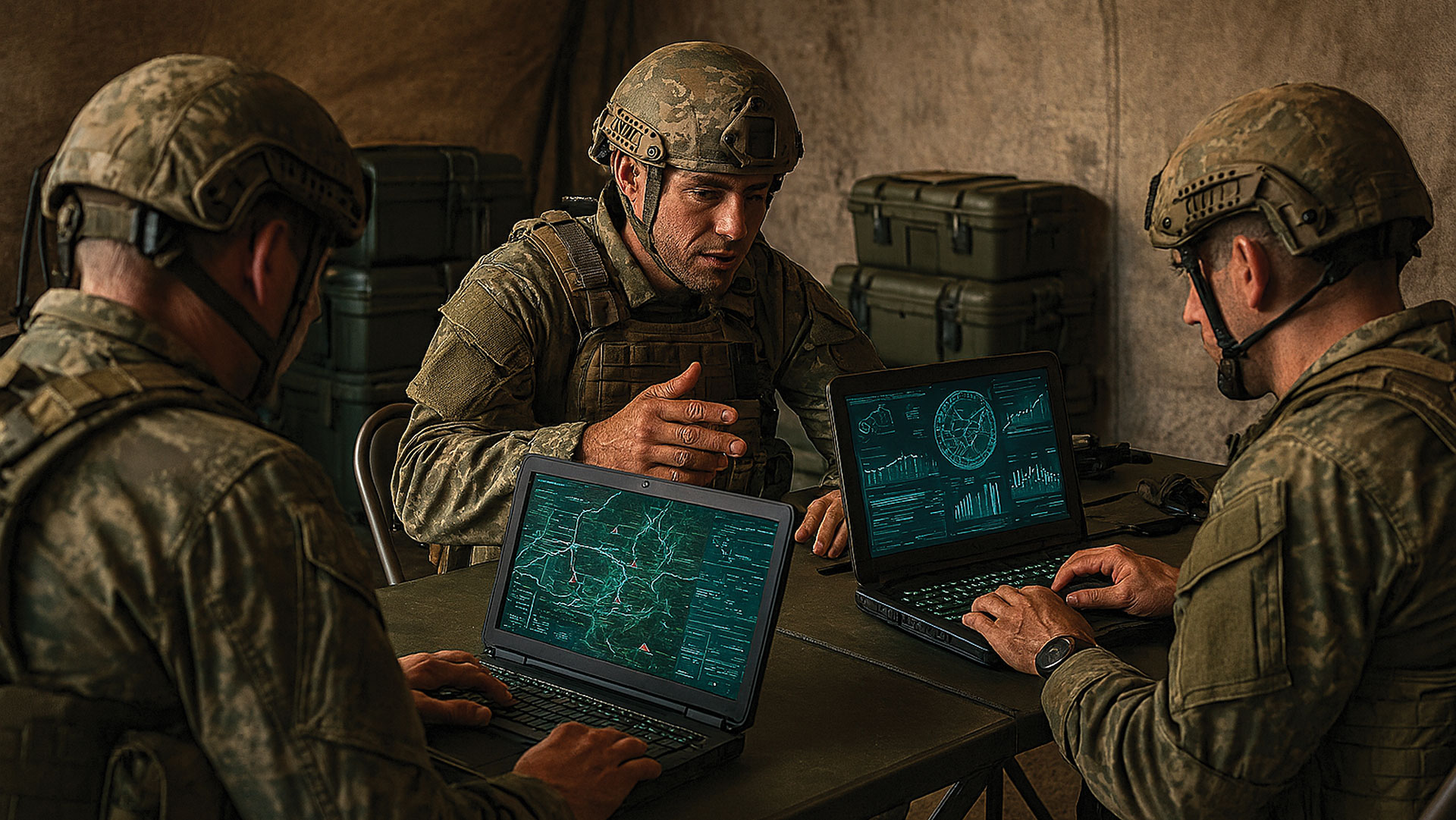
And in a prioritized manner, with regard to certain critical points, to involve the relevant specialists not to analyze the entire data array, but specific cases — and to understand almost in real time how quickly the situation on the battlefield is changing.
— What is “decision support” provided by AI? Is it merely information sorting, or does the program propose concrete tactical steps?
— If we talk about the decision-making process, there is a whole spectrum of such systems. They are still evolving and are at a relatively early stage of development. There are, of course, basic configurations that allow for automatic sorting and visualization of data, which helps a commander make decisions.
And there are more advanced tools that allow for preliminary evaluation of options, simulation or modeling of a particular state of affairs on the battlefield, as well as the development and proposal of certain action plans or measures, taking into account assessments of their effectiveness and risks.
This is a fairly new direction, and it is only developing. The military commander nevertheless remains the responsible person. Therefore, the final word always belongs to the human.
This can be compared to artificial intelligence replacing, in a real headquarters, a kind of advisory body that could include a dozen of the world’s most outstanding military commanders — or theorists of war, such as the eminent Prussian general Carl von Clausewitz. One can imagine the effect such a tool could produce.
Conditionally speaking, you can work through a certain action scenario, submit it to this collective command intelligence — and it will give you comments, answers, or advice from three to four outstanding commanders or military theorists. And then you decide which specific scenario to choose.
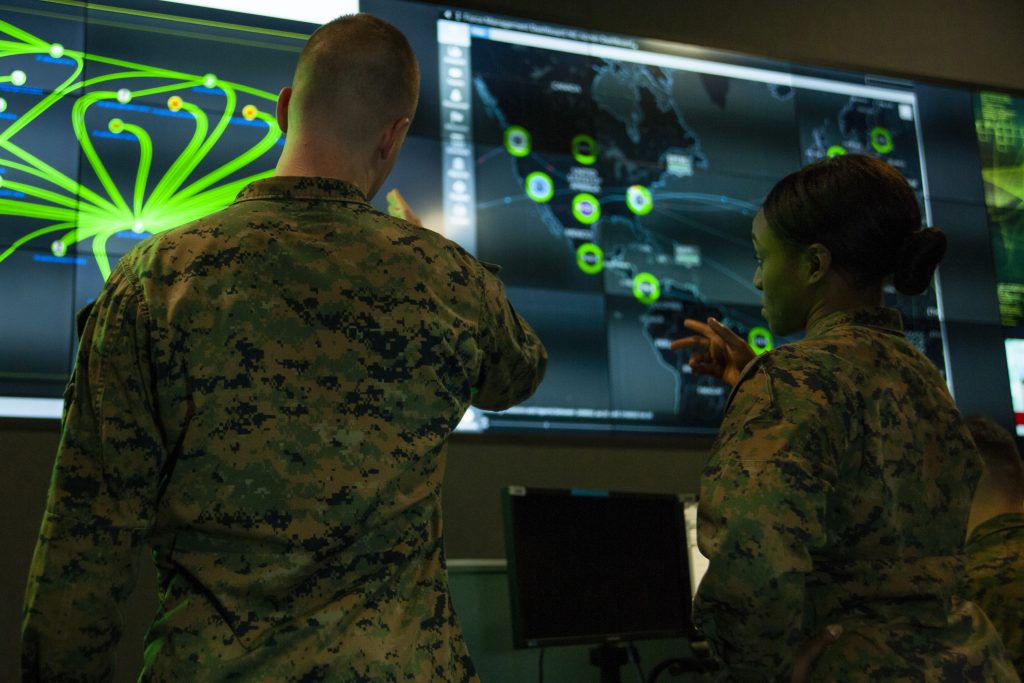
— Analysts talk a lot about modeling battle scenarios. How exactly does AI create and evaluate different variants of developments on the battlefield? Can it predict the enemy’s actions?
— Artificial intelligence can work both with collected data and with so-called archival file information — that is, based on previously studied simulation models, statistical data, or agent-based simulations. These allow for forecasting the actions or decisions of certain enemy groupings.
Secondly, they make it possible to form potential reaction scenarios and possible measures or actions of the opposing side, thus allowing the selection of the best tactics — including avoiding high-risk strategies that could lead to significant losses or negative consequences on the battlefield.
— Given all of the above, in your opinion, how is the balance ensured between the speed of AI decision-making and the need for critical analysis by command? Where does the line of responsibility lie?
— We must understand that as of today, artificial intelligence does not provide absolute answers. It can perform certain automation and handle routine tasks, but the preparation and adoption of decisions always remain with the human.
Secondly, the use of such information systems presupposes that, architecturally, a human always remains a kind of chief arbiter when sanctioning further actions, regardless of what data the machine or artificial intelligence has generated.
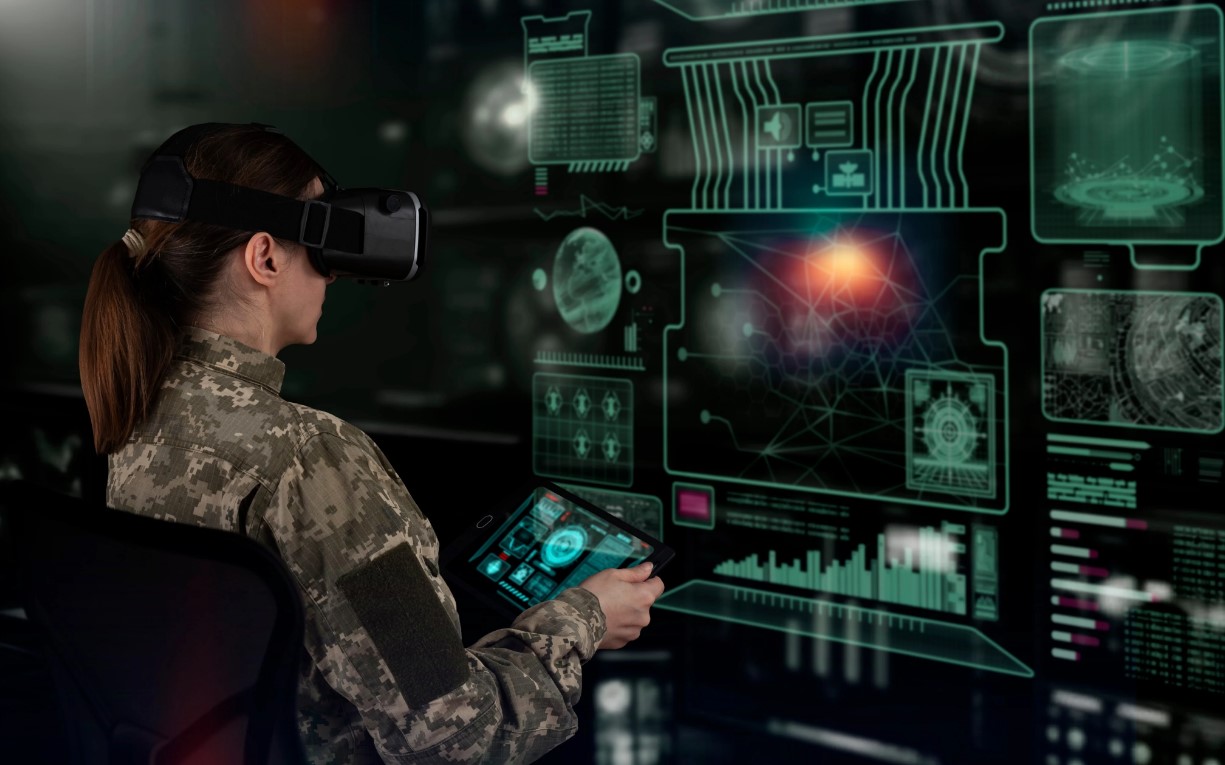
At the same time, it is worth remembering that existing specialized systems still have significant limitations. These are most acutely manifested when making tactical or ethical decisions — for example, regarding the use of powerful means of destruction due to civilian risks. As a rule, existing models are not capable of adequately assessing such conditions at a sufficient level.
Moreover, there is always a legal framework that determines that the human commander is responsible for any decisions — regardless of whether those decisions were made using elements of artificial intelligence or without them.
— What are the main challenges and risks posed by the widespread introduction of AI in headquarters — for example, cybersecurity, algorithmic errors, dependence on technology?
— In most cases, cybersecurity and the vulnerability of such systems to external manipulation of data or models come first.
Secondly, their effectiveness and quality of operation depend on the timely and complete information fed into such systems. And these complexes, just like humans, can be misled by providing so-called “poisoned” or substituted data.
The third important component is the issue of trust. The current level of development of artificial intelligence software has a certain element and percentage of unpredictability and opacity. This can lead to situations where commanders are not always able to understand the logic of the model — how exactly it makes decisions.
This, in turn, undermines internal trust in the generated decisions, which may result in a lower level of use of these systems, including decision-making based on their outputs.
— Finally, what prospects do you see for the application of such technical solutions by Ukraine’s security and defense forces? To what extent are the Armed Forces of Ukraine already integrating or only planning to apply such machine-based programs?
— These solutions are at a stage of active, progressive growth. And, of course, with a high degree of probability, certain elements of these systems are being implemented in real battle conditions and in combat units of Ukraine’s Defense Forces.
However, this information remains undisclosed so that the enemy cannot exploit the experience, advantages, and developments that have already been implemented both by us and by our Western partners.
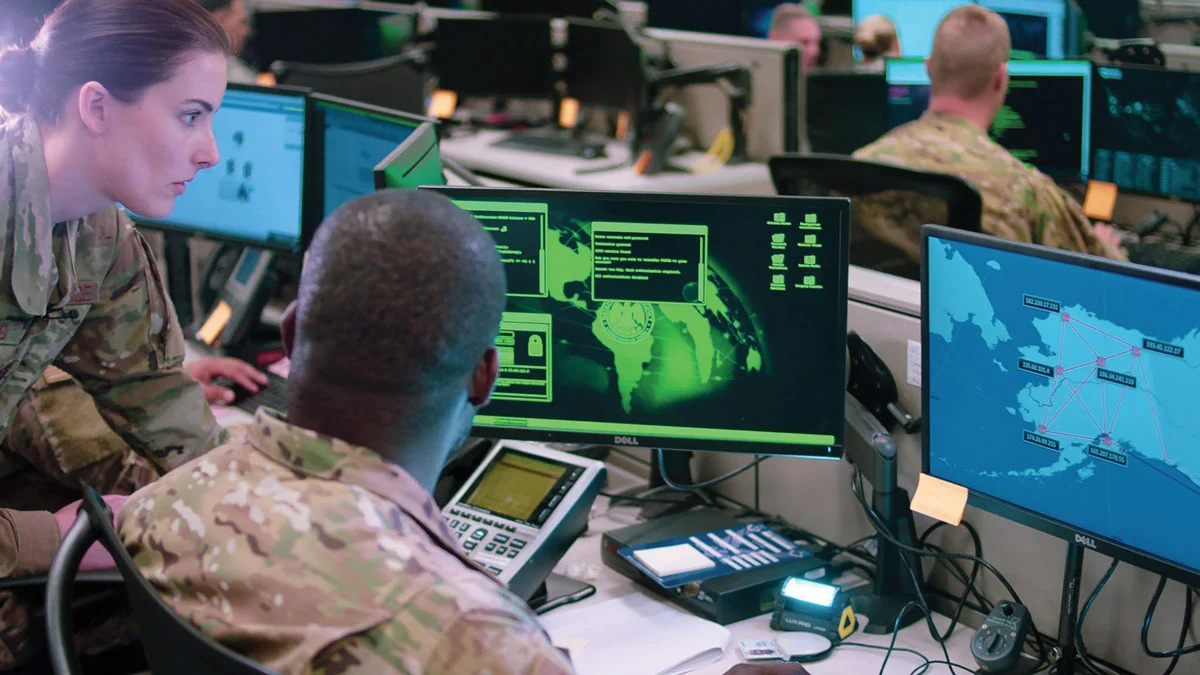
Secondly, we must understand that the modern battlefield — including in Ukraine — is already so saturated with various sensors, detectors, drones, response systems, intelligence transmission channels, and local systems for data collection and processing, that humans are simply unable to fully process such volumes of information.
It is therefore clear that appropriate systems using machine learning and artificial intelligence are being applied to automate these processes.
This also applies to systems for analyzing and processing information flows, which may not issue commands, but at least provide additional recommendations to staff officers on how to more effectively use the incoming information — and to notice certain key changes or features that may be important for making command decisions on the battlefield.

The enemy is attempting to develop the production of naval drones and copy successful Ukrainian practices — both technical solutions and tactics.
Fighting continues in the northern part of the city of Pokrovsk in the Pokrovsk direction. A mechanized assault was repelled there the day before.
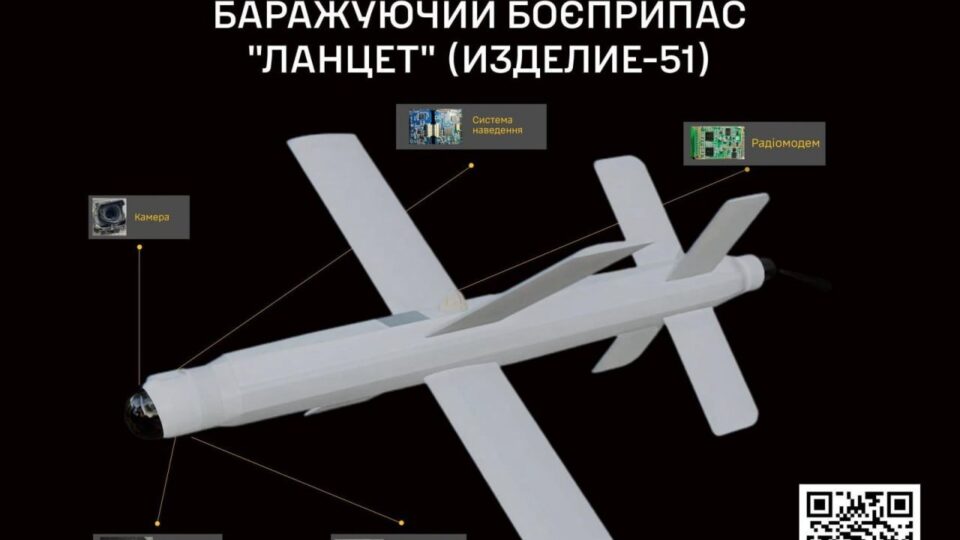
The Main Intelligence Directorate of the Ministry of Defense of Ukraine has published data on enterprises involved in the production of Russian loitering muniti

Another two-day round of negotiations between Ukraine and the United States concluded in Florida on March 22.
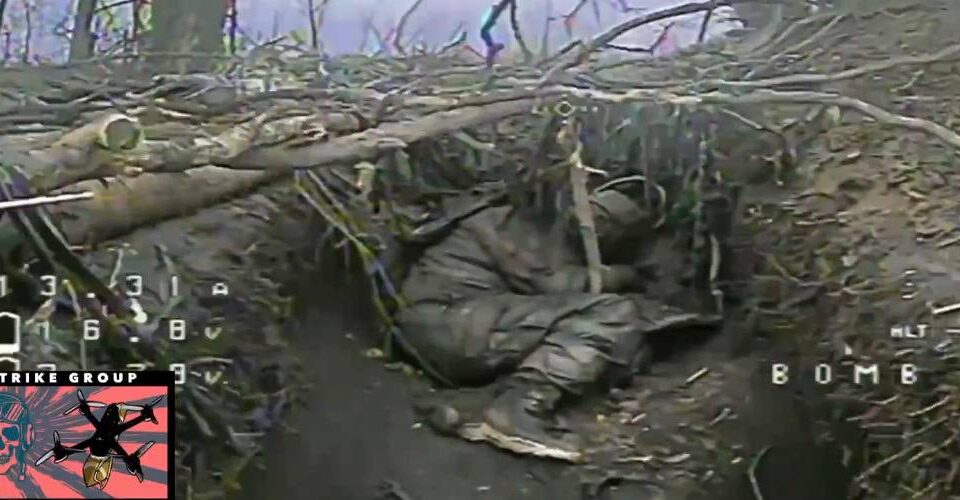
The enemy continues daily pressure and attempts to break through Ukrainian defenses in the Sloviansk direction.
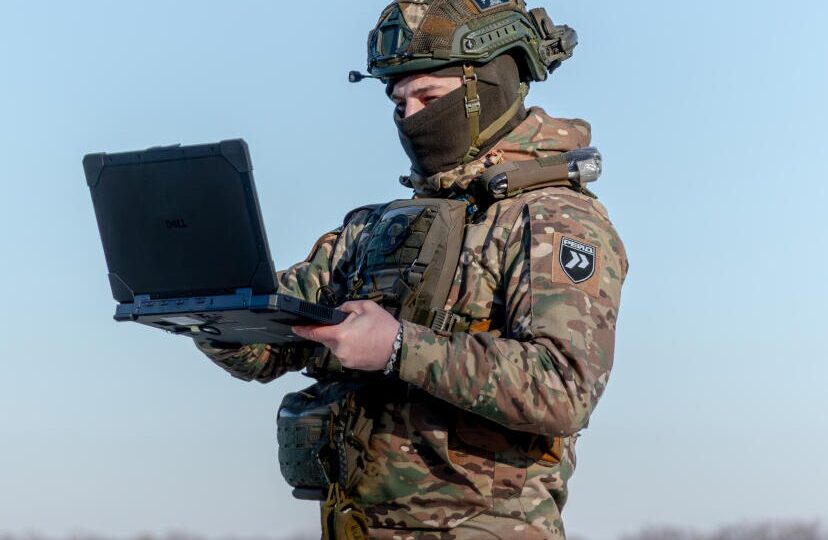
Over the past day, units of the Unmanned Systems Forces struck/destroyed 1,078 enemy targets.
The international delegation, headed by Ana Lucía Bueno, ICRC Public Health Coordinator, and Sujit Panda, Head of the Physical Rehabilitation…