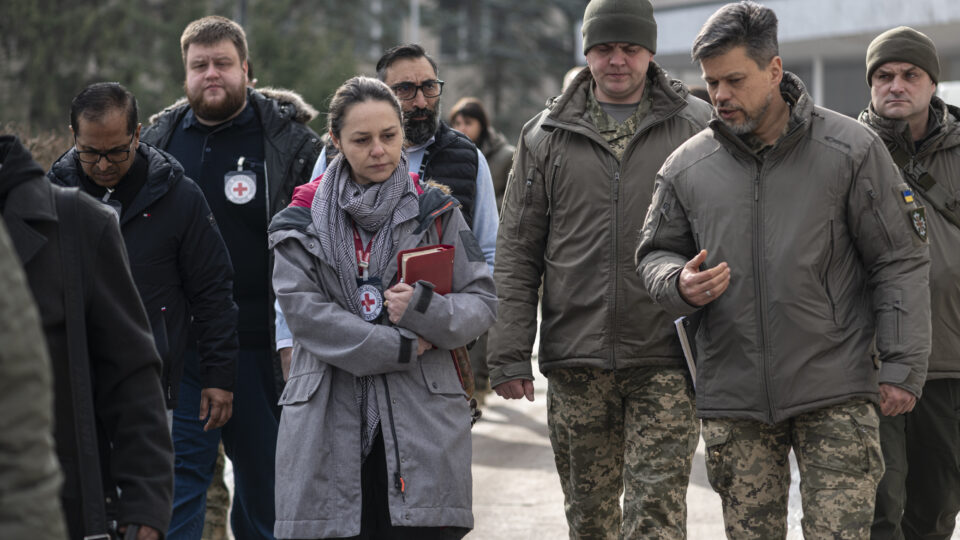
The international delegation, headed by Ana Lucía Bueno, ICRC Public Health Coordinator, and Sujit Panda, Head of the Physical Rehabilitation…

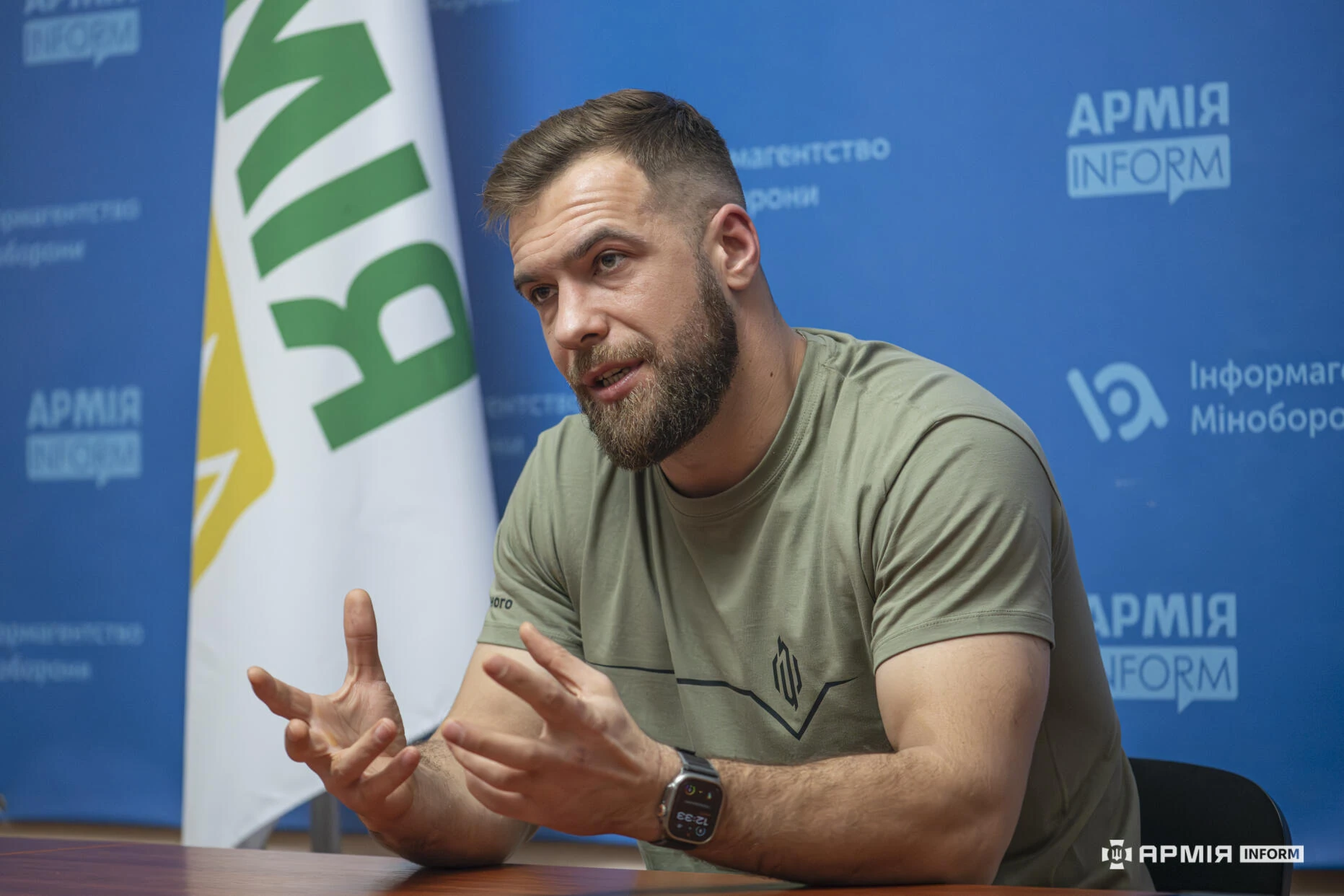
On December 6, on the occasion of the Day of the Armed Forces of Ukraine, the commander of the 141st Separate Mechanized Brigade of the Armed Forces of Ukraine, Colonel Bohdan Shevchuk, received the Brigade’s Battle Flag from the hands of the President of Ukraine, Volodymyr Zelenskyy.
Currently, the military unit is carrying out missions at the junction of three regions, in the Novopavlivka direction.
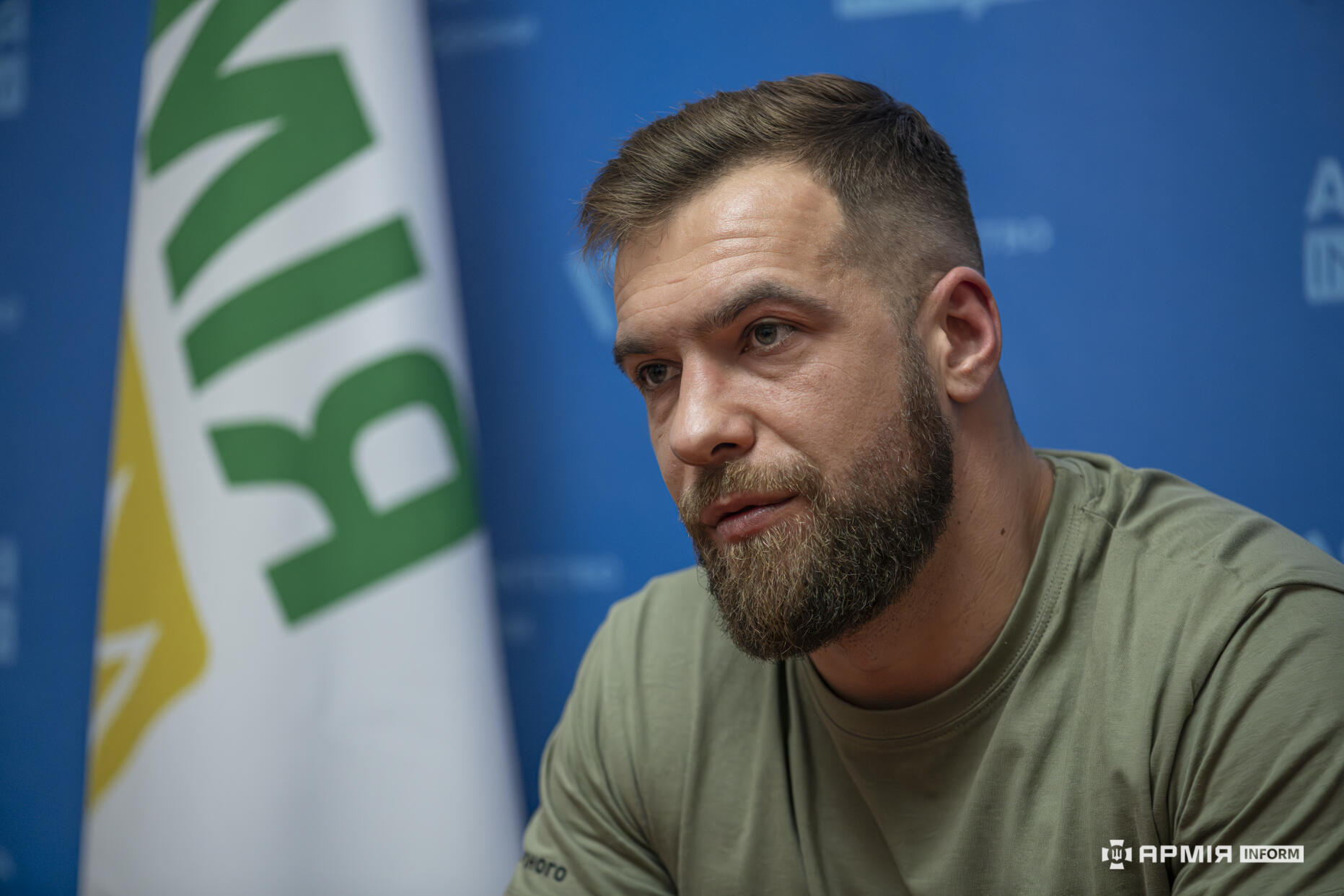
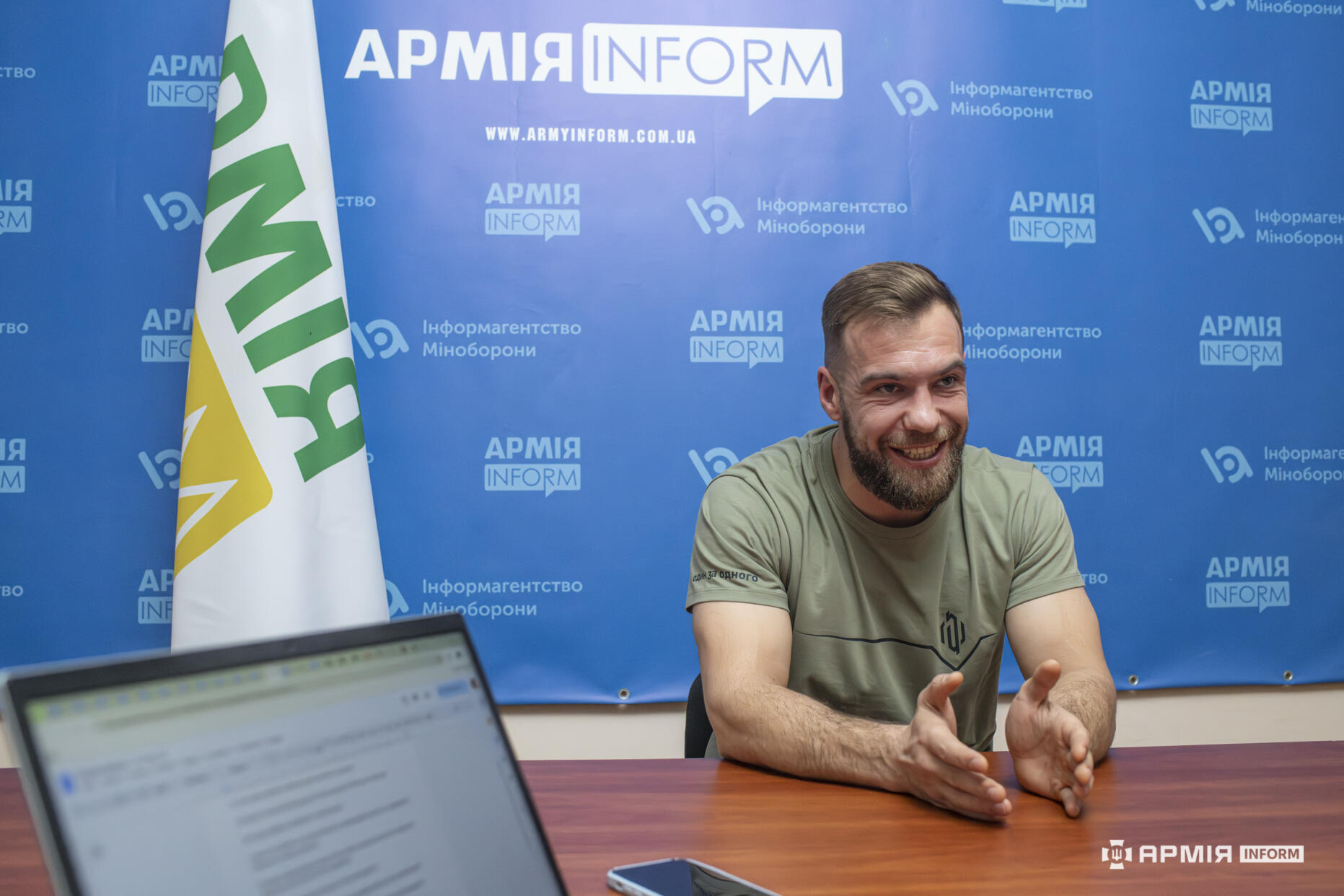
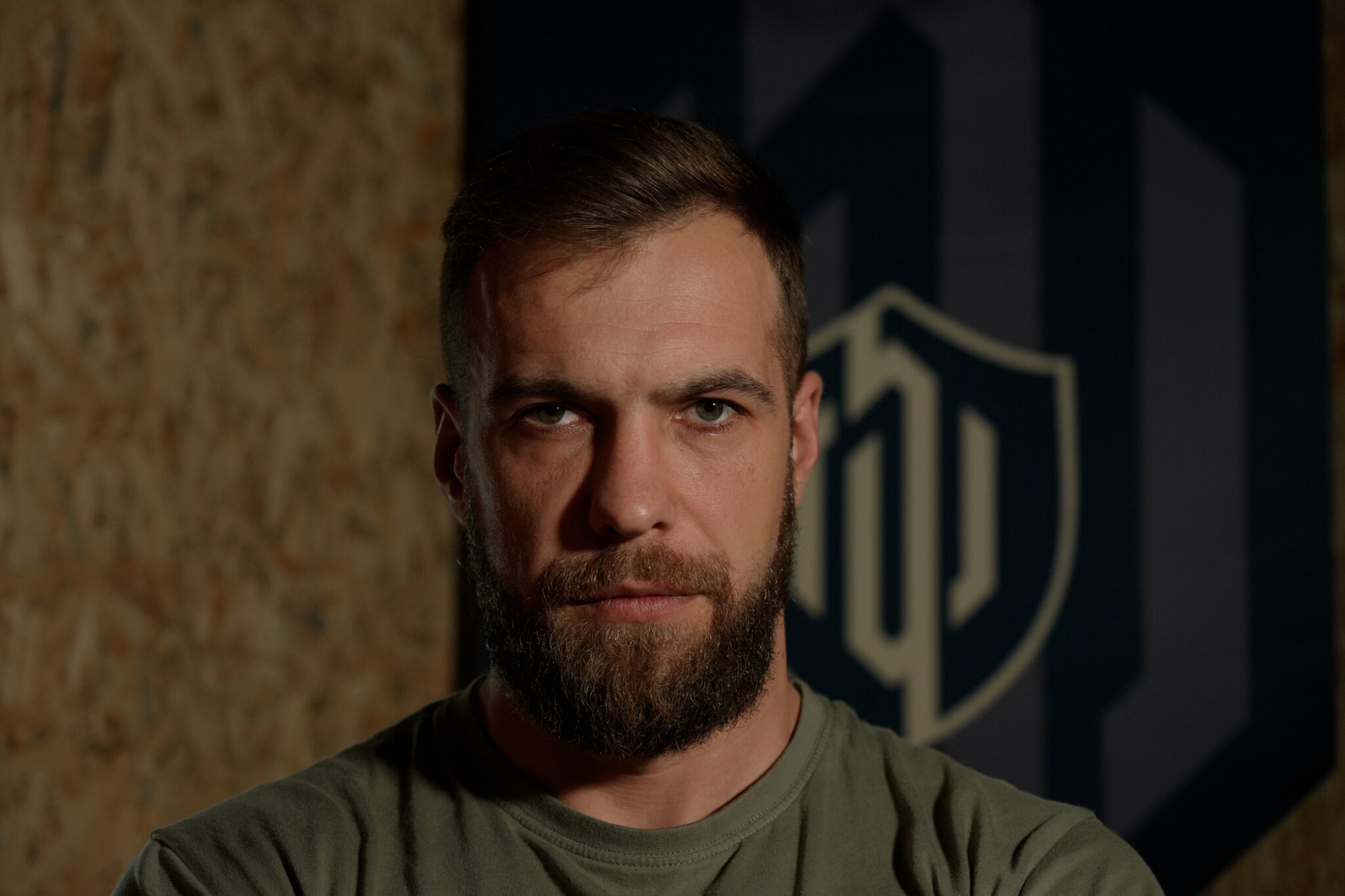
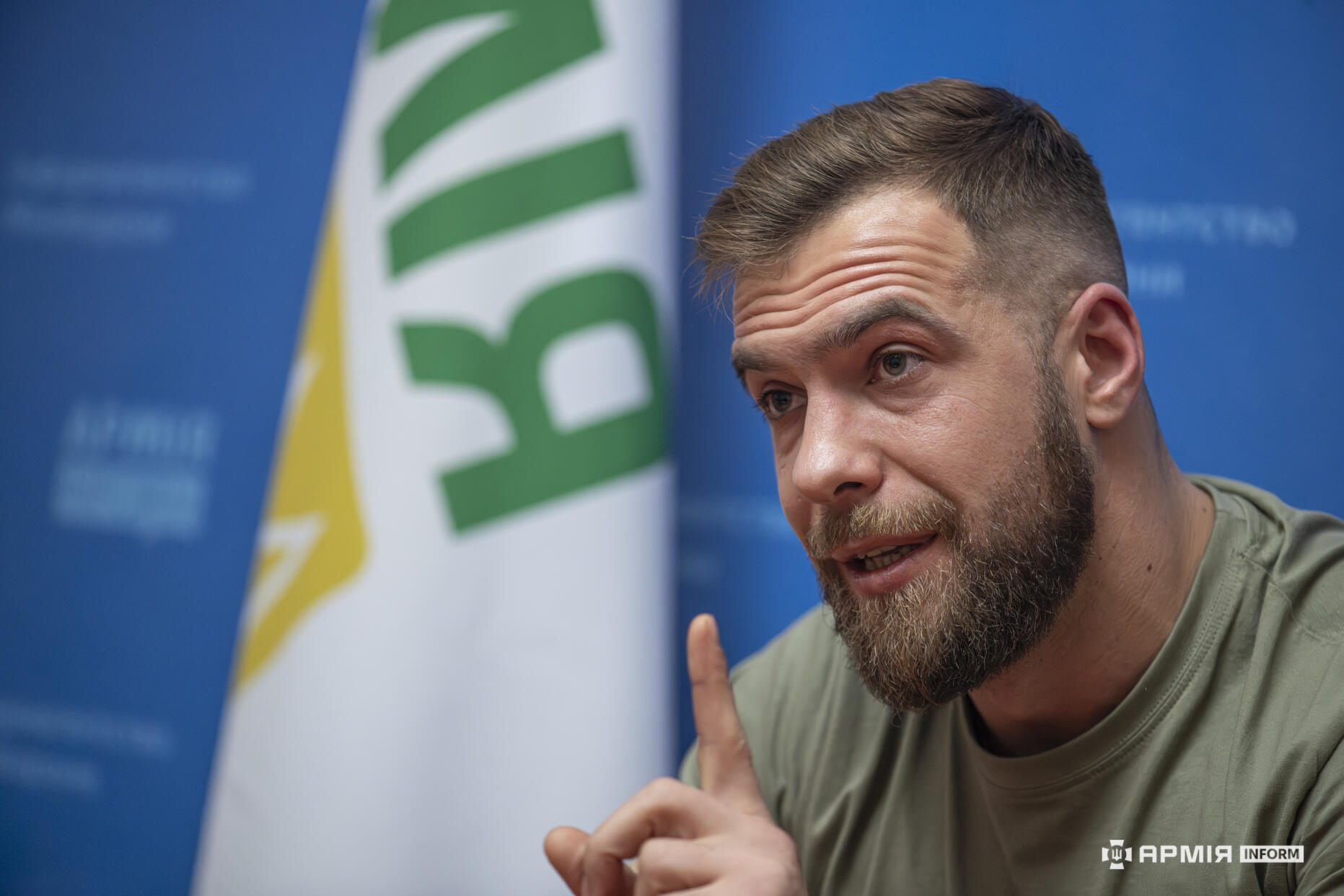
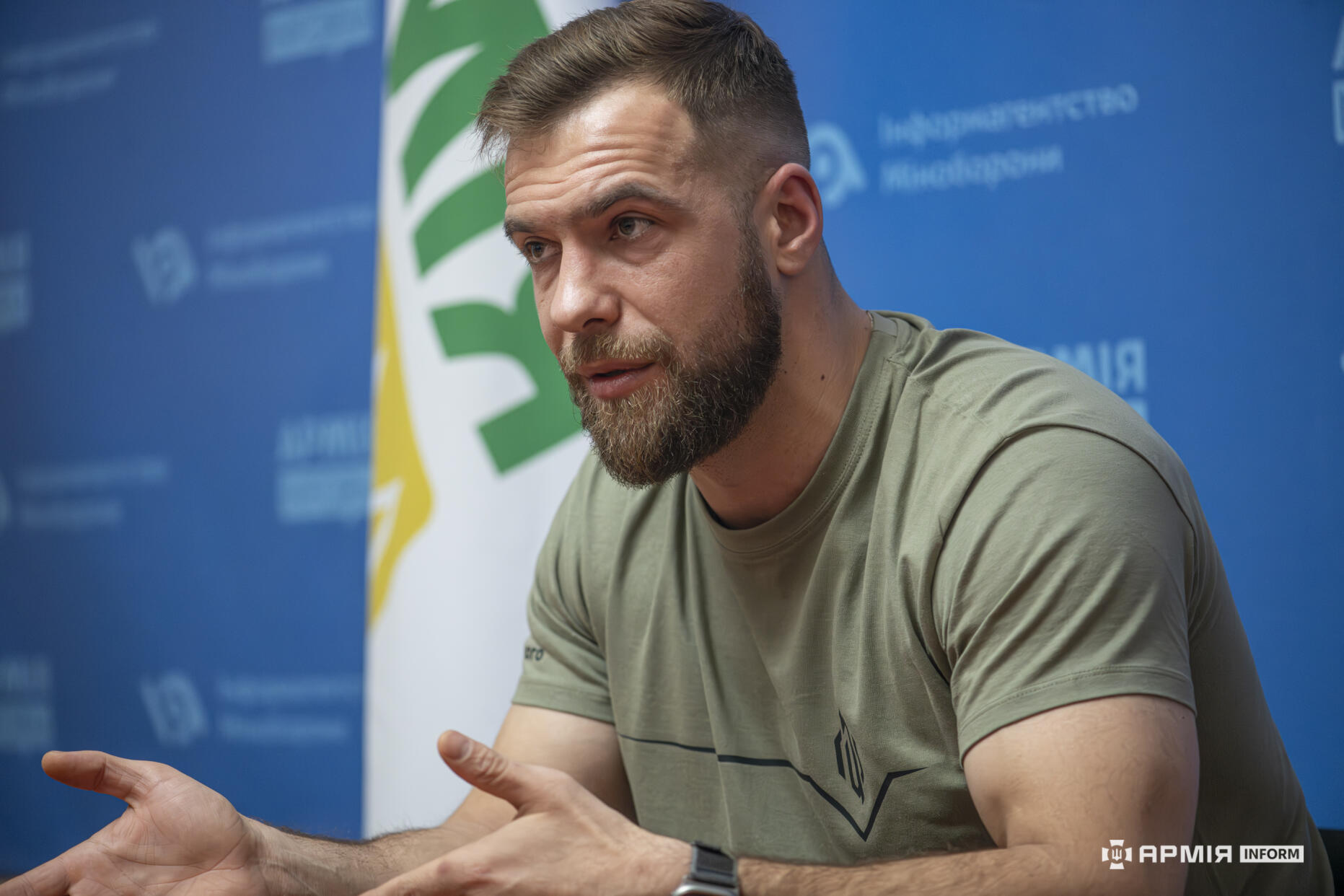
ArmyInform met with the officer on the eve of the Day of the Armed Forces of Ukraine and spoke about military traditions in the brigade, the personal combat experience of both the officer and his subordinates, about how he travels to infantry positions and personally takes part in assaults, and much more. The officer is 34 years old and has been in the army since 2010. The army is the lion’s share of his life.
— Colonel, during the celebrations for the Day of the Armed Forces of Ukraine you received the Brigade’s Battle Flag. In your opinion, what does it mean for soldiers in the trenches? How does it affect morale?
— The Battle Flag has been a symbol of the warrior tradition since Cossack times. The battle banner unites the collective. It is under the Battle Flag that soldiers are awarded, briefings are held before large-scale operations or important combat missions, to raise morale and add motivation.
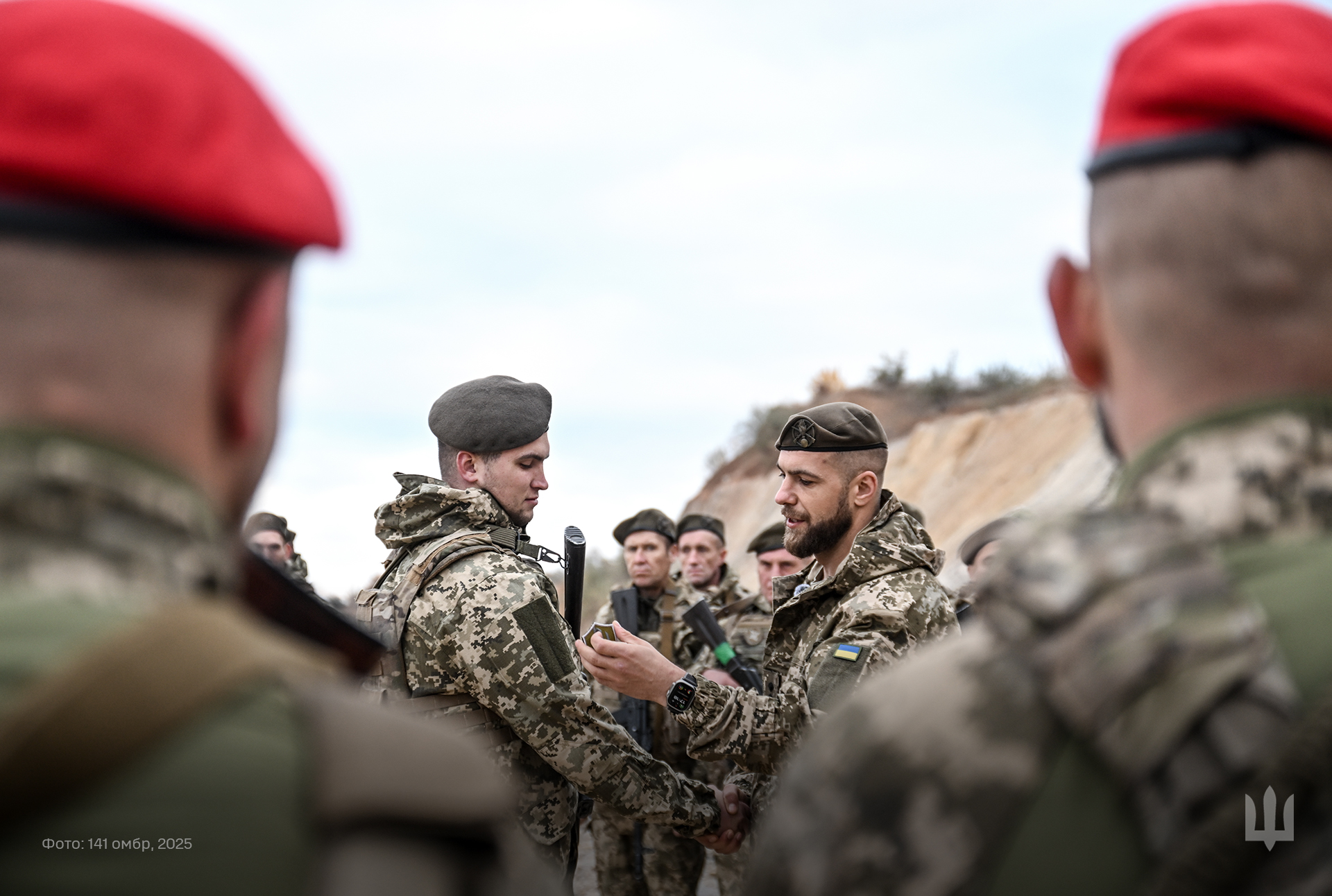
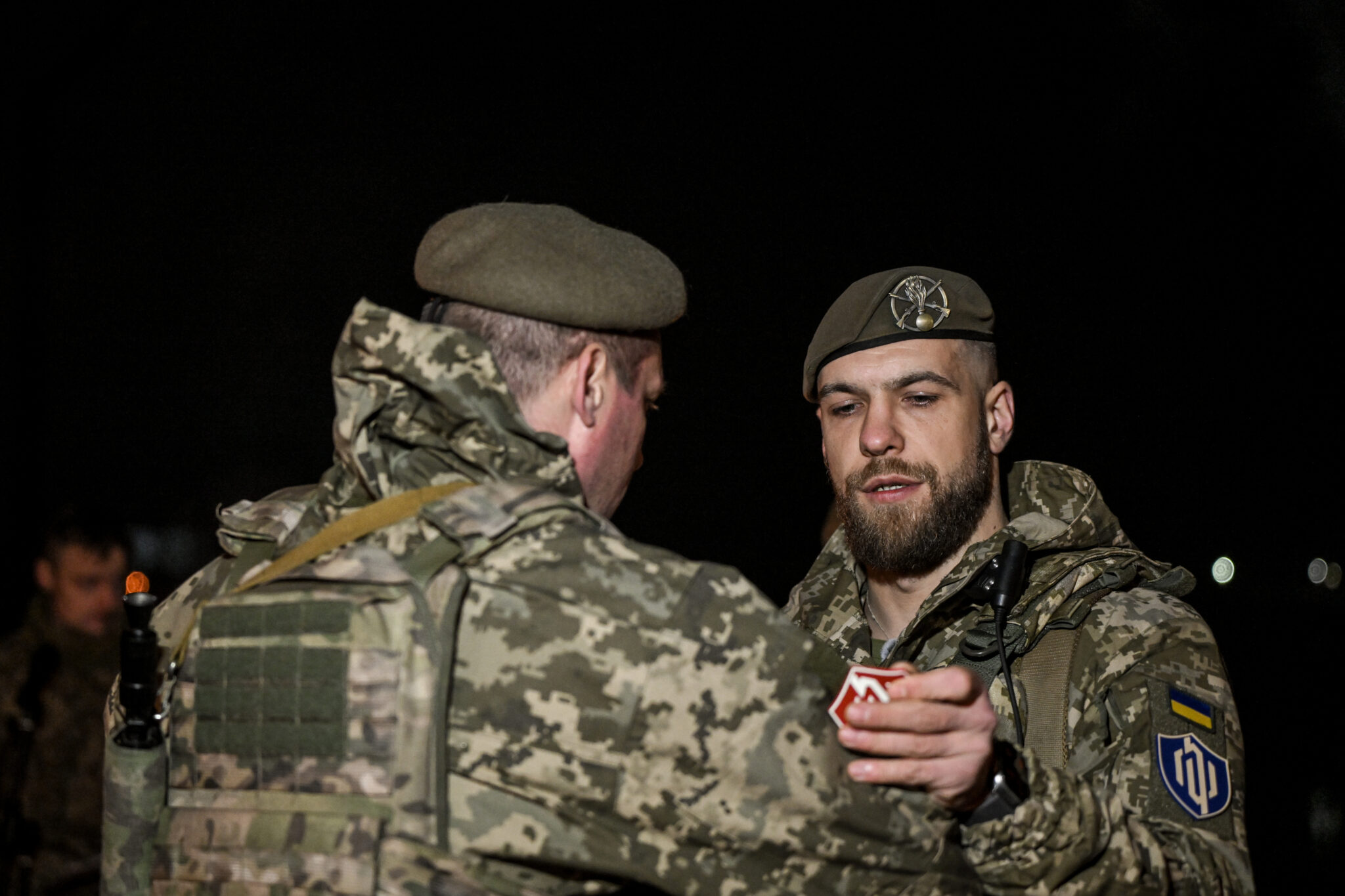
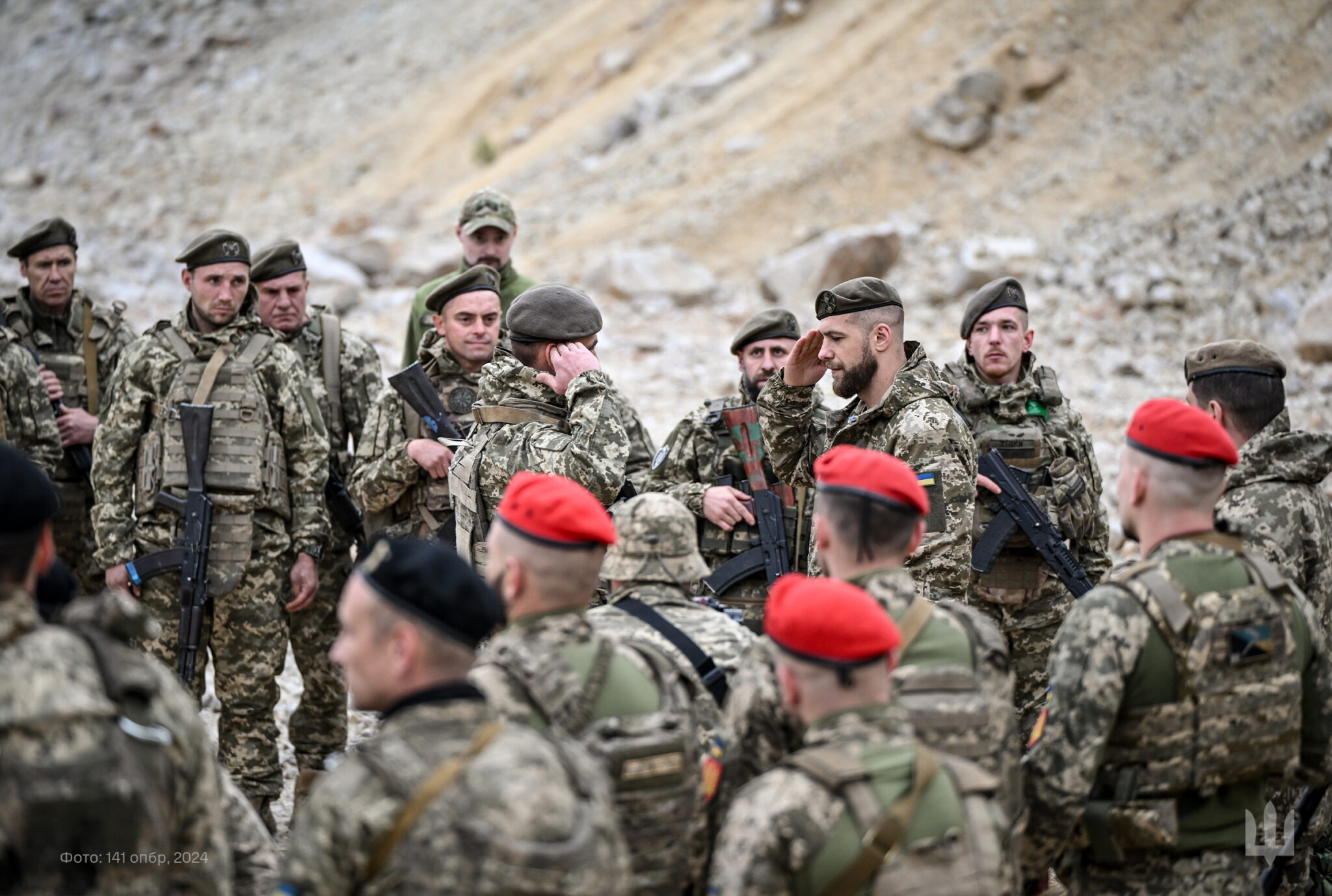
In addition, recently in the brigade we developed combat shoulder patches — only those personnel who have been on infantry positions or are ready to go there and support their brothers-in-arms receive them. We have already held a ceremonial presentation of these combat patches.
And I won’t hide it — during this ceremony, soldiers standing in formation cry. It means a lot to them.
There are already more than 200 fighters in the brigade who have received such combat patches. None of these servicemen have gone AWOL. They feel support and unity; a handshake from the commander is important to them. They feel their value. When receiving the patch, they recite the infantryman’s oath. A fighter can both receive a combat patch and lose it (for consuming alcohol or failing to carry out a combat mission). It has already happened that I revoked a combat patch — to date, this has occurred with three people out of more than two hundred.
— In June 2025 you took command of the 141st Brigade. What was the situation in the unit at that time? Did you conduct an audit? What did you think needed to be fundamentally changed? What processes have you already launched?
— When I assumed command of the brigade, it was engaged in combat. The peak of the fighting had already passed, and what followed was, so to speak, the resolution. However, the flank of another brigade had collapsed; the enemy penetrated to a depth of 6 kilometers, which destabilized my brigade, and it was really difficult to assess it in such a condition.
The first thing I did in my position was to study the battle order, capabilities, and potential of the brigade. I spoke with battalion commanders and defined a plan to stabilize the situation that had developed.
We built a different battle order. Yes, we withdrew personnel from Dniproenerhiia. The guys are heroes and continue to serve. They sat on positions for 260 days. Thirteen servicemen came out. I personally met them — and, excuse me, 50-year-old men were crying like children! Imagine their condition. And none of them went AWOL. Now they are already sergeants; some are still undergoing treatment. I jokingly told them: “Guys, I managed to change two brigades, and you held two positions the whole time” (laughs).
The withdrawal operation was very well planned — they came out without losses. The depth of encirclement was 6 km. It was a colossal story: in order to avoid casualties, the withdrawal lasted two weeks. Inter-position maneuvers were carried out, enemy groups were encountered and eliminated… After the withdrawal, the battalion commander went down for a week (smiles). He was very worried about every fighter.
— What is the current situation in the brigade with supplies — both equipment and personnel?
— We are developing technologies on a massive scale and have many great ideas. The headquarters battalion has a very advanced laboratory. There is a separate brigade digitalization team that is transforming certain aspects of paperwork into digital format. We have already implemented “Impulse” in the brigade as well.
We are also currently working on ensuring stable and high-quality communications on the battlefield, and developing and improving the reconnaissance system. Now Russian “Mavics” fly up to 40 km — can you imagine? They take off from one settlement, fly 20 kilometers, provide a 40-minute live stream, and return.
Therefore, we are now trying to solve this issue: the task is to close up to 15 km beyond the line of contact with copters. I have created a counter-UAV unit based on one of the line units, and they know this is their main task. Their performance indicator: over the past two weeks, 30 artillery pieces and 15 enemy UAV launch sites have been destroyed.

I have tripled the unmanned component in the brigade across all areas. Yes, today we have built combat potential, but it needs to be doubled again.
— How is recruitment organized and functioning? What is the average age of a fighter in your brigade?
— The average age is 40+. Approximately 35–42 years.
As for personnel: currently, my brigade includes personnel from Colombia, Chinese nationals, New Zealanders, Africans; there is also a special company “Shkval” composed of early-released convicts, both women and men.
Now we work directly with the Military Law Enforcement Service on selecting personnel from among AWOL servicemen — and quite decent potential grows out of this. When there is permission from the General Staff, we also work in training centers. We have deployed two of our own recruiting centers: in Lviv and Rivne.
The “18–24” program is more difficult, because the unit is young and does not yet have its own permanent deployment point, training ground, material base, etc. All of this needs to be created. Active work in this direction is ongoing. In one of the regions, we have identified territories and are equipping them. In the first quarter, we plan to have our own permanent deployment base.
— And where do you get Colombians from?
— Recruitment.
— Who does that?
— They recruit themselves… I created a separate unit of Colombian volunteers. They carry out combat missions. The intake is excellent. Initially, we needed eight interpreters for 20 Colombian fighters. And finding Spanish interpreters is actually very difficult. But now we have assembled a fairly good team. Moreover, from the Colombians who formed the core, we have already grown a backbone — we made them sergeants, platoon and squad commanders. We built this pyramid, and it is very valuable.
There is already a pilot project: we want to grant Colombians citizenship, guide them into higher education, and make officers out of them.
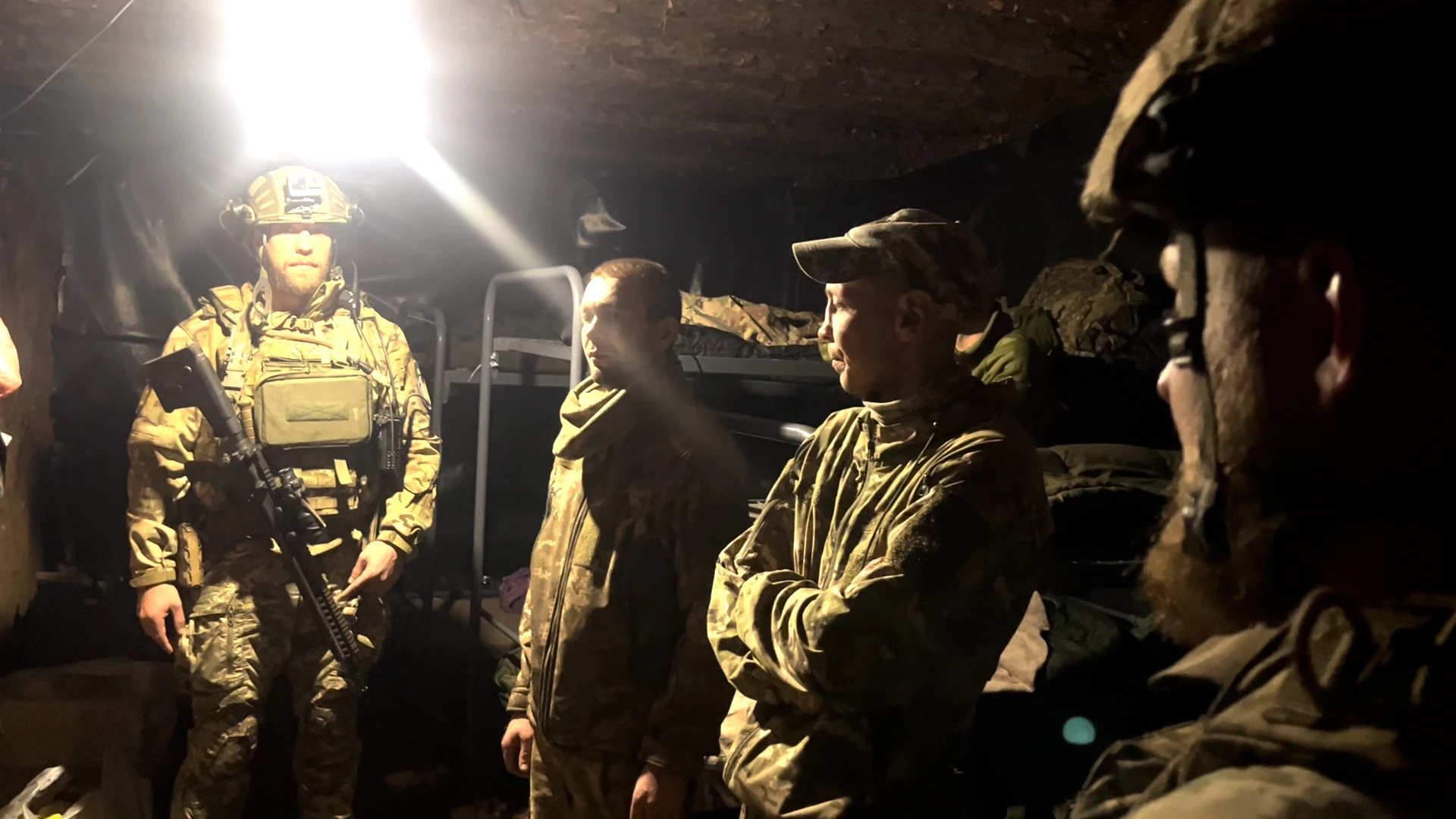
In fact, the social situation in Colombia is very difficult; there are many internal conflicts (police, drug cartels), so it is much more dangerous there than here in Ukraine. And they believe that Ukraine offers excellent living conditions. Each of them wants to bring their family here.
— How do they perform in combat?
— Excellent! Yes, of course, it depends on the individual. I’ll tell you about an incident from the day before yesterday. A sergeant is sitting, commanding his group in battle, organizing rotation to a position, and at the same time it was necessary to evacuate a wounded soldier… Several FPVs arrive — and the personnel are already morally broken, saying they cannot handle the task… And this sergeant says: “Commander, may I go there myself?” And he went, gave the personnel a proper dressing-down, evacuated the wounded, and conducted the rotation. That’s how our Colombian sergeants work.
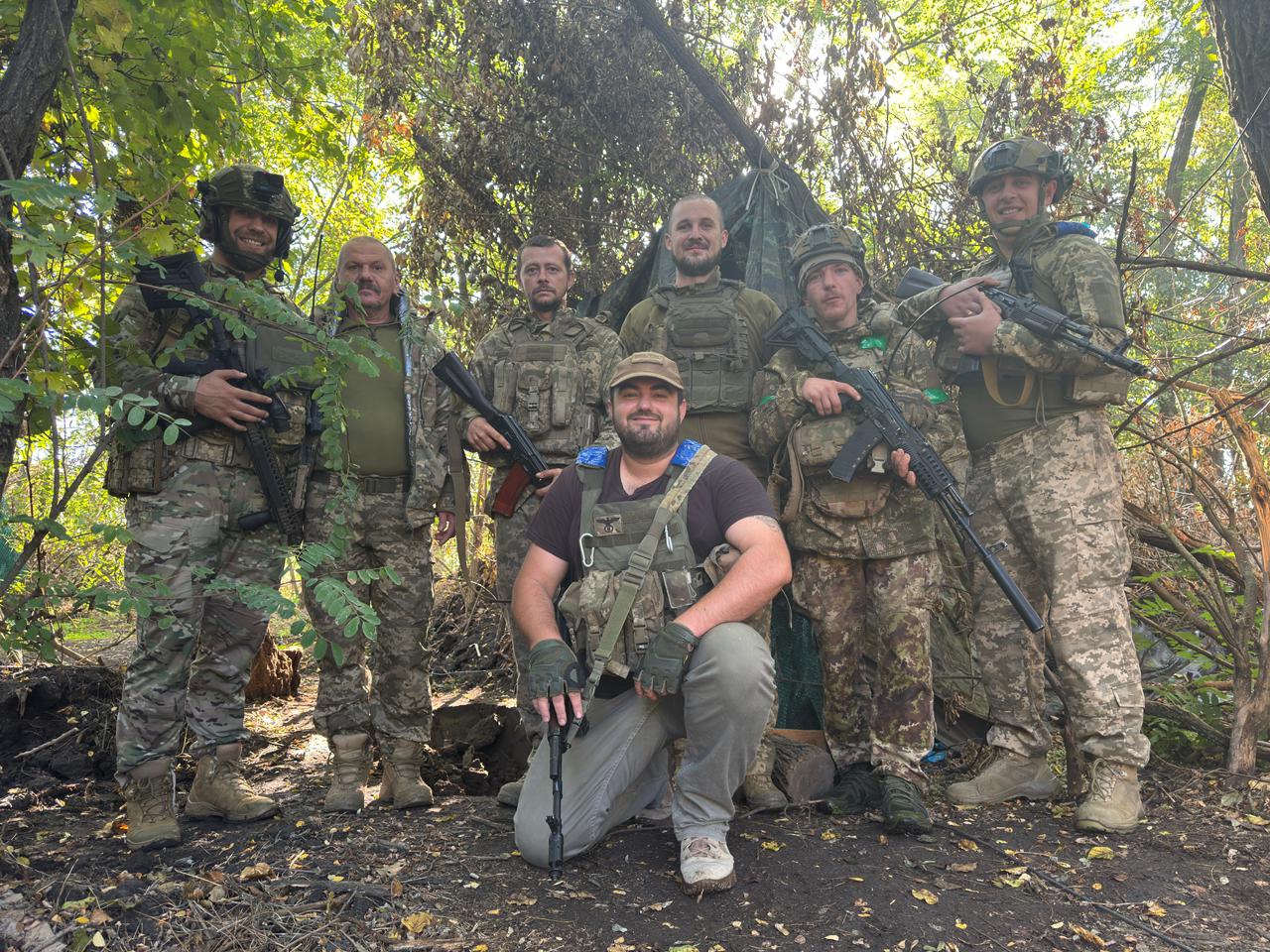
— And how does “Shkval,” composed of early-released convicts, perform?
— “Shkval” is my star! Let me explain. The settlement of Sichneve. We are standing, holding the defense; a neighboring brigade collapses slightly, the enemy infiltrates the inter-battle space and enters Sichneve.
I understand that I must hold my flank, while the line of contact doubles — and I will not be able to hold the line for that long. So we proposed to the army corps commander to conduct assault actions in Sichneve. To prepare 12 people.
The operation lasted three days. The result: 50 enemy personnel destroyed, 8 captured, 30 left the settlement. My “Shkval” worked there.
These guys are so charged! There is a video where a “Shkval” fighter bursts into a position shouting: “Shkval is working, 141st Brigade, everyone freeze!” (laughs). Do you feel that energy?..
During that operation, my personnel losses amounted to one serviceman — unfortunately, he was killed due to miscommunication.
— Which positions are most in demand in your brigade?
— We staff units according to the following priority: personnel for unmanned systems units (we have UAV companies in each battalion); servicemen who will work with collective firepower weapons; infantrymen.
Currently, we are working in the brigade on strengthening the infantryman: I allocate both financial resources for equipment and intensify training. Our brigade has good communication with other branches and services of the Armed Forces in specific training areas. I can confidently state that over the recent period, training in the brigade has increased two- to threefold.
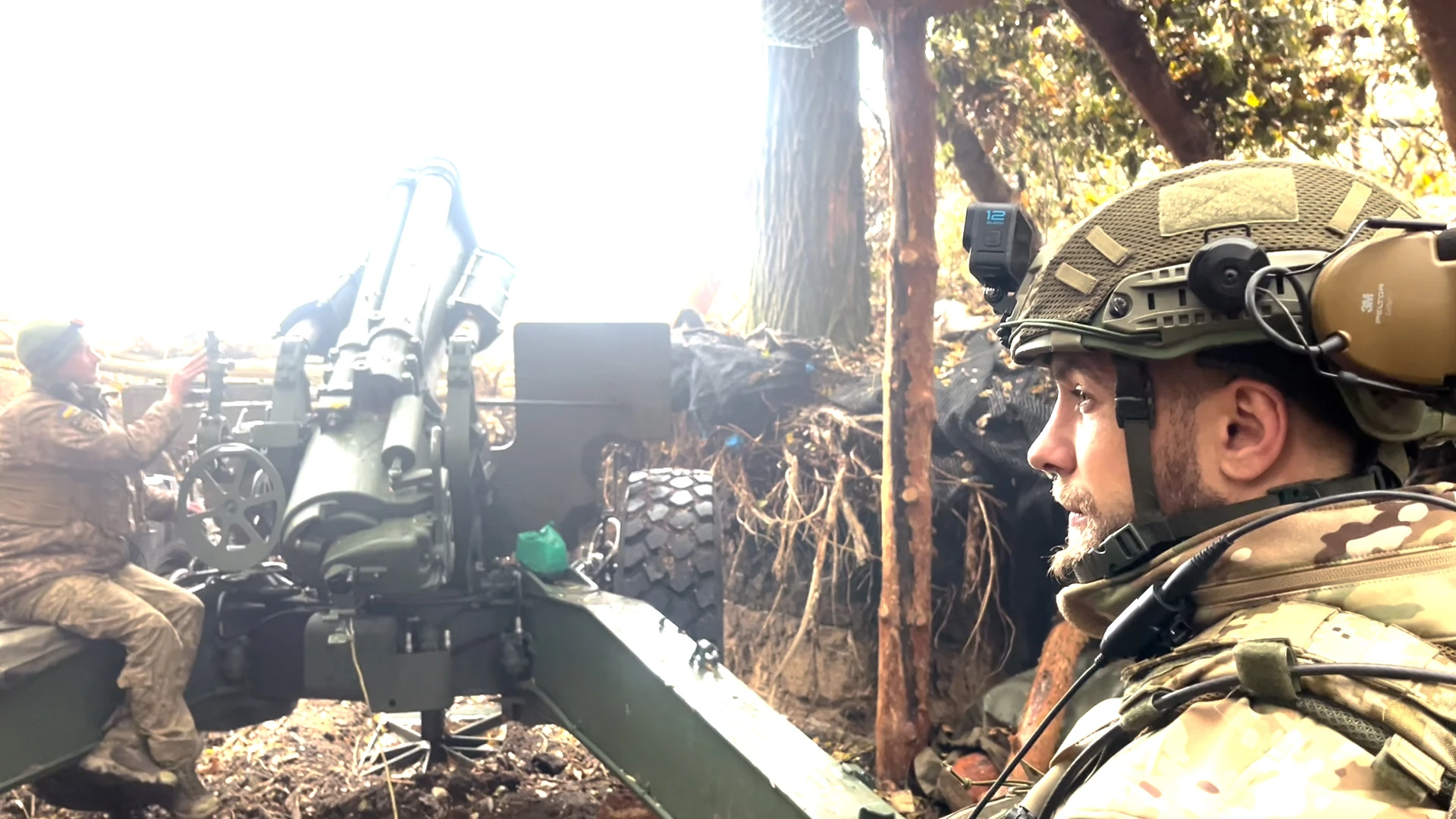
The minimum infantryman kit includes: an anti-drone suit and cloak; fully enclosed antiballistic uniform of protection class II (under development); a camera at each position that can be remotely controlled; the “Chuyka” anti-drone device; “Kropyva” on every phone so the soldier can navigate and build routes in various weather conditions; a radio; additional ammunition; night observation devices, etc. Battalion commanders personally ensure that every infantryman has all of this.
— In which sector of the front is the brigade currently carrying out combat missions? What difficulties of defense at the junction of three regions would you highlight?
— The Novopavlivka direction. Unfortunately, weather conditions are currently not in our favor…
— What tactics does the enemy use in this sector of the front?
— They move in pairs or trios through the inter-position space. In the main axes of effort, this is done on motorcycles, quad bikes, and less often armored vehicles… But this does not save the Russians. Yes, we have means that work in fog — but we are only developing them, and unfortunately they are not yet as scalable as we would like. I am referring to unmanned systems. There are alternatives, but we are not using them yet.
We work against the Russians with FPVs, drops, and heavy bombers. We are now looking for projects, because we want to try conducting battlefield evacuation by air. Yes, we already have systems in the country that can “carry” 150–200 kg…
To understand the situation in the sector: yesterday, one of my servicemen, a 34-year-old, who was maneuvering on the battlefield, was targeted with 22 “Molniya” drones, 20 FPVs, and about 15 incoming strikes. Against one soldier!
Today we have already evacuated him; he is at a stabilization point.
— Is the situation in your sector currently more static or dynamic?
— More static, because this is not the enemy’s main axis of effort. To my right, for example, is Huliaipole, where the Defense Forces are trying to stop the enemy and stabilize the situation.
In our area, on average, there are 2–3 assault actions on positions. Compared to what is happening near Huliaipole, this is nothing. If, for example, the 92nd Brigade destroys 20–30 enemy personnel per day, my brigade can destroy 10–15 per day. The numbers are completely different.
— What is the situation with rotations in your brigade? How do you maintain personnel motivation in the absence of fixed service terms?
— The situation is difficult, but there are methods to influence it. First, as a commander, I know how long my soldier has been on a specific position. Only by building such a system can you influence it. I will say this: I go out to infantry positions.
— Why?
— To build trust among the personnel… At different positions, attitudes differ: at one, they are scared and afraid to even “stick out” because the brigade commander has arrived; at another, they joke and offer coffee.
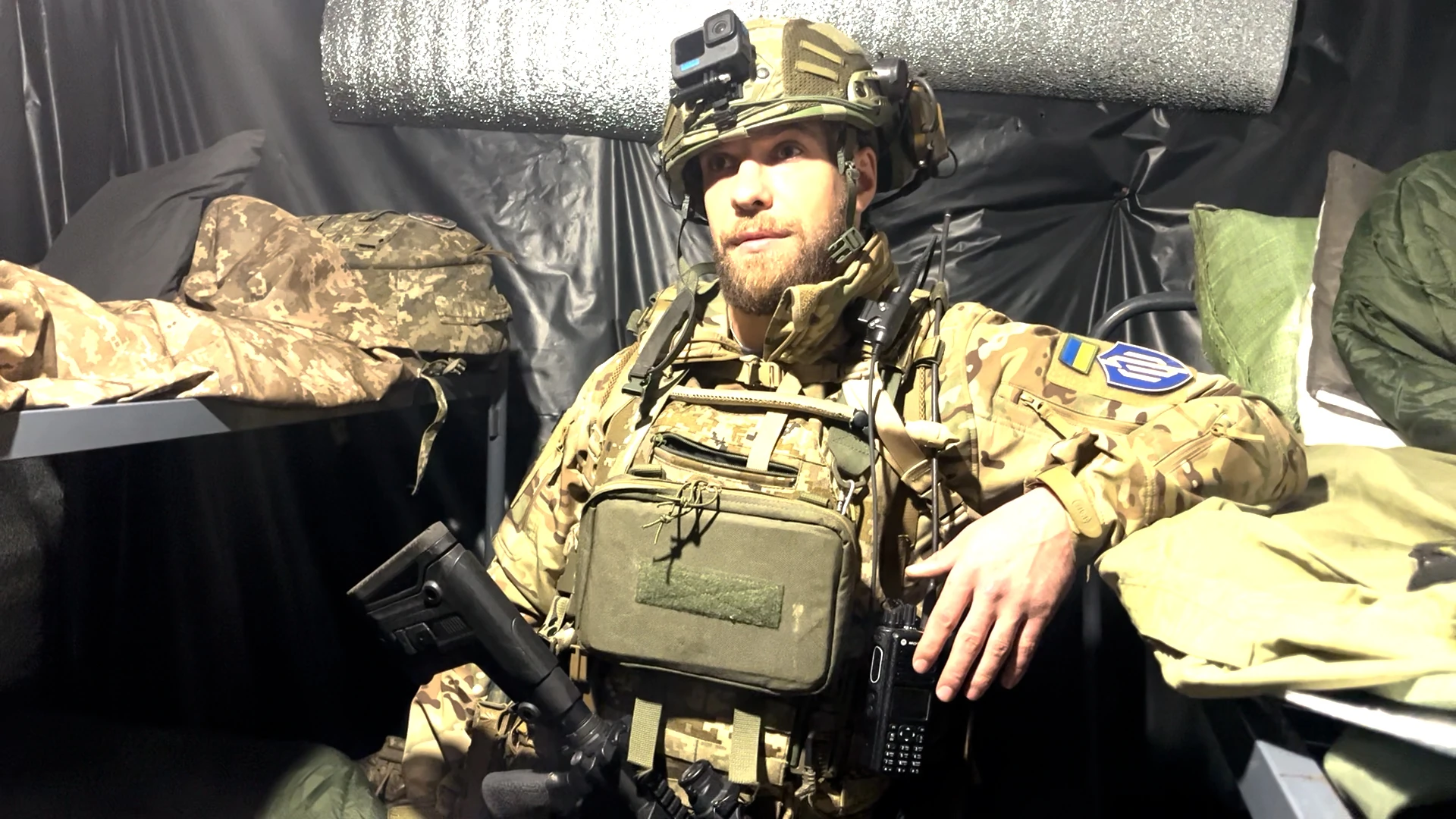
Once, while entering a position, I was almost shot (laughs): I was walking through a tree line with my driver; we were stopped and asked who was approaching. I said: “Sova” (Shevchuk’s call sign). But he didn’t really “care” who that “Sova” was… He got on the radio and said that “Sova” had arrived… He didn’t hear the reply because the connection was poor. Then he ordered me to stand still; I replied that I was the brigade commander. He chambered a round, fired a shot, and said: “Listen, these kinds of bastards don’t walk around here!” (laughs loudly).
Now that fighter often mans the battalion command post, so when we meet, we remember that incident and laugh…
In this brigade, I went on assault actions together with soldiers… I even kept a fragment that knocked my helmet off. At that time, we were entering positions, and the personnel were demoralized due to losses…
And the entire personnel — despite the presence of junior commanders — turned around and left their positions. I realized: that’s it, the defense is breached, the battle order will collapse…
I took the battalion commander and said: “Get in, let’s go”. Near the drop-off point, the vehicle hit a remotely placed mine; the battalion commander was wounded in the arm, my award pistol burned in that vehicle… We left the battalion commander at an intermediate position, and the driver and I went on. On the way to the position, we shot down five drones and ten FPVs.
At the position, the guys were frightened. I brought them back to their senses — sometimes with a sharp word, sometimes with a light slap. We sat down and discussed what we would do in this situation. I said: “Let’s go deal with it; we’re not going to give up one and a half kilometers just like that. And our brothers-in-arms were killed here — we need to at least bring them home”.
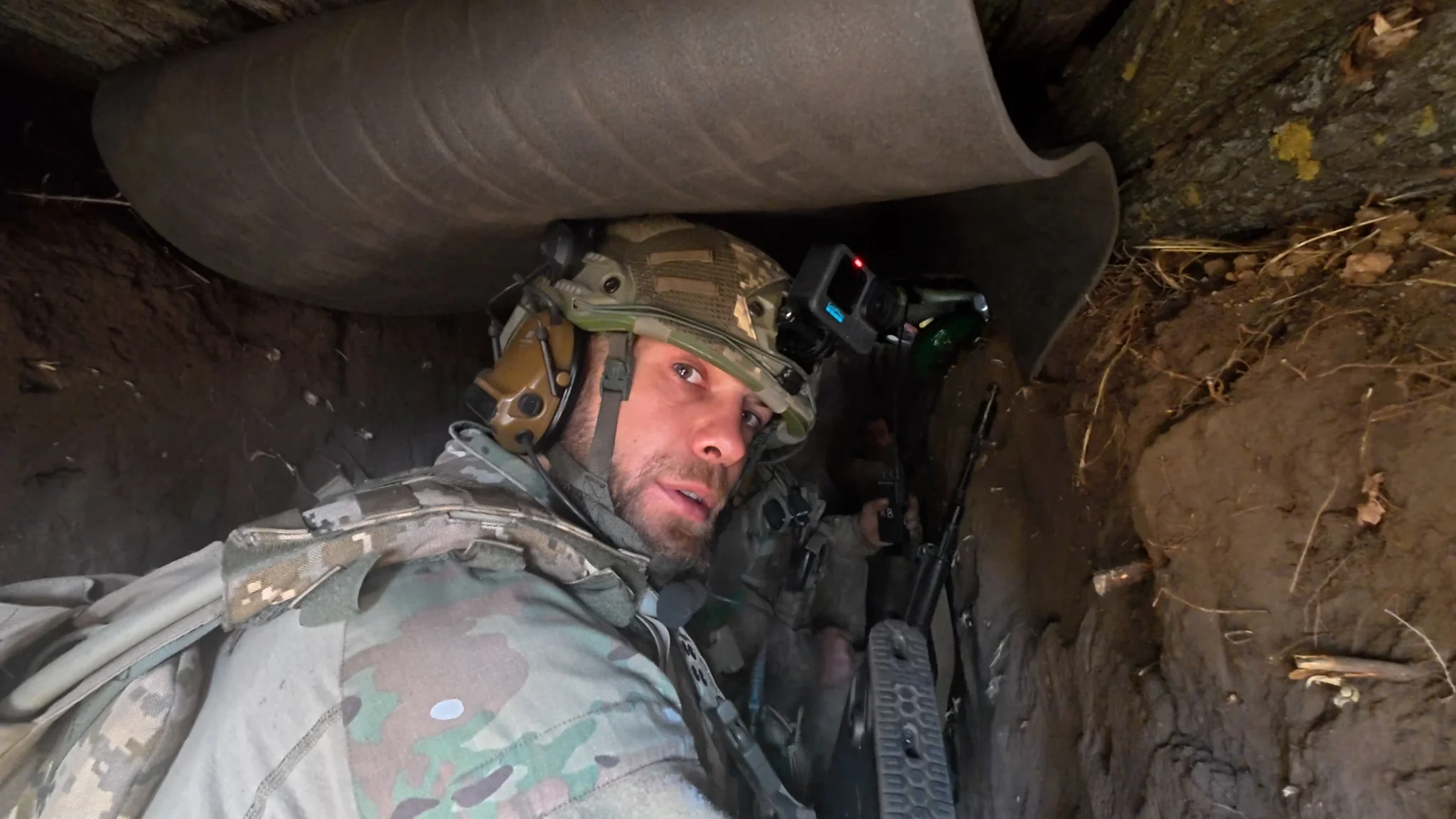
So we moved one position forward, killed two occupiers, seized their EW equipment, evacuated two fallen soldiers and six wounded, and returned.
There was also a painful situation: somewhere my guys had obtained volunteer-supplied tourniquets. And one serviceman had his leg torn off. We needed to apply a tourniquet — and I tore six tourniquets before managing to apply one. In the end, I took out my own and applied it.
After that, there was a debriefing: I summoned the medical service, and after this incident they checked every position to see whether the tourniquets were certified. Because it’s horrifying: a soldier is bleeding out in my hands, and the tourniquets are tearing one after another!
— Can you share examples of heroism among your brigade’s fighters?
— There are an incredible number of stories. For example, a fighter with the call sign “Docent”. He has been wounded nine times. He is 45 years old. And he was in quite “unpicturesque” combat conditions. He was saving a wounded brother-in-arms…
I have a fighter from the motorized infantry battalion: he was holding a position; his two comrades were wounded; he held the position alone, captured eight prisoners, and using those prisoners, evacuated his two wounded brothers-in-arms from encirclement. I very much want him to receive the title of Hero of Ukraine. This incident happened before I joined the brigade, but I really want this high state award for him.
And when I commanded the 59th Brigade, one fighter carried out 71 assaults — and he still has not received the title of Hero of Ukraine.
— What personally keeps you in this war? Do you have any hobbies?
— Sport is an integral part of me, an outlet. Through sport, you can completely “clear” your mind. I would like everyone to adopt this idea — the idea of movement.
I’ll tell you a story: in August, I received the rank of colonel… And on the same day, I lost six fighters on the battlefield. It was a very hard day… I was emotionally exhausted. But in the evening, I put on my sports gear and ran to all battalion command posts. The total route was 32 km. And it helps you exhale. Although the next day it was hard to stand on my feet (smiles), because my last marathon had been back in 2020.
Every morning I try to do some kind of exercise. Wake-up at 4:30, listen to battalion commanders’ reports until 5:00. Work with the staff until 5:30. At 6:00 I already give my own report. After that, if there are no assault actions, I go to the gym, which I started equipping back when I was a battalion commander. It all started with a pull-up bar, then came a boxing bag, barbells, and so on.
By the way, I take the gym with me. In this brigade alone, it has already burned three times — Shaheds and FPVs set it on fire — so they wake the commander up and he runs to put out his gym (laughs).
— What is your reserve of resilience in this war?
— I simply do my job, and the only thing that motivates me is my personnel and human lives.
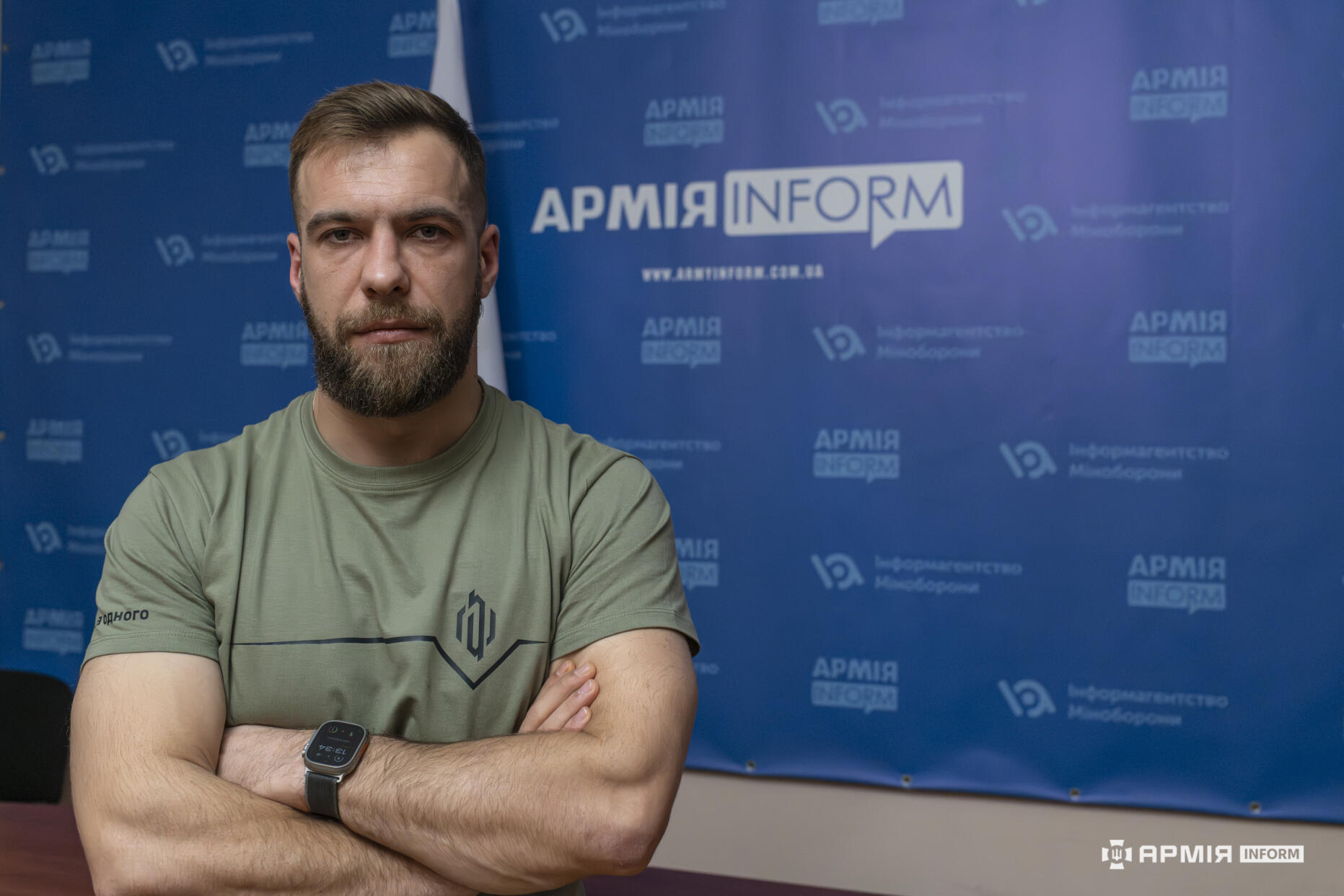
Photos by Vitalii Pavlenko and from Bohdan Shevchuk’s personal archive.

The enemy is attempting to develop the production of naval drones and copy successful Ukrainian practices — both technical solutions and tactics.
Fighting continues in the northern part of the city of Pokrovsk in the Pokrovsk direction. A mechanized assault was repelled there the day before.
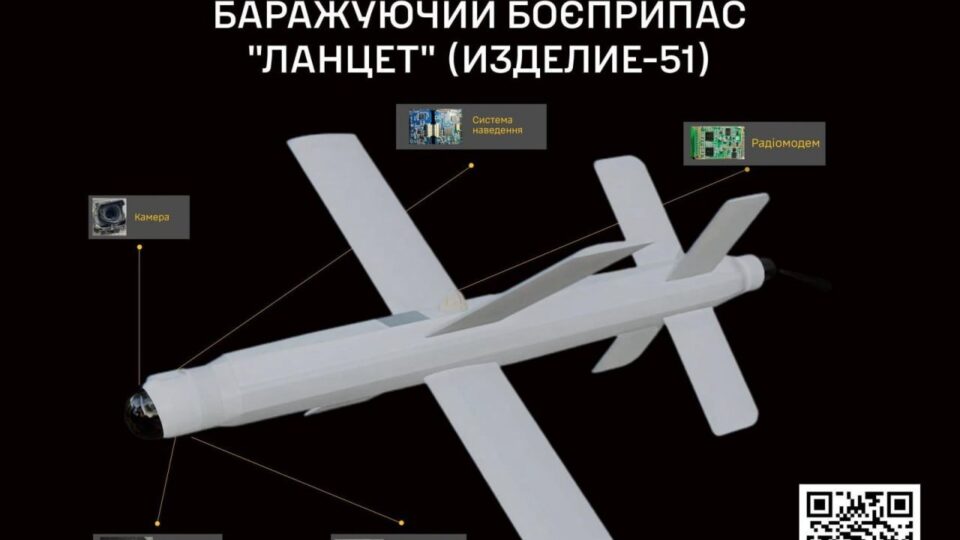
The Main Intelligence Directorate of the Ministry of Defense of Ukraine has published data on enterprises involved in the production of Russian loitering muniti

Another two-day round of negotiations between Ukraine and the United States concluded in Florida on March 22.
The enemy continues daily pressure and attempts to break through Ukrainian defenses in the Sloviansk direction.
Over the past day, units of the Unmanned Systems Forces struck/destroyed 1,078 enemy targets.
The international delegation, headed by Ana Lucía Bueno, ICRC Public Health Coordinator, and Sujit Panda, Head of the Physical Rehabilitation…