120 days on the frontline: the story of fighters “Goblin” and “Bazooka”

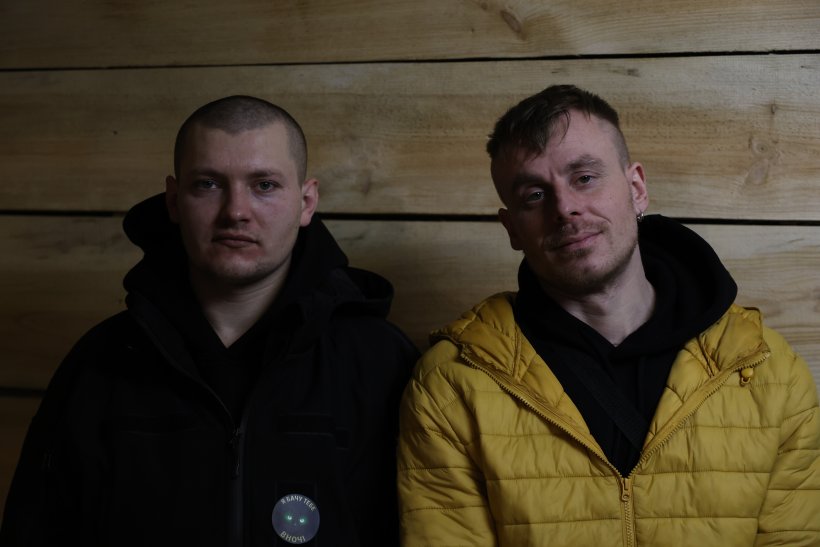
The first days were remembered by the brothers-in-arms as an exhausting search for at least some shelter.
The story of the fighters was published on March 12 by the State Border Guard Service of Ukraine.
Eventually the border guards found an old dugout covered with earth and wood and began jointly arranging their life: clearing space and creating conditions for observation. But the calm did not last long. After the enemy noticed movement, intense shelling began, and on the fifth day the enemy used gas, trying to drive the border guards out of the fortification.
Due to the destruction of the entrance, the fighters had to maneuver, temporarily change their location and return to positions when the fire subsided slightly.
The frontline became for the brothers-in-arms a struggle not only with the enemy but also with hunger and thirst.
Food and water were delivered by drones, which the border guards called “air mail”. However, due to enemy activity there were periods when the delivery had to be waited for much longer.
Movement under the constant threat of drones required maximum coordination from the border guards, because the sound of an enemy drone was often impossible to hear in time.
The defenders call the most difficult test the need to keep a clear mind and not lose morale under the pressure of constant danger.
Communication with loved ones helped them hold on: one of the border guards wrote to his wife every day and kept diaries.
By the time they moved to the rear, their strength was so exhausted that their own equipment seemed unbearably heavy, and the road to evacuation became a real test of endurance.
Wounds, long withdrawals from positions, kilometers of road to evacuation — all this is part of the experience that Ukraine’s defenders go through.
For “Goblin” and “Bazooka”, this period became a test of endurance, where daily reality required them to hold on and move forward despite fatigue and danger.