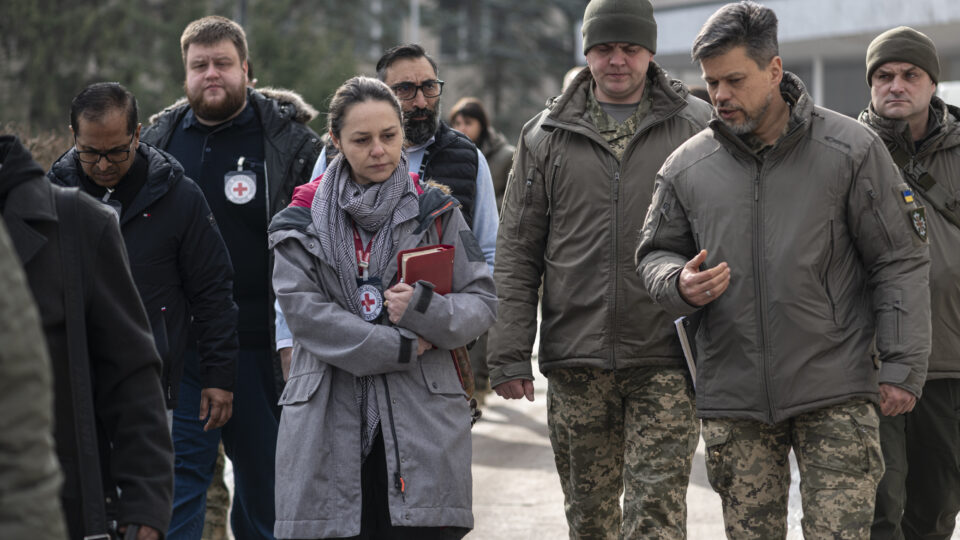
The international delegation, headed by Ana Lucía Bueno, ICRC Public Health Coordinator, and Sujit Panda, Head of the Physical Rehabilitation…

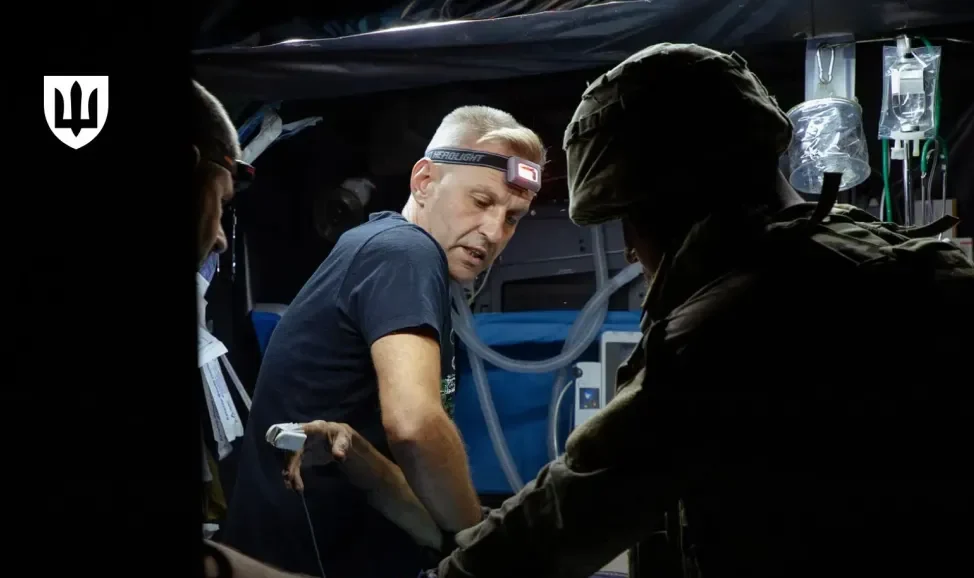
Ukraine’s military medicine is integrating NATO standards into medical care while adapting them to the realities of modern warfare.
This was reported on the website of the Ministry of Defense of Ukraine.
Cooperation with NATO is aimed at creating an updated life-saving system where the Alliance’s systemic approaches are combined with current combat experience.
Ukraine is currently adopting a systemic trauma care approach that views the wounded person holistically, rather than through the prism of individual injuries.
At the same time, Ukrainian medics already possess significantly more experience than their foreign counterparts. It is at the intersection of systems and experience that a new medicine is emerging.
One practical step in this direction has been the introduction of a modular system for equipping stabilization points. The model, enshrined in a Ministry of Defense order, is based on NATO principles but takes into account the realities of the Ukrainian front.
It establishes clear requirements for equipment and specialist qualifications, making it possible to standardize care across different units. Each brigade now has a defined list of surgical instruments and requirements for the composition of medical teams, ensuring an appropriate level of treatment regardless of location.
Alongside infrastructure development, medical personnel training continues. In particular, training under the ASSET program allows surgeons to practice techniques for stopping massive bleeding. In cases of critical injuries, when time for medical care is limited, such training enables doctors to act faster and more effectively.
As reported by the Acting Director of the Healthcare Department of the Ministry of Defense, Major of the Medical Service Dmytro Samofalov, the Ministry also cooperates with the Alliance in the medical sphere within the NATO Security Assistance and Training Initiative (NSATU) and the Comprehensive Assistance Package (CAP).
A priority area is a project to bring whole blood transfusion procedures closer to the point of injury. This involves building a full logistical chain — from blood collection to training frontline personnel.
The goal of the project is to stabilize a soldier’s condition directly within the “golden hour”, significantly increasing survival chances.
Technical development is reinforced by supplies of evacuation transport and medical equipment from partners.
As of today, thanks to international assistance, warehouses of the Medical Forces Command of the Armed Forces of Ukraine are fully stocked with medical kits, allowing the timely fulfillment of frontline units’ needs.

The enemy is attempting to develop the production of naval drones and copy successful Ukrainian practices — both technical solutions and tactics.
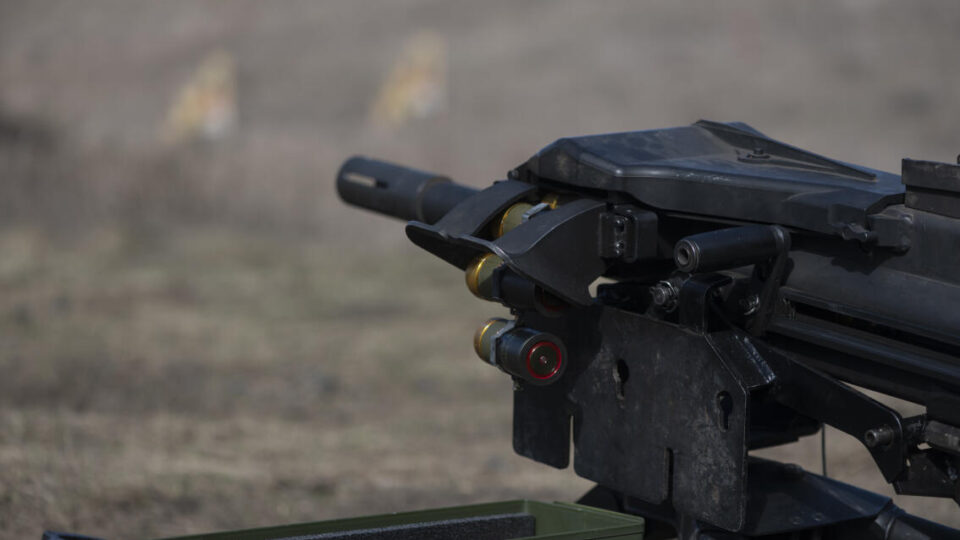
Fighting continues in the northern part of the city of Pokrovsk in the Pokrovsk direction. A mechanized assault was repelled there the day before.
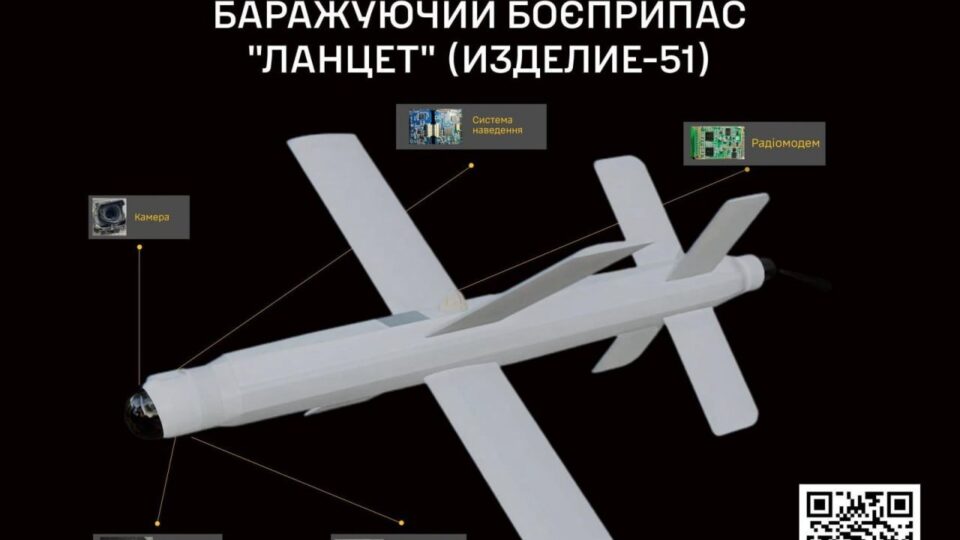
The Main Intelligence Directorate of the Ministry of Defense of Ukraine has published data on enterprises involved in the production of Russian loitering muniti

Another two-day round of negotiations between Ukraine and the United States concluded in Florida on March 22.
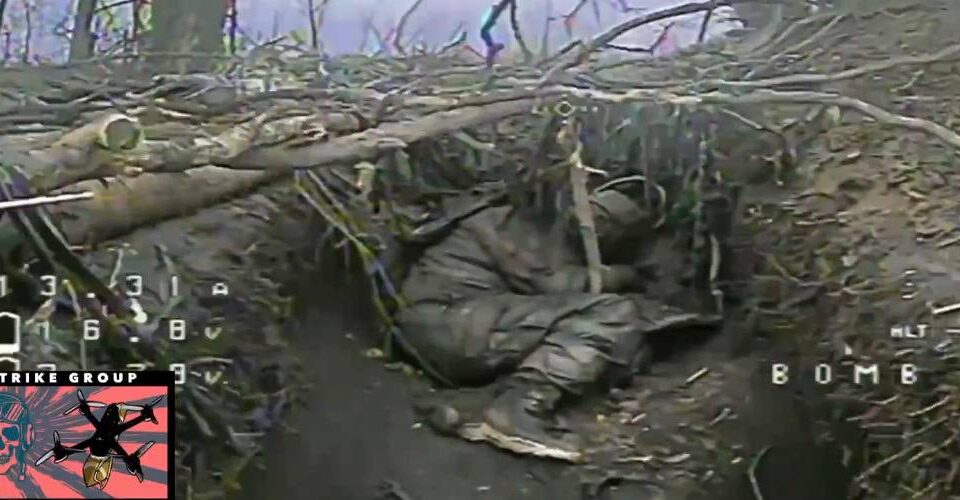
The enemy continues daily pressure and attempts to break through Ukrainian defenses in the Sloviansk direction.
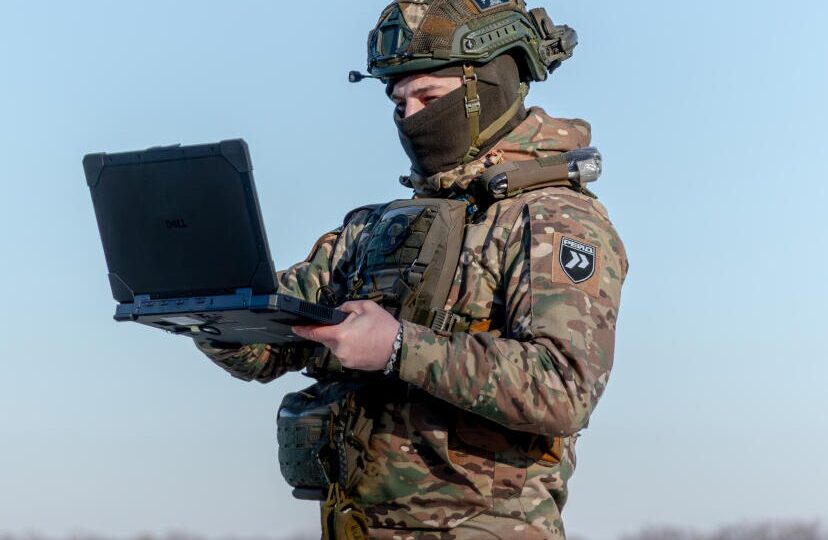
Over the past day, units of the Unmanned Systems Forces struck/destroyed 1,078 enemy targets.
The international delegation, headed by Ana Lucía Bueno, ICRC Public Health Coordinator, and Sujit Panda, Head of the Physical Rehabilitation…