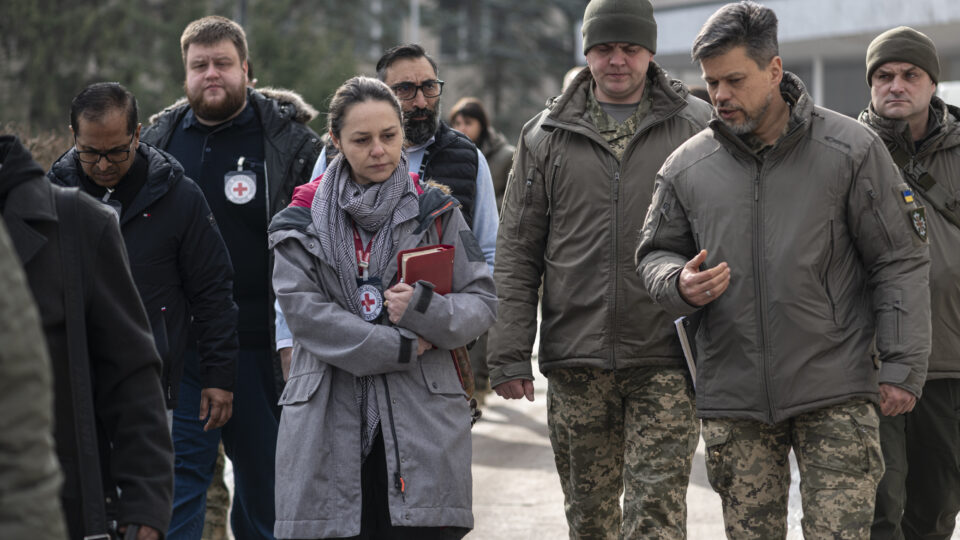
The international delegation, headed by Ana Lucía Bueno, ICRC Public Health Coordinator, and Sujit Panda, Head of the Physical Rehabilitation…


The philosophy of Mission Command in the military is not an instruction or a set of orders, but a system of trust, responsibility, and disciplined initiative. A commander must define intent and purpose rather than prescribe every step of execution in detail.
This was stated by the Chief Sergeant of the Armed Forces of Ukraine, Oleksandr Kosynskyi, in an exclusive interview with ArmyInform.
Not an order of “how”, but an intent of “why”
According to Oleksandr Kosynskyi, Mission Command is often mistakenly perceived as just another term or a formal management approach. In reality, it represents a fundamentally different command philosophy.
A commander does not need to issue a detailed order with step-by-step instructions. It is enough to clearly formulate what result is required, when it is needed, and why. From there, each member of the command team — whether an officer or a sergeant — independently determines how best to accomplish their part of the task within the commander’s intent.
Trust instead of micromanagement
Mission Command is based on trust across all levels of command. The commander trusts subordinates, while subordinates understand the limits of their responsibility and act with initiative, but in a disciplined manner.
Oleksandr Kosynskyi emphasizes that this is neither anarchy nor a “do whatever you want” approach. The final decision always rests with the commander. However, before making it, it is important to hear the views of those who truly understand the situation on the battlefield—particularly sergeants, who see the unit “on the ground”.
Why this is critically is critically important in War
The Chief Sergeant of the Armed Forces of Ukraine stresses that in a constantly changing war, it is impossible to manage everything through detailed orders. Circumstances change faster than orders can be communicated.
Mission Command makes it possible to leverage the strengths of every team member, make decisions at the lowest levels, and achieve results even with incomplete information. That is why this philosophy has long been used in the armed forces of NATO countries.
Not a document, but a culture
The Chief Sergeant of the Armed Forces of Ukraine notes that Mission Command is not an order or an instruction. It is a matter of corporate culture, mindset, and mutual respect.
For this philosophy to take root in the Ukrainian military, time, education, the development of the sergeant corps, and a new type of officers are needed — those who are ready to trust people and work with them, rather than merely exercise formal command.

The enemy is attempting to develop the production of naval drones and copy successful Ukrainian practices — both technical solutions and tactics.
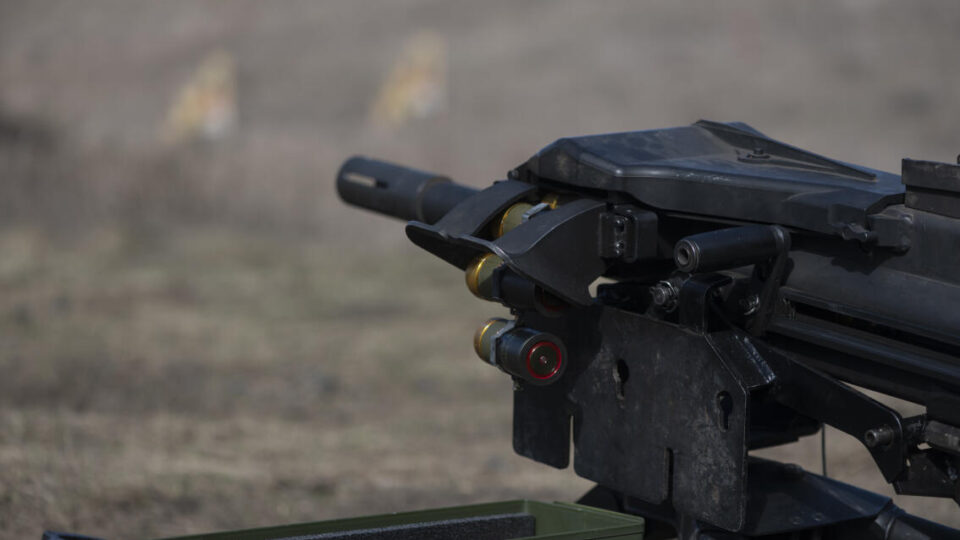
Fighting continues in the northern part of the city of Pokrovsk in the Pokrovsk direction. A mechanized assault was repelled there the day before.
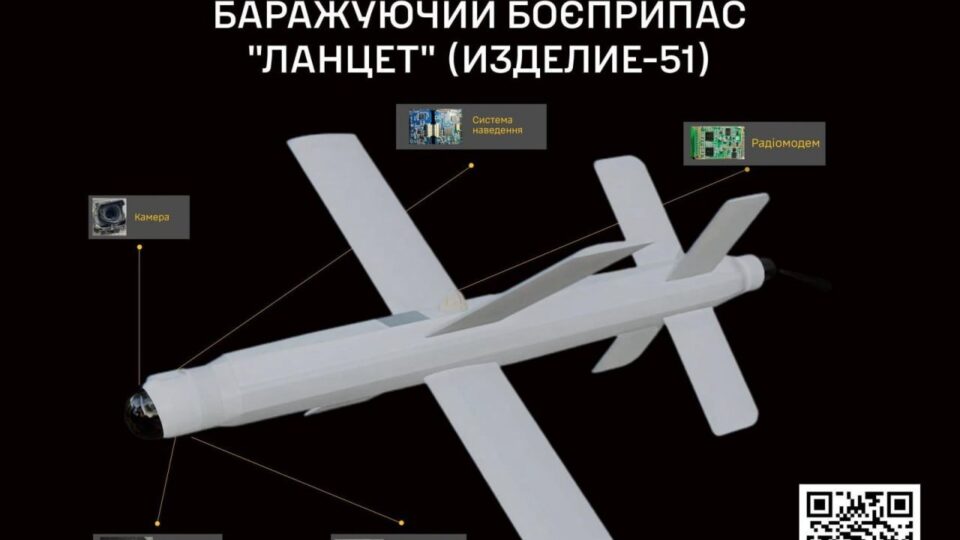
The Main Intelligence Directorate of the Ministry of Defense of Ukraine has published data on enterprises involved in the production of Russian loitering muniti

Another two-day round of negotiations between Ukraine and the United States concluded in Florida on March 22.
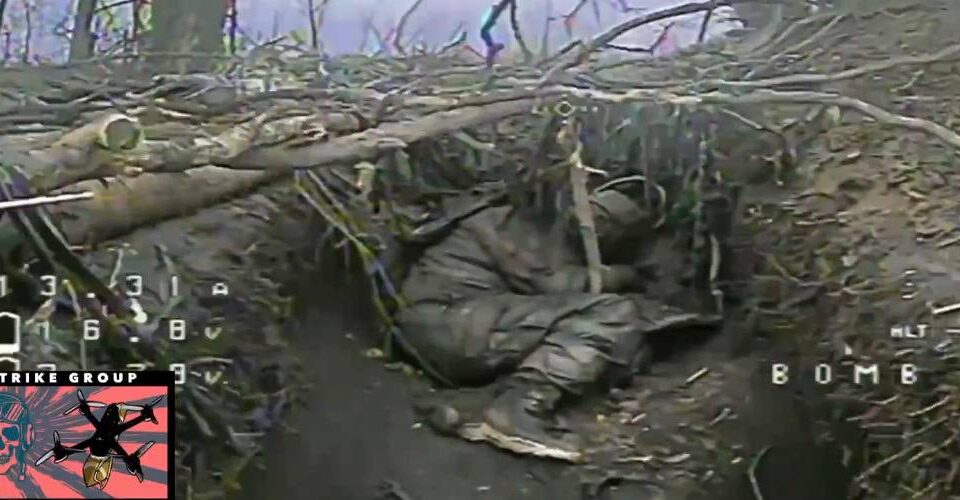
The enemy continues daily pressure and attempts to break through Ukrainian defenses in the Sloviansk direction.
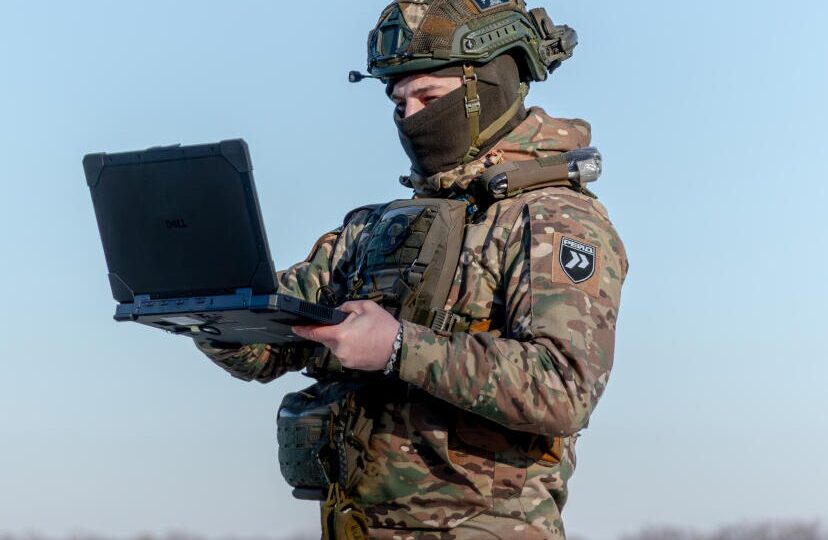
Over the past day, units of the Unmanned Systems Forces struck/destroyed 1,078 enemy targets.
The international delegation, headed by Ana Lucía Bueno, ICRC Public Health Coordinator, and Sujit Panda, Head of the Physical Rehabilitation…