
The international delegation, headed by Ana Lucía Bueno, ICRC Public Health Coordinator, and Sujit Panda, Head of the Physical Rehabilitation…


Medical evacuation has changed significantly. Since 2023, evacuation times — especially from the line of contact — have increased. There is now a need for a large number of armored specialized vehicles. This is the new reality.
This was stated on Army TV by Oleh Tokarchuk, a resident physician of the evacuation unit of the medical company headquarters of the 10th Separate Mountain Assault Brigade “Edelweiss”.
According to him, evacuations currently take an average of one, two, or even three days. One of the reasons for delays is the insufficient number of specialized vehicles. The transport available in medical companies is being independently “upgraded” — fitted with makeshift armor cages, nets, electronic warfare systems, and radio-electronic detection equipment.
“Of course, none of this is a guarantee, but it helps save personnel to some extent. However, we see that we are forced to push unarmored medical evacuation much farther back. Clearly, this is a serious challenge for units”, — Tokarchuk said.
There are also personnel issues, he noted — there is no full replenishment, and a shortage of staff is felt. However, the main need under current conditions remains appropriate equipment.
“I repeat — we need armored evacuation vehicles in combat units to conduct casevac. Such armor must also be present at the level of medical companies. Evacuation from the line of contact all the way to Sloviansk or Kramatorsk, to a mobile hospital, should be carried out using armored vehicles. The ‘kill zone’ — those 20 kilometers controlled by Russian forces using drones — is an area where only armored transport should operate”, — Oleh Tokarchuk emphasized.

The enemy is attempting to develop the production of naval drones and copy successful Ukrainian practices — both technical solutions and tactics.
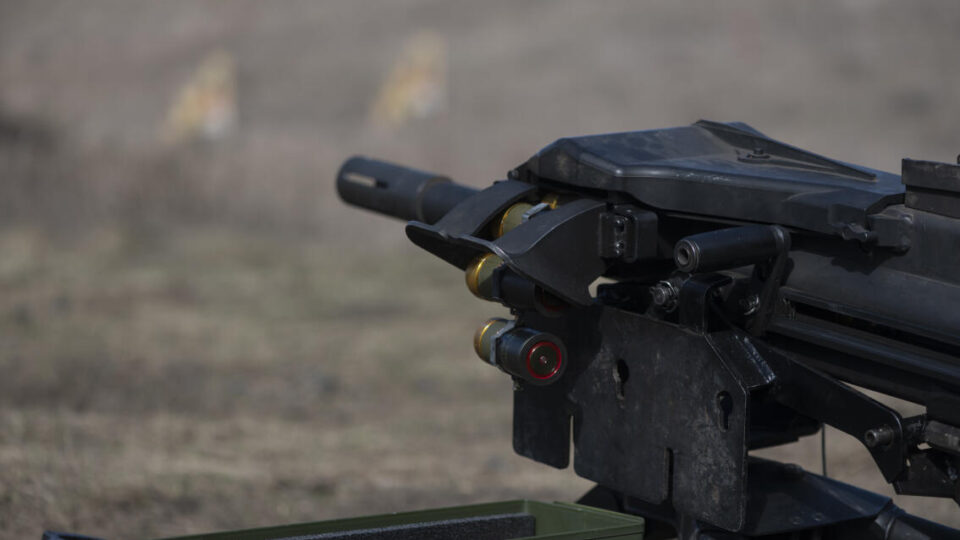
Fighting continues in the northern part of the city of Pokrovsk in the Pokrovsk direction. A mechanized assault was repelled there the day before.
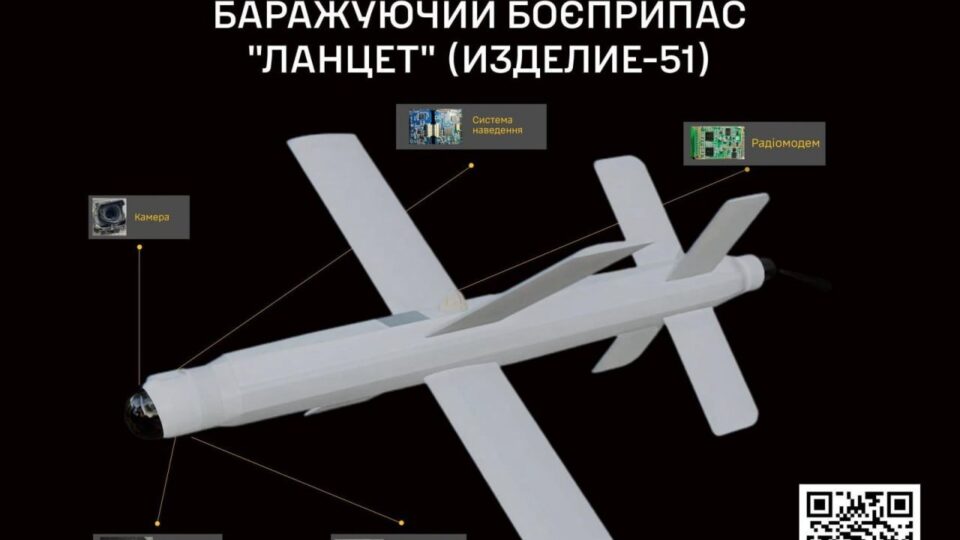
The Main Intelligence Directorate of the Ministry of Defense of Ukraine has published data on enterprises involved in the production of Russian loitering muniti

Another two-day round of negotiations between Ukraine and the United States concluded in Florida on March 22.

The enemy continues daily pressure and attempts to break through Ukrainian defenses in the Sloviansk direction.
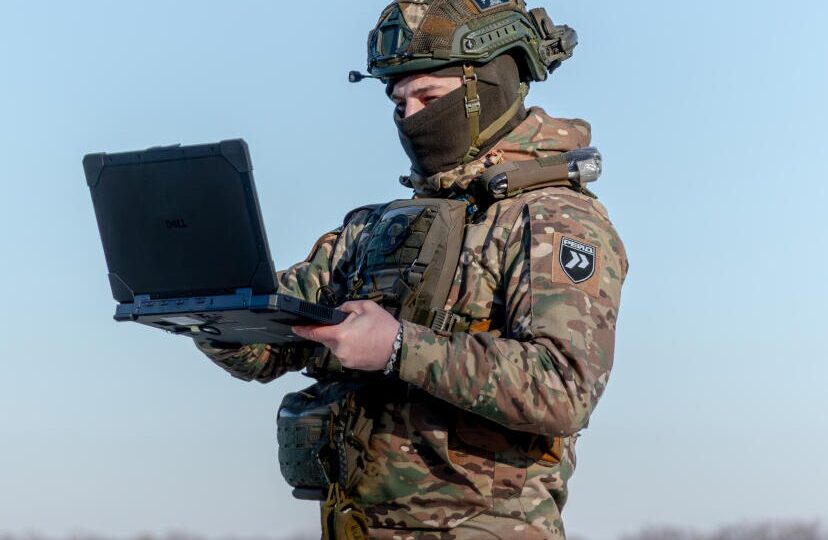
Over the past day, units of the Unmanned Systems Forces struck/destroyed 1,078 enemy targets.
The international delegation, headed by Ana Lucía Bueno, ICRC Public Health Coordinator, and Sujit Panda, Head of the Physical Rehabilitation…