
The international delegation, headed by Ana Lucía Bueno, ICRC Public Health Coordinator, and Sujit Panda, Head of the Physical Rehabilitation…


The State Emergency Service, together with the Air Force and regional military administrations, has launched a system of district-based alerts across the country, except for Donetsk and Luhansk regions.
This was reported on December 15 by the Prime Minister of Ukraine, Yuliia Svyrydenko.
Differentiating the alert signal by individual districts will help reduce the duration of alerts in communities where there is no real threat at a given moment.
“This is something that businesses and local communities have been asking for for a long time, so that enterprises can operate without downtime”, — Yuliia Svyrydenko noted.
At the first stage, the system was tested in 13 regions. It has now been expanded to all oblasts.
“The new approach has already significantly reduced the duration of alerts. This is especially noticeable in frontline and central regions.
The greatest effect has been recorded in the Dnipropetrovsk region, where some communities have received more than 100 additional days without alerts.
In the Sumy region, the time under alerts has been reduced by 50 days; in the Kharkiv region, by more than a month in some communities.
This allows critical infrastructure and businesses to operate more steadily and support economic activity in the regions.
In addition, the transmission of the signal from the Air Force to the State Emergency Service now takes not several minutes, but 8–15 seconds, which increases the speed of response”, — Yuliia Svyrydenko emphasized.

The enemy is attempting to develop the production of naval drones and copy successful Ukrainian practices — both technical solutions and tactics.

Fighting continues in the northern part of the city of Pokrovsk in the Pokrovsk direction. A mechanized assault was repelled there the day before.
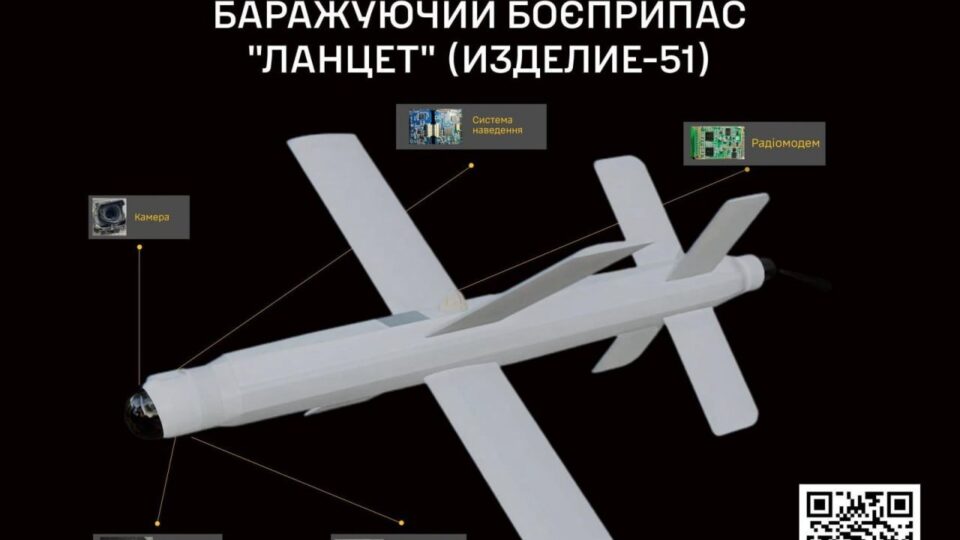
The Main Intelligence Directorate of the Ministry of Defense of Ukraine has published data on enterprises involved in the production of Russian loitering muniti

Another two-day round of negotiations between Ukraine and the United States concluded in Florida on March 22.
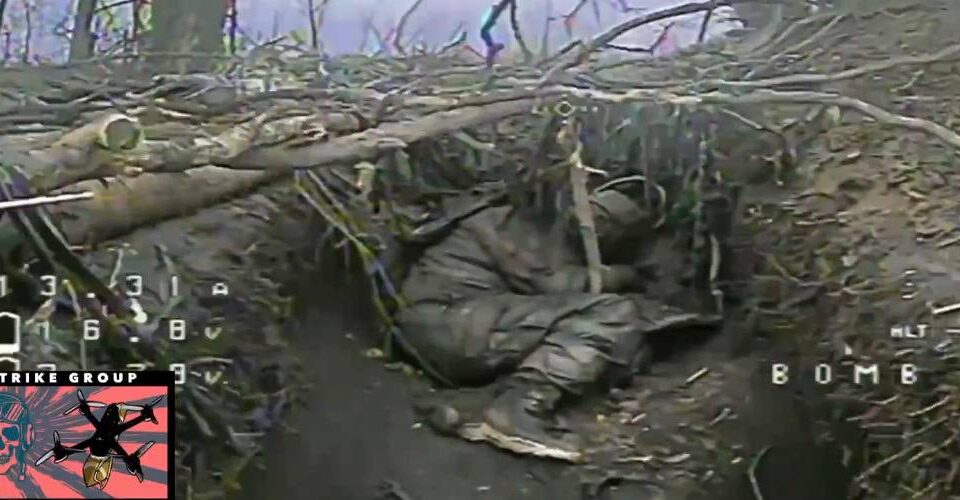
The enemy continues daily pressure and attempts to break through Ukrainian defenses in the Sloviansk direction.

Over the past day, units of the Unmanned Systems Forces struck/destroyed 1,078 enemy targets.
The international delegation, headed by Ana Lucía Bueno, ICRC Public Health Coordinator, and Sujit Panda, Head of the Physical Rehabilitation…