Ground robots in War: how UGVs are opening safer forms of service in the Armed Forces of Ukraine

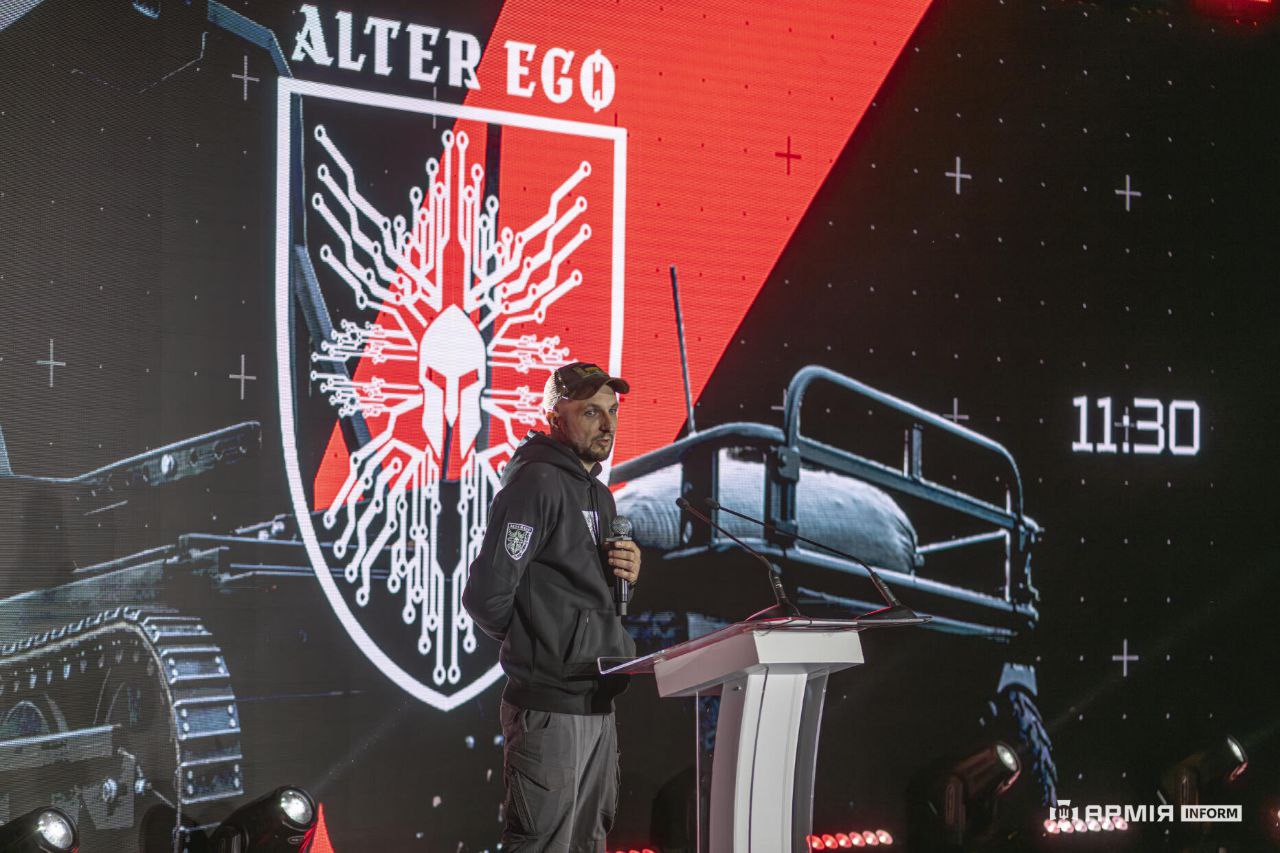
On December 11, 2025, the Defense Forum “Ground Robotic Systems in War. Challenges and Solutions” took place in Kyiv. The event was organized by the 93rd Separate Mechanized Brigade “Kholodnyi Yar”.
The forum brought together military practitioners and national manufacturers to discuss how to scale the successful combat experience of employing ground robotic systems (GRS) within the Armed Forces of Ukraine.
Representatives of more than 100 combat brigades took part in the forum, along with Ukrainian manufacturers of ground robotic systems. Through presentations and panel discussions, military personnel who have already gone through the process of implementing GRS shared practical case studies and their vision for the further development of this capability.
Practical experience of brigades
Within the 93rd Separate Mechanized Brigade, the Alter Ego unmanned ground systems battalion has been operating since November 2025. Individual brigades — including the 3rd Assault Brigade and “Khartiia” — also have GRS units within their structures.
These units carry out logistics tasks, evacuation of wounded and fallen personnel, and have confirmed cases of combat employment — including engaging the enemy using remote means.
-
- Фото: Віталій Павленко
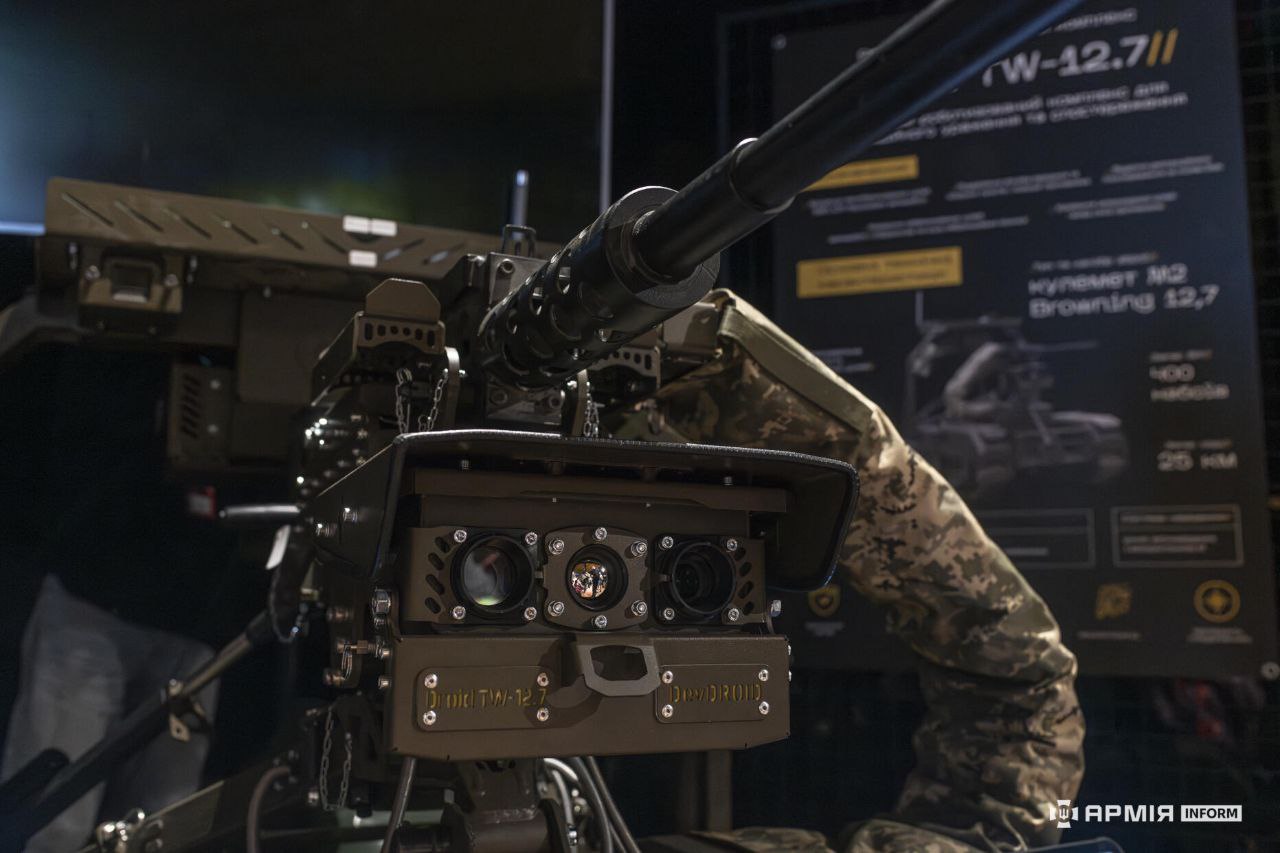
According to forum participants, 2026 will become the year of large-scale deployment of GRS within brigades; however, commanders are already facing practical issues related to the rapid and effective deployment of such units.
Key challenges discussed at the forum
Participants outlined four main blocks of challenges and solutions:
- Personnel. What specialists are needed for GRS units, where to find them, and how to quickly train operators, mechanical engineers, and commanders.
- Armament. Which GRS models should be procured: what actually works “out of the box”, does not require excessive customization, and allows systems to be quickly integrated into combat operations; how to establish effective and rapid feedback with manufacturers.
- System. How to build internal processes within a brigade: workshops, mission planning and analysis, personnel training, as well as evaluation of the effectiveness of GRS employment.
- Coordination. How to establish and balance interaction among the military, training centers, manufacturers, and the state in the context of scaling, so that each party assumes its inherent function while providing appropriate resources and support.
Service safety and human potential
It was emphasized separately that GRS open opportunities for safer military service — performing remote missions at distances of 10–50 km. This is important both for the mobilization and recruitment of civilians and for the retraining of infantry personnel who have undergone treatment or rehabilitation after injuries and wish to continue their service.
An additional factor driving increased interest in GRS was a recent decision by the Ministry of Defense of Ukraine to allow schools for unmanned systems operators to also train specialists in ground robotic systems.
“If earlier we operated GRS at a distance of 10 kilometers, now we can reach Donetsk”, — one of the speakers summarized the pace of GRS development in the military.
ArmyInform regularly covers the implementation of GRS in the Ukrainian Armed Forces and, in upcoming publications, plans to share key insights from the Defense Forum that will help provide a deeper understanding of ground robotic systems and their role in modern warfare.