“They collected 73,000 in a file folder”: how Cossack traditions were revived in the Ukrainian military

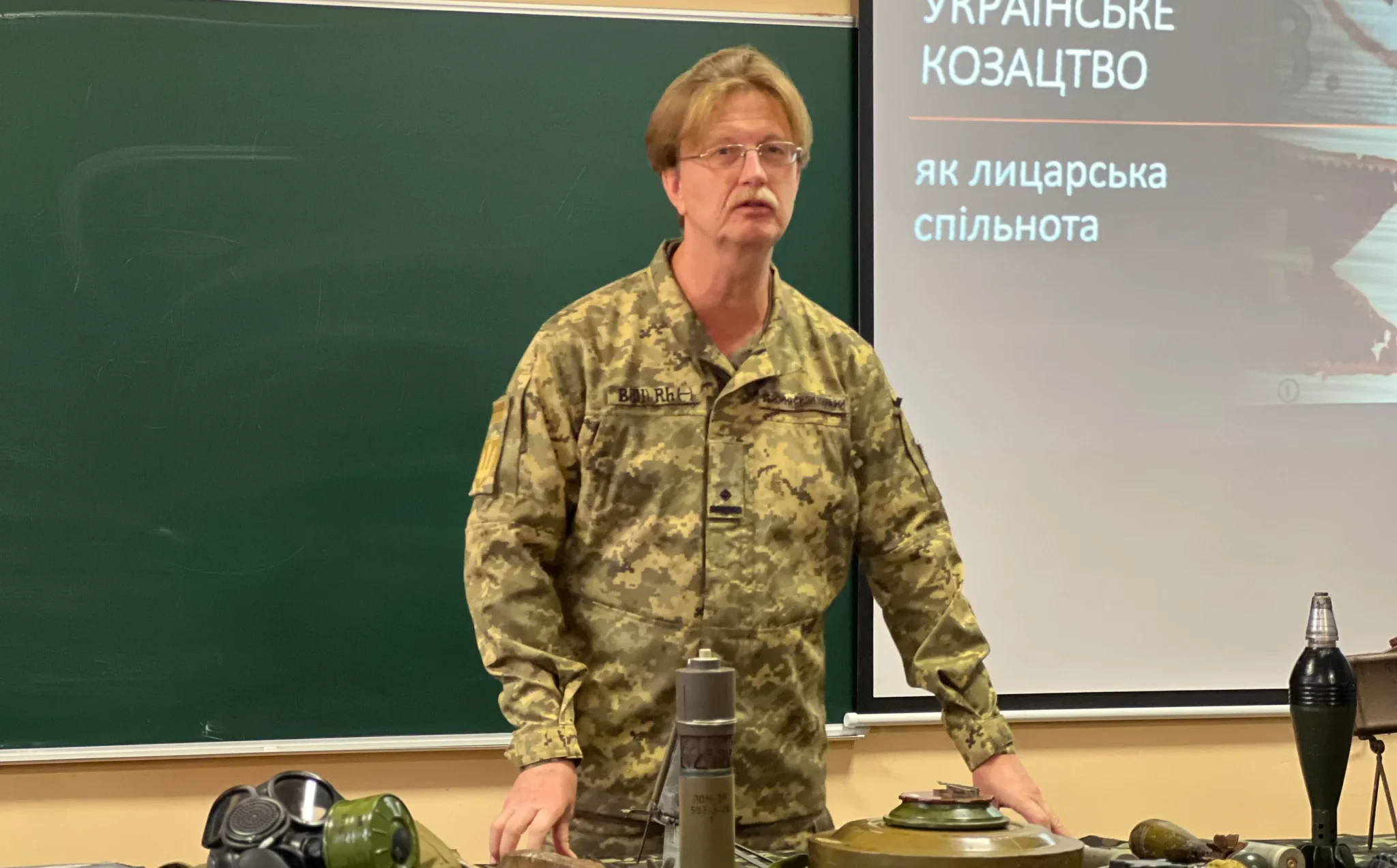
When Russia launched its open armed aggression against Ukraine in 2014, the invaders expected Ukrainians to offer no mass organized resistance.
However, the aggressor gravely miscalculated, because the image of a helpless, passive Ukrainian — crafted by Russian propaganda — turned out to be completely false. Instead, the occupiers encountered Ukrainian warriors who revived the martial spirit of the legendary Cossacks.
Major Oleh, with the callsign “Student”, who after a concussion and injury now serves as head of the Personnel Psychological Support Group of the Dnipro District Territorial Recruitment and Social Support Center (TRSSC) in the Dnipropetrovsk region, told ArmyInform about this and about his combat path.
A draft notice for a university associate professor
Major of the Armed Forces of Ukraine Oleh, callsign “Student” from Dnipro, is a professional historian in civilian life. A PhD in History and an associate professor at the Oles Honchar Dnipro National University, he twice had an opportunity to receive an official deferment — and twice consciously refused it, choosing instead to join the Defense Forces.
“I was born in 1973 in the city of Dnipro. I studied at the Faculty of History of the Dnipro National University. In 1995, I became a lecturer and later an associate professor in the Department of Ukrainian History at the same institution.
I also worked in municipal structures in Dnipro related to the city’s history. And right before the full-scale invasion, in addition to my university position, I was also an employee of the Dnipro History Museum”, — the serviceman recounts.
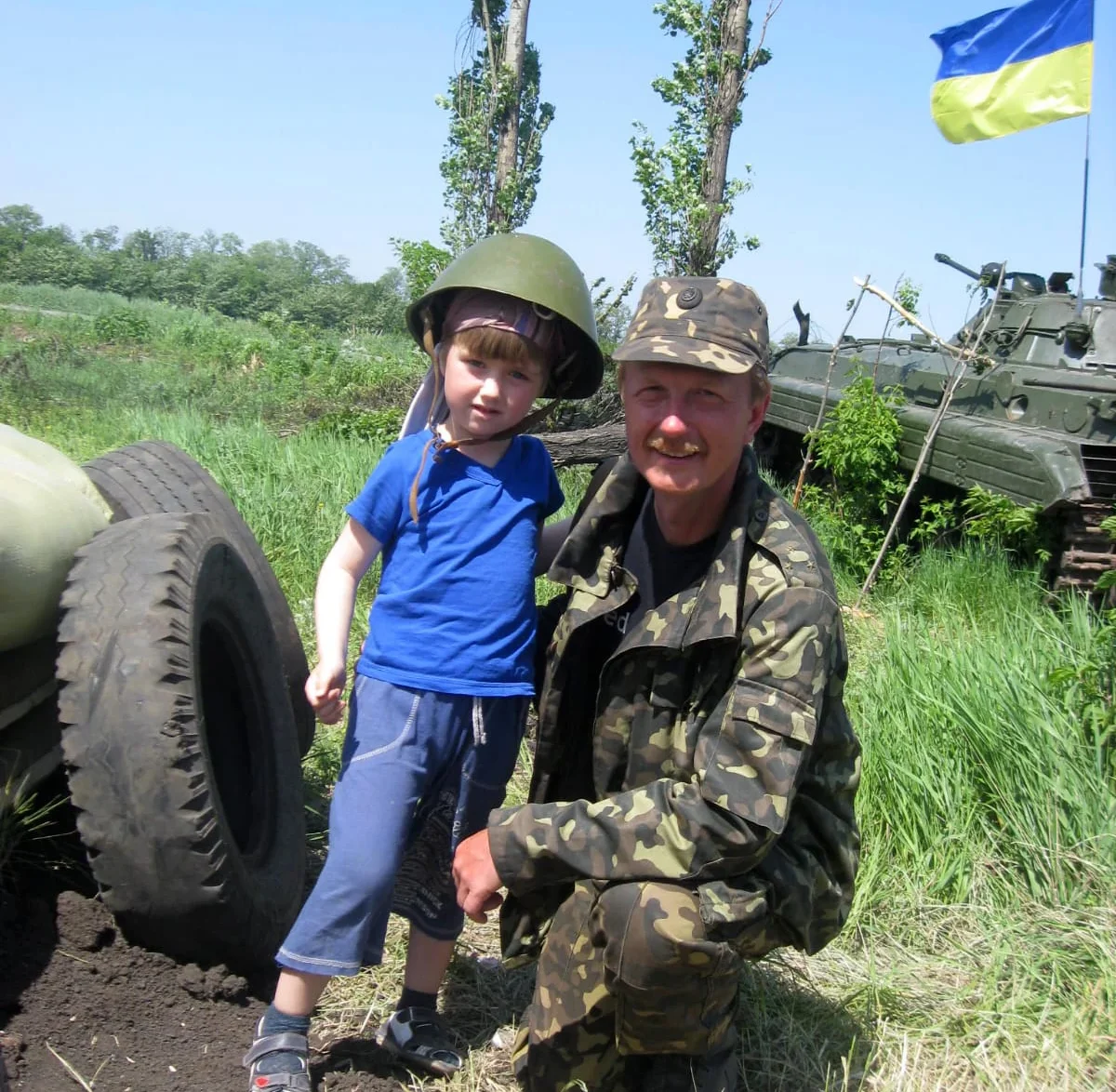
When the mobilization notice came, Oleh did not hesitate. He first joined the Armed Forces of Ukraine at the beginning of Russian aggression in 2014, and a second time — after the start of the full-scale invasion in 2022.
“I received the draft notice on March 20, 2014. When you get such a document, you ask yourself whether you’re ready to make the decision and whether you’ll be able to look at yourself in the mirror afterward — that’s all. And according to your answer, you respond to the call.
Back in 2014, I was mobilized into the 93rd Brigade, now proudly called ‘Kholodnyi Yar’. I fought in infantry. It was the Karlivka, Avdiivka, and Pisky area. Near Pisky, I suffered a concussion and shrapnel injury, was deemed limited fit, and demobilized in 2015”, — he recalls.
Oleh returned to civilian life and his beloved profession. There was no second notice — on the morning of February 24, 2022, he was already at the enlistment office. The scholar and lecturer, previously declared limited fit but with combat experience, was offered a position at the TRSSC, which during the large-scale war urgently required qualified servicemen.
“Student” — continuing a Cossack tradition
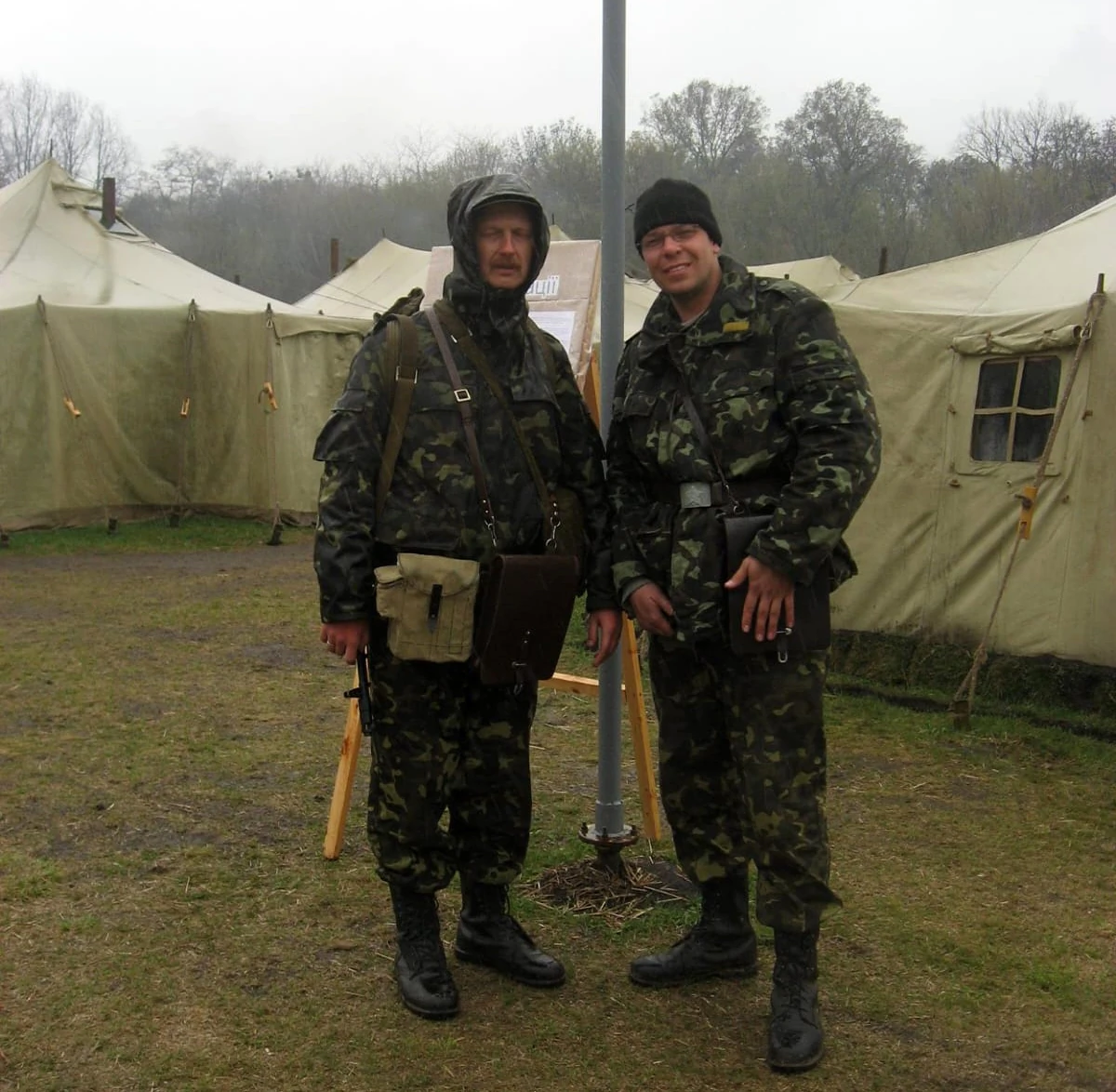
During his service in a combat unit in 2014–2015, Oleh received the callsign “Student”, a reference to his academic work. As a specialist on Cossack history, he explains that such naming stems from an old Ukrainian military tradition of giving comrades humorous, good-natured nicknames.
“Now I serve in a rear structure, and you don’t use callsigns in the rear. But back then they gave me ‘Student’ — it was a continuation of the Cossack tradition of joking with your comrades. For example, if you’re very tall, your callsign might be ‘Tiny’.
We had a guy who was nearly two meters tall, a hand-to-hand combat master — and his callsign was ‘Gnome’. And I, as an associate professor and lecturer, became ‘Student’”, — the officer smiles.
He notes that he often observed similar spontaneous revivals of Cossack traditions. For a historian, this continuity was obvious — but most comrades didn’t even think about it. Thus, the Cossack spirit lived among Ukrainians even when they weren’t consciously aware of it.
73,000 hryvnias in a file folder on the table
One of the most vivid episodes illustrating the persistence of Cossack customs among Ukrainian soldiers is the story of 73,000 hryvnias forgotten in a file folder. The officer’s telling of the incident is deeply emotional:
“It’s fascinating to observe moments when the past surfaces in the present. Once, when we were stationed near Avdiivka, something happened that reminded me very much of Zaporizhian traditions.
Our finance officers came directly to our positions and issued cash to the troops. But what were we to do with money in the middle of the steppe?
The guys proposed sending a courier to Krasnoarmiisk — now Pokrovsk — to transfer the money to their families. They asked me, as an officer, to organize the process: collect the money, make a list, and send a soldier with the task.
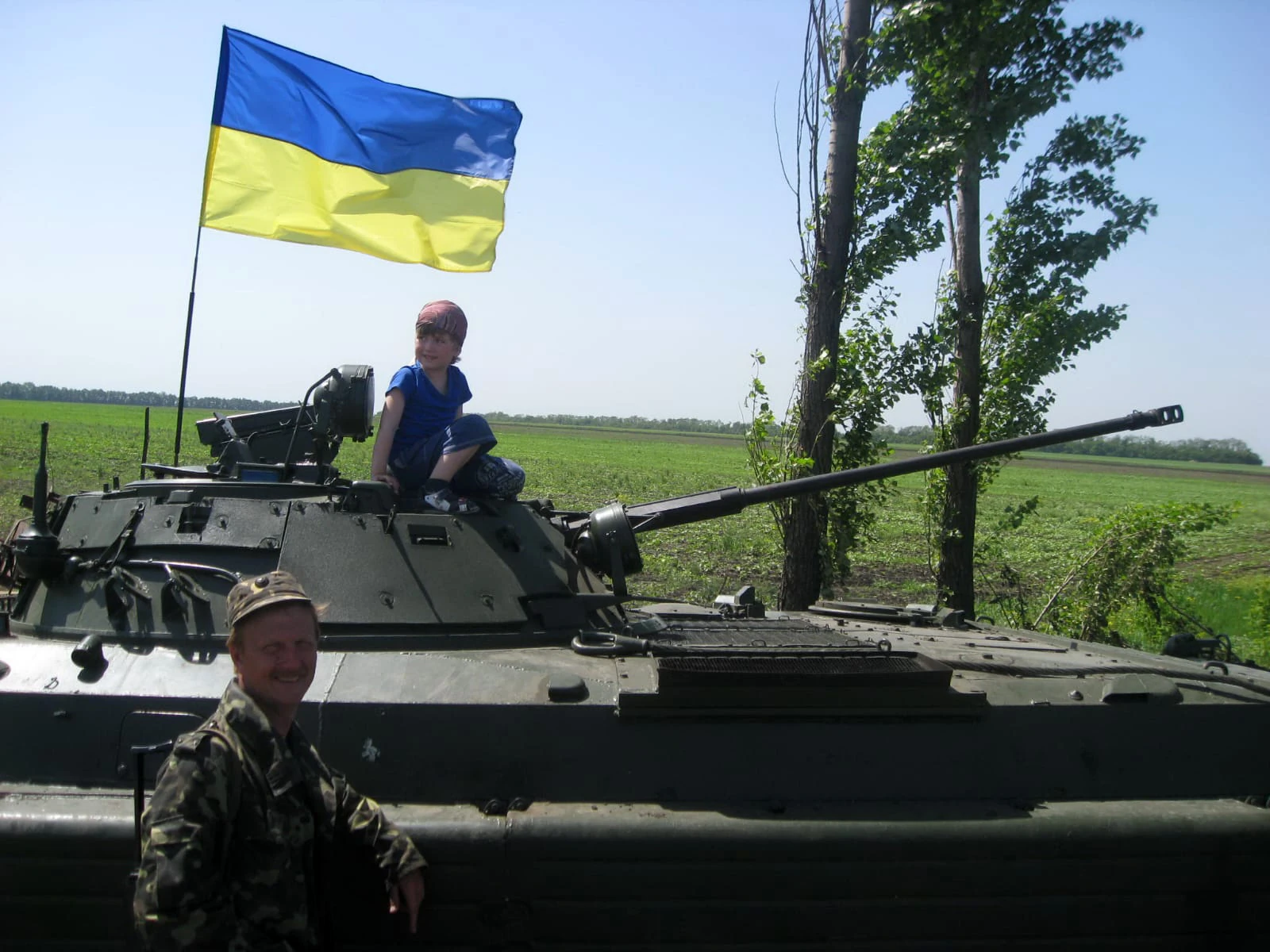
We collected 73,000 hryvnias in a file folder, wrote the list with all the data. At that very moment, shelling began, and the folder was left on the table. The shelling ended, several hours passed — and only then did I remember the money.
I’ll be honest: my hair stood on end, because 73,000 was a huge amount back then — and still is. I came back — and the folder was exactly where we left it. I counted — everything was there, nothing was missing.
It reminded me very much of Dmytro Yavornytskyi’s descriptions that on the Sich one could lose or simply leave a purse with money anywhere, and after a long time it would still be there — because no one dared touch someone else’s property”.
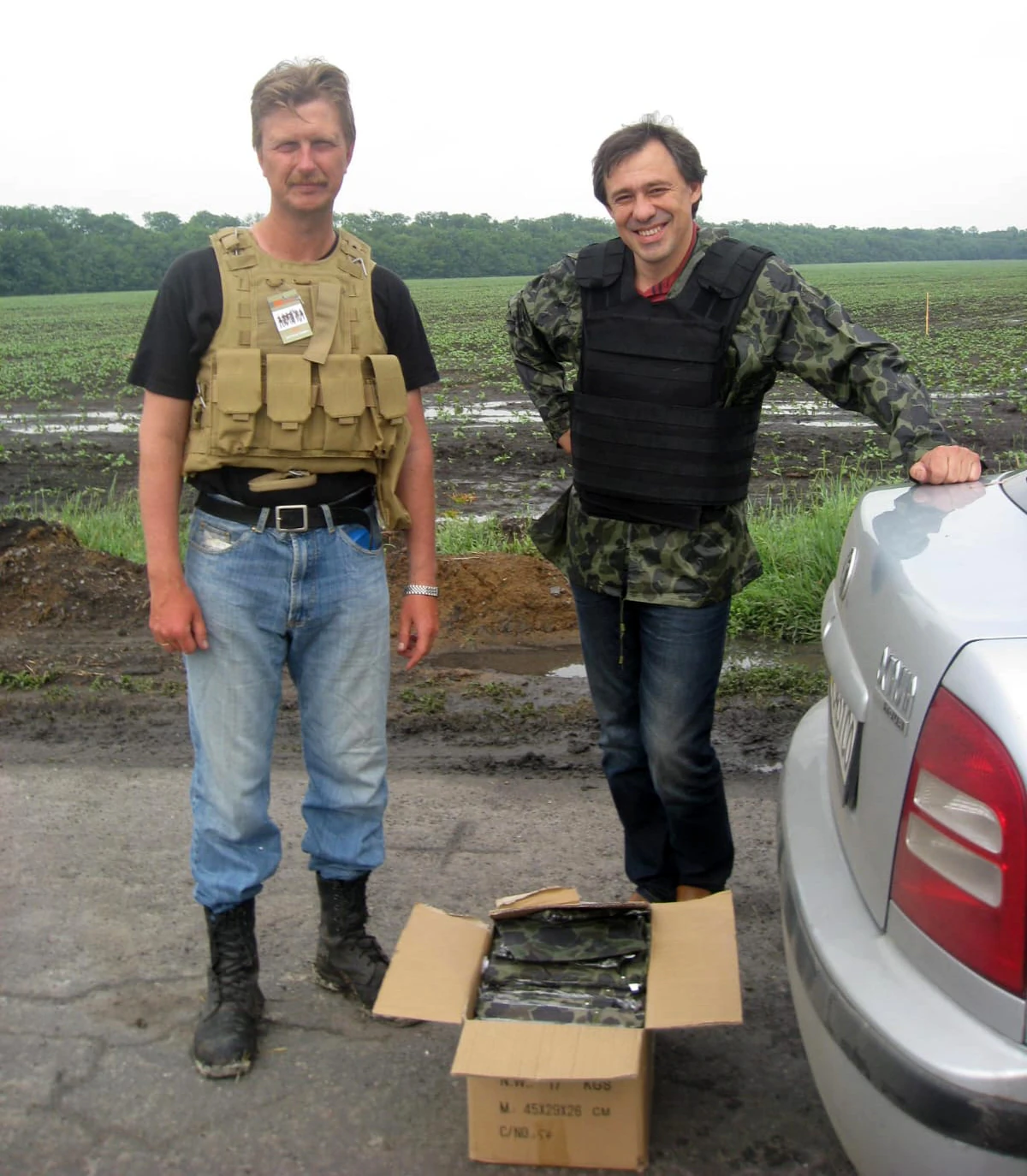
Going under fire like going to work
During the ATO, the combat role of the unit where Oleh served consisted mostly of defense. There were regular exchanges of fire with the enemy, and at times they had to repel assaults by those who were then called “separatists”.
In reality, even then the Defense Forces were fighting Russian combatants — including regular servicemen concealing their affiliation with the Russian Armed Forces — as well as local collaborators.
“It was routine infantry work; I took part only in defensive battles. We repelled attacks; there were one or two shellings a day. One of them always in the evening.
It reached the point that the guys would go to repel assaults and endure shelling as if going to work. Some had met girls in a nearby town and occasionally asked permission to go on a date.
But they always returned by the usual time of enemy activity. At 21:00 the exchange of fire would begin, and by 20:00 everyone who had permission to leave was already back”, — the serviceman says.
During one such shelling, “Student” suffered a concussion and injury. If not for his protective gear, he says, he might have been killed — the shrapnel hit his helmet just two finger-widths from his ear.
“So you must always wear your helmet. Had I not worn it, I wouldn’t be talking to you right now. The first thought I had when I regained consciousness was: ‘Finally, I’ll get some sleep’”, — he says.
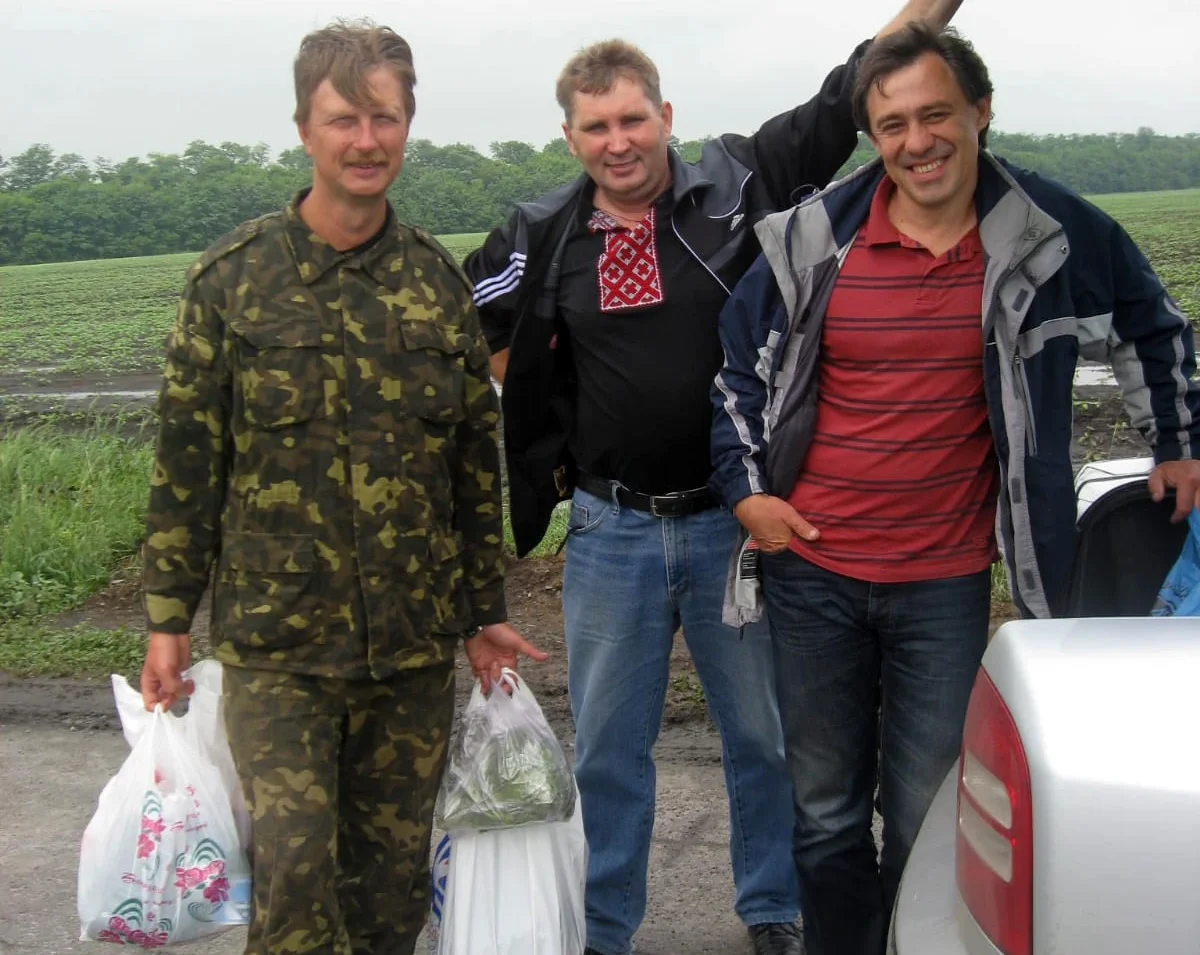
The war revived the military spirit of Ukrainians
As a historian, scholar, and lecturer, Major “Student” reflects on the nature of Russia’s current aggressive war against Ukraine.
“For a long time, Ukrainians lived in the ideological propaganda environment of Russia and the Soviet Union. We were assigned a niche — a role of kind, colorful natives with interesting songs, dances, and cuisine — but without political identity or the right to statehood.
Remember how Ukrainians are portrayed in traditional Russian and Soviet humor: a cunning but naïve, simple-minded man who is always inferior to the smarter, more educated Russian and must always listen to his advice. Recall stage characters like Tarapunka and Shtepsel, or the ‘Krolyky’ duo.
The Ukrainian character was slow, not very bright, spoke in some sort of surzhyk. Meanwhile, the Russian character was always portrayed as educated, articulate, and dignified.
Another imposed stereotype was that Ukrainians were exclusively peaceful farmers who didn’t know how to fight and must submit to those who ruled them.
This caused the military component of Ukrainian identity to wither — it was seen as alien or marginal. Many Ukrainians began to believe in this Russian-made image. But the greatest trap for Russians was that they themselves believed in the stupid ‘khokhol’ stereotype they had invented”.
But 2014 — and especially 2022 — proved that viewing Ukrainians as a defenseless nation is completely detached from reality.
“The military component of Ukrainian identity has powerfully revived, and Ukrainians have convincingly shown that the Armed Forces of Ukraine are among the strongest armies on the planet”.
Ukraine’s mobilization challenges are not unique
Another topic Major “Student”, as a military historian and head of a psychological support group at the TRSSC, reflects on is mobilization.
“As a military historian, I can say that the mobilization challenges Ukraine faces are not unique. Many countries fighting major wars have faced them.
In any society, a certain percentage of people will be the first to defend the country. There is also a small portion that will never fight — they’d rather accept occupation or go to prison. And then there is the majority — who will agree to mobilize if the state creates appropriate conditions, both incentive-based and regulatory.
The TRSSC is the structure through which the majority of personnel enter the Armed Forces. It is the point where a person leaves their normal civilian life and enters the military, where rules are strict and there is a real danger of being killed.
Naturally, many people won’t like that — most are not ready to give up their usual life. The common thought is: let someone else defend the country; I’m not made for war. But by law, you must also fulfill this duty. And the structure that reminds you of this obligation may be perceived negatively by some.
Enemy propaganda exploits this, demonizing the TRSSC to derail mobilization. For Russia, targeting TRSSC servicemen is one of the main tools to win against Ukraine — because if the Defense Forces do not receive reinforcements, the aggressor will prevail.
Therefore, we must not fall for enemy propaganda and must fulfill our civic duty. If the mobilization process through the TRSSC is unpleasant to someone, there are recruiting centers and the possibility to apply directly to military units. This allows each person to choose their own path into the Armed Forces of Ukraine or, more broadly, the Defense Forces”.
Photos from the hero’s personal archive