
The international delegation, headed by Ana Lucía Bueno, ICRC Public Health Coordinator, and Sujit Panda, Head of the Physical Rehabilitation…

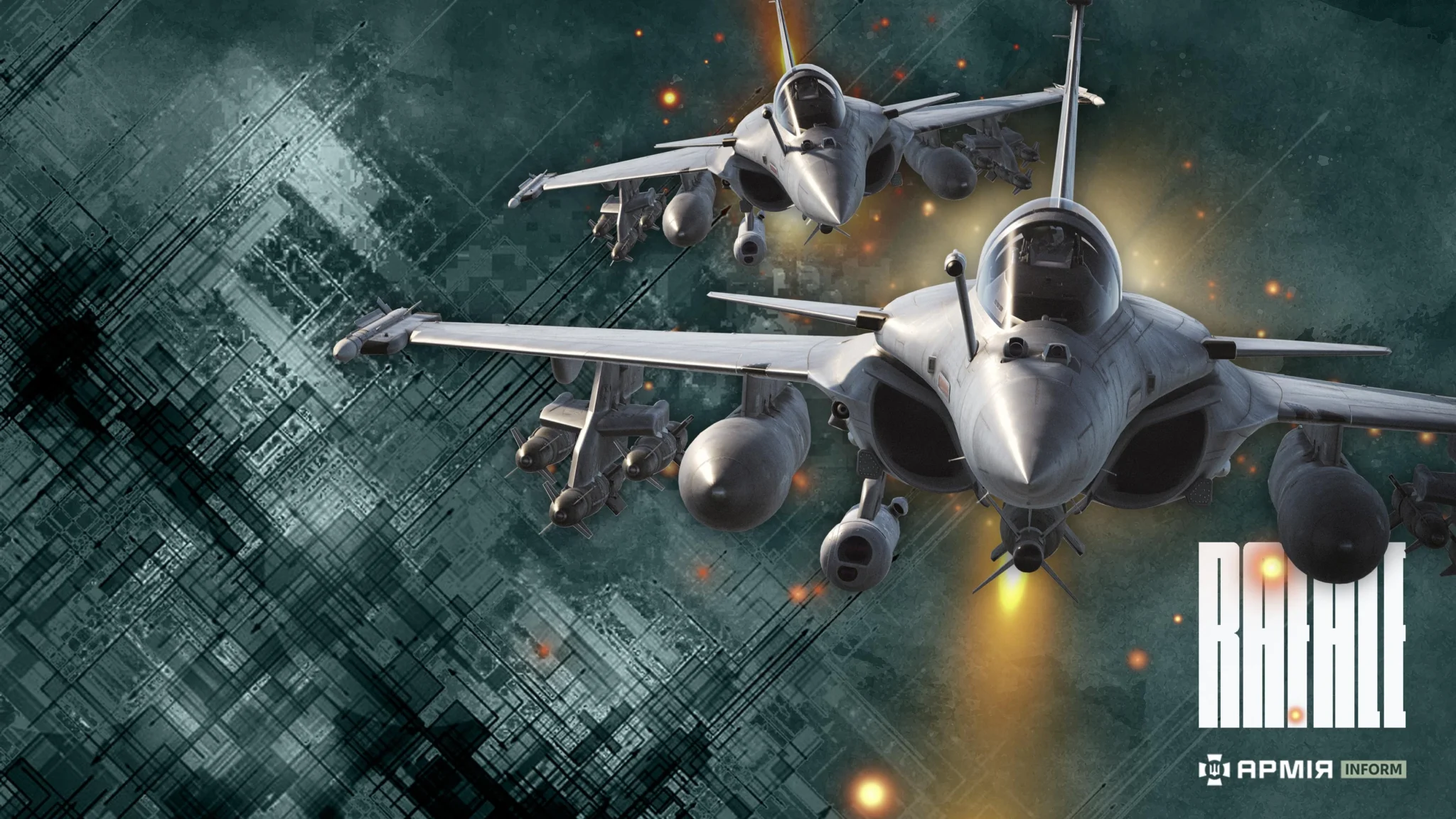
Ukraine has placed an order in France for 100 Rafale fighter jets. At the Villacoublay Air Base on 17 November, Presidents Zelensky and Macron signed a declaration of intent regarding cooperation in the acquisition of defence equipment for our country.
Minister of Defence Denys Shmyhal disclosed some of the results of the Ukrainian President’s visit to France. In particular, an agreement was reached on the provision of French 4th-generation multirole fighters developed by Dassault Aviation. The official wrote about this on Telegram.
He noted that this concerns one of the best aircraft that can be used for the defence of Ukraine.
The history of the aircraft’s development, its variants, and its combat employment was detailed to an ArmyInform reporter by a researcher of military history, technology and weaponry, Doctor of Historical Sciences, professor at the Hetman Petro Sahaidachny National Ground Forces Academy Andriy Kharuk.

— Andriy Ivanovych, where does the story of this now-famous French fighter actually begin?
— In 1975, France began research aimed at developing the ACT (Avion de Combat Tactique) tactical combat aircraft. The platform was viewed as a complement to the lightweight Mirage 2000 interceptor, which was optimised for air-defence tasks. The heavier ACT was intended to perform a much wider range of missions: air superiority, strikes against ground (and surface) targets, and reconnaissance.
It was meant to replace the Mirage F1 and Jaguar aircraft, and its carrier-based variant, the ACM (Avion de Combat Marine), was intended to replace the Étendard IVP, Super Étendard, and F-8E(FN) Crusader. In 1978, Avions Marcel Dassault received two contracts from the French government to develop the ACT and ACM aircraft.
— In your opinion, what distinguishes this combat aircraft from other 4th-generation fighters? What key engineering solutions were chosen for the Rafale during the design stage?
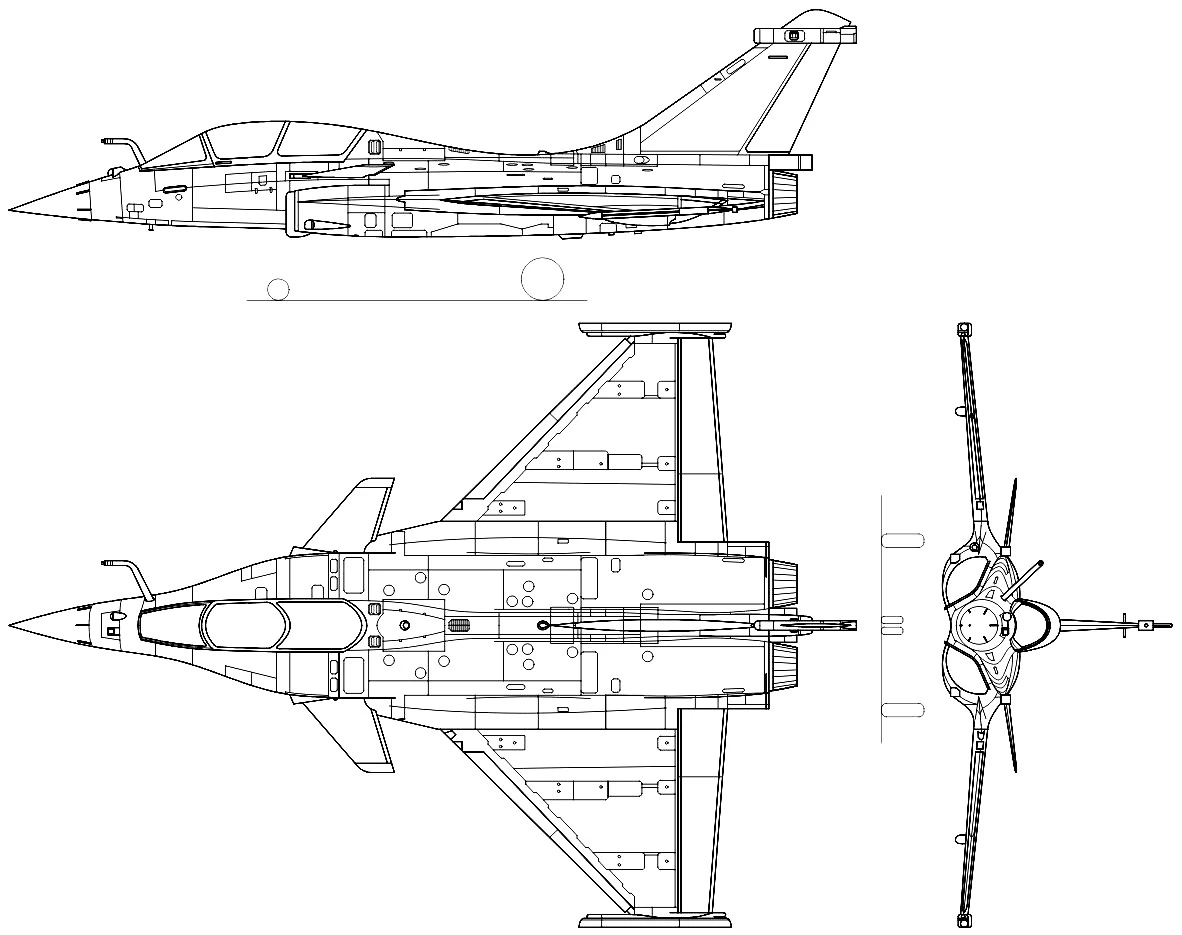
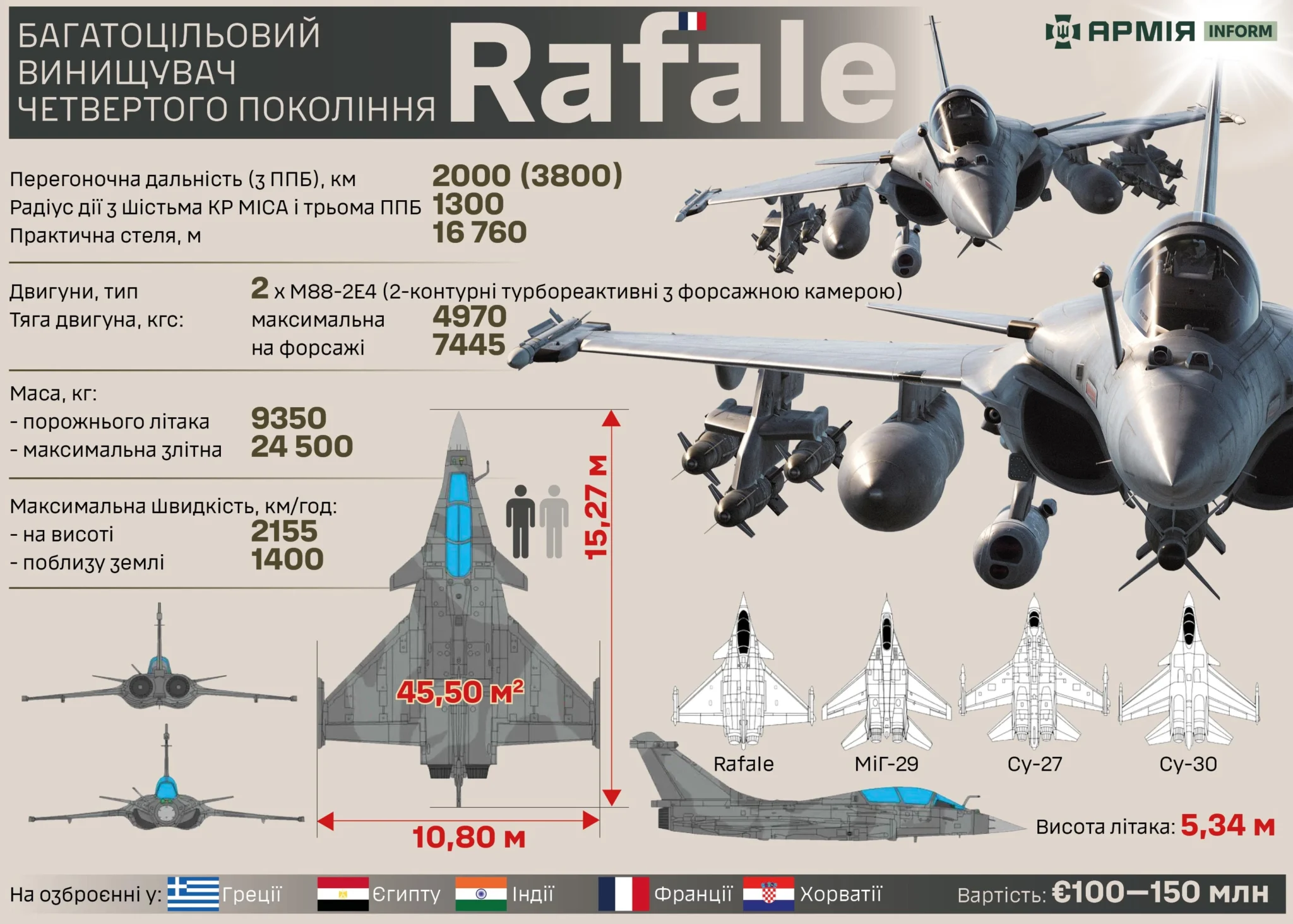
— The designers chose a canard configuration with fully movable foreplanes and a delta wing. A digital fly-by-wire system was planned. The powerplant was to include two new SNECMA M88-2 afterburning turbofan engines.
To test the main design solutions, a technology demonstrator, the ACX—later named Rafale A—was built. Because the M88-2 engine was not yet ready for the initial test phase, the Rafale A was equipped with American F404-GE-400 afterburning turbofans, each producing 7,015 kgf of thrust. Only in early 1990 was a single M88-2 engine installed, replacing the left-side F404.
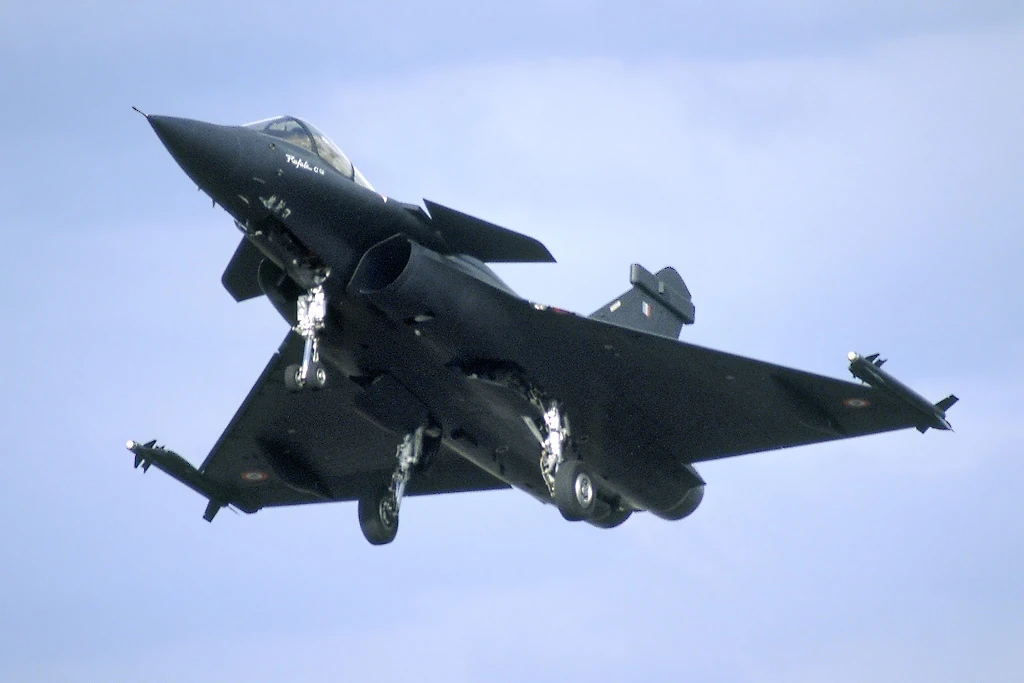
In 1988, a decision was made to develop three serial variants: the single-seat Rafale C and two-seat Rafale B for the Air Force, and the single-seat Rafale M for the Navy. In April of that year, the government ordered the Rafale C01 prototype. It began flight testing on 19 May 1991.
Compared to the Rafale A, it had smaller dimensions and lower weight. On 30 April 1993, the prototype of the two-seat Rafale B01 conducted its maiden flight. It was considered not so much a trainer as a fully capable combat aircraft. Ultimately, the Rafale C/B combination embodied the same concept the Americans realised with the F/A-18E single-seater and F/A-18F two-seater pair.
— So it was decided from the start to create platforms both “for the sea” and “for the land”. Which variant was the priority?
— Updating the aircraft fleet of the French Navy’s carrier aviation was far more urgent than for the Air Force. Therefore, development of the Rafale M carrier-based fighter progressed at an accelerated pace. On 18 December 1991, the Rafale M01 prototype made its first flight. On 19 April 1993, the aircraft performed its first landing on the deck of the aircraft carrier Foch.
The Rafale M has several features dictated by carrier operations: a tailhook, catapult launch fittings, reinforced landing gear, and an automatic carrier landing system. Unlike most modern carrier fighters, its wings do not fold.
The first serial Rafale M began flight tests on 7 July 1999. A year later it was transferred for operational testing to Flottille 12F, and in 2002 the Rafale M was officially commissioned into service. In the Air Force, the first Rafale squadron—EC 1/7—was formed only in summer 2006.

— What solutions were ultimately implemented by designers and engineers at the serial-production stage — particularly regarding the powerplant?
— The Rafale extensively uses composite materials. The powerplant of serial aircraft consists of M88-2E4 engines with 4,970/7,445 kgf maximum/afterburning thrust. In the future, M88-3 engines producing 9,180 kgf on afterburner are expected.
Internal fuel capacity is 5,900 litres on single-seat variants and 5,300 litres on the Rafale B. Up to five external fuel tanks can be carried: one 2,000-litre centreline tank and four 1,250-litre wing tanks. Additionally, the jet can carry two 1,150-litre conformal fuel tanks on the upper fuselage (behind the cockpit). Carrier-based Rafale M jets can also carry buddy-refuelling pods, allowing them to act as tanker aircraft.
All Rafale variants are equipped with the Thales RBE2 passive phased-array multimode radar. The radar has been upgraded continuously throughout production: early jets with the F1 standard carried a radar capable only of air-to-air modes, tracking up to 40 targets and guiding missiles against eight simultaneously.
Standard F2 radars gained the ability to detect stationary ground targets, and only F3-standard aircraft are equipped with the fully multimode RBE2-AA AESA radar. Its detection range is at least 50% greater.
The radar is complemented by the OSF electro-optical system (installed starting from the F2 standard), which includes two modules: a TV-laser channel and an infrared search-and-track sensor. For the employment of high-precision laser-guided weapons, the Damocles targeting pod is used, while F3R aircraft are compatible with the Talios targeting-reconnaissance pod.
For tactical reconnaissance, the RECO-NG pod is used, featuring electro-optical sensors and real-time data transmission.
The Rafale is equipped with the SPECTRA electronic warfare suite, providing radar- and laser-warning, missile-launch warning, active jamming, and chaff/flare dispensing.
— What is known about the aircraft’s armament?
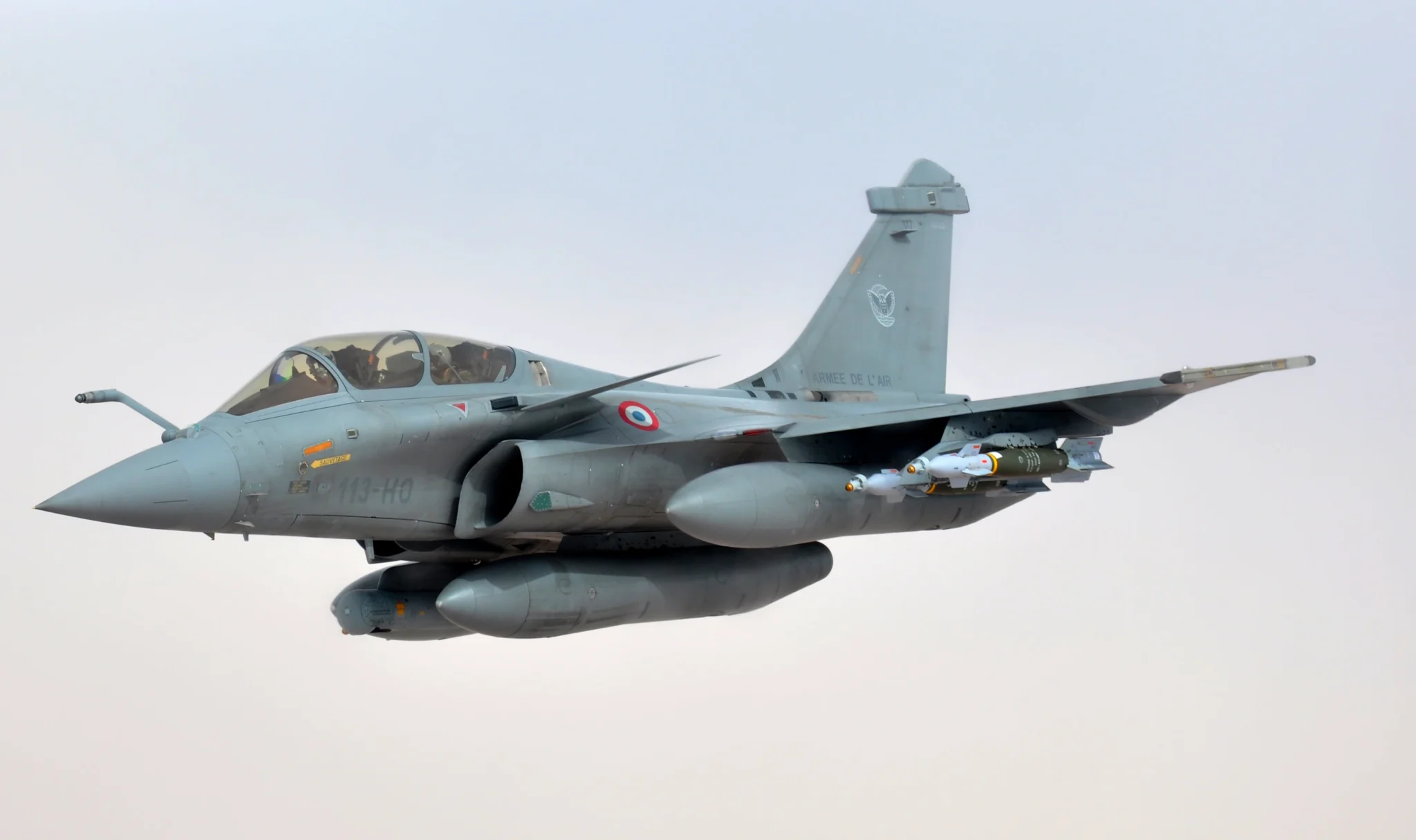
— Internal armament includes a 30-mm GIAT 30M791 cannon (125 rounds). The Rafale C/B has 14 external hardpoints: two centreline, two under the air intakes, two at the rear fuselage, six under-wing, and two wingtip stations.
The Rafale M has 13 hardpoints — it lacks the forward centreline pylon.
Its primary air-to-air weapons are MICA medium-range missiles, in two variants: the MICA EM with active radar seeker, and the MICA IR with an infrared seeker. The Rafale can carry up to eight of them. The aircraft can also use R.550 Magic short-range missiles, and F3R-standard Rafales have received the long-range Meteor missile.
The Rafale can employ a wide range of precision air-to-surface weapons: AASM guided bombs, Apache and SCALP EG cruise missiles. F3 aircraft can use ASMP-A nuclear cruise missiles and AM-39 Exocet anti-ship missiles.
Notably, the Rafale was originally not intended to use unguided air-to-surface munitions (free-fall bombs and rockets). Certification for such weapons was conducted only at the request of an export customer (Qatar). The maximum external payload is 9,500 kg.
In 2023, the French Air Force received its first F4-standard aircraft. This standard features more powerful M88-4 engines and upgrades for network-centric operations. F4 Rafales have a new electro-optical system, a helmet-mounted display instead of a HUD, and new MICA NG missiles.
— In what quantities and at what pace were these aircraft delivered to the Armed Forces of the French Republic?
— Initial plans envisioned the procurement of 250 Rafales for the Air Force and 86 for the Navy, but these numbers were later reduced. By 2020, 180 aircraft had been ordered: 69 Rafale C, 63 Rafale B, and 48 Rafale M. All were delivered by 2024. The majority had already been received earlier, with first deliveries beginning in 1998.
Taking into account several aircraft lost in accidents and the sale of 24 used jets abroad, as of 2025 about 100 aircraft remained in Air Force service and 41 in the Navy (Rafale M). In 2021, an additional 12 aircraft were ordered to replace those sold to Greece, and in December 2023 another 42 F4-standard aircraft were ordered, with deliveries beginning in 2027.
In naval aviation, three flotillas at Landivisiau Air Base are equipped with Rafales: 12F (from 2001), 11F (from 2011), and 17F (from 2016).
In the Air Force, the test squadron ECE 5/330—later renamed EC 1/30—was the first to begin operating Rafales. Stationed at Mont-de-Marsan, it received its aircraft in December 2004. Two more squadrons of the 30th Wing at the same base—EC 2/30 and EC 3/30—began re-equipment in 2012 and 2016 respectively. They are multirole units, as is EC 1/7 at Al-Dhafra Air Base (UAE).
The latter began transitioning to the Rafale in 2006 and remained in Saint-Dizier until 2016. Currently, three squadrons of the 4th Wing continue to operate there: EC 1/4 (Rafale since 2009) and EC 2/4 (since 2018), both equipped with two-seat aircraft and specialising in nuclear and conventional strike missions; and ETR 3/4, formed in 2010 as a mixed training-combat squadron (operating Rafale B/C and Navy Rafale M aircraft). In 2024, Rafales also appeared at Orange Air Base in EC 1/5.
Thus, in 2025 the French Air Force operated six combat Rafale squadrons (two nuclear-strike and four multirole), one training-combat squadron, and one test squadron.
— Now let’s move on to combat employment. Where and how have the French Armed Forces used these aircraft?
— From 2002 to 2006, Rafale M aircraft of Flottille 12F took part in operations in Afghanistan. However, their involvement was largely symbolic — F1-standard aircraft could not strike ground targets, so they were used only to protect the aircraft carrier Charles de Gaulle from potential attacks.
Their real combat debut took place in 2007. On 12 March, three Rafale B aircraft arrived in Dushanbe, and on 14 March they began combat sorties over Afghanistan. From 24 March, Rafale M F2 aircraft from the Charles de Gaulle operated there as well.
During the second Afghan rotation (February–October 2008), four Rafale B/C aircraft were deployed to Kandahar. In 2009, during the third rotation, Rafales first employed the RECO-NG reconnaissance pod.
In March 2011, eight aircraft from EC 1/7 took part in the operation in Libya. In spring 2013, Rafales participated in Operation Serval in Mali, operating from N’Djamena (Chad). And since September 2014, Rafales have taken part in Operation Chammal against Islamist forces in Syria and Iraq.
— It is known that many defence ministries around the world, as they say, have “set their sights” on this successful project by French arms manufacturers. Where and in what quantities have Rafales been delivered?
— The first export success came in January 2012, when the Rafale won the Indian Air Force tender under the MMRCA programme. The contract signed in January 2016 provided for the delivery of 36 aircraft — 28 single-seat Rafale EHs and 8 two-seat Rafale DHs. Deliveries took place in 2019–2022. The aircraft were allocated to the 17th (Ambala) and 101st (Hasimara) Squadrons.
In addition, in 2023 the Rafale M was selected as the prospective carrier-based fighter to replace the MiG-29K. In April 2025, an agreement was signed for the delivery of 26 aircraft (22 single-seat carrier-based Rafale MNs and four two-seat land-based Rafale DHs), which are scheduled to arrive by 2030. The Air Force is also considering an additional procurement of 114 aircraft of the F4.1 standard.
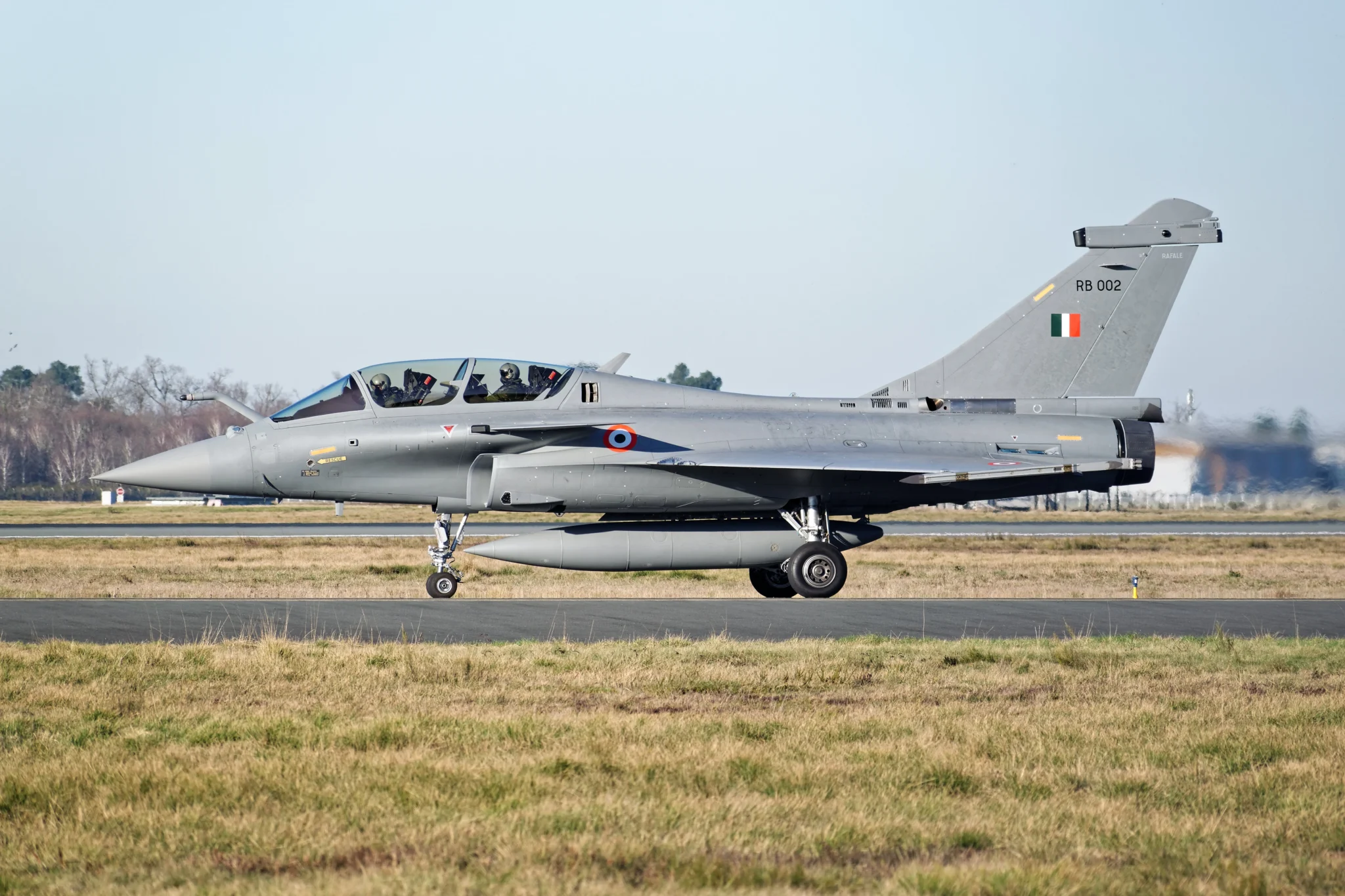
In May 2025, Indian Rafales took part in a conflict with Pakistan, striking with SCALP missiles and AASM bombs. One aircraft was shot down by a Pakistani J-10C fighter during the night of 6–7 May.
In February 2015, a contract was signed for the delivery of 24 aircraft to Egypt — 16 two-seat Rafale DMs and eight single-seat Rafale EMs. Since Egypt wanted to receive the new aircraft as soon as possible, the first six units were converted from Rafale Bs previously ordered by the French Air Force and already at the final stage of assembly.
In doing so, part of the equipment was removed from the aircraft, including modules enabling the use of nuclear-warhead missiles. The first three Rafale DMs arrived in Egypt as early as July 2015, and the entire batch was delivered by 2018. In 2021, Egypt ordered another 30 Rafales of the F3R standard (to compensate for the cancelled Su-35S order). Some sources indicate that not 30 but 31 aircraft will be delivered — an additional one to compensate for a Rafale lost from the first order. The first aircraft from the second order was transferred at the end of 2024, and by late 2025 six units had arrived (three Rafale DMs and three Rafale EMs).

In the Egyptian Air Force, Rafales equipped the 34th and 36th Squadrons of the 203rd Wing (Gebel el-Basur). In July 2017, these aircraft made their combat debut, striking Islamists in Libya with guided bombs.
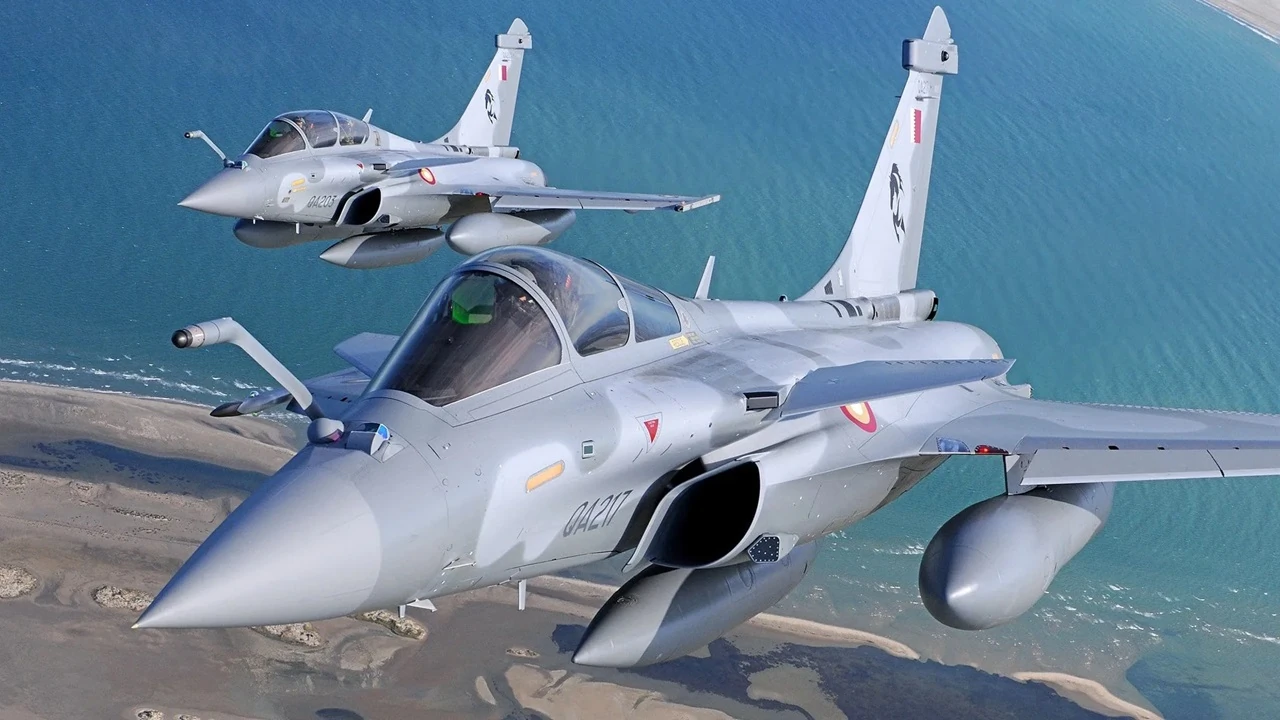
In May 2015, Qatar ordered 24 aircraft (18 single-seat Rafale EQs and 6 two-seat Rafale DQs). Three years later, the country purchased an additional 12 aircraft (9 single-seat and 3 two-seat). The entire batch was delivered in 2018–2023. These aircraft equip the 1st Squadron (Tamim).
In August 2020, Greece ordered 18 F3-standard aircraft (12 single-seat Rafale EGs and 6 two-seat Rafale DGs), including 12 used aircraft, and in 2022 it placed an additional order for 6 new F4-standard aircraft. The first order was completed by the end of 2023, and the second by January 2025. The aircraft replaced the Mirage 2000s in the 332nd Squadron (Tanagra).
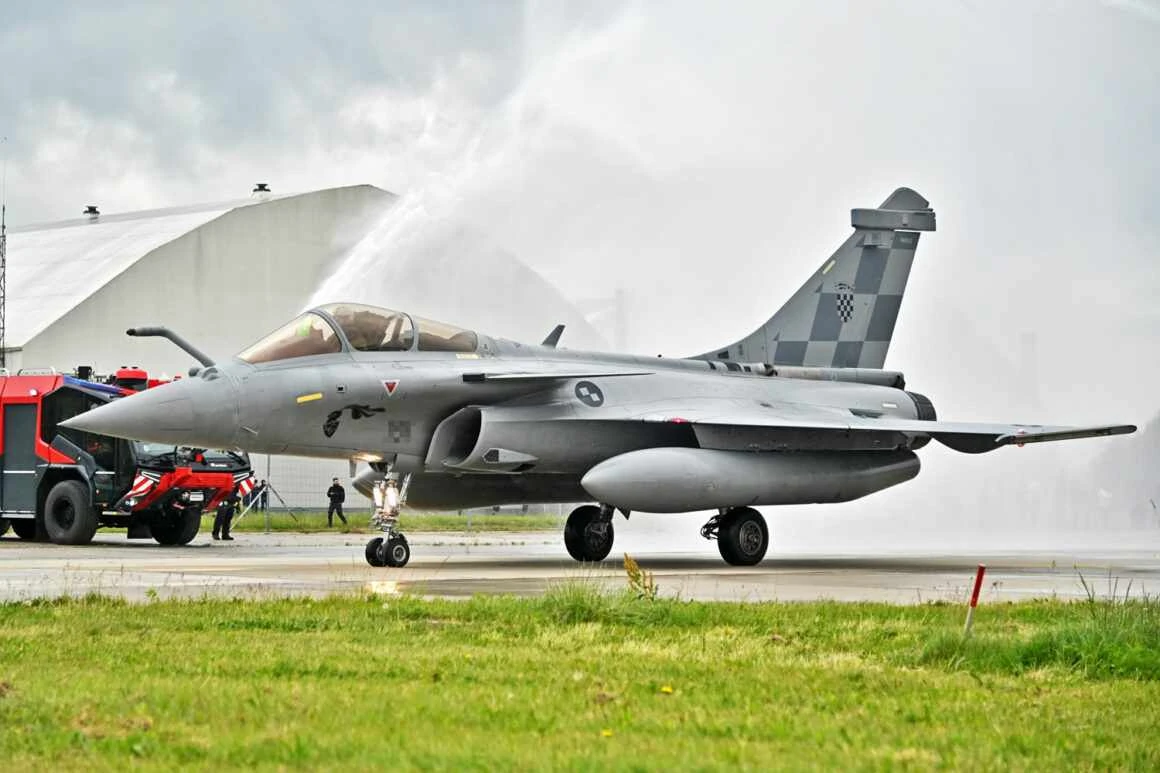
Used Rafales of the F3R standard (10 single-seat and 2 two-seat) were purchased by Croatia. By late 2023, it had received the first three aircraft, and the entire contract was fulfilled by April 2025. The aircraft were assigned to the 191st Squadron.
The largest contract so far — for 80 F4-standard aircraft (55 single-seat Rafale EUs and 25 two-seat Rafale DUs) — was signed by the UAE. The first aircraft was delivered on 29 January 2025, and the entire order is expected to be completed by 2031.
Indonesia ordered 42 F4-standard aircraft. The batch will include 26 single-seat and 6 two-seat aircraft (according to other sources — 30 and 12, respectively). The first Indonesian Rafale was completed in July 2025, and the arrival of the first six aircraft in Indonesia is scheduled for February–April 2026.
In August 2024, Serbia ordered 12 aircraft (nine single-seat and three two-seat). The contract is valued at €2.7 billion, and the first aircraft are expected to arrive in 2028.
— Professor, thank you for the conversation. We look forward to seeing these fighters appear in Ukraine as well.

The enemy is attempting to develop the production of naval drones and copy successful Ukrainian practices — both technical solutions and tactics.
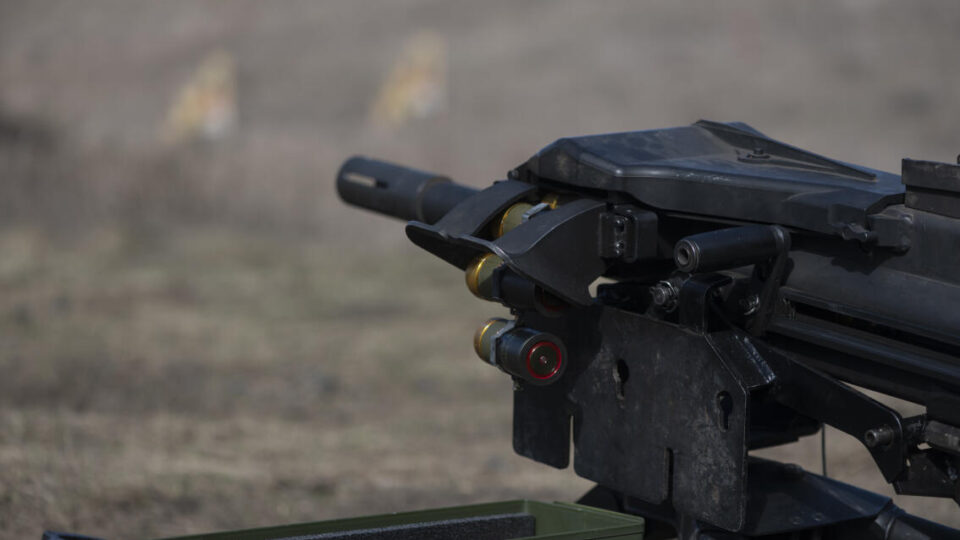
Fighting continues in the northern part of the city of Pokrovsk in the Pokrovsk direction. A mechanized assault was repelled there the day before.
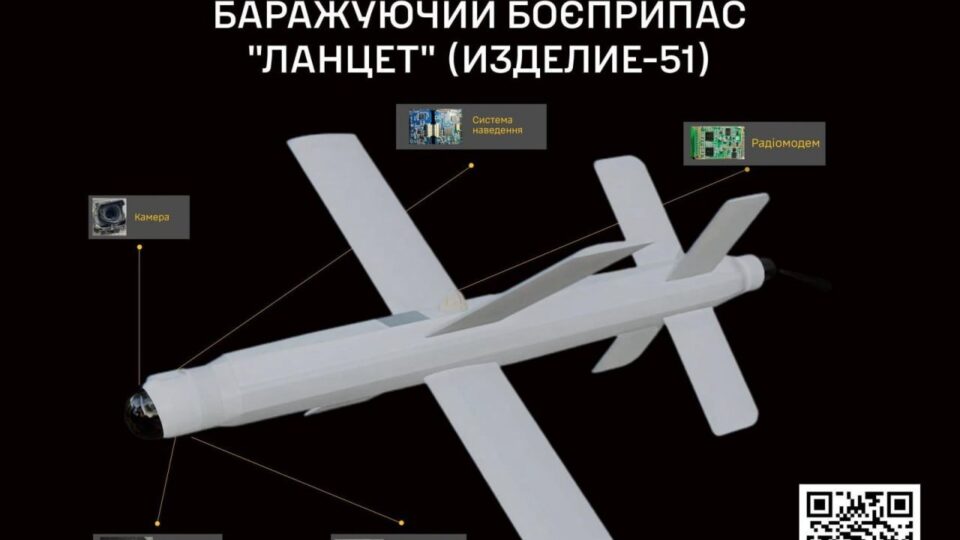
The Main Intelligence Directorate of the Ministry of Defense of Ukraine has published data on enterprises involved in the production of Russian loitering muniti

Another two-day round of negotiations between Ukraine and the United States concluded in Florida on March 22.
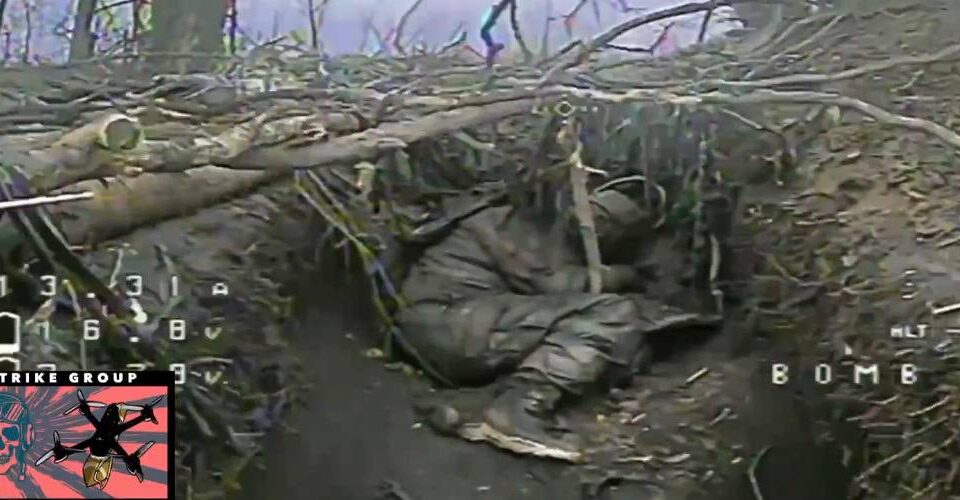
The enemy continues daily pressure and attempts to break through Ukrainian defenses in the Sloviansk direction.
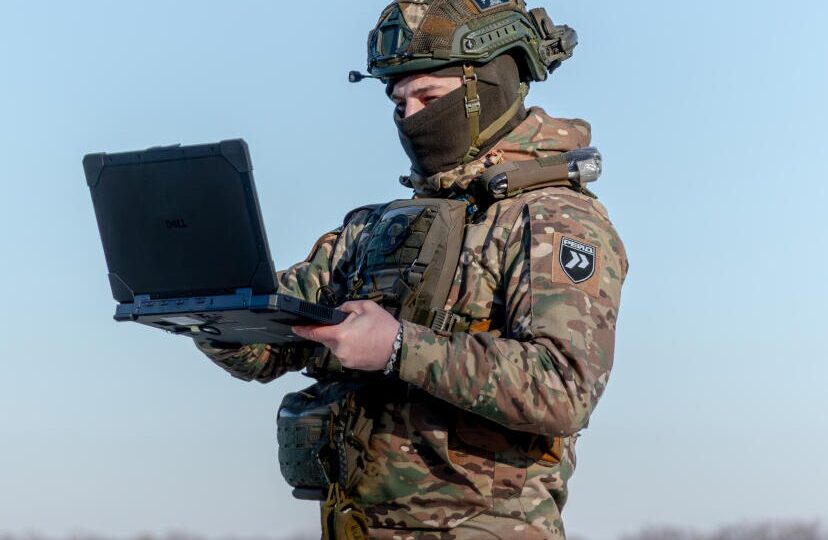
Over the past day, units of the Unmanned Systems Forces struck/destroyed 1,078 enemy targets.
The international delegation, headed by Ana Lucía Bueno, ICRC Public Health Coordinator, and Sujit Panda, Head of the Physical Rehabilitation…