First, the brigade’s tankers destroyed an enemy MT-LB with two accurate shots from a T-64 turret gun, and then the…

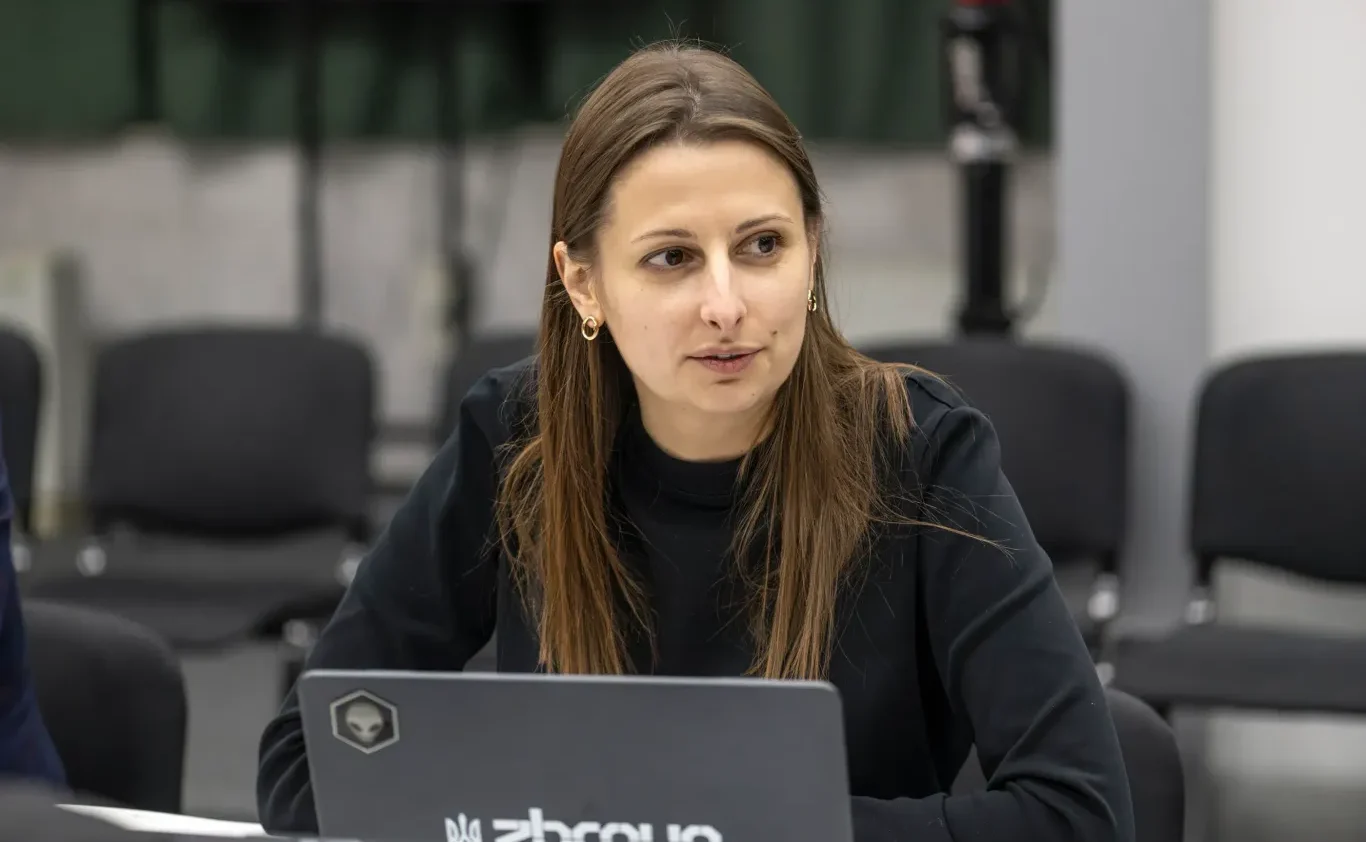
Deputy Minister of Defense of Ukraine Hanna Hvozdiyar held a meeting with the International Monetary Fund mission led by Gavin Gray.
During the event, the parties discussed the results of the defense-industrial complex in 2025, its development dynamics, key challenges, and Ukraine’s strategic plans for 2026 and the medium-term perspective.
Hanna Hvozdiyar emphasized that the defense-industrial complex is a strategically important sector of the economy that ensures the state’s resilience during the war.
“Ukraine has endured thanks to the bravery of the army, support from our partners, and our own ability to rapidly restore and scale up arms production. In three years, we have transformed a small sector into a dynamic industry that has become the foundation of our defense capability”, —the Deputy Minister noted.
In 2025, Ukraine’s defense-industrial complex shows one of the most dynamic growth rates in Europe. The industry’s capabilities have increased to $35 billion compared to $1 billion in 2022, and the network of arms manufacturing enterprises has expanded to 900, most of which are private. Around the sector, a powerful innovative ecosystem has formed, with over two thousand teams developing advanced technologies, components, and solutions for the frontline. Ukraine has significantly increased ammunition production and expanded missile weapons manufacturing.

Special attention during the meeting was given to the sector’s financial model. The Deputy Minister stressed that Ukraine’s domestic resources are limited: “We have reached a level of production that far exceeds our domestic procurement capabilities. Partner support is critically important for the industry to maintain its pace and expand capacities”.
The role of the defense-industrial complex in the economy was also discussed: in 2023, GDP growth was 5.5% (with the defense sector contributing 1.5%), and in 2024, growth was 2.9% (with the sector’s share at 1.2%). This demonstrates that the defense industry not only meets the army’s needs but also serves as an important driver of economic stability and technological development in the country.
Hanna Hvozdiyar thanked the IMF mission for its cooperation and attention to the development of Ukraine’s defense industry: “It is important for us that the Fund views the defense-industrial complex not only as a military necessity but as a key element of economic development and post-war recovery. The Ukrainian industry has become a symbol of our resilience and our ability to innovate under the pressure of the largest war in Europe since World War II”.
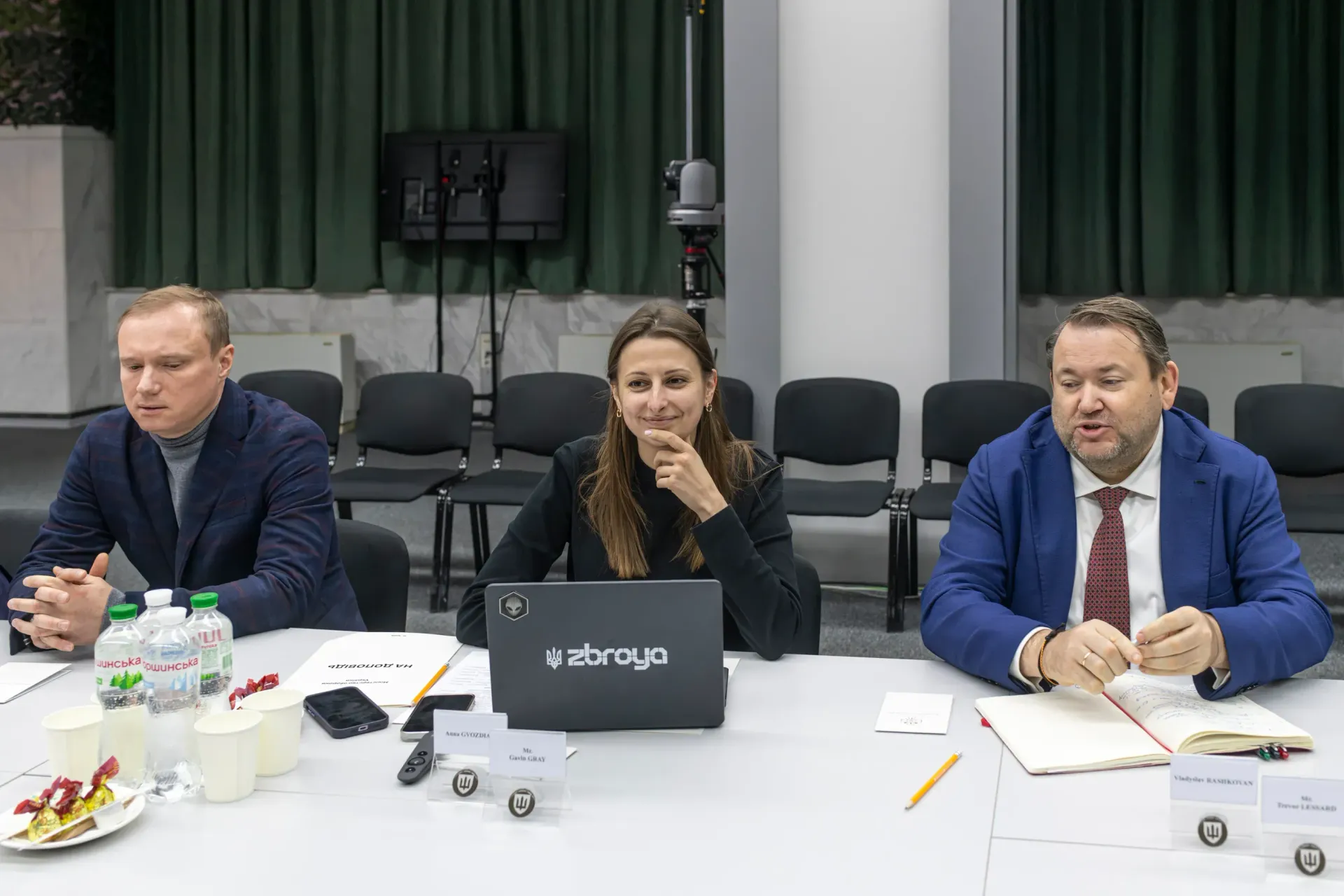
@armyinformcomua
The Security Service of Ukraine has collected new evidence confirming that Russian forces deliberately and systematically destroy civilian infrastructure of Ukraine using missiles and strike UAVs.

From now on, servicemen, their relatives, and authorized persons may submit complaints and appeals regarding military service issues via email to: skarha@milomb.gov.ua.
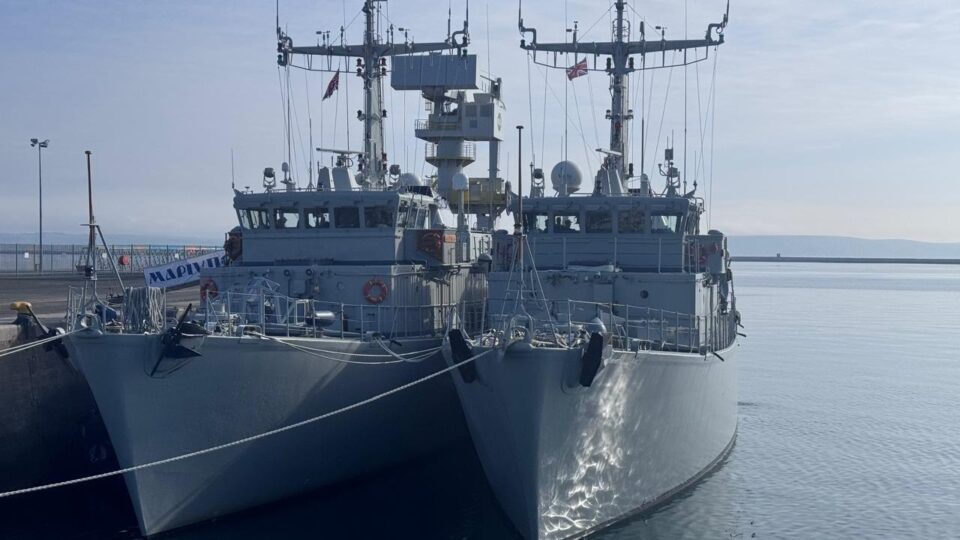
In 2025, units of the Naval Forces of the Armed Forces of Ukraine continued to carry out missions and weaken the Russian aggressor — from strikes on its territory to the daily heroic resistance of marines on the hottest axes of the front.

Military units received 225,000 weapons and means of destruction worth over UAH 10 billion through the DOT-Chain Defence marketplace.

The intensity of enemy attempts to advance in small groups on the Kramatorsk axis increases during deteriorating weather conditions. Enemy infantry mostly move during darkness or twilight — “in the gray zone”.

In the first days of the new year 2026, Ukrainian soldiers captured two Russians on the Kupiansk axis. The prisoners claim they did not fire at Ukrainian defenders and were merely digging trenches.
First, the brigade’s tankers destroyed an enemy MT-LB with two accurate shots from a T-64 turret gun, and then the…