
The international delegation, headed by Ana Lucía Bueno, ICRC Public Health Coordinator, and Sujit Panda, Head of the Physical Rehabilitation…

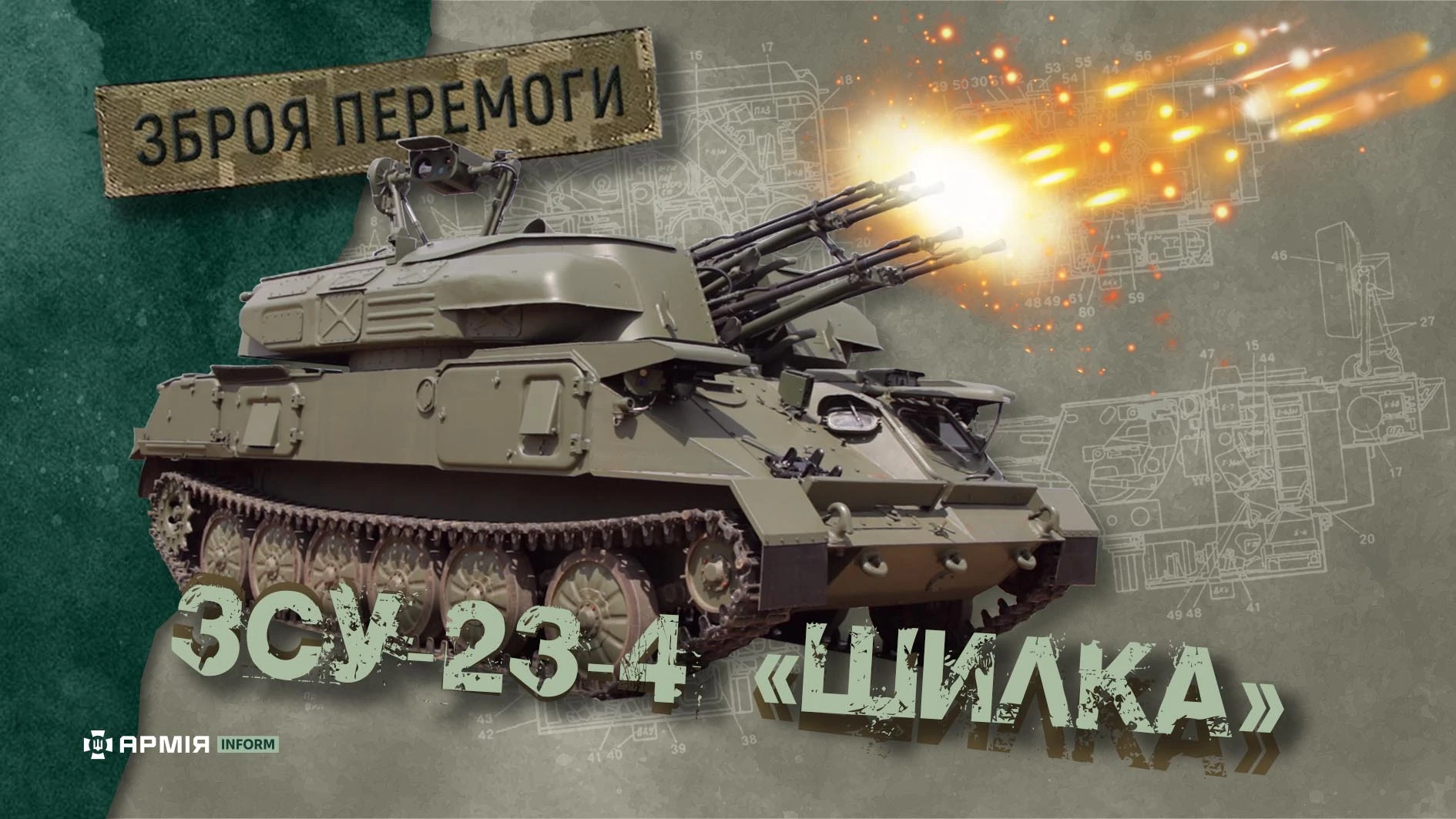
Military history knows many examples of weapons developed decades ago that receive a “second wind” on the modern battlefield.
One of the brightest such examples in the Russian-Ukrainian war is the ZSU-23-4 “Shilka” self-propelled anti-aircraft system.
This system, which became a legend back in the Vietnam War era, was created to counter low-flying manned aircraft. Today, after deep modernization, it effectively hunts high-speed unmanned aerial vehicles, including strike drones and cruise missiles.
How did the “Shilka” manage to adapt to threats its designers could not even imagine? What historical prerequisites made it such a reliable and flexible platform? And what makes it an economically advantageous weapon against relatively cheap “Shahed” drones?
We discussed the history of its creation, technical evolution, and unexpected revival in the Armed Forces of Ukraine with Dr. Andrii Kharuk, Doctor of Historical Sciences and Professor of the Department of Humanities at the Hetman Petro Sahaidachnyi National Army Academy.

— Andrii Ivanovych, let us begin with a brief overview of this weapon system.
— The ZSU-23-4 self-propelled anti-aircraft gun, better known as the “Shilka,” undoubtedly belongs to the “iconic models” of Soviet Cold War-era armaments. As a regimental-level air-defense asset, the “Shilka” became widespread not only in the Soviet Army but also among Warsaw Pact allies and in many other countries.
Although production of the ZSU-23-4 ended more than 40 years ago — in 1982 — these systems remain in service to this day. They also take part in the current Russian-Ukrainian war.
— How was the appearance of this weapon received in the military more than six decades ago?
— When production began in 1964, the ZSU-23-4 was the most effective self-propelled anti-aircraft artillery system in the world. Thanks to the combination of four 23 mm automatic cannons with a radar fire-control system, the “Shilka” could counter the main air threat of that time — jet fighter-bombers.
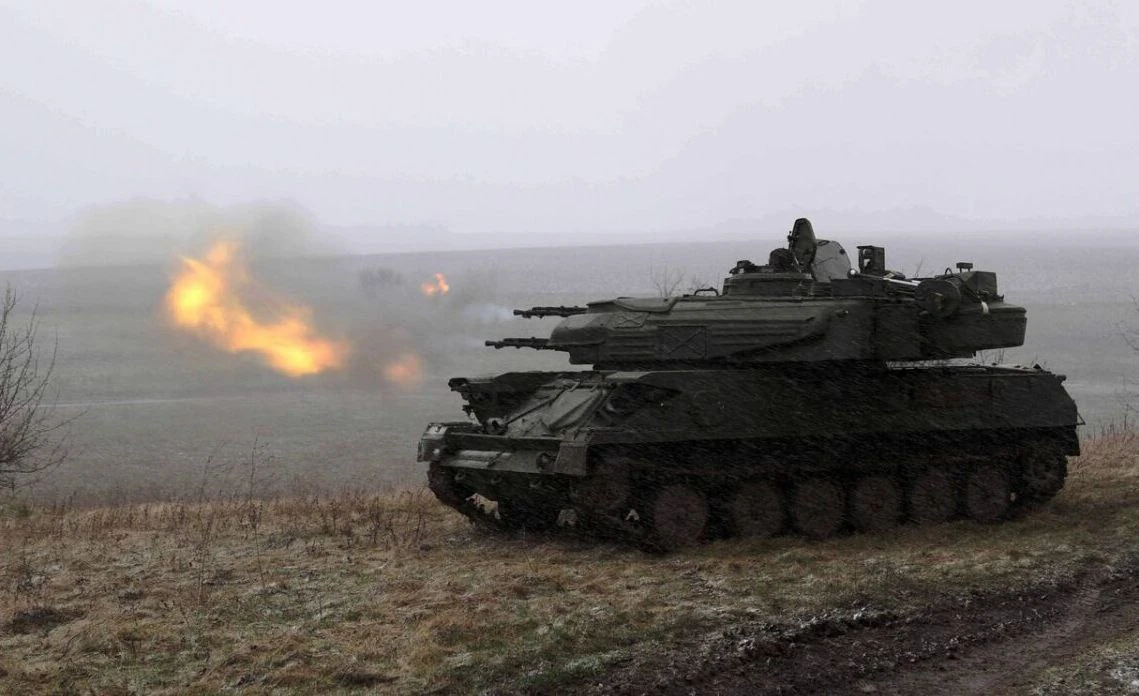
The tracked chassis and armor allowed it to operate within the combat formations of tank and motorized infantry units. However, the emergence of helicopters armed with ATGMs whose range exceeded the effective firing distance of the “Shilka” radically changed the situation on the battlefield.
Initially, the ZSU-23-4 was supplemented by the “Strela-10” air-defense missile system with a 5,000 m range (compared to 2,000 m for the “Shilka”), and beginning in 1983 it was gradually replaced by the 2S6 “Tunguska” self-propelled missile-gun systems. Production of the ZSU-23-4 ceased in 1982.
— At the same time, Soviet designers continued to introduce innovations into this system. What did these upgrades include?
— Indeed, the “Shilka” was modernized several times during the Soviet era.
The first variant, the ZSU-23-4V, featured an increased service life of the auxiliary gas-turbine power unit and an additional optical sight. In the ZSU-23-4V1, developers upgraded the computer, which allowed the system to automatically track a target while moving at speeds up to 40 km/h instead of 20 km/h. The ZSU-23-4M1 had cannons with extended service life and a more reliable radar.
The ZSU-23-4M2 variant appeared as a result of the war in Afghanistan. Soviet troops in Afghanistan did not face air attacks, but the “Shilka” proved very useful for firing at targets on mountain slopes. In this “Afghan” version, the radar was removed as unnecessary in those conditions, the ammunition load was increased from 2,000 to 3,000 rounds, the armor was reinforced, and a night sight was installed.
— As far as I know from my own service in the Soviet Armed Forces, “Shilkas” were deployed in many military units stationed in what is now independent Ukraine. What can you tell us about this, Professor?
— Soviet units stationed in Ukraine in the 1980s had a typical set of air-defense assets. Usually, a tank or motor rifle regiment had an air-defense battalion that included one battery equipped with man-portable air-defense systems, and another battery that consisted of a platoon of ZSU-23-4s (four vehicles) and a platoon of “Strela-10” (also four vehicles).
However, in the late 1980s, the process of replacing the “Shilkas” with “Tunguskas” began. This primarily applied to units of the Carpathian Military District, which (together with the Belorussian Military District) was part of the second strategic echelon intended to support Warsaw Pact forces.
The 24th Motor Rifle Division from Yavoriv was one of the first to receive the “Tunguska,” followed by other units. However, by the time the USSR collapsed, this rearmament had not been completed.
It is difficult to determine the exact number of ZSU-23-4s that remained in Ukraine at the moment of the Declaration of Independence on 24 August 1991. The reason is that air-defense systems, unlike tanks or artillery, were not subject to the Treaty on Conventional Armed Forces in Europe, so the USSR did not disclose information about their number or deployment. Roughly, the number of ZSU-23-4s inherited by the Ukrainian Armed Forces can be estimated at around 150 units.
— But even in such numbers, this weapon was not needed by the newly formed Ukrainian military. At least that’s what it seems, given the disarmament doctrines of the time and political hopes for eternal friendship with Russia and support from Western countries…
— Due to reductions in the Ukrainian Armed Forces, most “Shilkas” were quickly withdrawn from service. The few remaining tank and mechanized brigades had enough newer “Tunguskas.”
By 2012, the only combat unit still operating ZSU-23-4s was the 36th Separate Coastal Defense Brigade (OCDB). This was a mechanized unit stationed in Crimea but subordinated to the Ukrainian Navy. Most “Shilkas” were placed in storage, where they awaited their fate.
The most obvious way to dispose of obsolete equipment (besides scrapping it) was to sell it abroad. In the 1990s and particularly in the 2000s, Ukraine sold a massive quantity of military equipment — but not a single ZSU-23-4.
The chances of selling them would have increased had Ukraine offered a modernized version. Several countries, including Poland, attempted modernization in those years. However, the Ukrainian variant — called the “Donets” — was the most radical.
— And in your opinion, what did this engineering radicalism consist of?
— In 1997–1999, the Kharkiv Malyshev Plant executed a highly successful contract with Pakistan, selling 320 T-80UD tanks. Seeking to build on that success, the enterprise tried to interest foreign clients (primarily Pakistan) in other vehicles based on the T-80UD chassis.
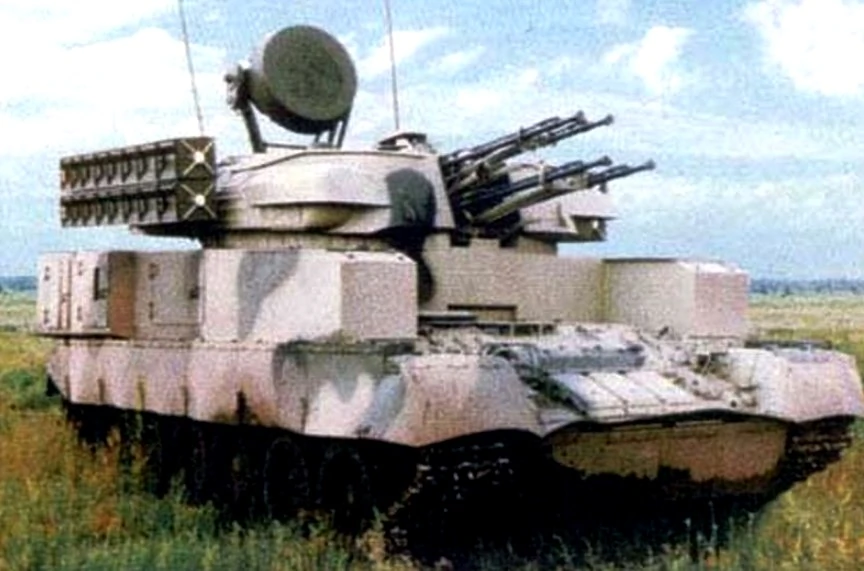
One such project was the “Donets” self-propelled missile-gun system — a simplified analogue of the “Tunguska”, built from available components. The chassis was taken from the T-80UD, with an auxiliary power unit installed at the rear to supply the system while the main engine was off.
A turret from the ZSU-23-4 was mounted on the chassis with its standard armament and the 1RL33M radar (although developers claimed it had a new digital fire-control system — but in our view, this was likely just a declaration, and the prototype retained the old system). Four missile containers from the “Strela-10” system were mounted on the sides of the turret.
The prototype was built in 1999. It turned out to be significantly heavier than the “Shilka” — 35 tons versus 21 — which was unsurprising, given the tank chassis. Its mobility improved dramatically: road speed reached 65 km/h, and cross-country speed 40 km/h (compared to the ZSU-23-4’s 50 and 30 km/h).
The ammunition load was increased to 4,000 rounds. And that was essentially it. Combining elements of two not-particularly-modern air-defense systems on one chassis did not significantly improve the combat capabilities of the “Donets”.
According to the project, a “Donets” battery was to include six combat vehicles and one command vehicle (also on the T-80UD chassis), equipped with a three-coordinate radar providing full air-situation awareness. Target information — both from its own radar and external sources — could be transmitted to the combat vehicles up to 2,500 m away. However, no buyers were found for the “Donets”.
— What was the further fate of these systems?
— The Ukrainian Armed Forces showed no interest in modernizing the “Shilkas” until the start of Russian aggression in 2014. Then the urgent need arose to expand the army and form new units. The restoration of numerous ZSU-23-4s stored in depots began, along with a modernization program.
In June 2017, information appeared about plans to modernize the Ukrainian “Shilkas” according to the Polish ZSU-23-4MP “Biała” project. However, in the end, Ukraine decided to rely on its own design capability. The main contractor became the state enterprise “Arsenal Plant,” which funded the design and prototype development itself.
— What was the conceptual basis of this modernization project?
— Unlike the “Donets”, Arsenal’s modernization program did not involve replacing the chassis. Instead, it focused on enhancing the combat capabilities of the existing “Shilka”. The designers proposed a multi-tiered approach, with several modernization levels depending on customer requirements and budget.
The first level (ZSU-23-4MA1) included installing a new multifunctional radar — the “Rokach-AS” — instead of the Soviet 1RL33M, as well as replacing the analog computing system with a modern digital one. The vehicle also received a navigation system and digital-analog converter block.
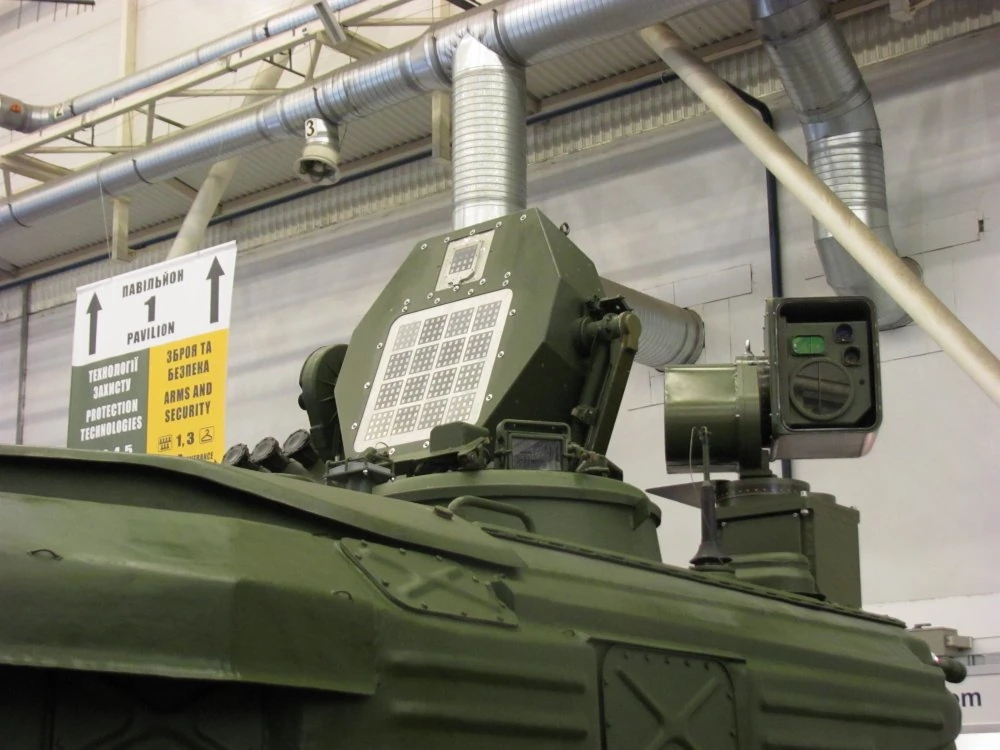
The “Rokach-AS” can operate in circular-scan mode, search mode, and automatic target-tracking mode. It can detect and track even UAVs with a radar cross-section of about 0.01 m² at distances up to 7 km. Thanks to its circular-scan capability, the upgraded system became fully autonomous — no longer dependent on external air-target data.
The old 1RL33M radar occupied the entire interior of the “Shilka” turret. The “Rokach-AS,” installed in a small container on top, freed significant internal space — improving crew comfort and allowing installation of additional equipment.
The second level (ZSU-23-4MA2) adds an electro-optical system with thermal-imaging and TV channels, as well as a laser rangefinder. It is designed to detect, automatically track, and send target coordinates and parameters to the digital control system in automatic or semi-automatic mode.
This system allows monitoring of airspace and tracking of target engagement. It can detect targets up to 12 km away and automatically track them at distances up to 10 km.

The third level (ZSU-23-4MA3) includes integrating missile armament. A module is installed on the rear of the turret that carries four surface-to-air missiles — likely the Ukrainian “Kolibri,” a deep modernization of the Soviet “Igla” MANPADS. The launcher includes four missile containers and a cooling system ensuring seeker operation for 12 hours.
— What was the fleet of these air-defense systems at the beginning of the Russian invasion in 2014?
— As far as I know, in February 2014 the Armed Forces of Ukraine had more than one hundred ZSU-23-4 combat vehicles. Some were deployed in the air-defense battalion of the 36th Separate Coastal Defense Brigade and in the 169th Training Center in Desna, Chernihiv region. The rest — nearly a hundred — were stored in various technical conditions.
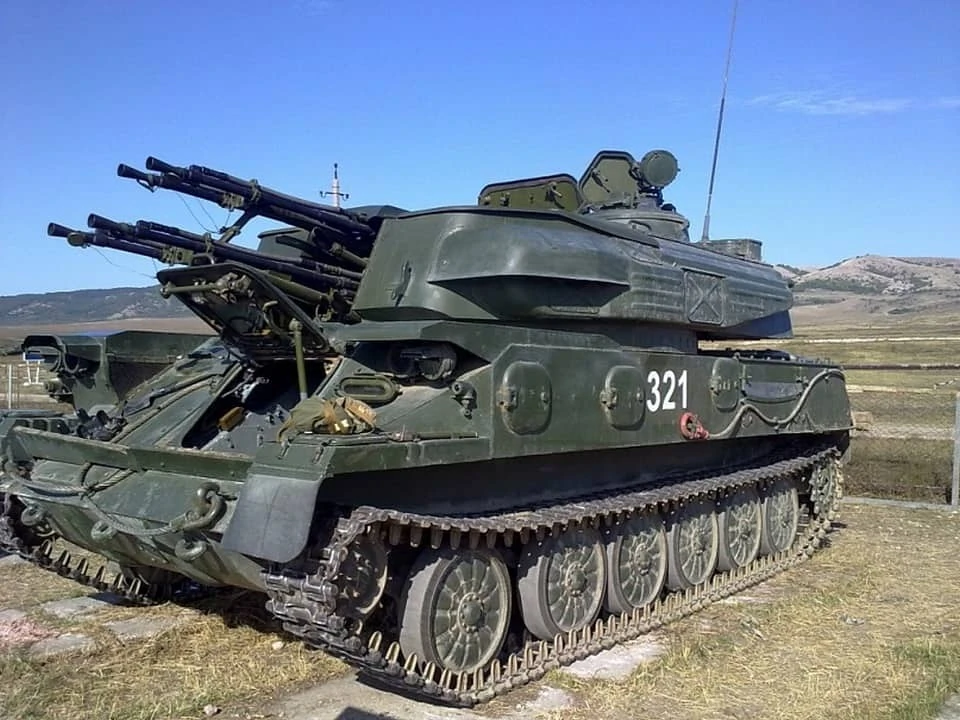
All vehicles of the 36th Brigade were seized by Russian occupiers in Crimea. Some of them (in the worst condition) were returned in June 2014 and used to defend Mykolaiv — placed at checkpoints at the entrances to the city despite being in extremely poor technical condition. Later, these ten vehicles were transferred to the 145th Repair Regiment, repaired, and returned to service.

The restoration of stored systems also began to meet the air-defense needs of new brigades formed after Russia’s annexation of Crimea and the pro-Russian uprising in Donbas.
These new brigades lacked heavy armament, so in late 2014–2015 four separate motorized infantry brigades were created: the 56th (Mariupol), 57th (Kropyvnytskyi, since 2018 Nova Kakhovka), 58th (Konotop, Sumy region), and 59th (Haisyn, Vinnytsia region). These brigades received light and mostly outdated weapons. There were not enough “Tunguskas” for them (those remained in mechanized and tank brigades), so they were equipped with ZSU-23-4s.
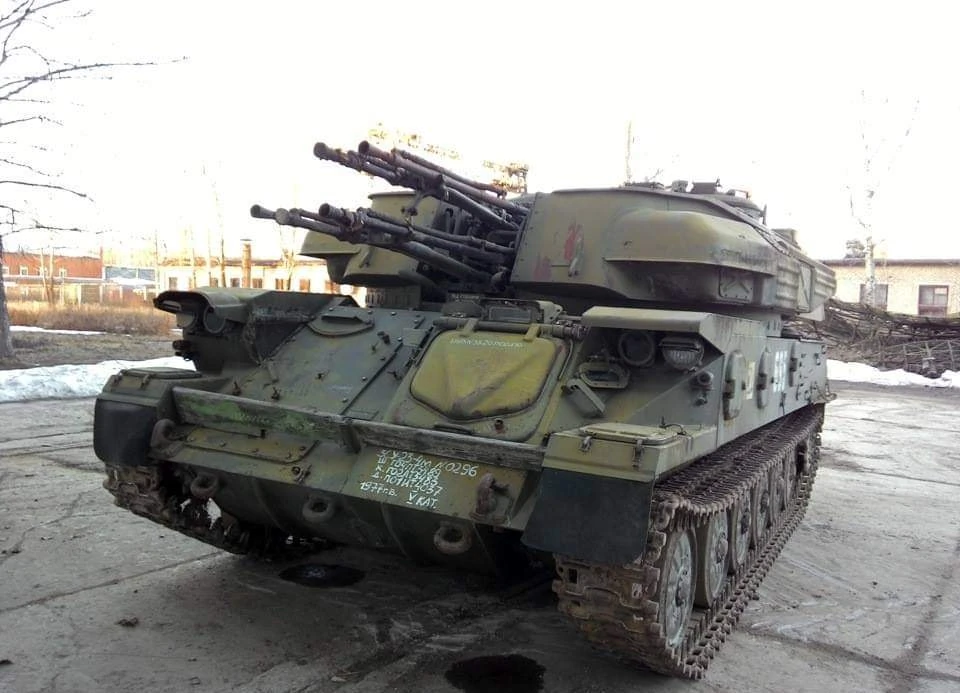
According to 2015 organizational structures, the air-defense battalion of a motorized infantry brigade included three batteries: a missile battery (three “Strela-10” launchers and 27 “Igla” MANPADS), an artillery battery (12 ZU-23-2), and a mixed battery (8 ZU-23-2 and 8 ZSU-23-4).
— And what do you know, Andrii Ivanovych, about where exactly these SPAAGs were sent?
— In addition to the motorized infantry brigades, the 10th Separate Mountain Assault Brigade (Kolomyia, Ivano-Frankivsk region), formed in October 2015, also received Shilkas (the other mountain assault brigade — the 128th — had Tunguskas in service because it belonged to the “old” brigades created before 2014). A certain number of ZSU-23-4s were transferred to the 10th Mountain Assault Brigade.
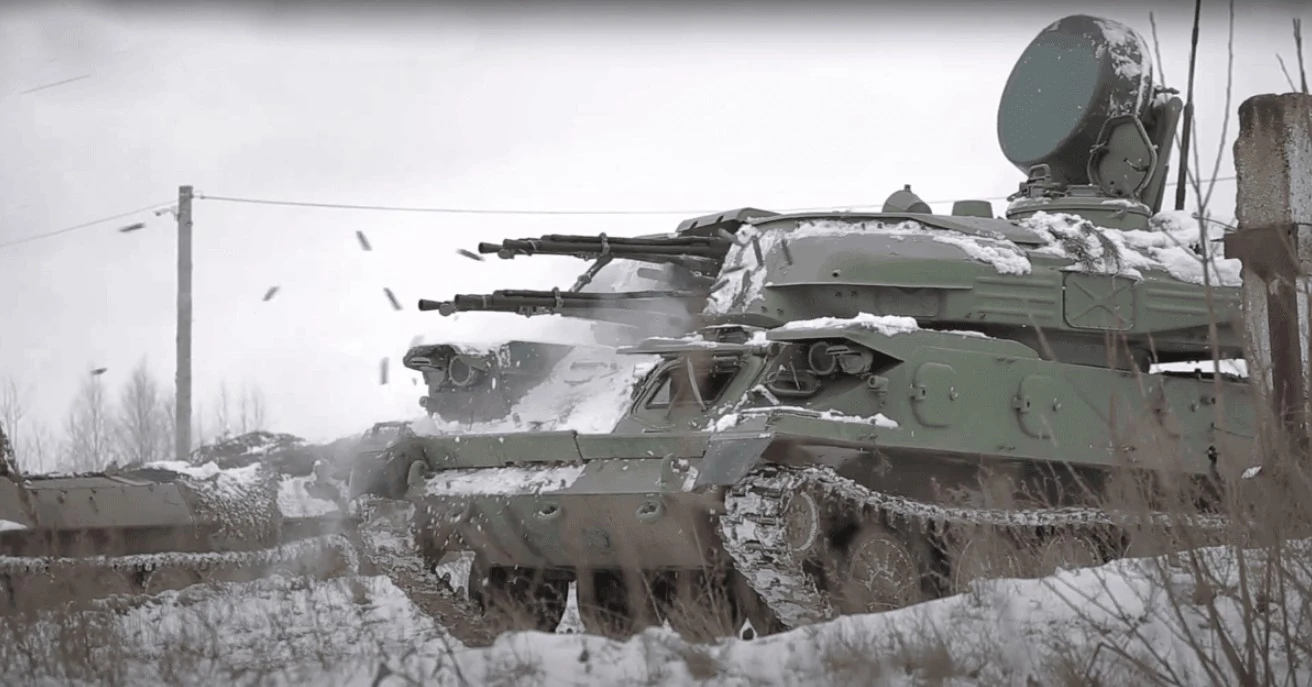
The 36th Separate Marine Brigade, formed in 2015 in Mykolaiv, also received ZSU-23-4s. Its core consisted of servicemen of the former 36th Marine Brigade, as well as the 1st and 501st separate marine battalions, who remained loyal to Ukraine after the occupation of Crimea. It is logical to assume that it was this brigade that received the Shilkas from the former 36th Marine Brigade.
If we assume that the TO&E of the air-defense units of the 36th Marine Brigade was similar to those of the motorized infantry brigades, then the Armed Forces of Ukraine in six brigades should have had 48 ZSU-23-4s in service. However, restoring the combat readiness of vehicles that had stood outdoors for years turned out to be a difficult task.
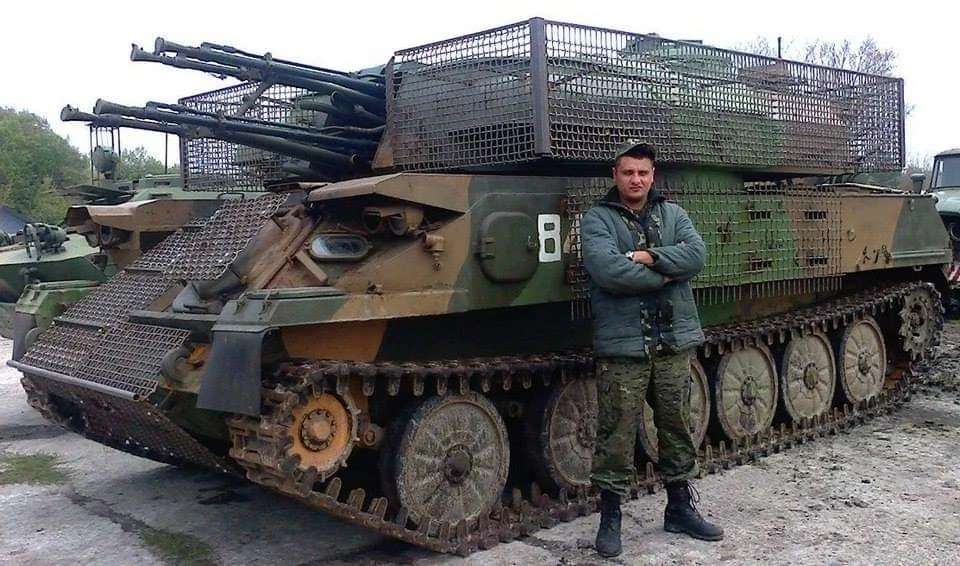
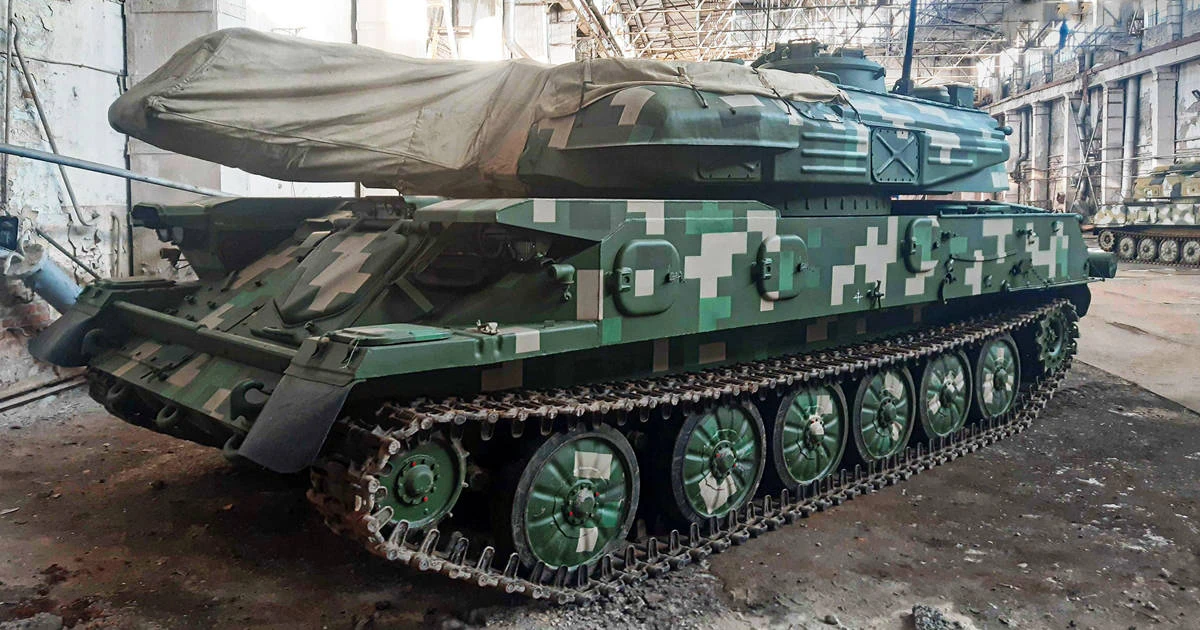
Efforts to restore the Shilkas’ combat readiness continued. The last batch of repaired ZSU-23-4s was delivered to the military by the Balakliia repair plant in January 2022. Some Shilkas were also restored thanks to volunteer efforts. Such vehicles were sometimes fitted with non-standard elements — for example, anti-cumulative grids.
— And what role did these weapon systems play during the defense against Russian and separatist actions in the JFO period?
— During the fighting in Donbas, Ukrainian Shilkas were used almost exclusively to engage ground targets. They proved quite useful in positional battles as an anti-assault asset.
This was especially true after the signing of the Minsk agreements, which limited the use of heavy weapons. Shilkas were usually positioned in the second echelon — in the areas of Pokrovsk, Kostiantynivka, and Kramatorsk — and moved forward in case of increased enemy attacks.
In 2018–2021, when a relative calm settled on the front, ZSU-23-4 batteries conducted training at training grounds as part of their brigades. For example, in July 2020 such vehicles took part in the 56th Motorized Infantry Brigade’s exercises dedicated to an offensive operation. And in January 2021, a battery of Shilkas from the 10th Mountain Assault Brigade conducted tactical training with live firing at a training ground in Rivne region.
Since the beginning of Russia’s full-scale invasion on February 24, 2022, Shilka batteries have been actively fighting as part of their brigades. Since Ukrainian ZSU-23-4s remained in their original configuration, their effectiveness against modern aircraft and helicopters is minimal. They were used to counter UAVs, but even here their capabilities are limited — the 1RL33M radar cannot detect small airborne targets.
Because of this, and also due to the low operability of the radars, Shilka crews are effectively “forced” to rely only on optical sights (the first known photo of a Ukrainian Shilka with its radar deployed appeared only in mid-April 2023). The ZSU-23-4s were also actively used to fire on ground targets.
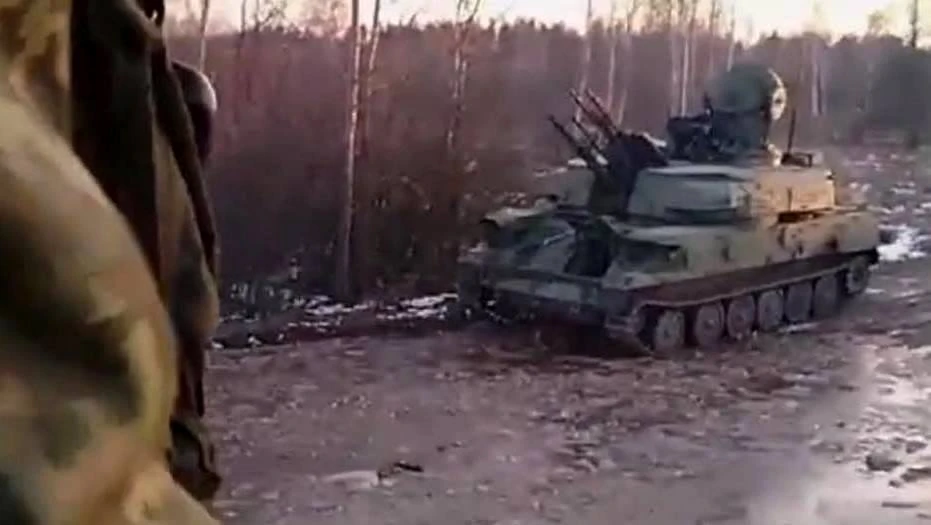
In addition to the six mentioned brigades, Shilkas also appeared in other units formed as a result of mobilization.
Ukrainian losses of ZSU-23-4s are relatively small — according to oryxspioenkop.com, as of today they amount to five vehicles (two of them captured by the Russians). Four of these were lost in the first year of repelling the full-scale invasion.
Interestingly, Russian losses of such vehicles are twice as high — nine units (and likewise, eight of them in the first year).

The enemy is attempting to develop the production of naval drones and copy successful Ukrainian practices — both technical solutions and tactics.
Fighting continues in the northern part of the city of Pokrovsk in the Pokrovsk direction. A mechanized assault was repelled there the day before.
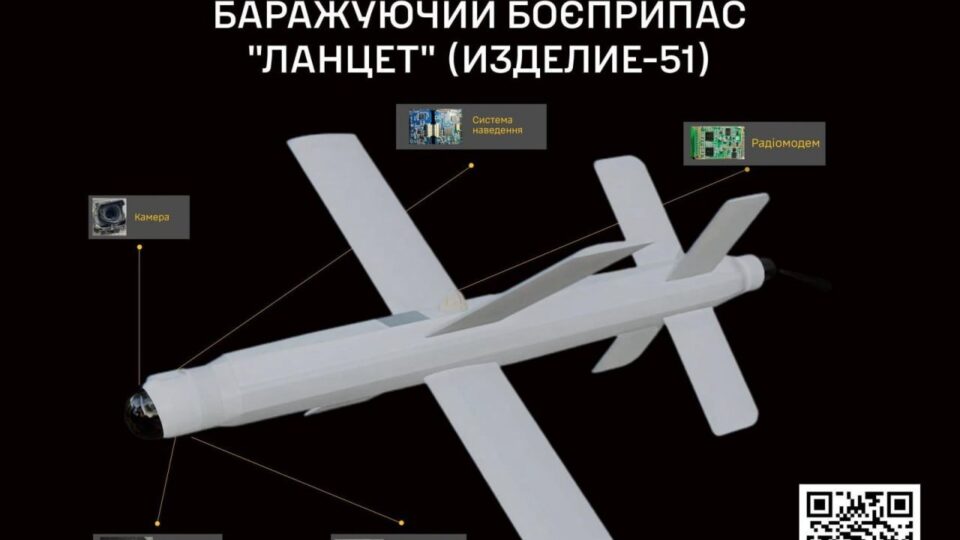
The Main Intelligence Directorate of the Ministry of Defense of Ukraine has published data on enterprises involved in the production of Russian loitering muniti

Another two-day round of negotiations between Ukraine and the United States concluded in Florida on March 22.
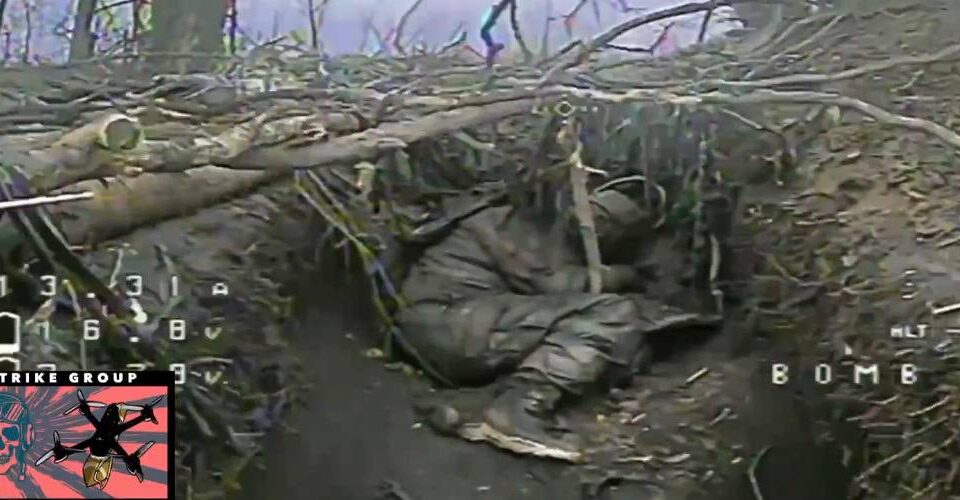
The enemy continues daily pressure and attempts to break through Ukrainian defenses in the Sloviansk direction.
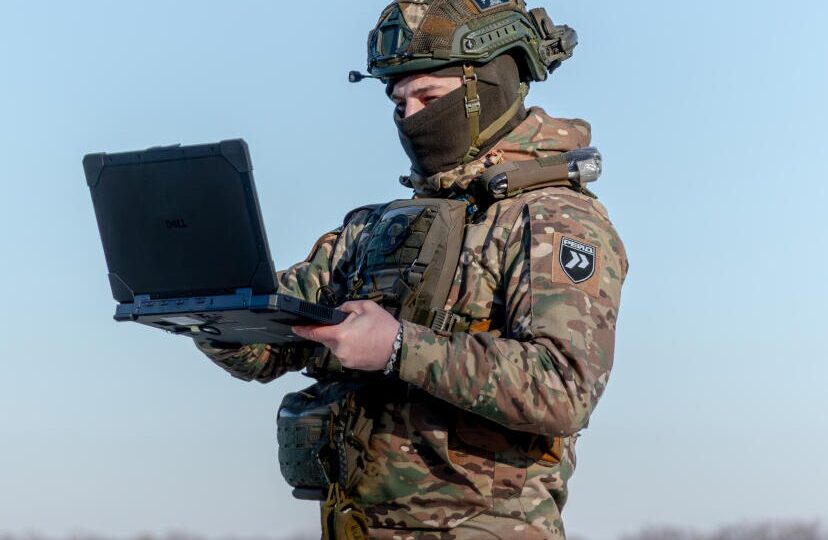
Over the past day, units of the Unmanned Systems Forces struck/destroyed 1,078 enemy targets.
The international delegation, headed by Ana Lucía Bueno, ICRC Public Health Coordinator, and Sujit Panda, Head of the Physical Rehabilitation…