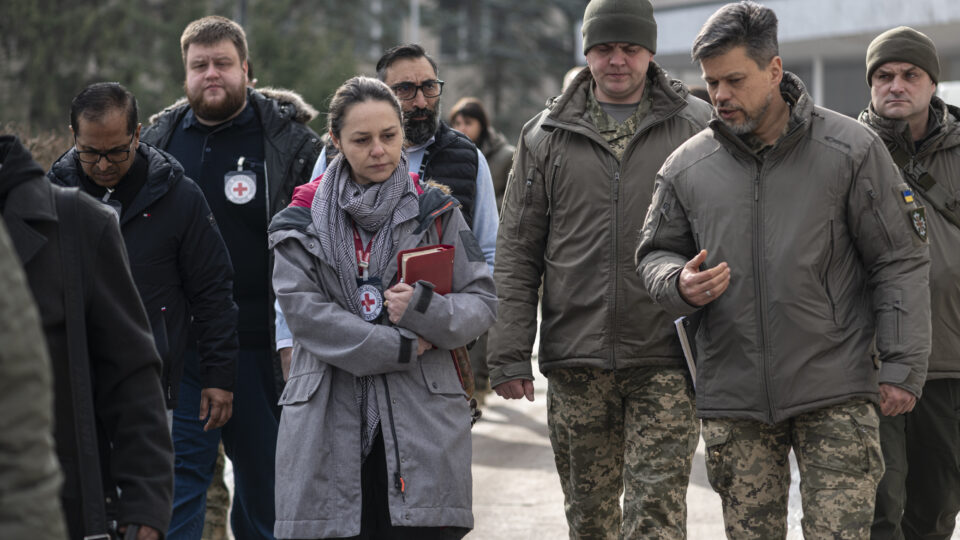
The international delegation, headed by Ana Lucía Bueno, ICRC Public Health Coordinator, and Sujit Panda, Head of the Physical Rehabilitation…

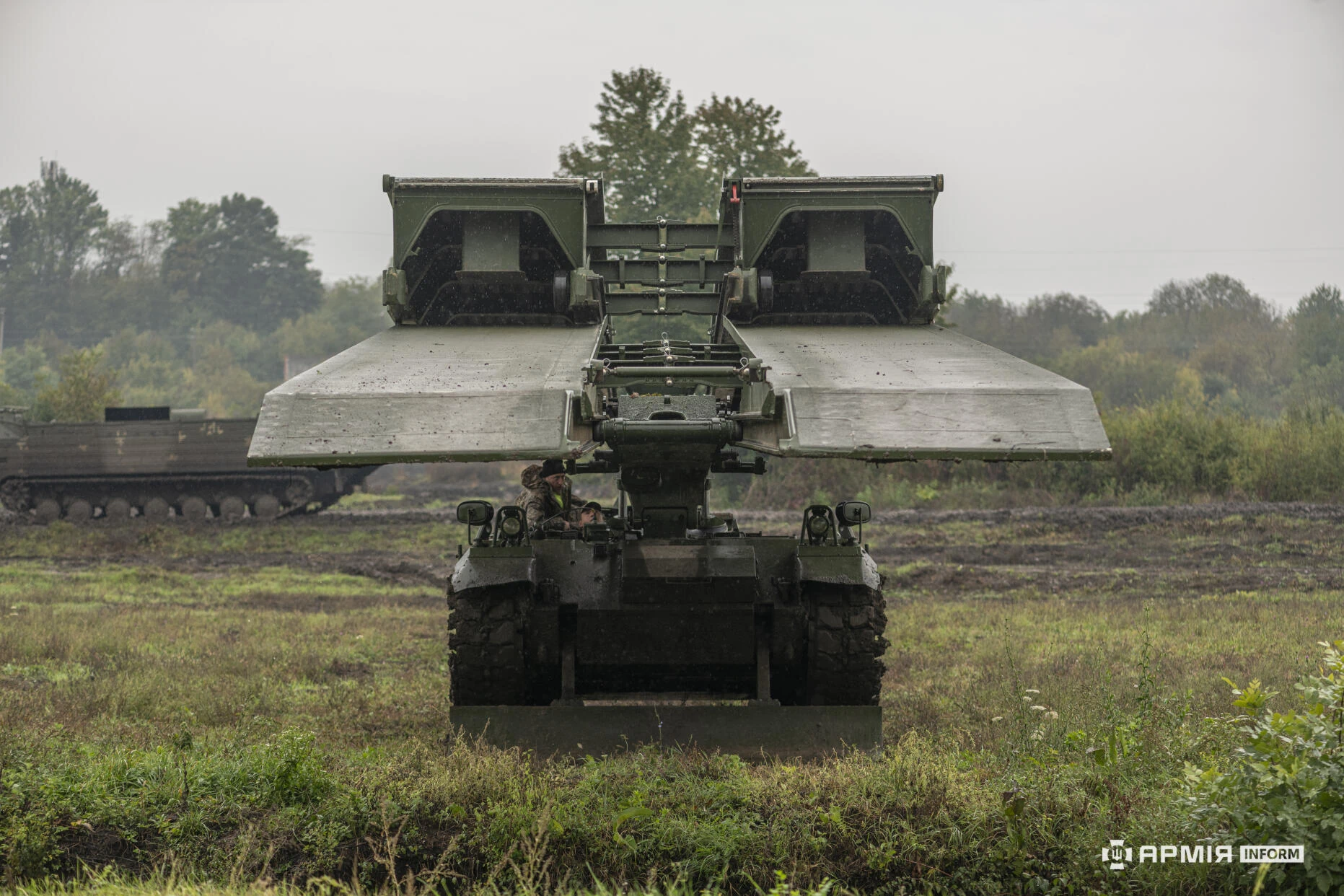
Is it difficult to learn to operate the German bridge-layer Biber? What kind of beast is it, how did it get to Ukraine and where has it been used?
How much time is needed to master the German “Beaver”?
ArmyInform correspondents visited one of the military units where professional training of service members for working with this equipment is conducted.
About the Biber
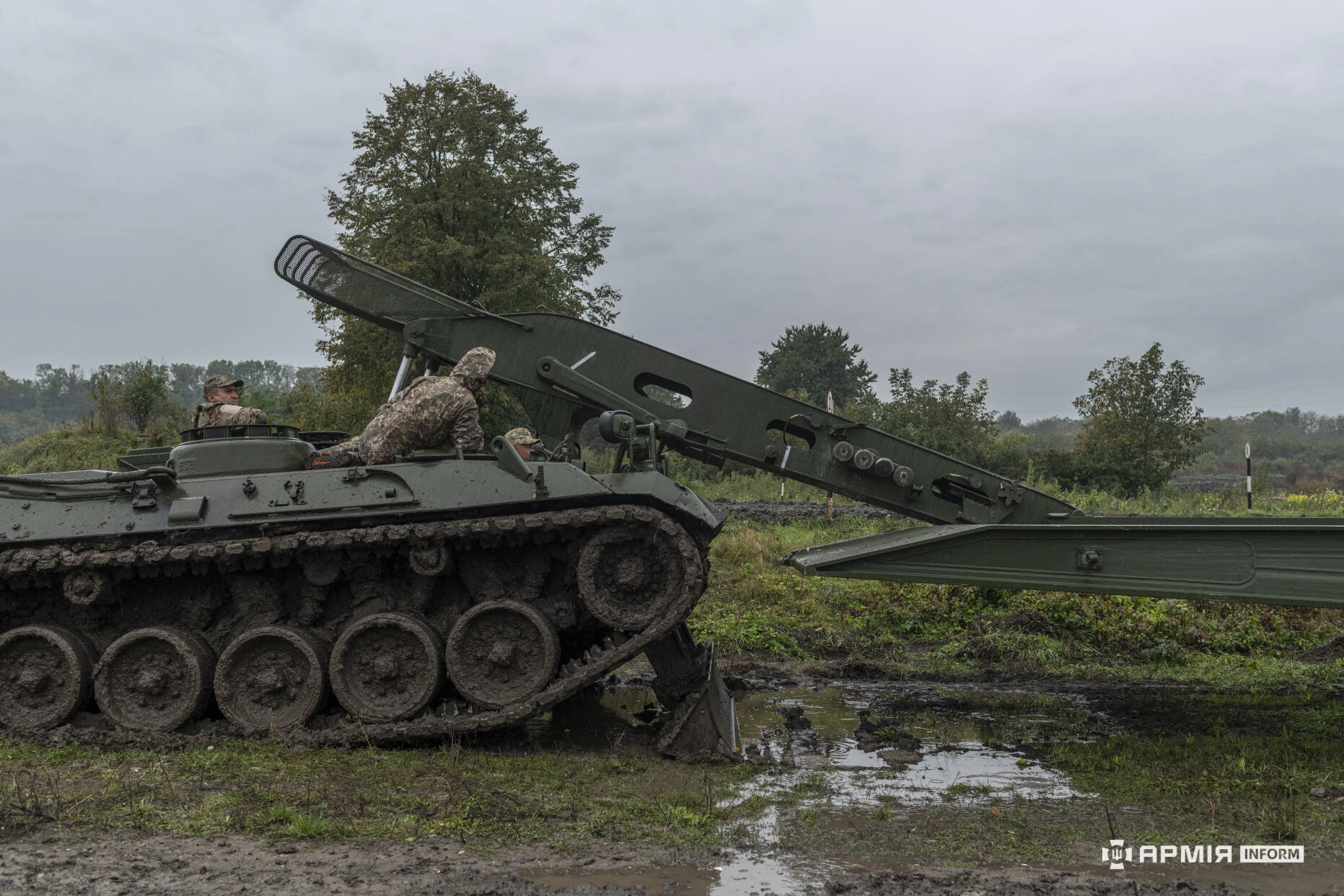
Biber (from German — “Beaver”) is a tank bridge-layer built on the chassis of the Leopard 1A tank. Its primary task is to ensure high mobility of troops by quickly overcoming obstacles. The equipment has been transferred to Ukraine since 2022 as part of German military assistance.
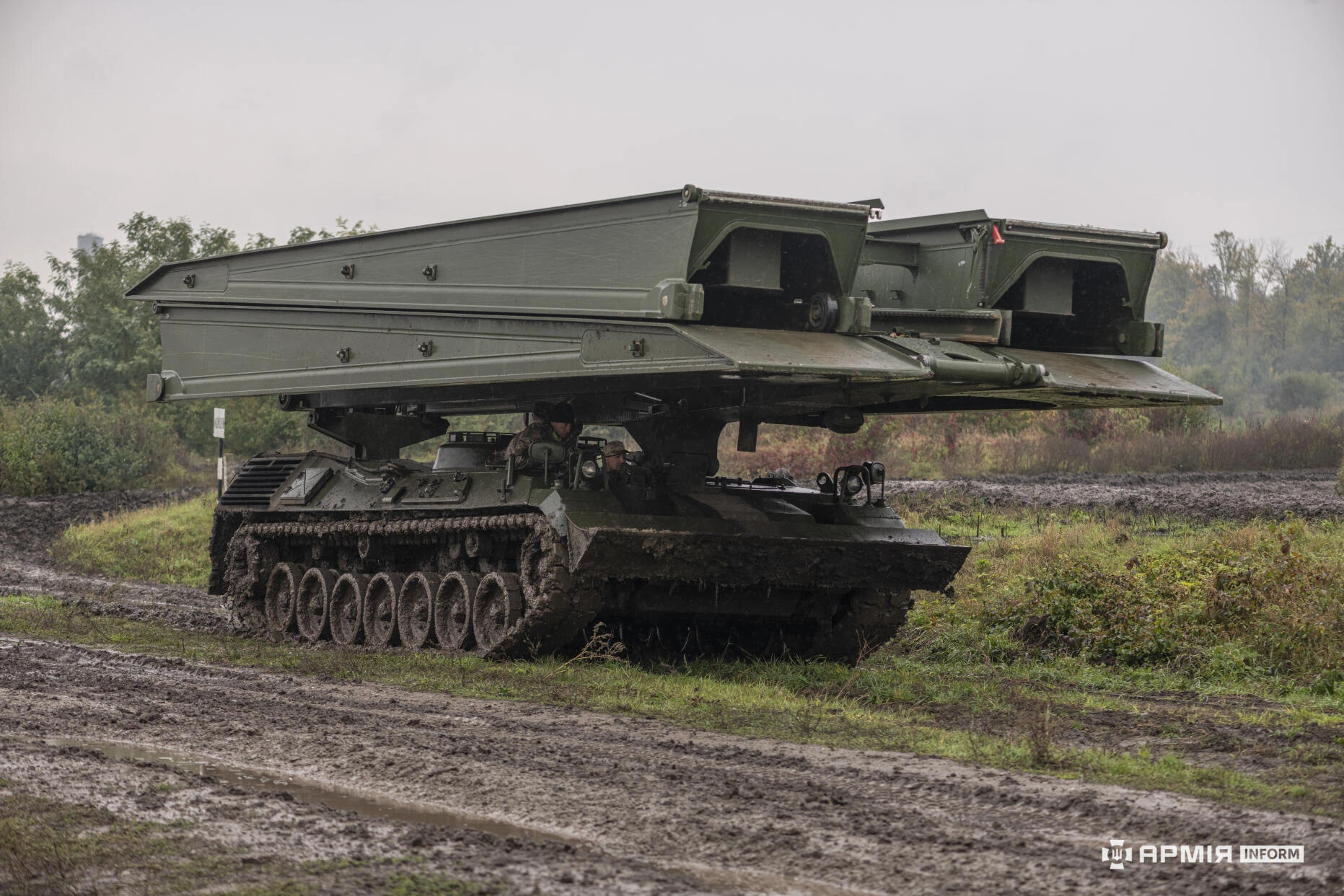

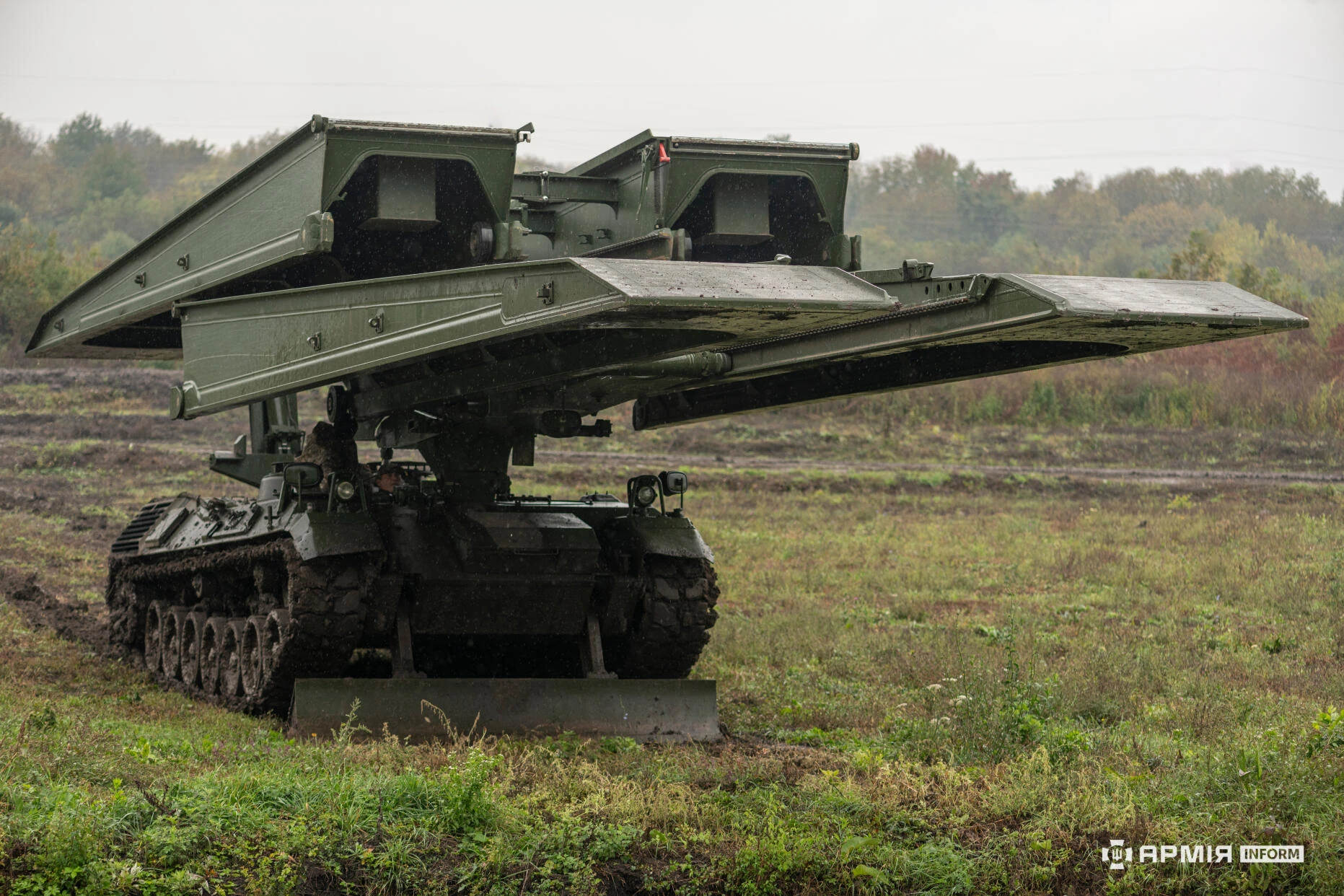
“This bridge-layer is intended to overcome obstacles such as: tank ditches, rivers, streams up to 20 meters wide. The bridge structure has a length of 22 meters, but it can span an obstacle up to 20 meters wide, leaving 1 metre on each side so that the structure has support. Special attention must also be paid to the type of ground on which the bridge structure is installed. The softer, more granular the soil — the greater the distance required for support”, — explains instructor Oleksandr.
This equipment is used for specific tasks — in particular, to support offensive operations. The installed bridge structure can withstand loads of up to 60 tonnes.
“The vehicle is capable of creating a crossing over an obstacle, overcoming it with the main forces, and then disassembling the bridge structure and immediately being ready to overcome the next obstacle”, — says the instructor.
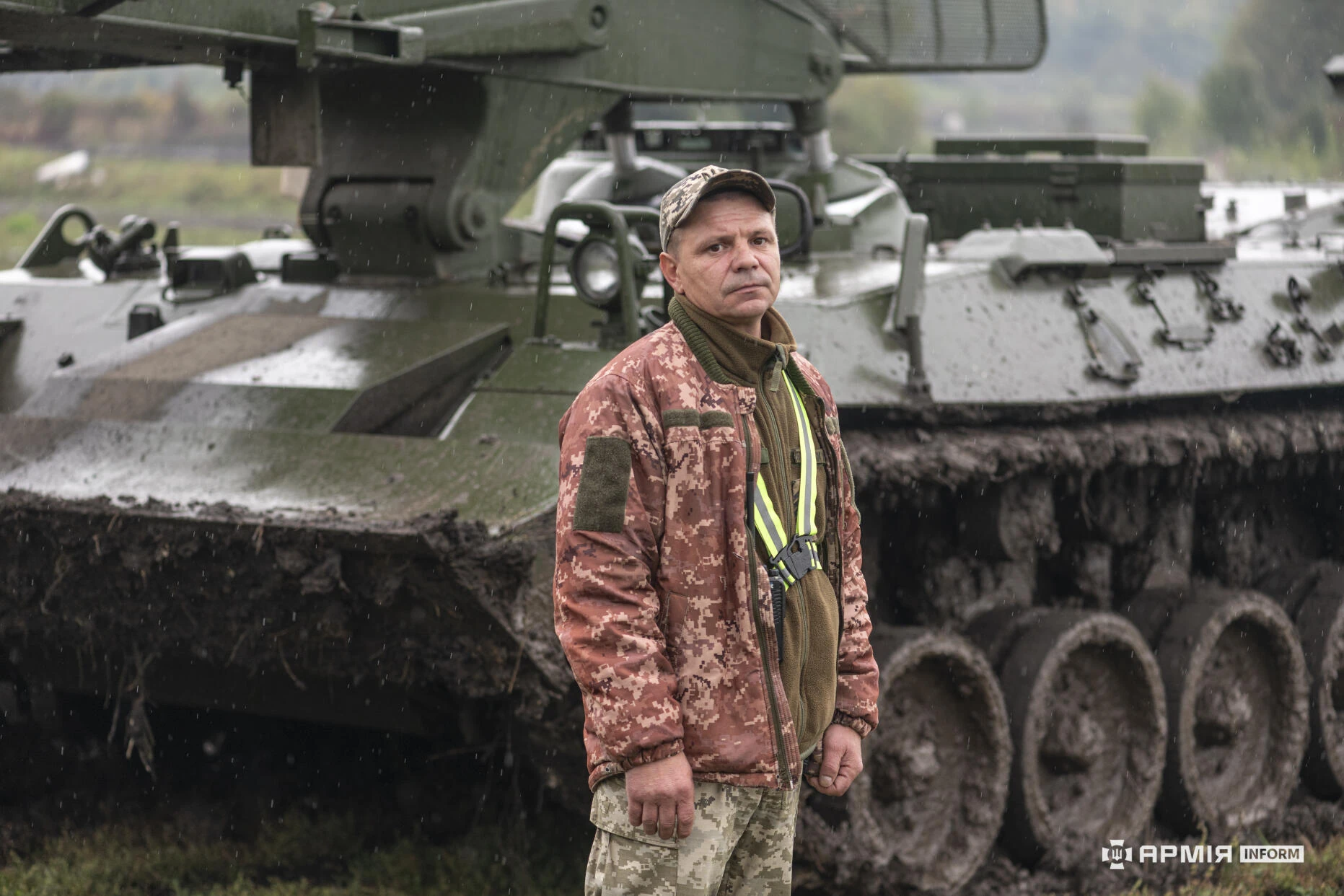
Biber has an important feature. Unlike many similar engineering vehicles, the bridge structure is installed in a horizontal position, which reduces the likelihood of visual detection by the enemy.
“We focus on practical training”
Training for a Biber driver-mechanic lasts 26 days. The course is divided into two parts: theoretical and practical. At the start of the training the course lasted 14 days, which was insufficient to gain good skills in operating this vehicle — especially if the group had more than five people. The extension of the training period was made precisely so that people would acquire more practical skills and be better able to carry out combat tasks.
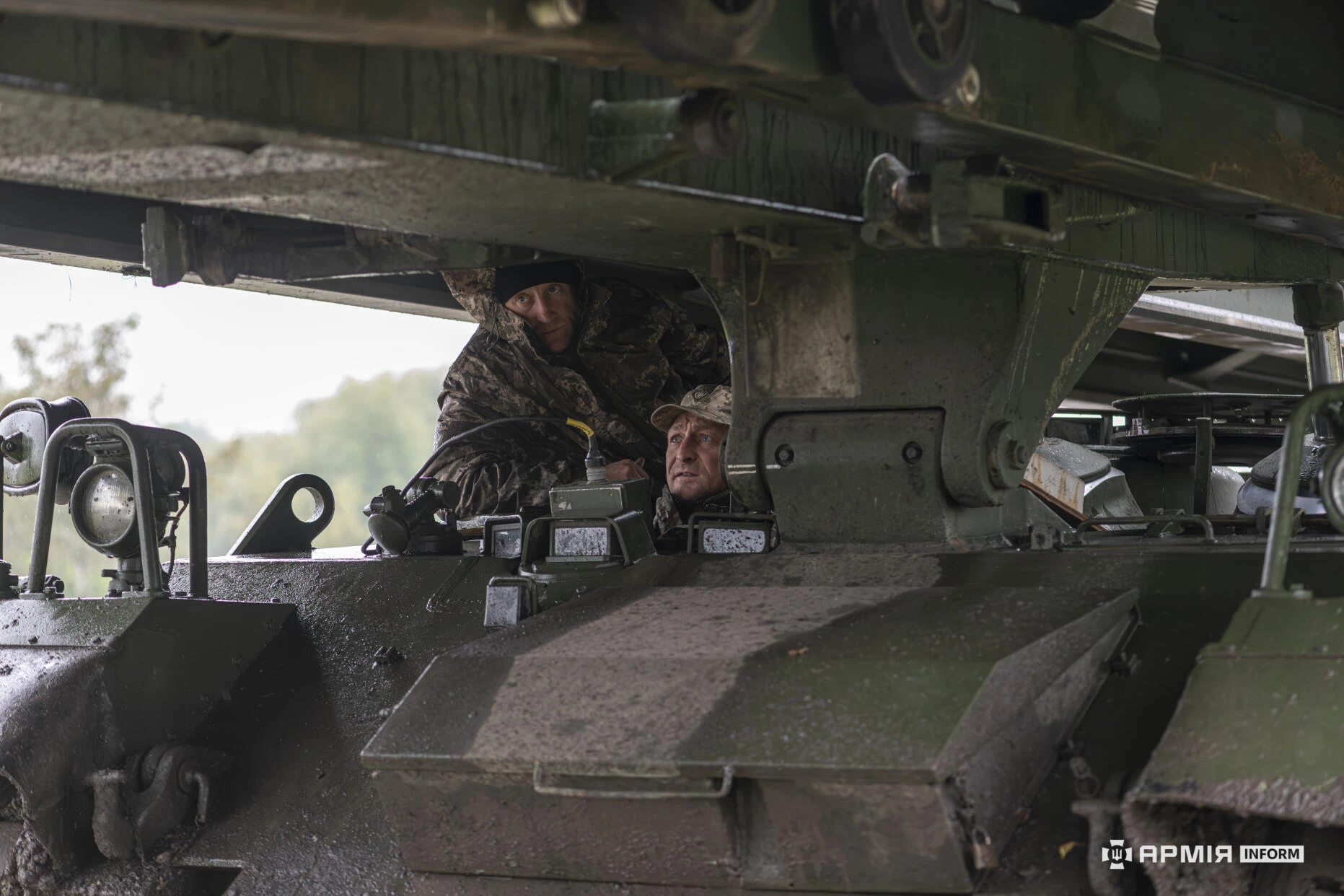
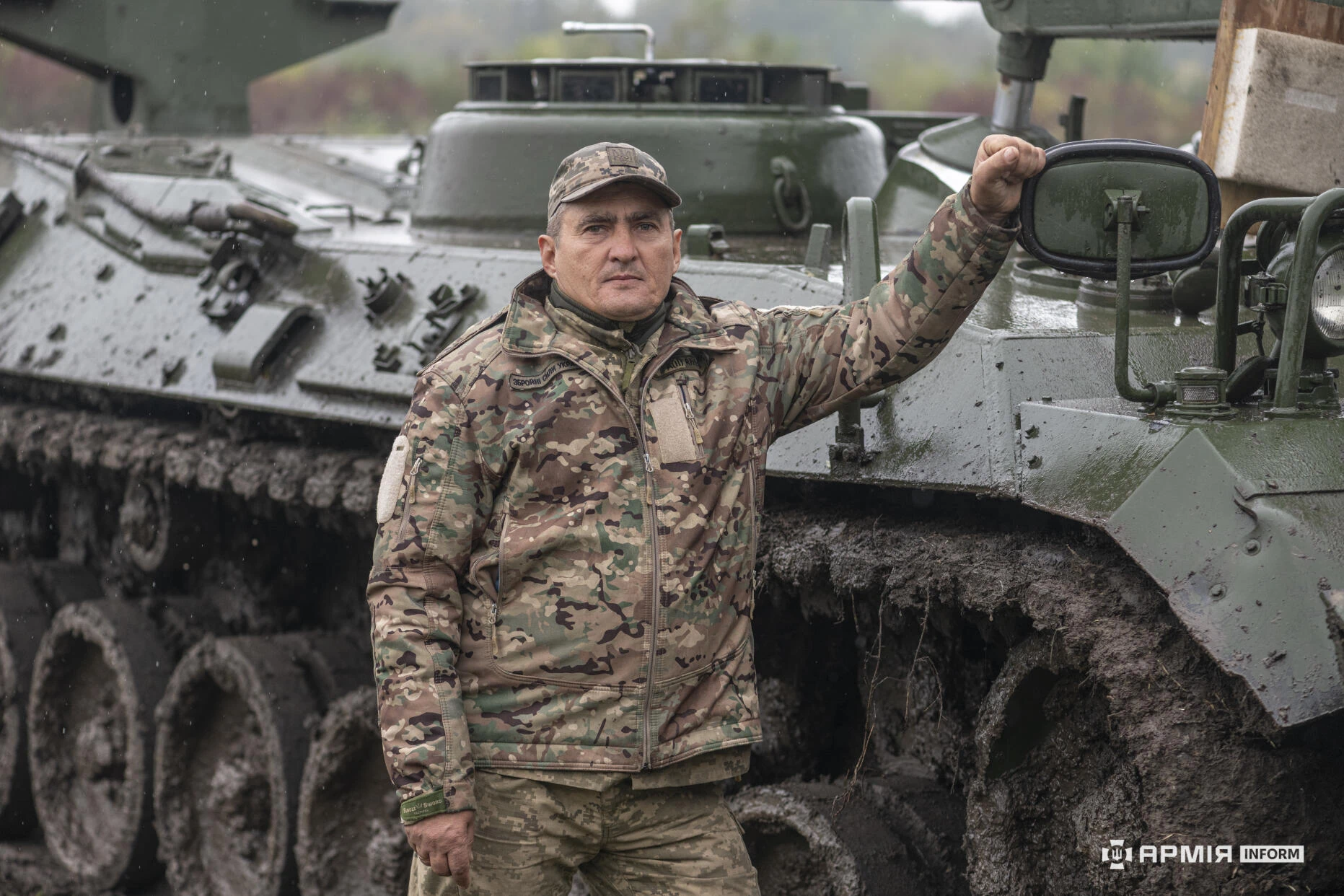
“Our goal is to give people as many practical skills as possible so that they get used to the vehicle and then feel confident operating it. The main thing is to learn the sequence of actions when installing the bridge structure and when disassembling it. If even one point in this sequence is not followed, the structure may break. That would lead to vehicle breakdown, and even worse — failure to complete a combat mission. The main forces’ units, because of one mistake, will not be able to overcome the obstacle, which will lead to undesirable consequences. We train service members from units that have or receive such equipment. It is better to train small groups of people. When there are many of them, it becomes harder. The smaller the groups, the higher the quality of training. People are different. Some learn on the go, while others need more attention”, — the instructor says.
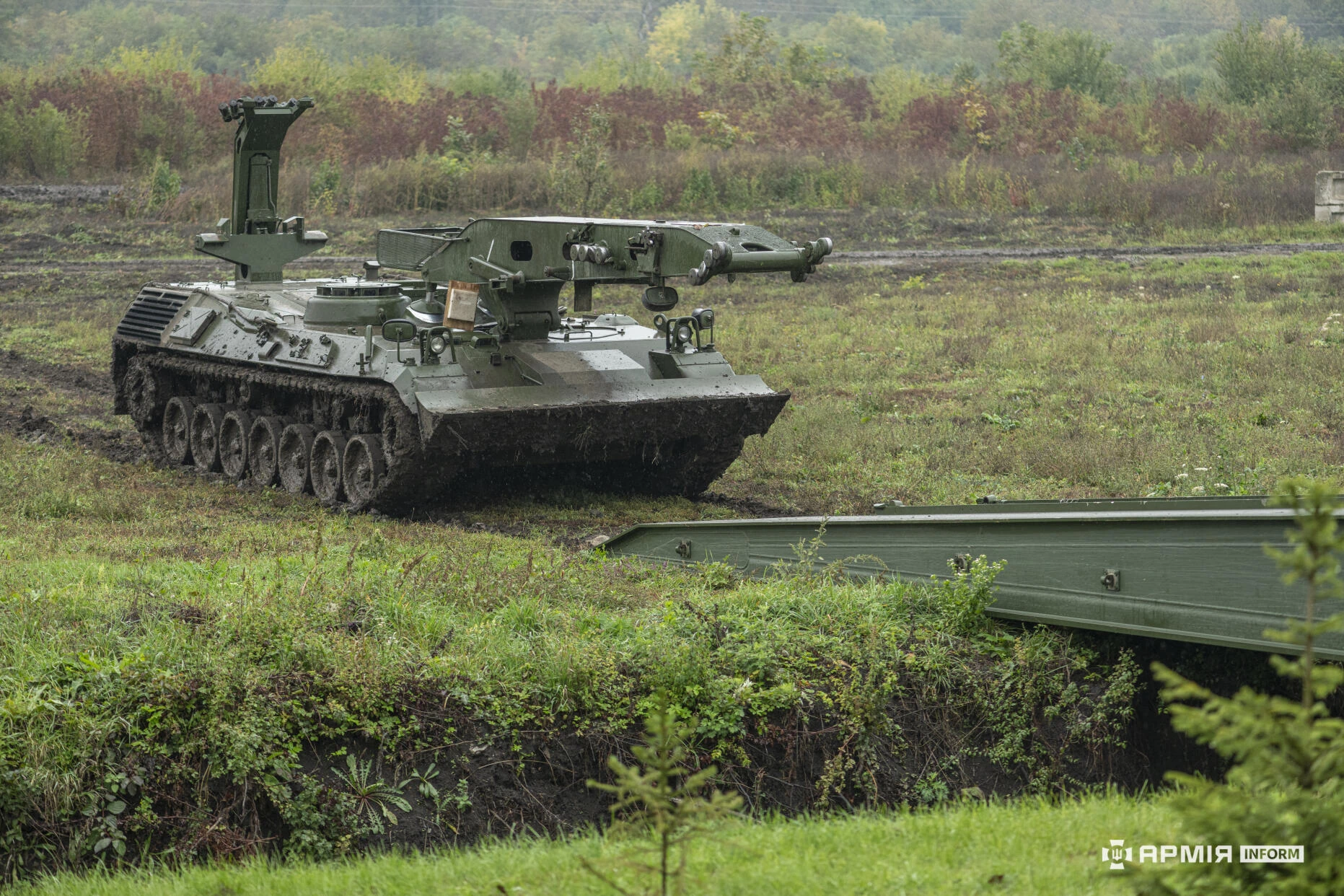
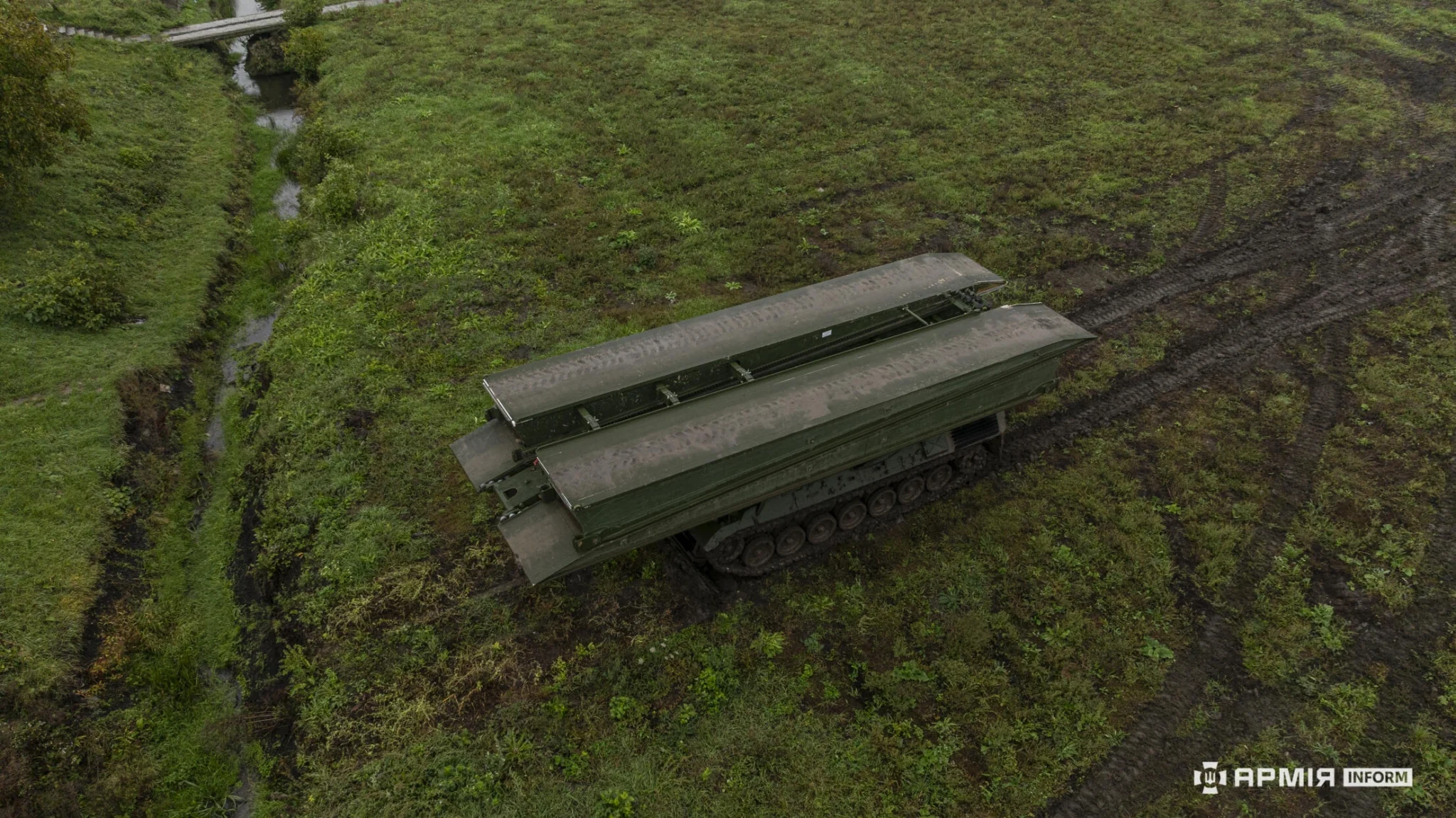
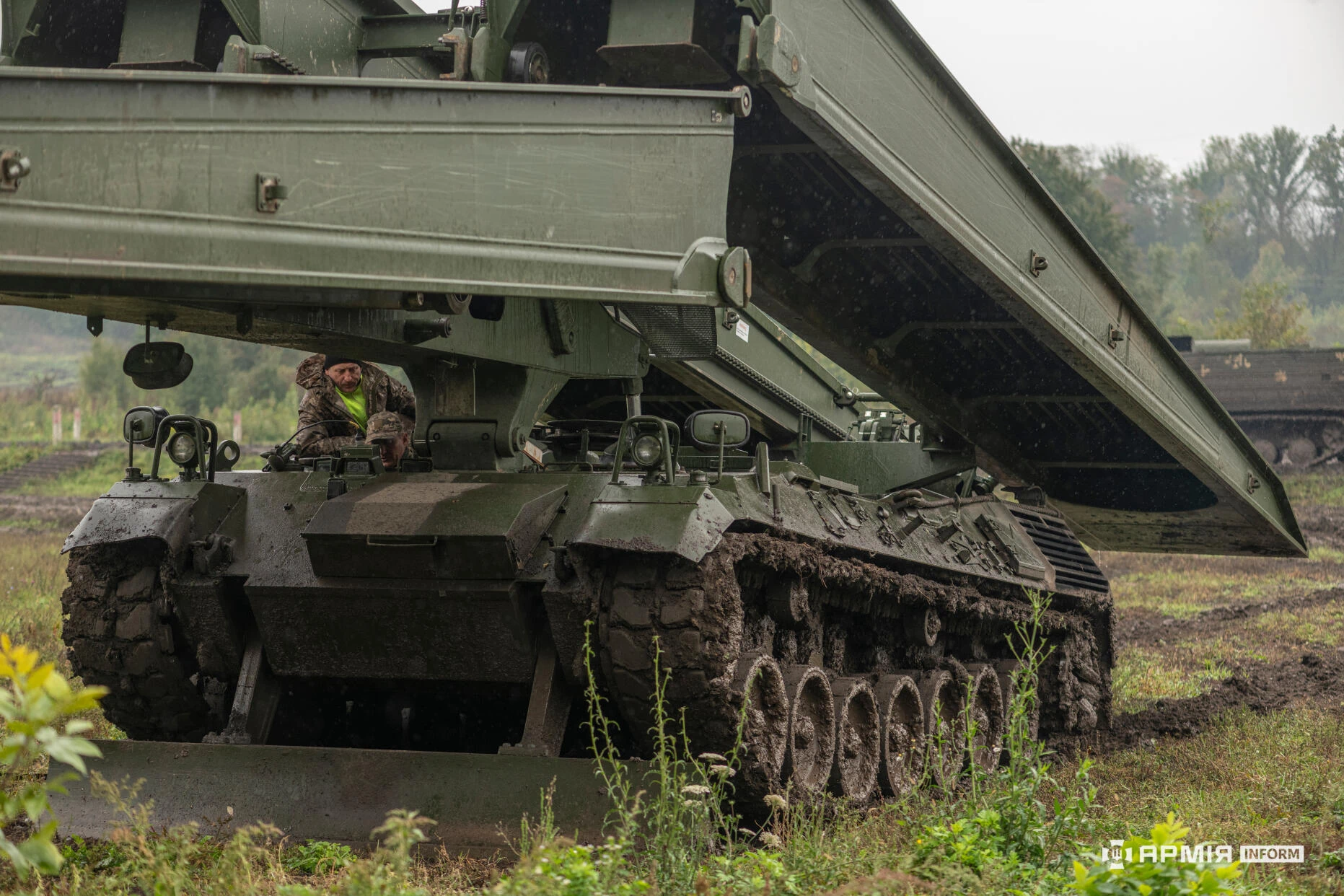
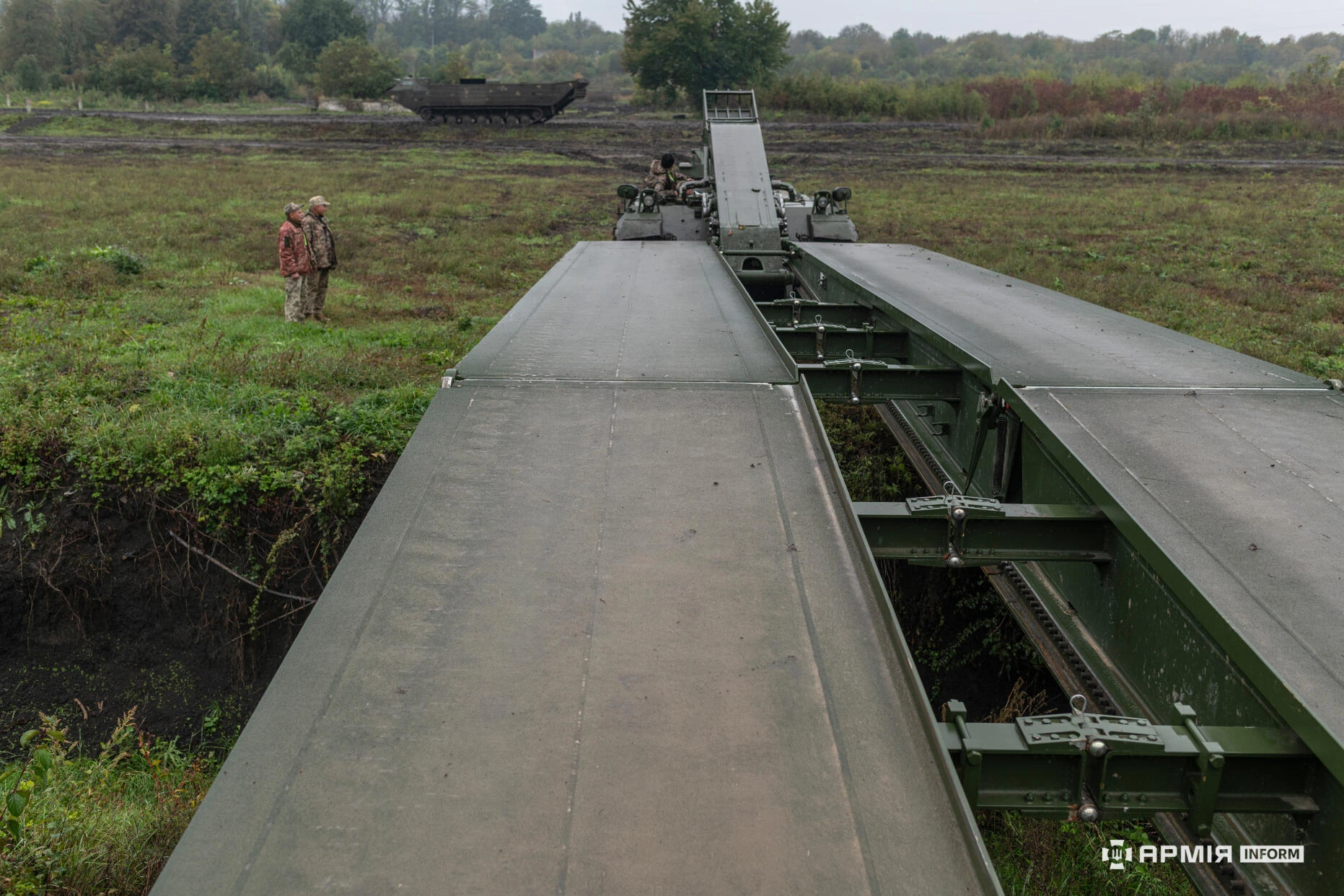
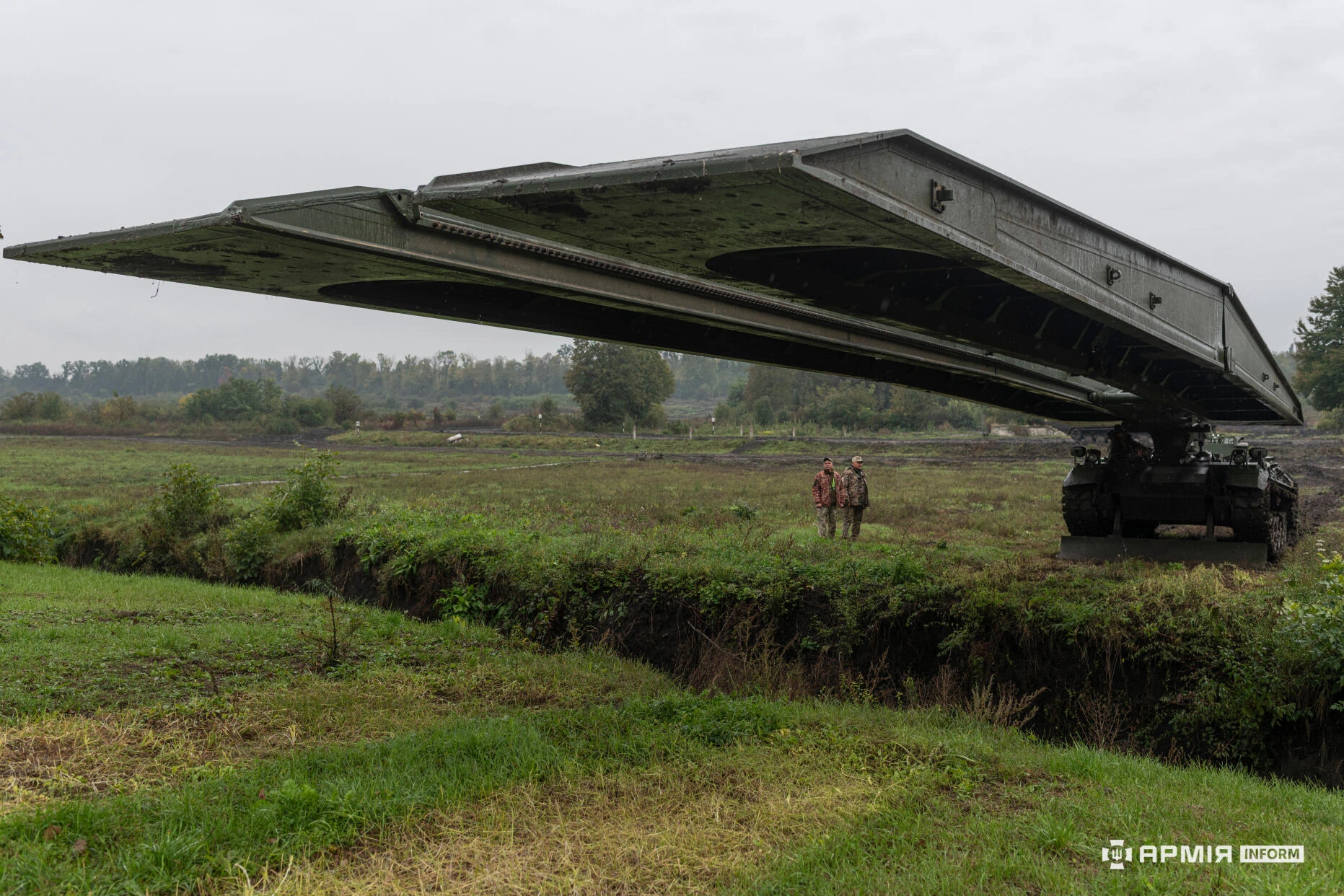
According to training standards, the bridge must be deployed in 4 minutes. And the process of disassembly is slightly longer — 5.5 minutes.
“There are a few more functions there. And more skills are required. In general, everything must be done as quickly as possible. Because speed is, first and foremost, the crew’s safety. Especially in the modern conditions of war, when drones are everywhere”, — Oleksandr notes.
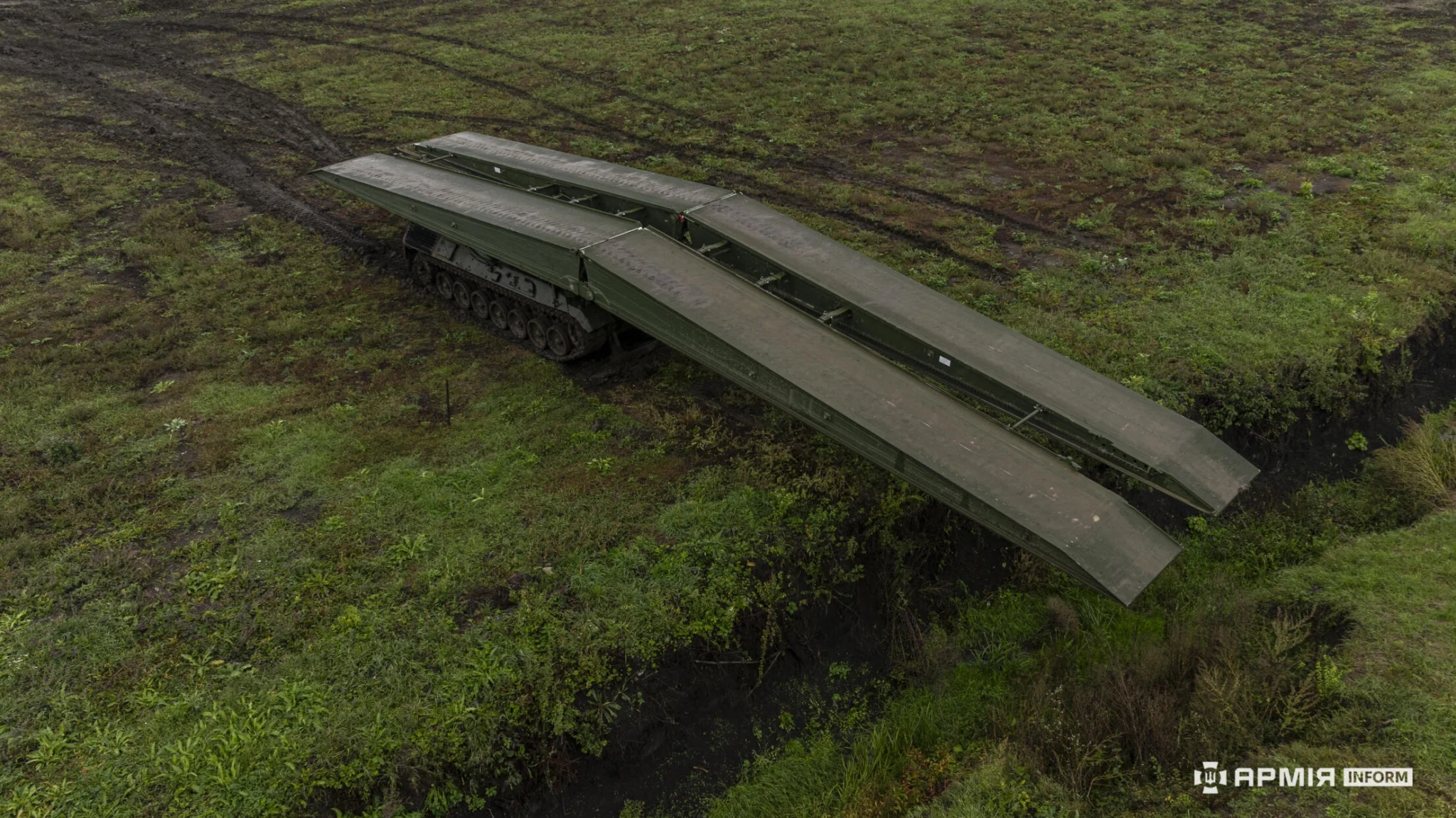
Biber is quite easy to master, says a senior soldier with the call sign “Orel.” He serves in one of the combat brigades of the Armed Forces of Ukraine. By specialty — a bridge-layer mechanic-driver. He is currently undergoing professional training specifically on working with this equipment. Before that, he says, he had never seen a Biber in his life. But he believes there is nothing overly complicated about it.
“The vehicle is very easy to operate. Automatic gearbox. The steering wheel is small. Working with the bridge itself is more difficult. Because there must be a certain sequence of actions there. And you must not mix anything up. That is the hardest process — so as not to break the bridge. The current training period is quite sufficient. Especially if a person has some basic skills. The instructors are very competent. If something is unclear, you need to say so, and they will explain everything”, — the service member says.
Training is conducted continuously, says instructor Oleksandr. When one group finishes training, work with another begins quite soon. Also, periodically instructors as part of mobile training teams go directly to units to conduct training on site. In that case the course lasts 14 days, and everything is focused specifically on practical exercises.
@armyinformcomua
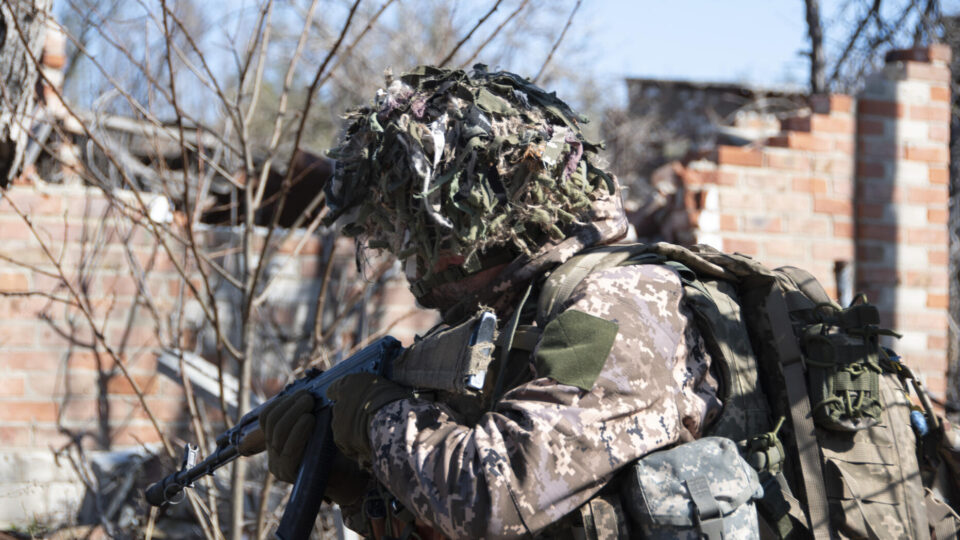
Within the framework of the counteroffensive operation in the Oleksandrivka direction, almost the entire territory of Dnipropetrovsk region has been liberated.

UAV operators of the Phoenix border guard unit continue to methodically destroy enemy manpower and vehicles in the Dobropillia direction.
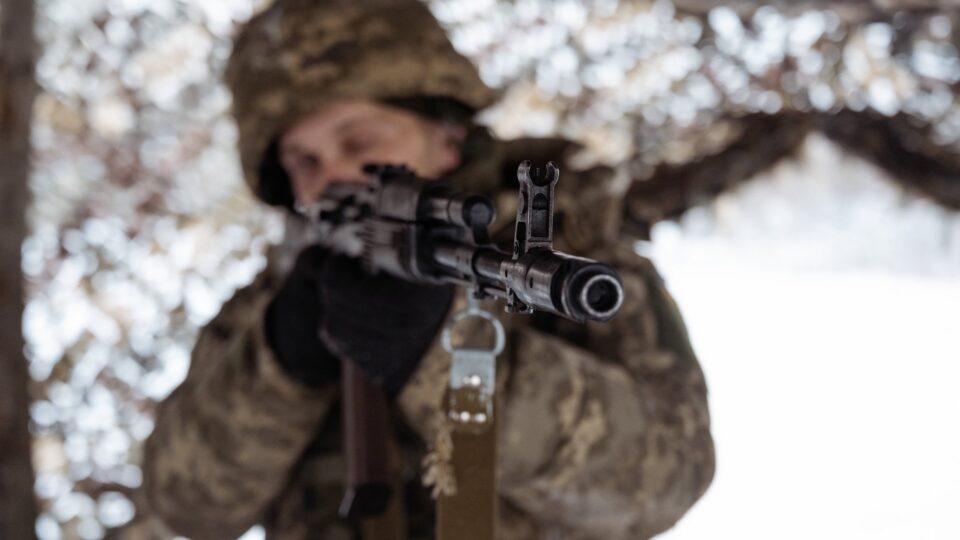
In the Vovchansk direction, occupiers are surrendering en masse due to demotivation and loss of faith, as they literally have to advance over the corpses of the

President of Ukraine Volodymyr Zelenskyy signed a decree enacting a decision of the National Security and Defense Council on the application of sanctions agains

On the night of March 10, the Defense Forces of Ukraine carried out a series of strikes against Russian fuel and lubricant depots, an electronic warfare station

As a result of cooperation between cyber warfare units and other components of the Defense Forces, Russian military facilities worth more than $57 million were
The international delegation, headed by Ana Lucía Bueno, ICRC Public Health Coordinator, and Sujit Panda, Head of the Physical Rehabilitation…