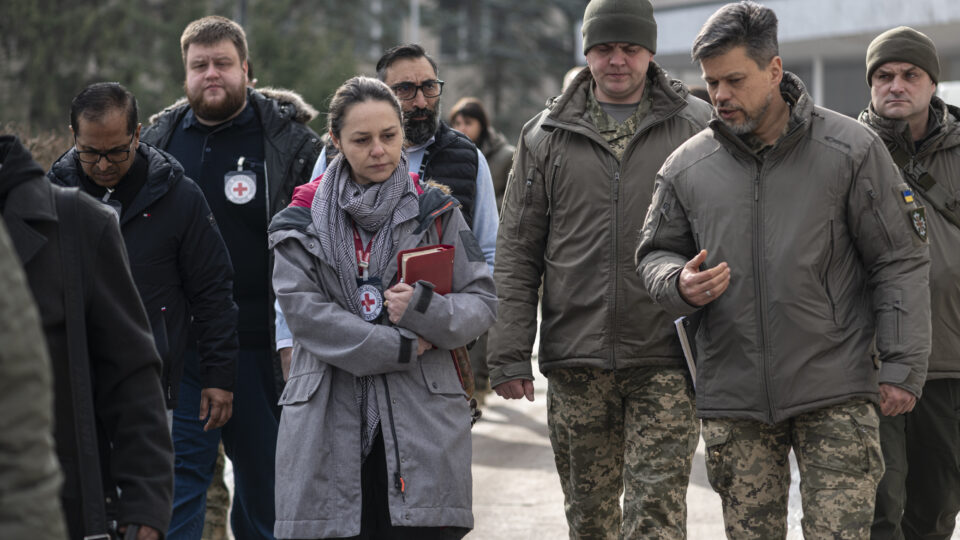
The international delegation, headed by Ana Lucía Bueno, ICRC Public Health Coordinator, and Sujit Panda, Head of the Physical Rehabilitation…

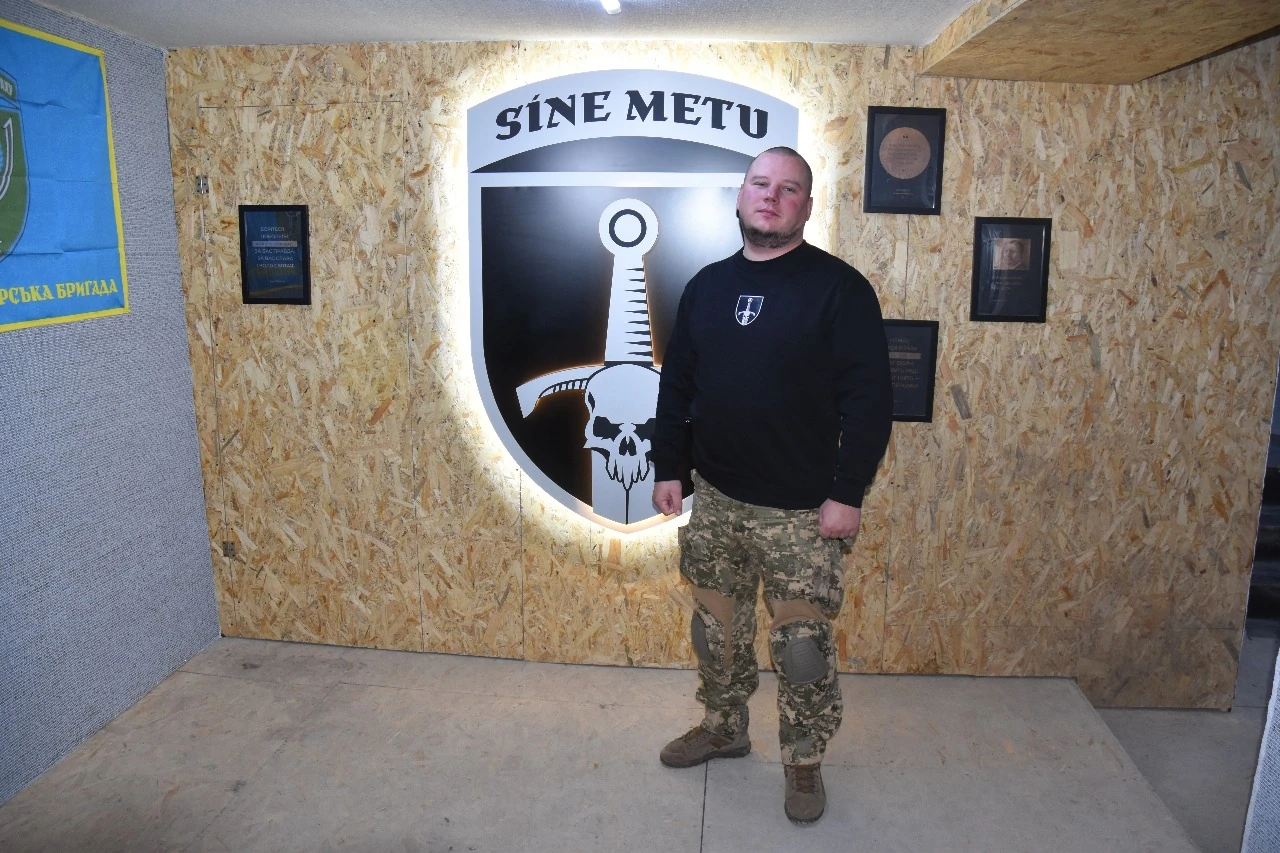
Colonel Dmytro Palisa, commander of the 33rd Separate Mechanized Brigade, spoke about the combat operations in the Dobropillia sector, where the enemy is trying by all means to break through our defense.
Six out of forty-two
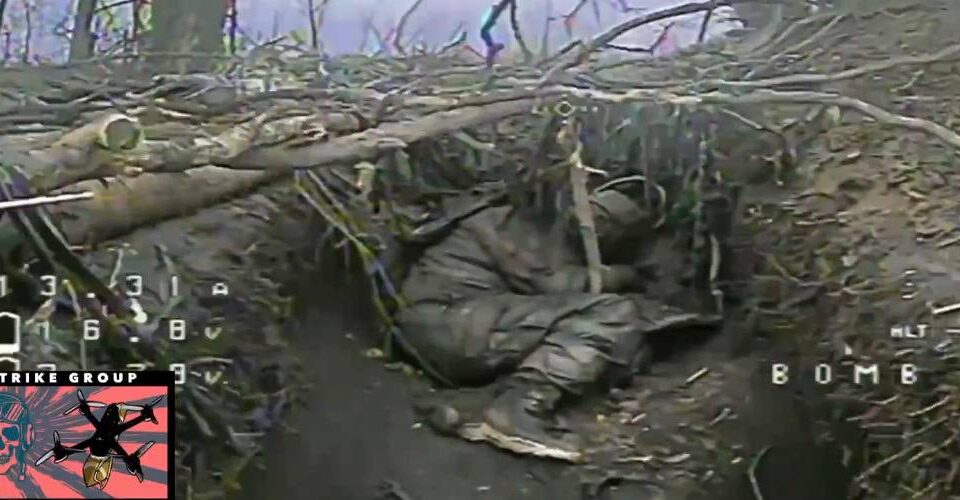
— The situation remains difficult and tough, even after we stabilized it, conducted a clearance operation with the forces of certain brigades, and captured many prisoners. Since October 9, the enemy has carried out assault operations involving a large amount of equipment such as IFV-3s, MT-LBs, and tanks with mine rollers. They failed to achieve their objectives, but these assaults were to be expected, as new marine brigades arrived to reinforce the enemy, replacing the motorized rifle brigades that had been wiped out against us. So the situation is difficult, but under control. In our sector, the enemy is trying to advance with infantry groups through tree lines and fields. The tree lines here are wide and dense, so the enemy was moving through them while there were still leaves. Now they are relying more on equipment. Because on foot, the Russians simply don’t reach our positions — we destroy them with bombers and FPV drones. That’s why they started using more armored vehicles. Their vehicles were covered with anti-drone protection. I hadn’t seen a tank with a mine roller in a long time, but here such a tank was moving first. Therefore, the remote mining that we actively use didn’t have its usual effect. To fix the situation, we used “Vampire”-type bombers. With them, we dropped munitions on enemy vehicles that were “barbecued” (covered in protective metal grills) and equipped with powerful EW systems. Thanks to these drops, we damaged that EW, after which we practically mocked and finished off the Russian equipment using both fiber-optic and regular FPV drones. As a result, it all burned down: out of 42 pieces of equipment that took part in the assault, only six managed to get away.
Captivity — a blessing for the enemy assault troops
— During these “pincer” attacks toward Dobropillia, the enemy managed to advance deep, but what kind of logistics did they have? Zero! So we captured people who hadn’t eaten properly or drunk clean water for weeks. For them, being captured was a blessing — they knew they’d be fed and given water here. Overall, the enemy’s plan was to try to encircle large urban agglomerations under our control. The occupiers remember well the losses they suffered when storming Bakhmut. They analyze and draw conclusions, so now they try to attack not head-on, but to bypass cities and cut them off. We are actively countering this.
UGVs versus the “kill zone”
— Now we are facing a significant expansion of the so-called “kill zone” — an area where any vehicle is highly likely to be destroyed. This works both ways, and it’s quite difficult for us too, as we’re losing quad bikes and pickup trucks. One positive solution that is already being implemented in many units — and which I have introduced in our brigade — is the use of Unmanned Ground Vehicles (UGVs). We already have three UGV crews that successfully deliver food, water, and ammunition, and evacuate the wounded. They are quieter and less visible than pickups. Yes, it takes more time to get them to the positions, but it allows us to maintain logistics. As for deploying personnel to the positions — they often have to go on foot. Of course, it’s faster and easier on a pickup, but I always tell the battalion commanders: it’s better to get your feet wet but reach the position alive. Because pickups have become a top-priority target for enemy drones that often sit at crossroads and roadsides, just waiting for anything to drive by — and they definitely won’t miss a pickup. So it’s better to spend more time walking, as it saves soldiers’ lives and health.
The enemy fights for money
— From conversations with prisoners, I got the impression that most of them have only one motivation — to earn money. They go to war for pay. As for their training, it could have been better — and that’s good for us, because the enemy infantry is not very skilled in offensive or assault tactics. Of course, there are different types of fighters among them: there are convicts who went to war to get out of prison, and there are trained professionals, especially from the marine brigades redeployed here from the Kursk region. As for age — some were born in the 1980s. On one hand, it doesn’t seem that the enemy is facing a shortage of personnel yet. I think that although it hasn’t been officially announced, a covert mobilization is underway there. On the other hand, they understand that they have to keep moving forward, and for that, they must keep throwing new “meat” into battle. So they don’t have enough time for proper training — they neglect it in order to maintain a high assault tempo.
“What do I want? To sleep!”
— You see, a brigade commander isn’t just a soldier who commands battalion commanders. There are many different areas a unit commander must control and get involved in. There’s also internal work. A unit will degrade if internal work is not done properly. And to develop a brigade, you need experience — which I gained when I served as a battalion chief of staff, doing a lot of paperwork, though it’s unavoidable. Likewise, the position of deputy brigade commander gave me more combat experience. I now use all of that in my work. There’s an enormous amount of work — dozens of areas to oversee — and all of it takes time, which is always lacking. So when people ask me what I want, I say: I dream of getting some sleep. But for now, that dream is unattainable.

The enemy is attempting to develop the production of naval drones and copy successful Ukrainian practices — both technical solutions and tactics.
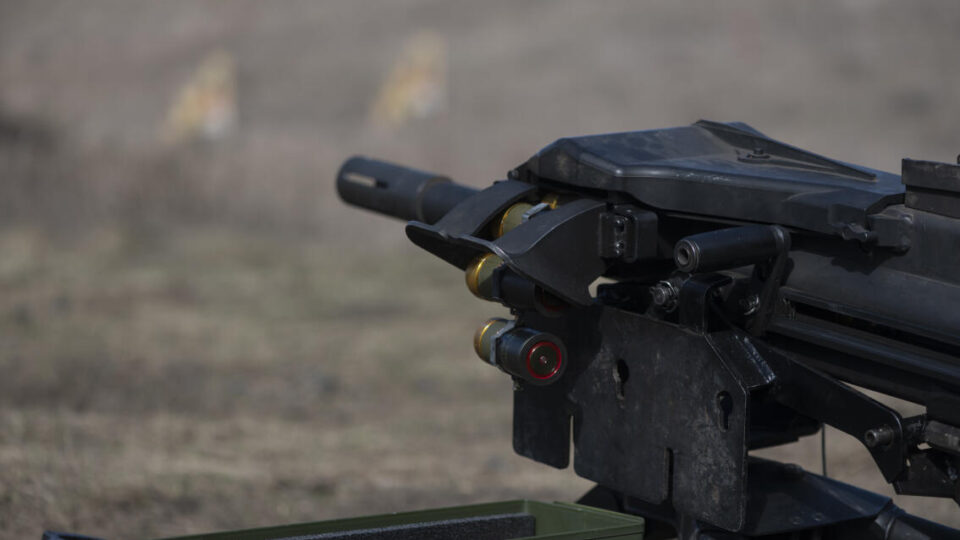
Fighting continues in the northern part of the city of Pokrovsk in the Pokrovsk direction. A mechanized assault was repelled there the day before.
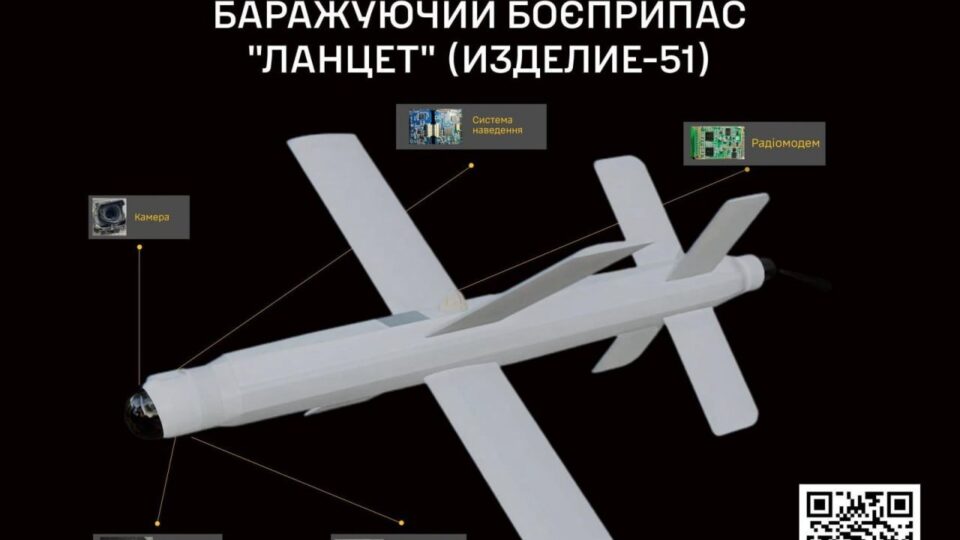
The Main Intelligence Directorate of the Ministry of Defense of Ukraine has published data on enterprises involved in the production of Russian loitering muniti

Another two-day round of negotiations between Ukraine and the United States concluded in Florida on March 22.
The enemy continues daily pressure and attempts to break through Ukrainian defenses in the Sloviansk direction.
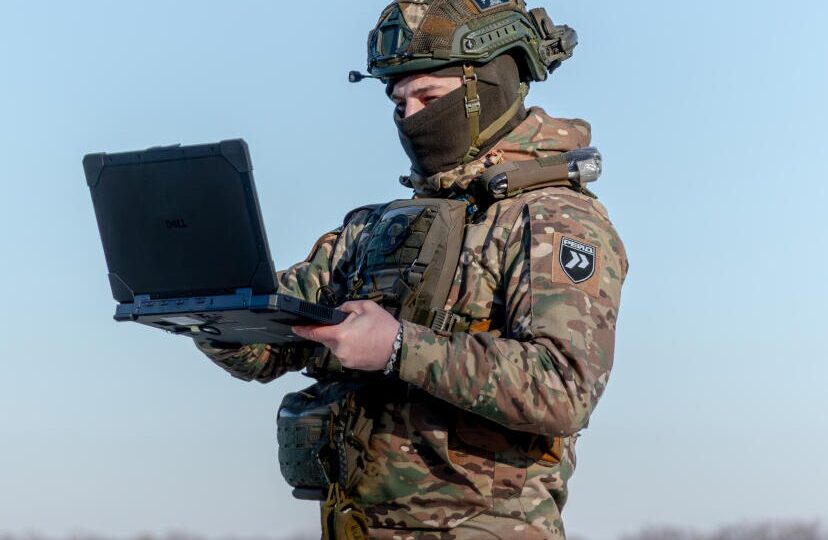
Over the past day, units of the Unmanned Systems Forces struck/destroyed 1,078 enemy targets.
The international delegation, headed by Ana Lucía Bueno, ICRC Public Health Coordinator, and Sujit Panda, Head of the Physical Rehabilitation…