
The international delegation, headed by Ana Lucía Bueno, ICRC Public Health Coordinator, and Sujit Panda, Head of the Physical Rehabilitation…

Social media is flooded with short videos of UAVs dropping “toys” that destroy enemy infantry or set their equipment on fire, or of kamikaze drones spectacularly turning armored combat vehicles into scrap.
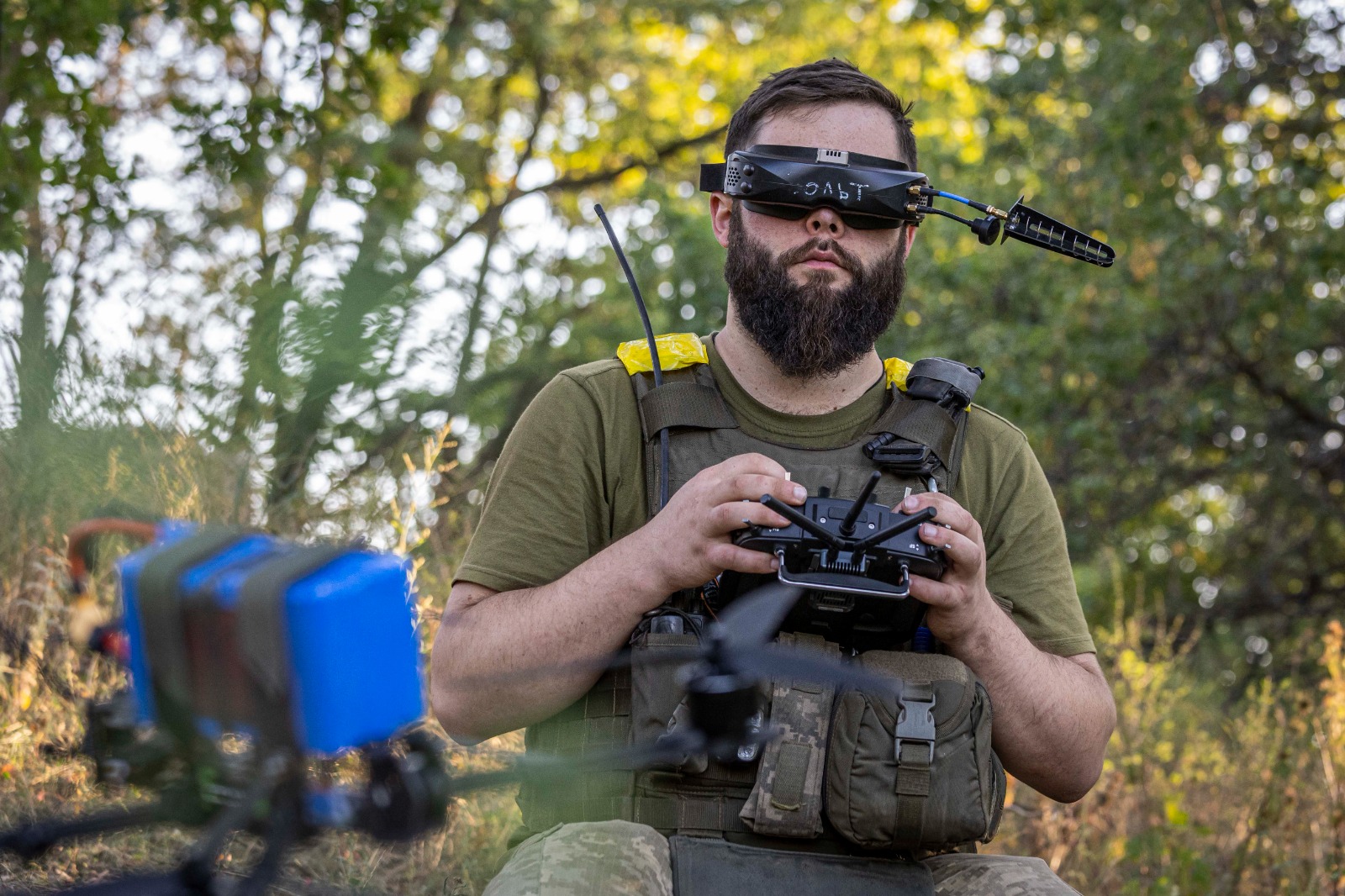
But there are very few reels showing pilots — perhaps it’s fair to call them anti-aircraft pilots — shooting down enemy UAVs midair.
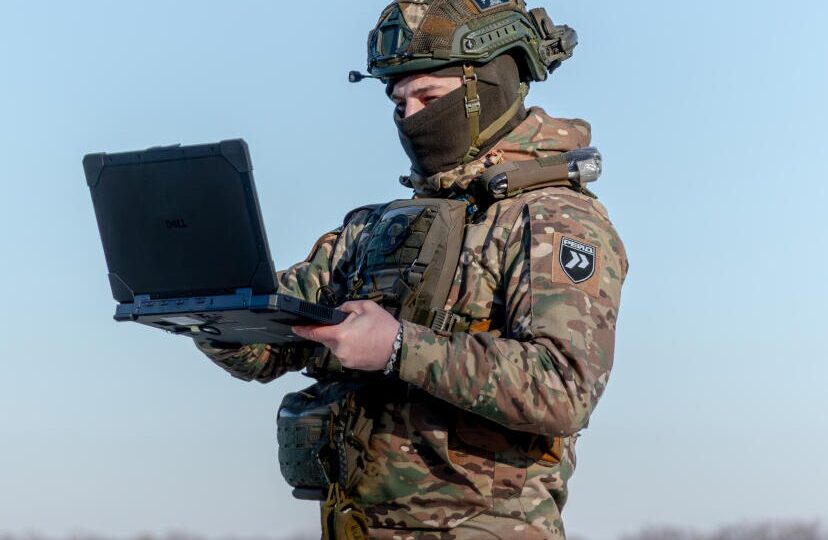
An officer of an anti-aircraft missile-artillery battalion of the 14th Separate Mechanized Brigade named after Prince Roman the Great spoke about the specifics of these aerial combat aces’ work, the changes in the conduct of war that occurred in anti-aircraft missile-artillery battalions since the beginning of the full-scale invasion, and whether the motivational program Army of Drones.
Modern warfare has forced us to reconsider both the very approach to combat and the means of engaging aerial targets. At the beginning of the full-scale invasion, we mainly worked with “Strela-10” surface-to-air missile systems, portable air-defense missile systems such as “Igla,” “Piorun,” “Stinger,” “Mistral,” the “ZU-23-2” anti-aircraft gun, and others. After all, our targets were aircraft and helicopters.
But eventually the enemy even stopped using helicopters to support its infantry. Technology shifted toward UAVs. These changes also affected our anti-aircraft missile-artillery battalion. On its basis, a small interceptor drone unit was initially formed, which has now expanded significantly.
We essentially began working in this new direction about a year ago. At first, it was trial and error, all built on enthusiasm and the understanding that we had to do this, mostly on a volunteer basis. Someone would procure equipment, someone else would buy parts, someone would modify them. Command supported us in developing this segment as well.
And now we are gradually transitioning to the use of UAVs, particularly FPV drones.
Searching for targets in the sky has its own specifics. Essentially, an FPV pilot operates in a 3D space without landmarks. You fly into the endless sky, where you cannot “anchor” yourself to the terrain — a bush, a tree, a river, or a road. In the sky, metaphorically speaking, you’re like a blind kitten. Other systems and colleagues must guide you. Here, one man alone is not a warrior. It’s a complex, team-based effort. We’ve set up this cooperation and are trying to work as efficiently as possible.
Most of our downed enemy UAVs are currently strike drones of the “Molnia” and “Molnia-2” types. The latter model has two fans and a higher payload capacity. These drones are very dangerous: they can hit any targets — moving, stationary, buildings — and can even carry anti-tank mines. The enemy even uses them to transport supplies to positions unreachable by vehicles.
So, when we shoot down a “Molnia,” we also deal damage to enemy logistics. Not to mention that the “Molnia” itself can cause losses worth millions if it hits equipment, vehicles, or buildings — let alone Ukrainian troop positions.
We’ve achieved good results. Our colleagues and adjacent units recognize this. In particular, we work effectively with analog signals. For the general public: there are expensive FPV drones operating on digital signals that provide a high-quality image, and there are cheaper drones using analog signals, which produce poorer video.
In the latter case, it’s harder to detect a target. A poor-quality image makes searching for and engaging a target more difficult, but our guys have learned to work even under such conditions. We shoot down enemy wings using analog, and that’s cheaper. The cheaper the drone we use to bring down a more expensive target, the more cost-effective we are. Modern war is economics.
There are expensive drones that can effectively counter “Molnias.” But the enemy uses them en masse, and they’re relatively cheap. So, we must down them with cheaper drones. We try to reduce costs as much as possible. The number of downed drones mainly depends on the intensity of hostilities. Over the past two months, we’ve shot down more than 80 targets — mostly “Molnias,” but also “Lancets” and even “Shaheds.”
We work under the electronic points system provided by the Army of Drones Bonus program. Shoot down a “Molnia” — get a certain number of points; destroy a “Lancet” — earn the points assigned for that target; and so on, points are awarded for each target.
We’ve had quite good results, and accordingly, high scores. Thus, in two months, we earned nearly 8.5 million hryvnias!
With this amount, we can sign contracts with manufacturers and order drones built specifically to our needs. Drones can now be purchased from many manufacturers. Each drone has its specifics and settings. Not every drone is compatible with every device or antenna — different polarization, different frequencies. Sometimes volunteers provide us with drones. We take them, but to use them effectively, we have to modify and upgrade them, which means investing our own funds.
But the electronic points system allows us to negotiate directly with manufacturers for specific drone characteristics and receive a ready-to-use product. This is a huge advantage of the system.
At present, we mostly work against enemy drones that don’t fly far beyond the frontline. But our command has plans to expand operations to shoot down larger UAVs, including “Shaheds.” That requires a completely different approach and specifics because these targets fly at very high altitudes.
Although we’ve had cases of downing “Shaheds” with anti-aircraft guns, it doesn’t happen often, as “ZU” systems don’t reach high altitudes. Moreover, “Shaheds” are usually launched at night, making visual contact difficult. To counter them at those altitudes and destroy them more effectively, interceptor drones, MANPADS, radar-guided anti-aircraft guns, or short-range SAM systems are needed.
But we are working in this direction too. Because war doesn’t stand still. Everything evolves. And so do we!
Photo by Natali Karachi

The enemy is attempting to develop the production of naval drones and copy successful Ukrainian practices — both technical solutions and tactics.
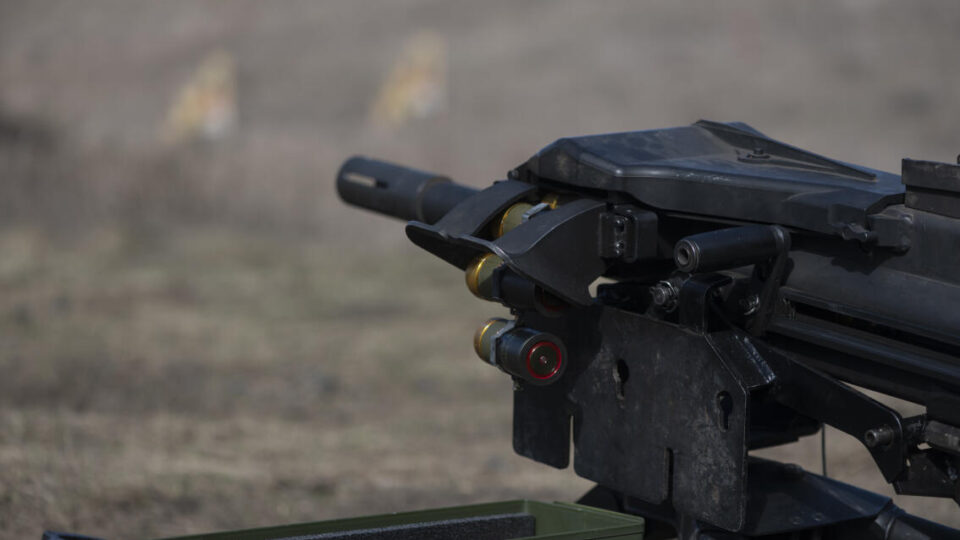
Fighting continues in the northern part of the city of Pokrovsk in the Pokrovsk direction. A mechanized assault was repelled there the day before.
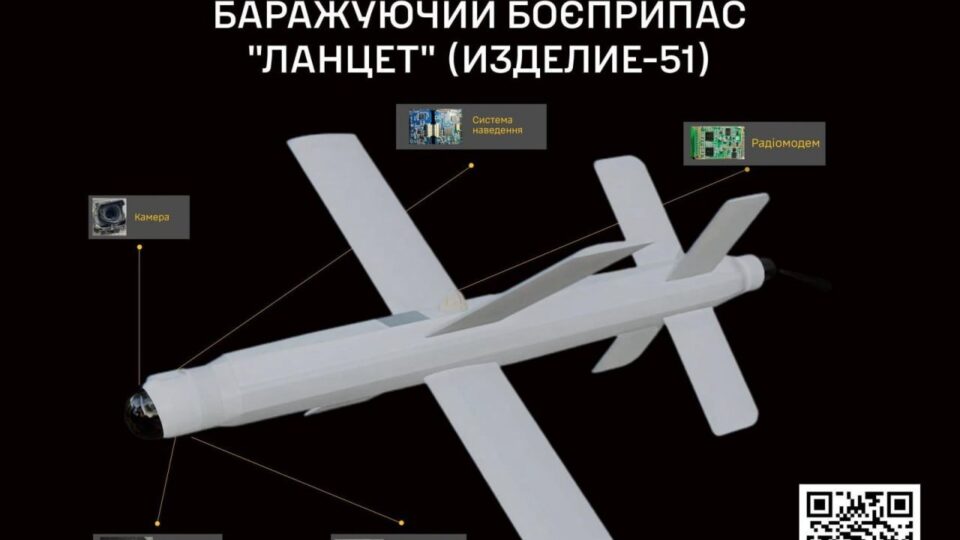
The Main Intelligence Directorate of the Ministry of Defense of Ukraine has published data on enterprises involved in the production of Russian loitering muniti

Another two-day round of negotiations between Ukraine and the United States concluded in Florida on March 22.
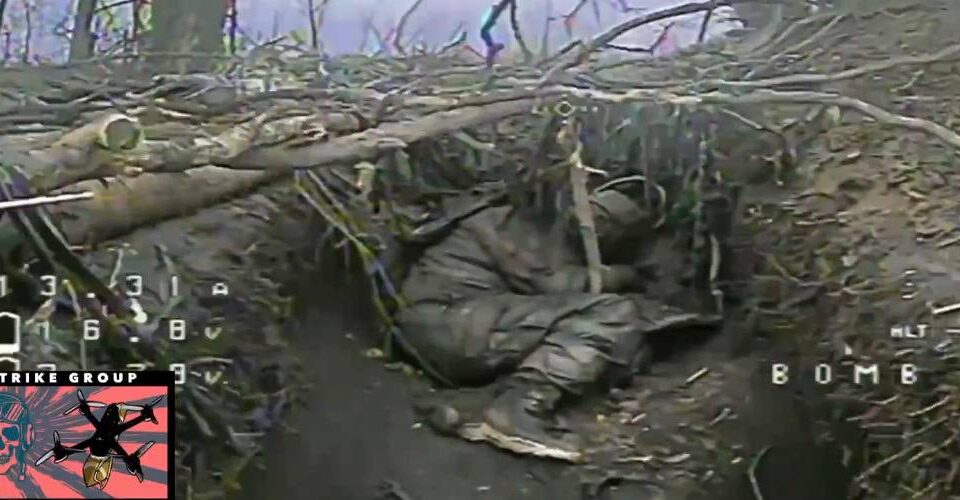
The enemy continues daily pressure and attempts to break through Ukrainian defenses in the Sloviansk direction.
Over the past day, units of the Unmanned Systems Forces struck/destroyed 1,078 enemy targets.
The international delegation, headed by Ana Lucía Bueno, ICRC Public Health Coordinator, and Sujit Panda, Head of the Physical Rehabilitation…