First, the brigade’s tankers destroyed an enemy MT-LB with two accurate shots from a T-64 turret gun, and then the…

Unmanned aerial vehicles — from heavy bombers to agile FPV kamikaze drones — are an everyday reality in the skies over the modern battlefield.
Day and night, they annihilate the occupiers, falling onto their heads from above like predatory birds or merciless mythical creatures.
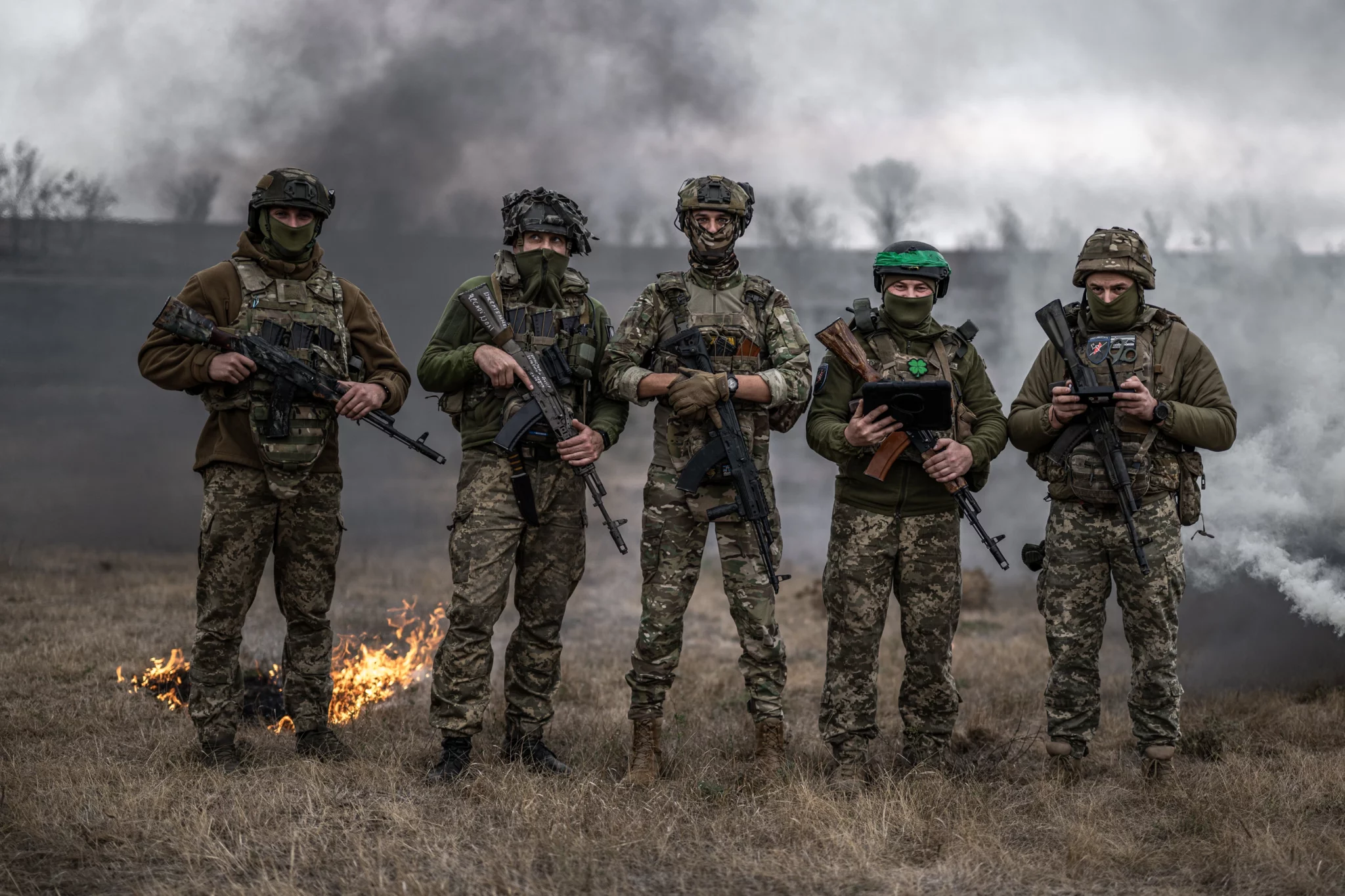
Photographs of combat-ready Ukrainian UAVs and their masters — the brave warriors of the 110th Separate Mechanized Brigade named after General-Cornet Marko Bezruchko — are featured in the ArmyInform photo report.
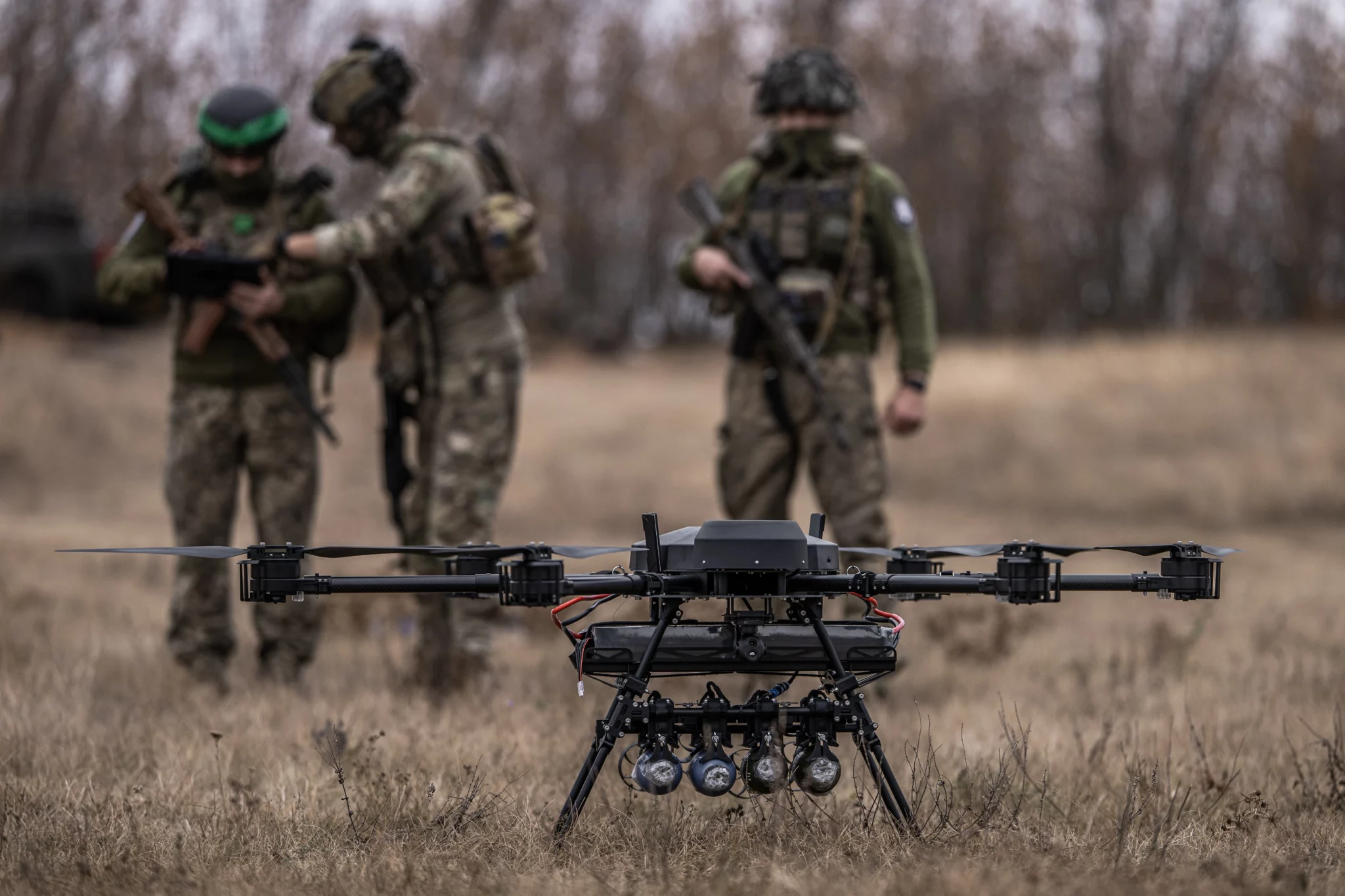
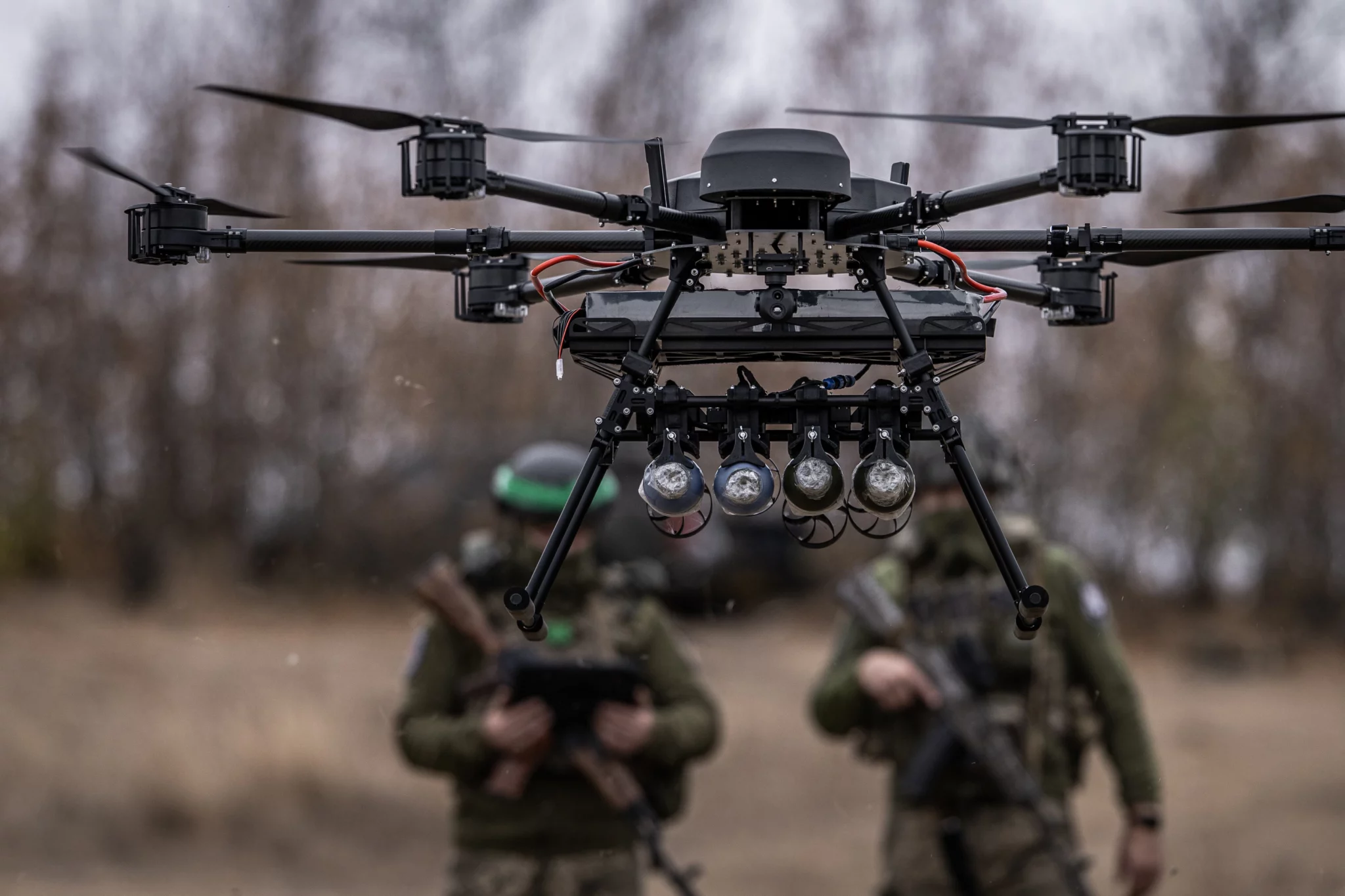
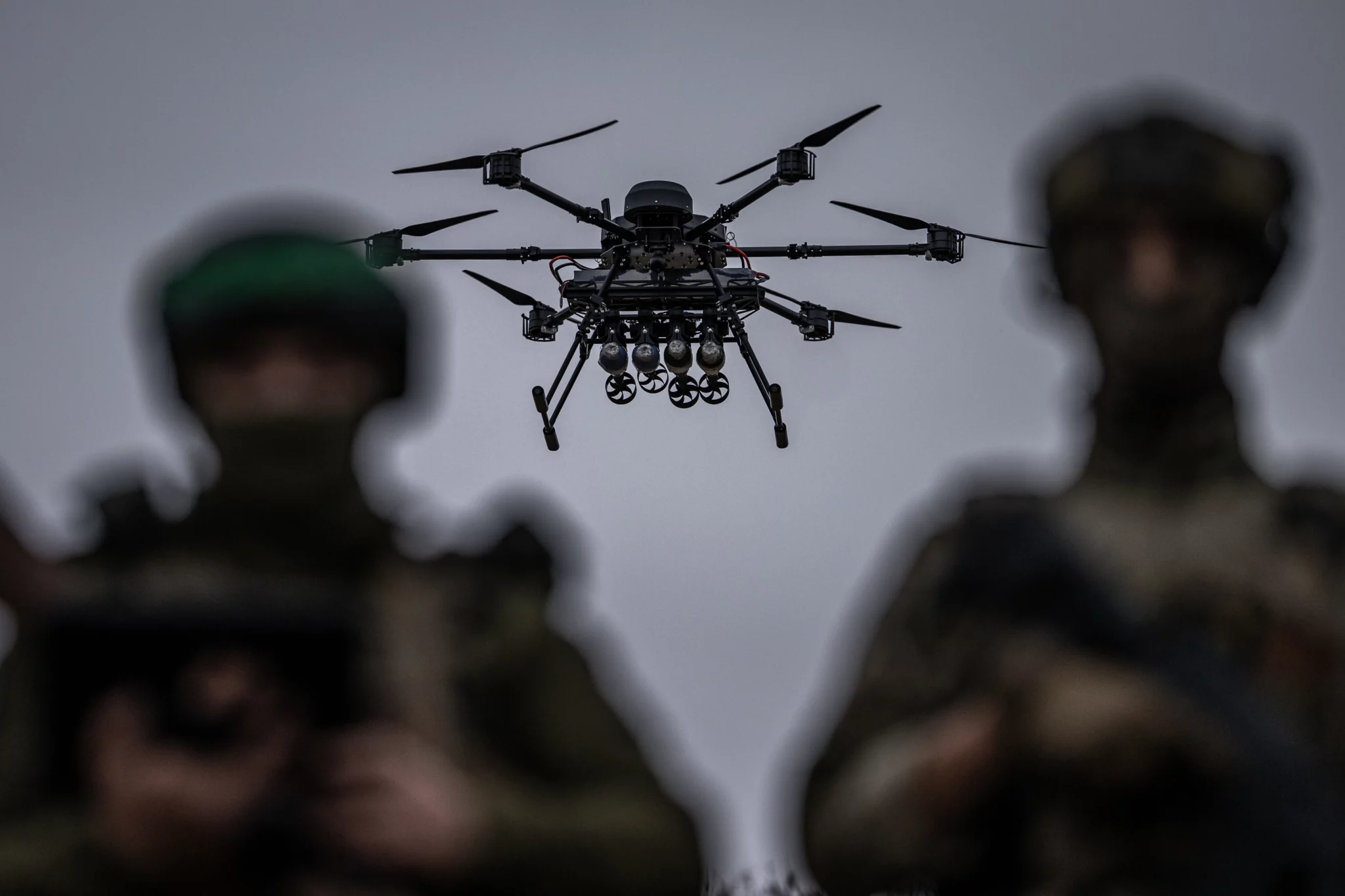
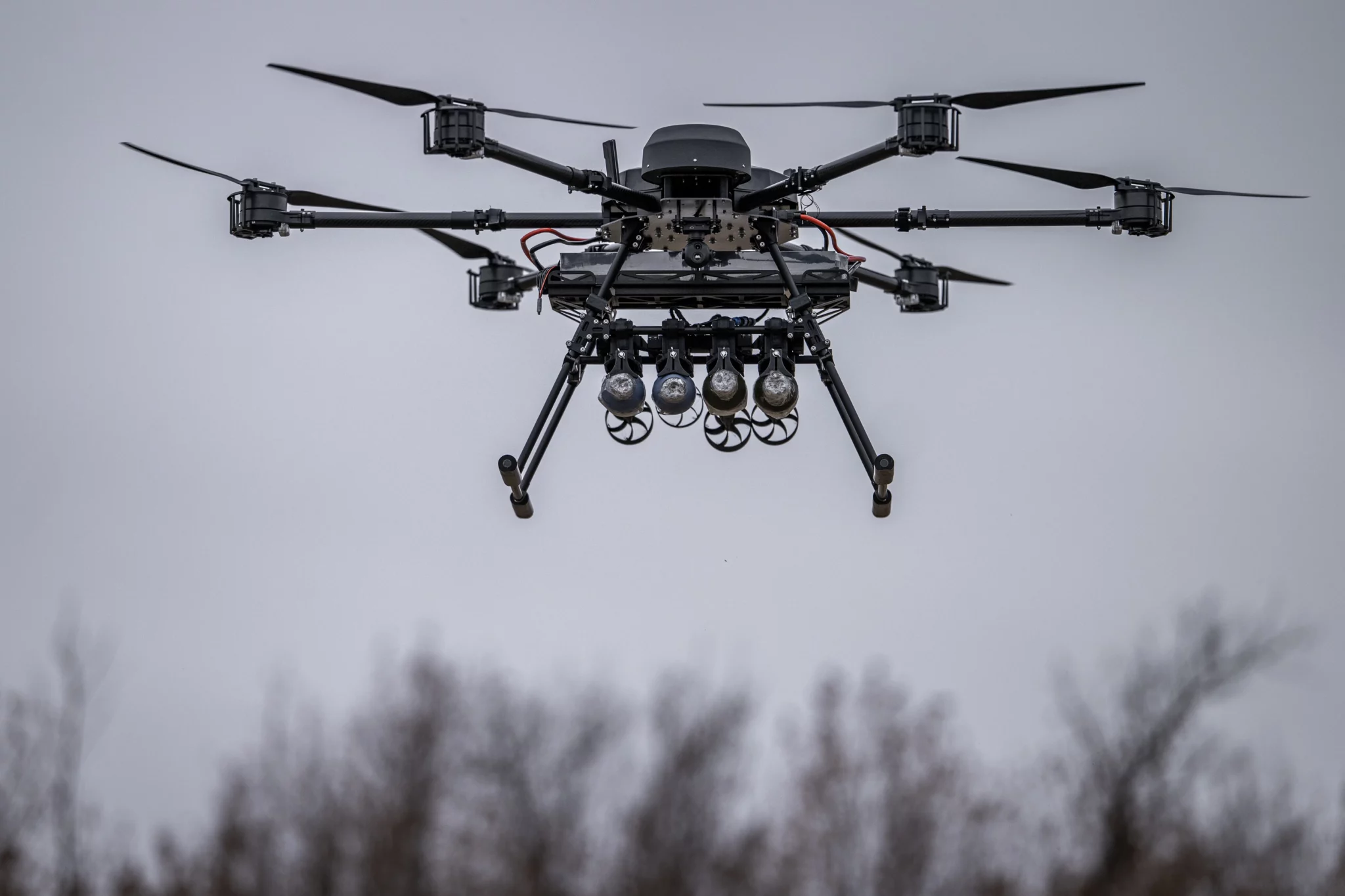
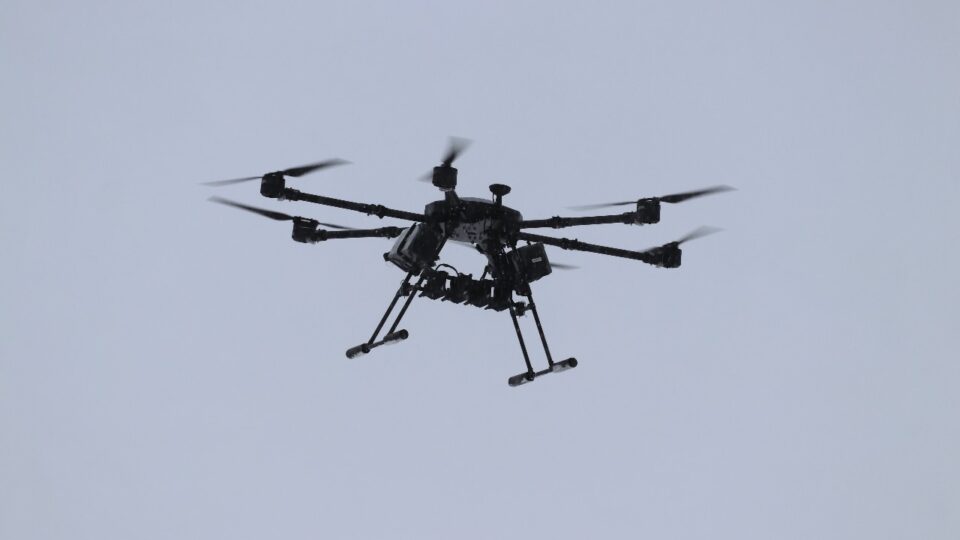
Four powerful munitions are reliably fixed to the underwing pylon of the heavy bomber UAV Vampire, and after a few final preparations the drone lifts into the air. The loud buzzing of its six electric motors resembles the sound of a gigantic enraged bumblebee ready to attack anyone who dared disturb its peace.
The hexacopter hovers for a moment beside the pilot and operator, then rapidly ascends and drifts away, becoming almost invisible against the graphite sky, heavy with the promise of rain.
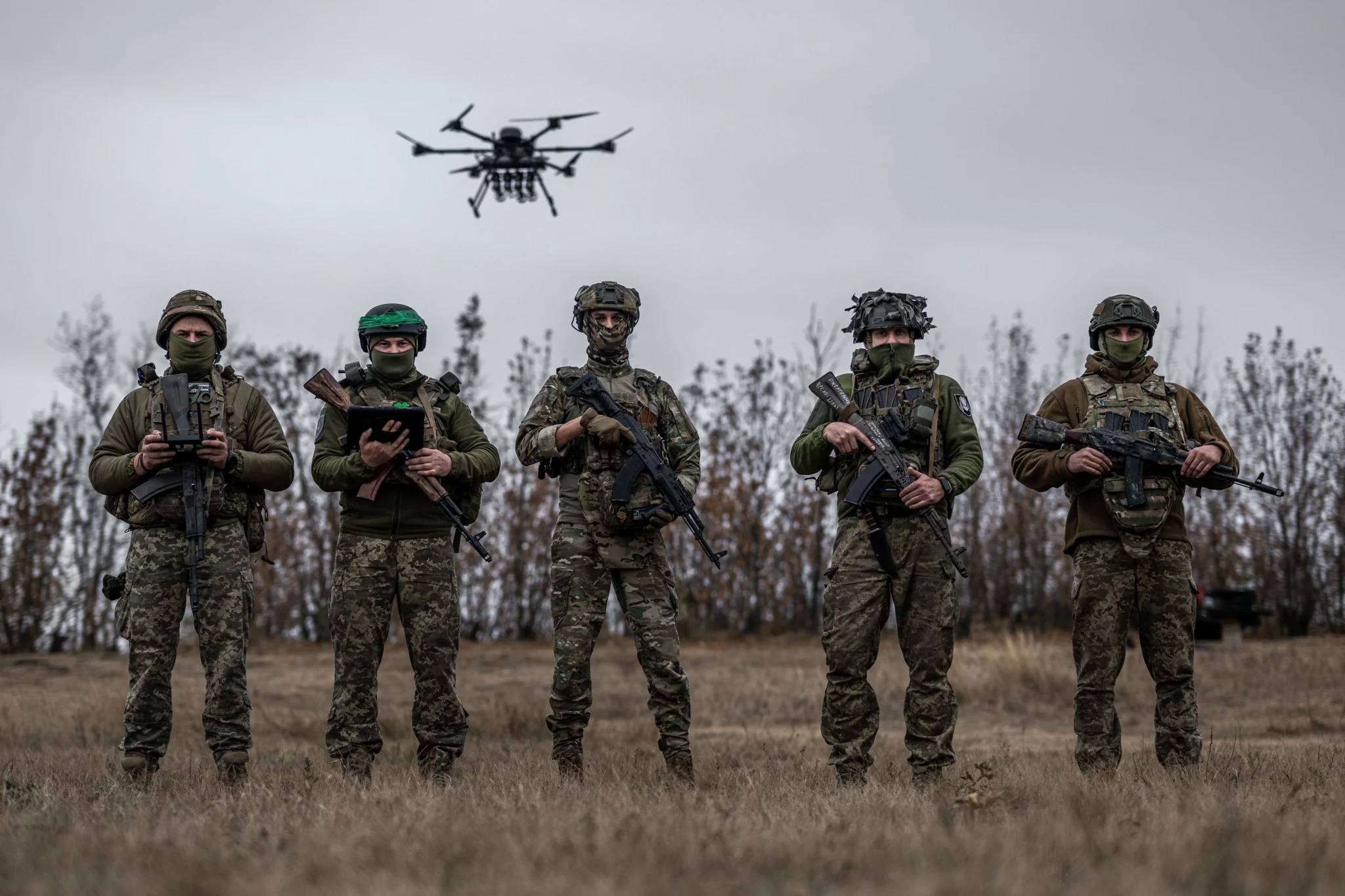
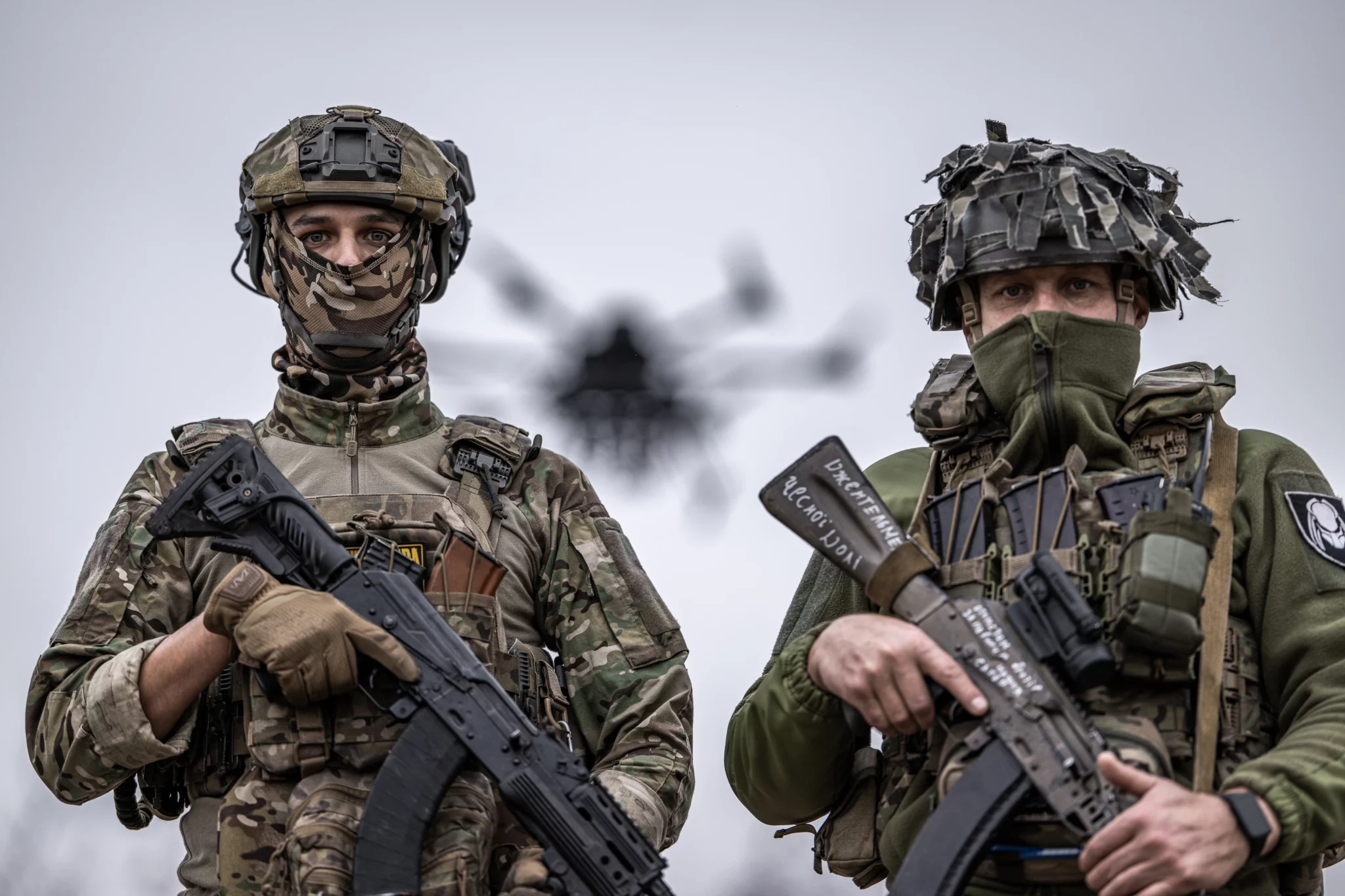
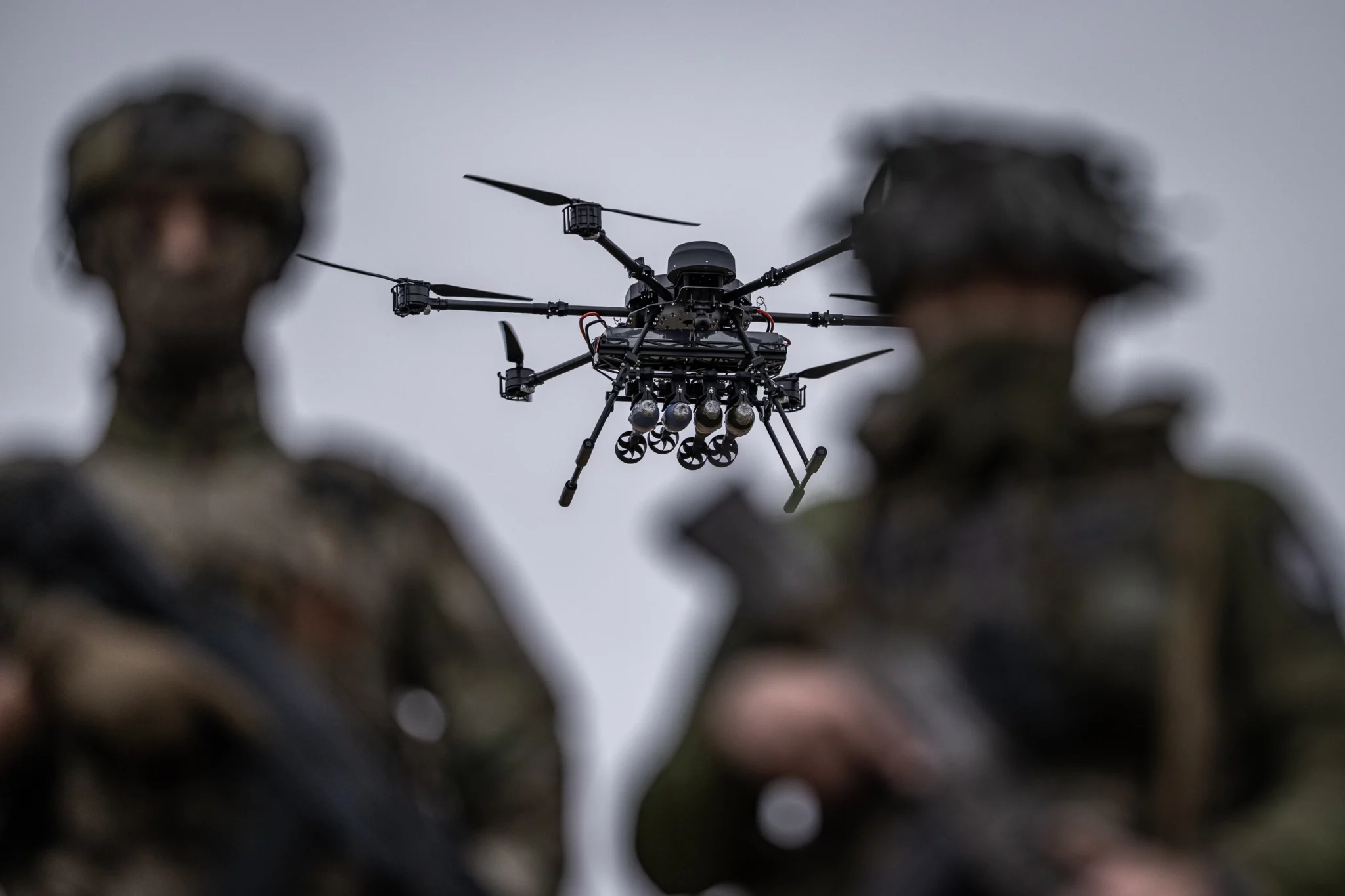
The foggy ash-gray backdrop absorbs the drone-bomber, making its frame, propellers, and suspended munitions resemble a sharp streak of graphite across the sky.
The Vampire is primarily a night UAV, as it is too large and loud to use during daylight hours. But sometimes, to reach a target on time — already under cover of darkness — the drone must take off during the evening twilight. At first it flies over a safe zone, reaching enemy territory only after darkness falls.


In the deep night, the Vampire sneaks up on its terrified prey — and the hum of its propellers becomes the last thing that prey will ever hear.
The fighters joke that thanks to this, Russians die frightened. The occupiers did not casually nickname the Ukrainian UAV “Baba Yaga” — it is just as relentless and deadly.
There truly is something mystical and otherworldly in the Vampire’s flight through impenetrable darkness. This makes the drone not only a sophisticated high-tech machine, but something akin to a living predatory creature that carefully stalks and flawlessly strikes its victim from the sky.

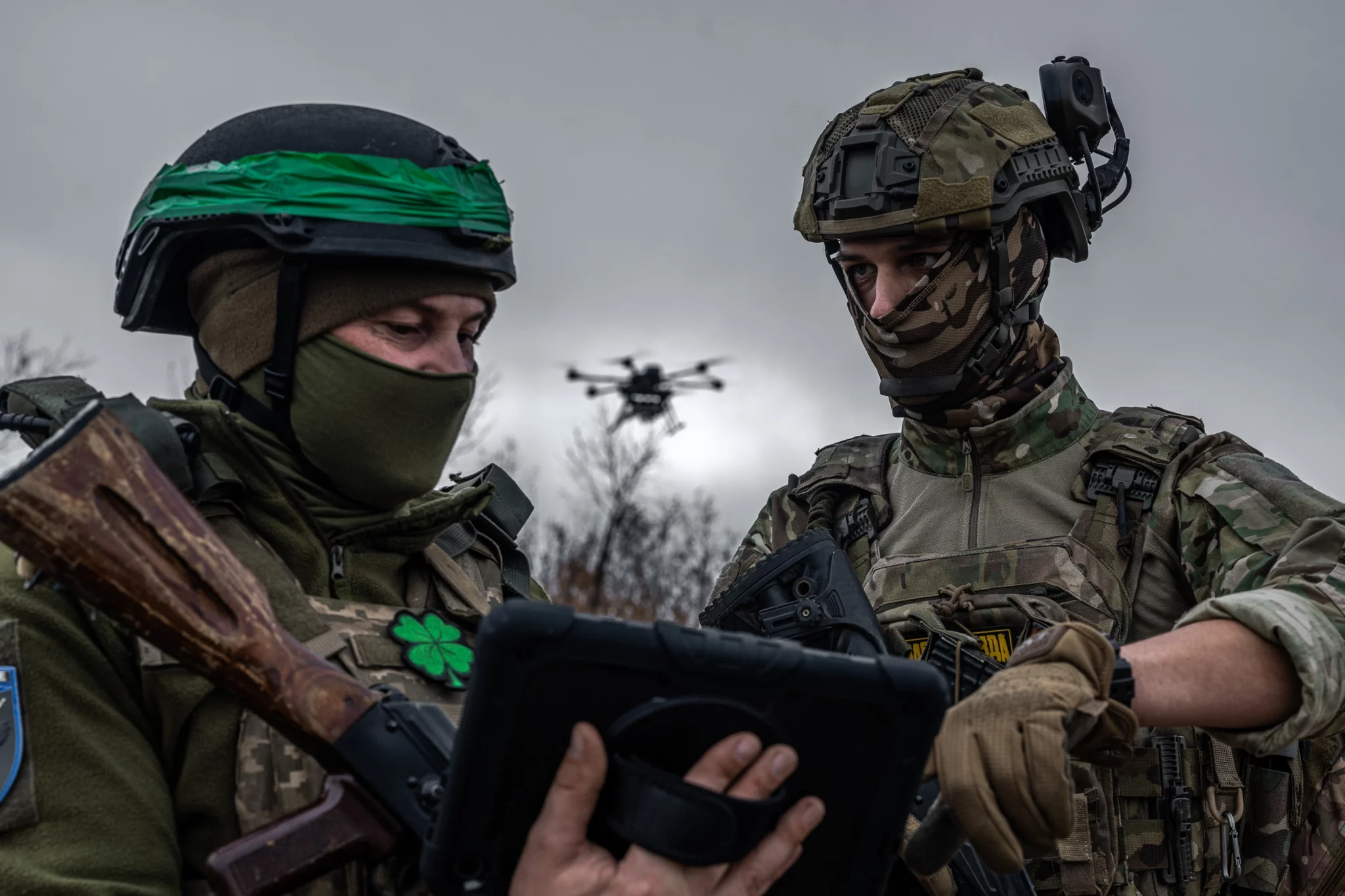
A brief hover, stabilization over the target — and the munition tears away from the mount, rapidly descending toward the enemy frozen in terror below.
A dugout, shelter, ammunition or fuel depot, an exposed mortar or artillery position, enemy armored vehicles or transport — this is far from a complete list of targets repeatedly destroyed by the Vampire’s combat crews.
“The city falls asleep — ‘Baba Yaga’ awakens”, — joke the drone pilots of the UAV battalion of the 110th Separate Heavy Mechanized Brigade named after General-Cornet Marko Bezruchko, showing how the heavy bomber drone continues to haunt Russian occupiers, destroying their equipment, depots, and fortifications.
Like a sinister Valkyrie, Baba Yaga sweeps over the battlefield — but the enemies she exterminates should not expect to reach Valhalla. Unlike the modern depiction of Valkyries as elegant noble maidens, this one is much closer to the original Norse mythology — winged riders who were bloodthirsty creatures delighting in the suffering and blood of the slain.

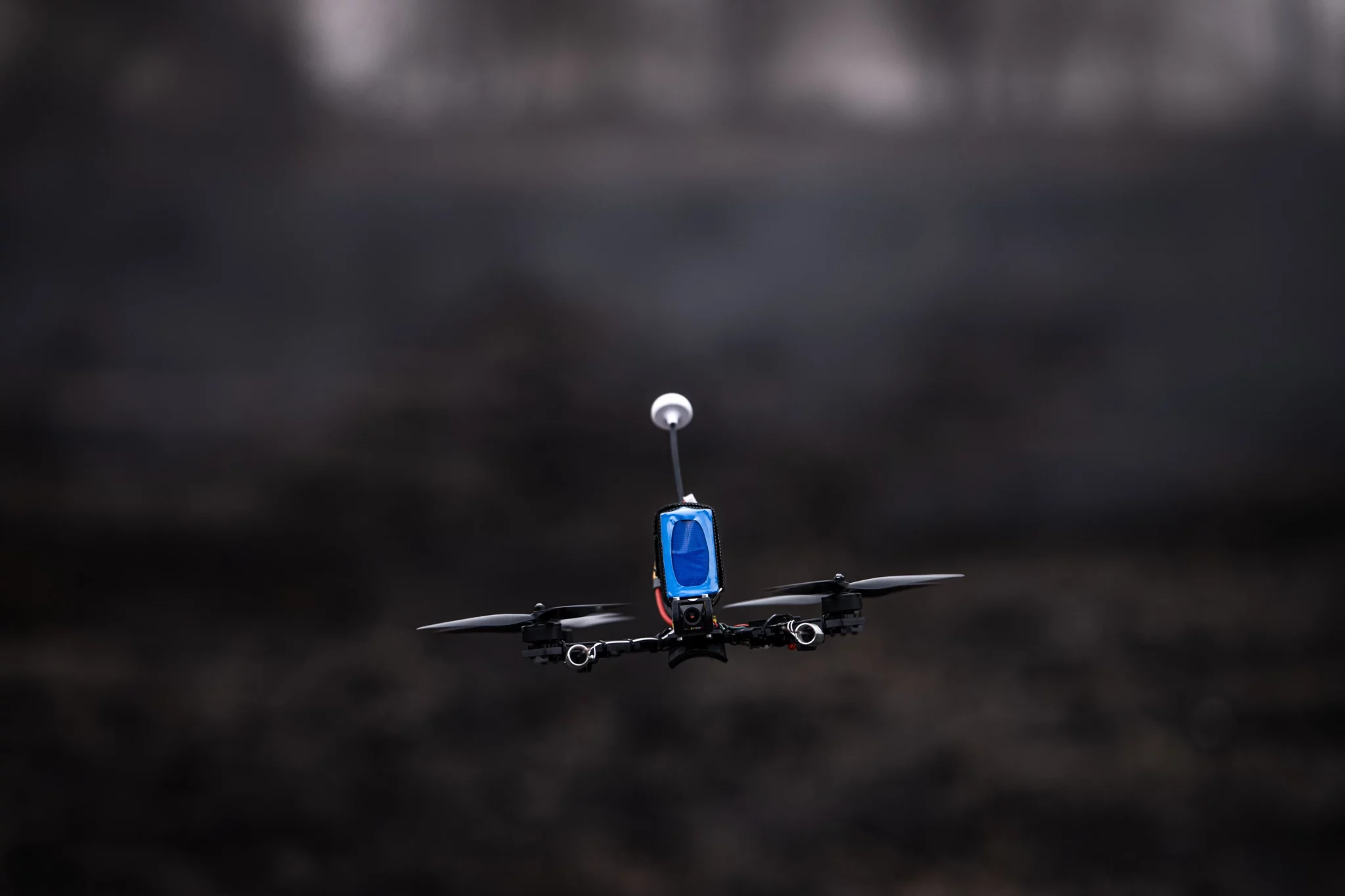
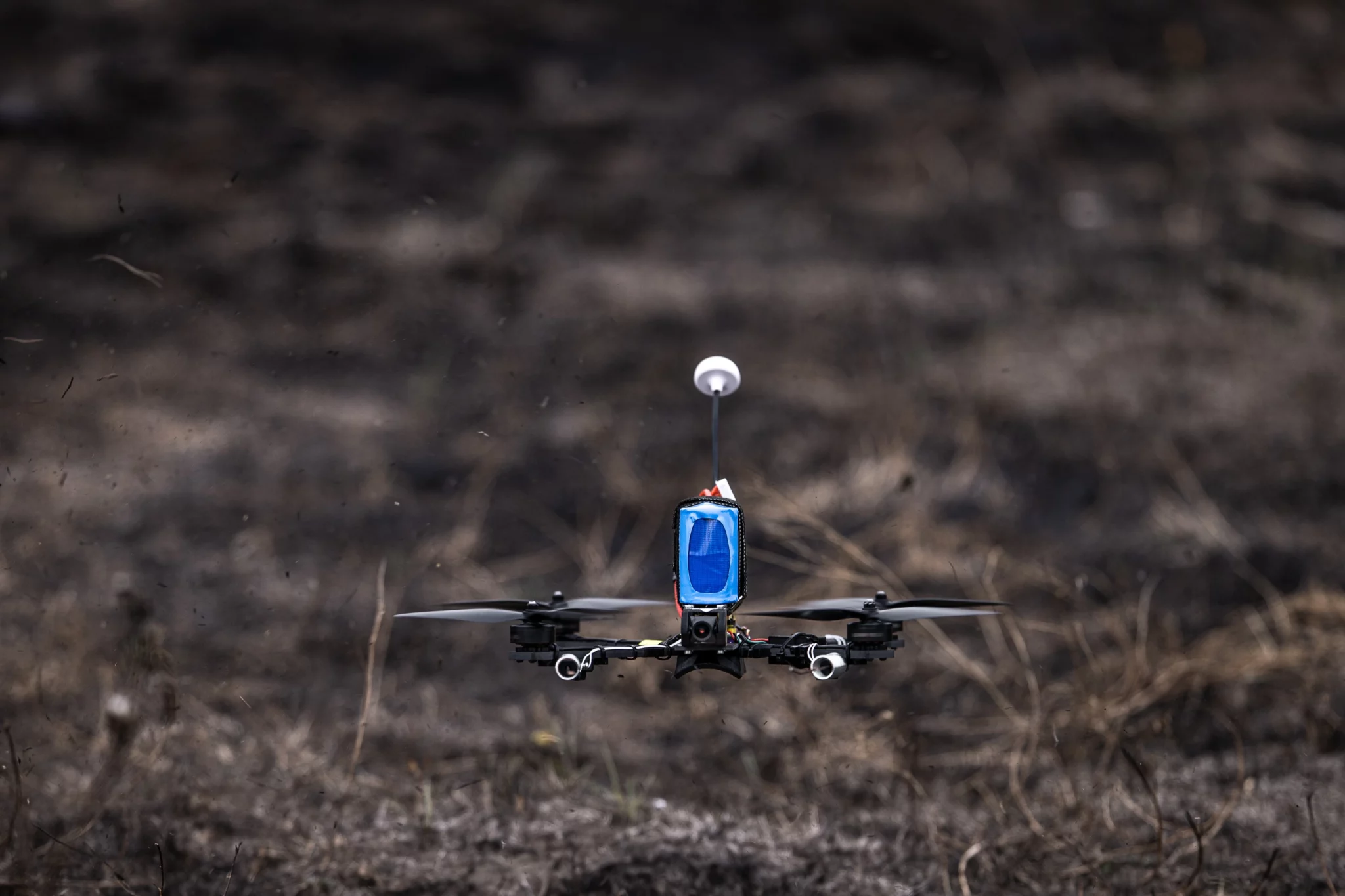
The grim companions and allies of the merciless Valkyrie Baba Yaga are the numerous FPV drones, continuously swarming above the modern battlefield. Their task is to find, chase down, and deliver a deadly “sting” to the enemy, no matter how he tries to hide or flee from the enraged swarm.
The tactics of FPV drone use perfectly match the famous quote of legendary boxer Muhammad Ali:
“Float like a butterfly, sting like a bee”.


Comparing FPVs to a graceful, light-winged butterfly and a precise, venomous bee highlights the nature of this UAV, which combines agility and maneuverability with deadly, accurate “bites”.
Like a bee, after delivering a “sting”, the FPV drone “dies”, but the mission is already completed — the deadly “venom” of the explosion tears the target apart.
Exploding together with the target, the nimble UAV disappears from the swarm, but instantly another one appears in its place — just as ready to strike the enemy accurately. Exploding together with the target, the nimble drone disappears from the swarm, yet another immediately appears in its place — just as ready to accurately strike the enemy.

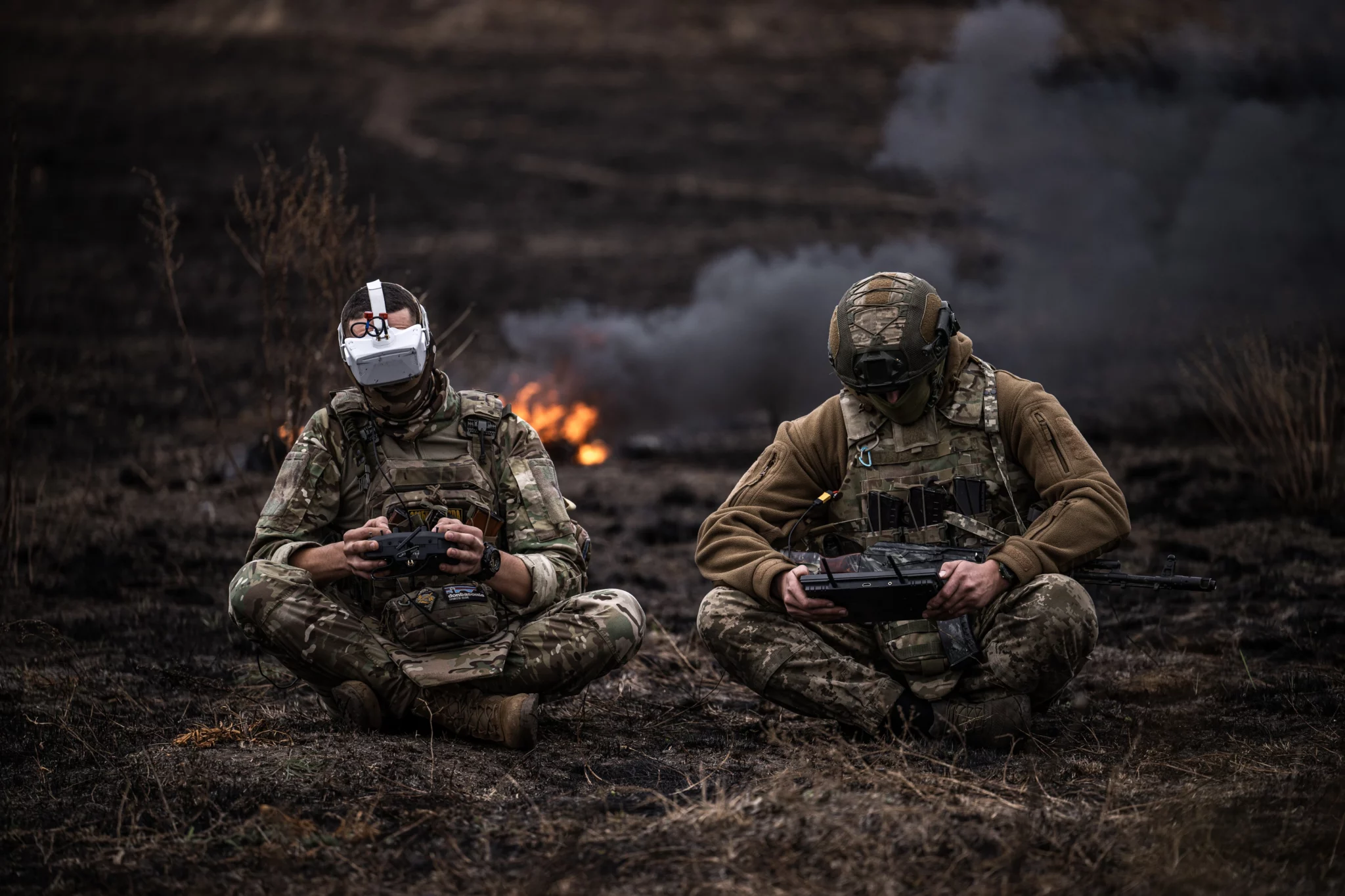
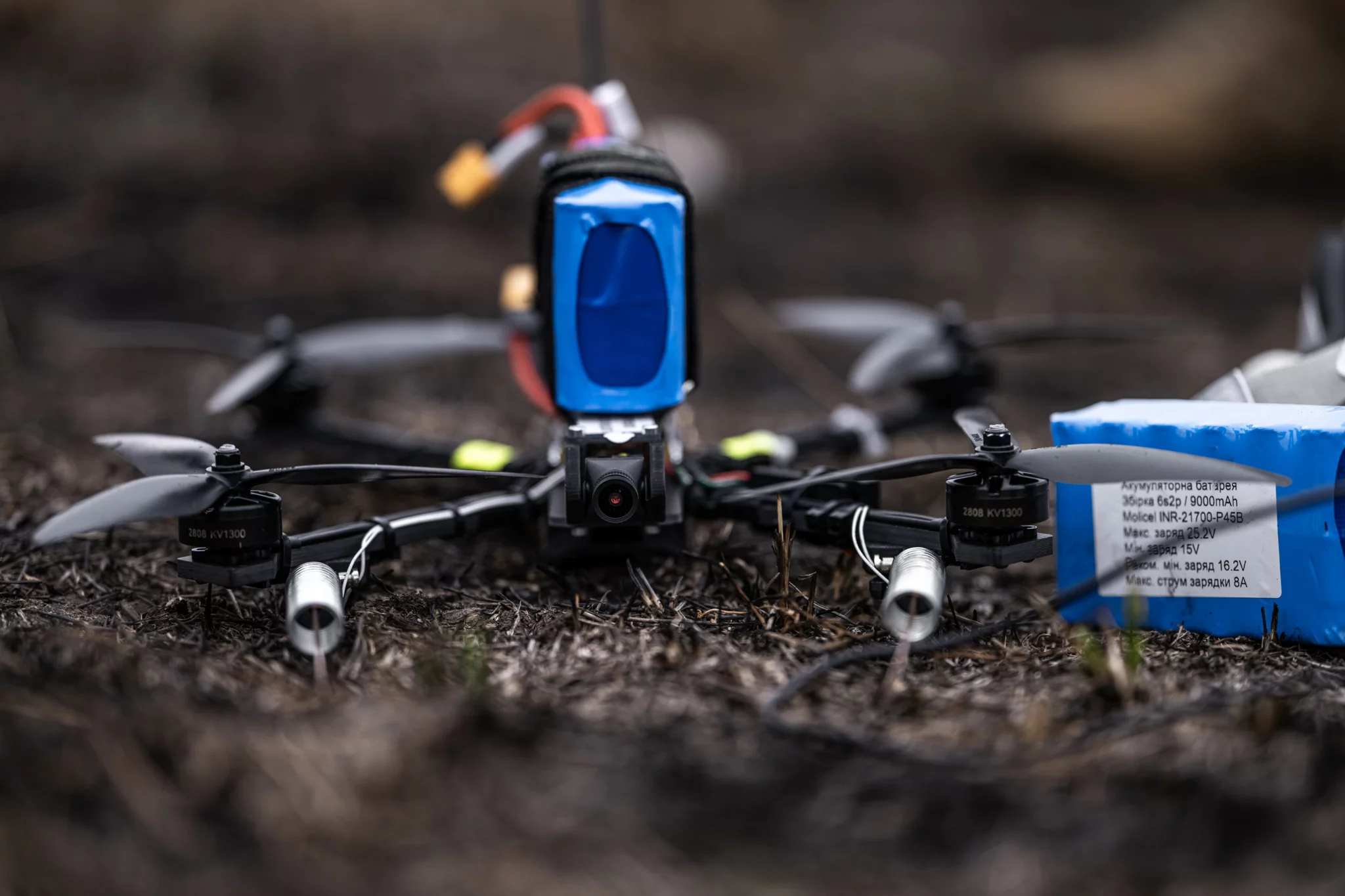
The value of an FPV drone as a kamikaze UAV lies in the fact that it is similar to an ordinary munition and is simply expendable, the use of which poses no threat to pilots or operators. Being in a reliable shelter at a significant distance, the fighters can strike targets with extraordinary precision while remaining relatively safe.
FPV “hornets” are especially dangerous for the enemy in good weather. They don’t need to hide, because it is extremely difficult to shoot down a swift drone with a rifle, and even if some occupier does get lucky, a new drone will appear where the downed one fell. Swarming together, kamikaze UAVs are also dangerous to the enemy simply because of their sheer number.
“Once we laughed at Moscow’s propaganda claiming we were supposedly preparing combat mosquitoes that would kill ‘Russians’. And the ‘orcs’ were right! Just look at the number of FPVs used while repelling the enemy assault — they already fly in swarms. Whoever manages to count how many of these strike drones there are — good luck to him!” — the warriors of the 110th Brigade joke, showing footage of repelling an enemy assault using FPVs.
The Valkyrie “Baba Yaga” and the FPV hornets of the 110th Separate Mechanized Brigade named after General-Khorunzhyi Marko Bezruchko have destroyed hundreds and hundreds of enemy targets. The drone pilots and operators take care of their “birds” and train at every opportunity to improve their mastery of controlling UAVs.
Heavy and light bombers and kamikaze UAVs have become one of the main strike assets in modern warfare. Their presence over the battlefield is an everyday reality and a guarantee of effective mission performance. They are exactly the Valkyries and bees the Russian invaders have earned on Ukrainian soil.
@armyinformcomua

Upon the submission of President Volodymyr Zelenskyy, the Verkhovna Rada of Ukraine adopted a decision appointing Mykhailo Fedorov as Minister of Defense of Ukraine. His candidacy was supported by 277 members of parliament.
During the Kupiansk operation, crews of the 429th Separate Unmanned Systems Regiment “Achilles” carried out 689 sorties and delivered 9 tons of humanitarian cargo to frontline positions and adjacent units.

In the Oleksandrivka direction, the enemy is modifying its offensive tactics. Moreover, it is trying to combine assaults with logistical operations.
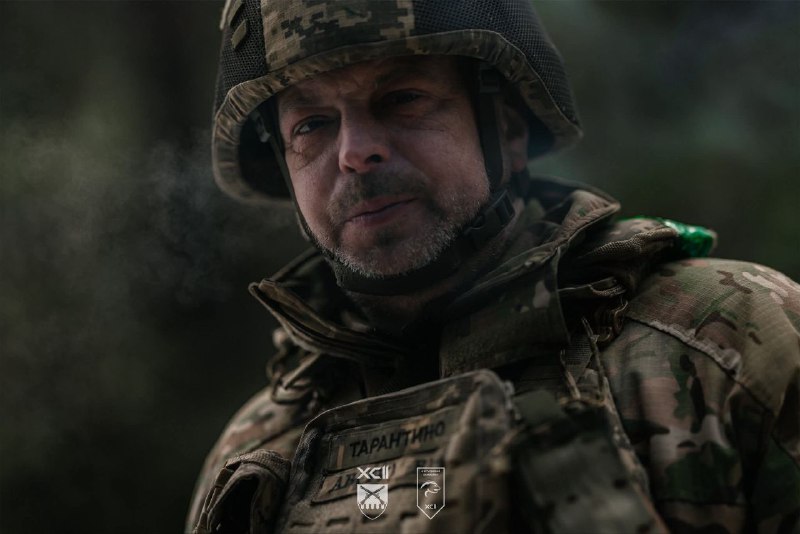
He is a BTR-4E driver. His brothers-in-arms — “Molodyi”, “Khripun”, Kolya, and Oleksii — serve in the battalion as gunners and drivers of the “Bucephalus”.
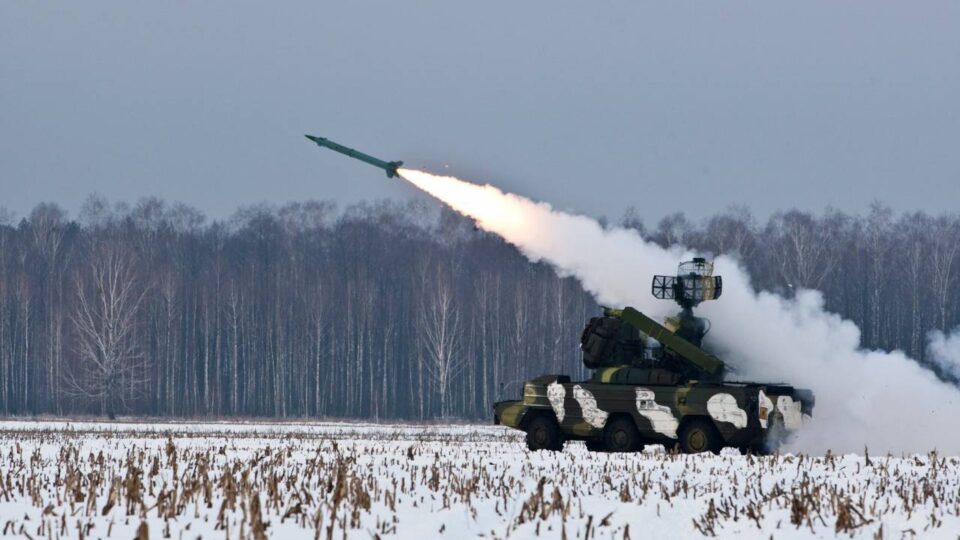
Deep in enemy territory, the “Scythian Griffins” unit successfully struck an Osa surface-to-air missile system. The high-value target, designed to protect troops and facilities from aerial attacks, was destroyed by a strike drone.
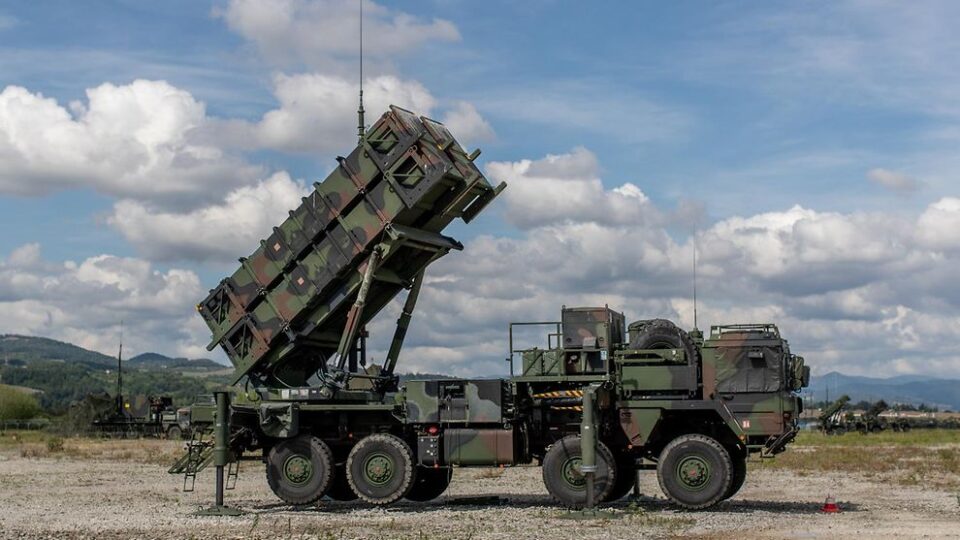
Strengthening air defense systems and missiles for those systems remains a top priority for Ukraine.
First, the brigade’s tankers destroyed an enemy MT-LB with two accurate shots from a T-64 turret gun, and then the…