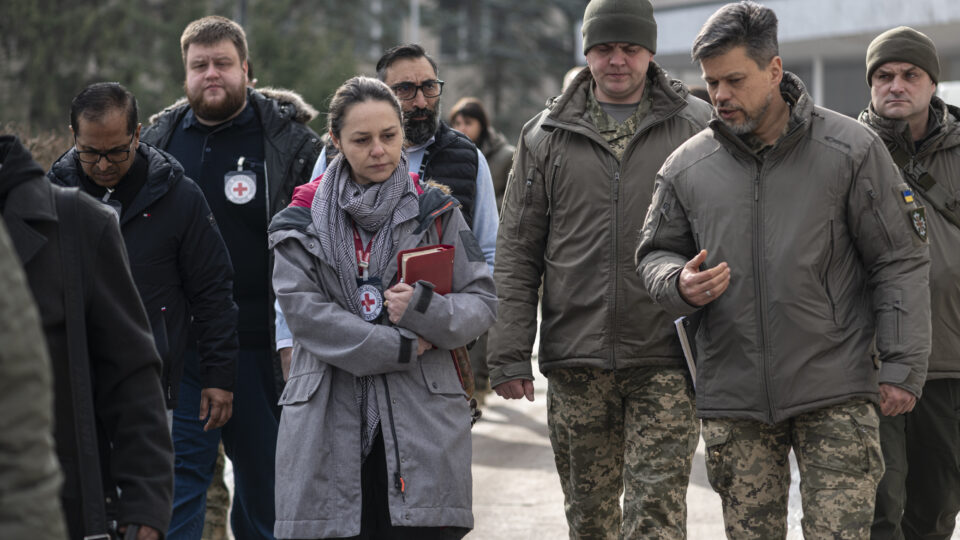
The international delegation, headed by Ana Lucía Bueno, ICRC Public Health Coordinator, and Sujit Panda, Head of the Physical Rehabilitation…

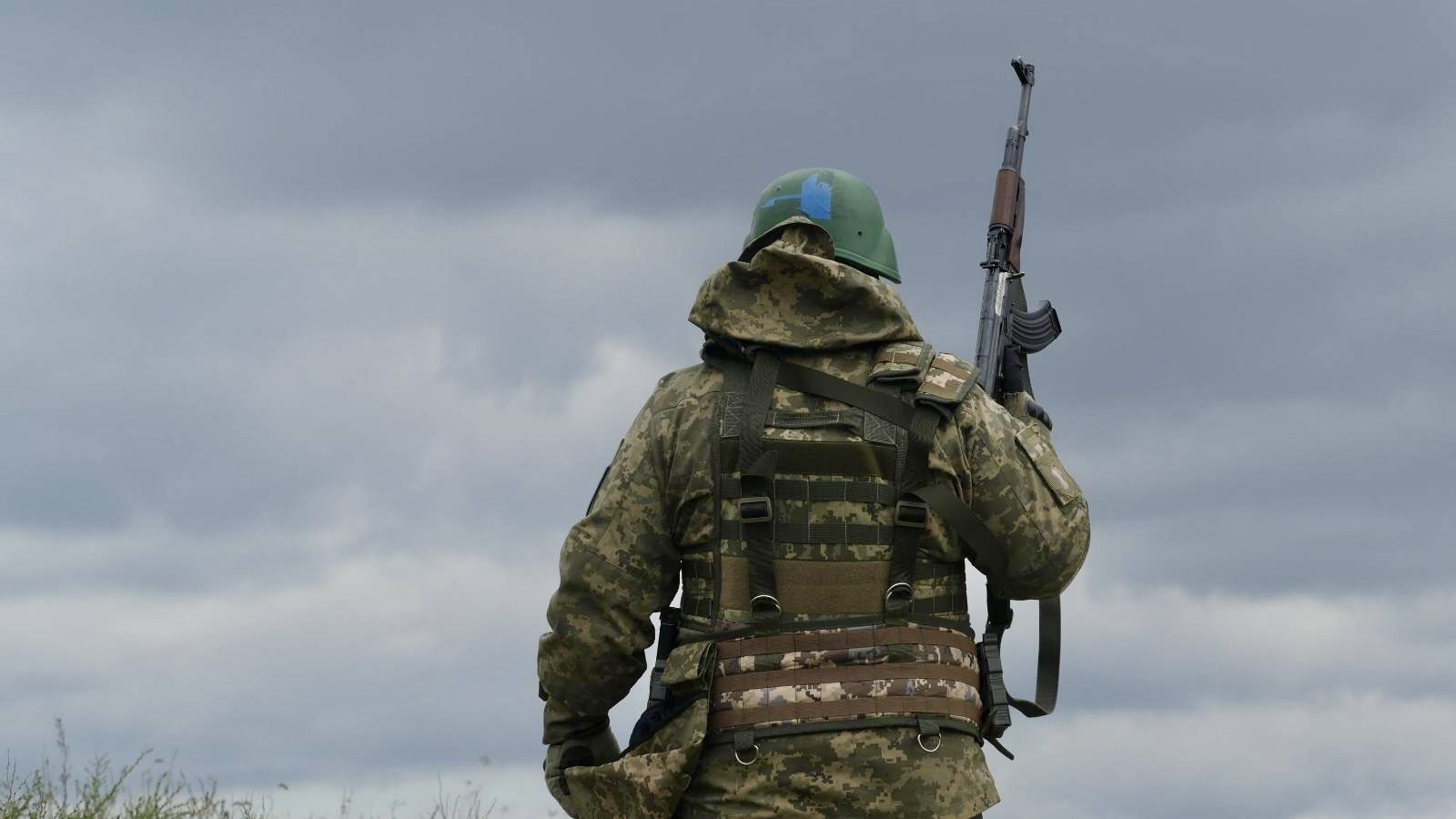
Successful offensive actions by the Defense Forces in the Dnipropetrovsk region became possible thanks to the disruption of enemy communications following the s
This was stated during an Army TV stream on March 11 by the head of the communications section of the 110th Separate Mechanized Brigade named after General-Cornet Marko Bezruchko, Major Ivan Siekach.
— There are no assault actions from their side, and there is no systematic coordination in their defense.
Somewhere they occupy something, somewhere they just sit there, while the enemy does not understand what is happening and cannot organize a proper defense because they are being deceived.
Everything was done correctly and in time, so the enemy does not even understand what to do. They are destabilized, — the serviceman emphasized.
The disruption of the enemy and the successful exploitation of this situation became possible due to the Russians being cut off from satellite communications via Starlink terminals.
— Partly this is related to the loss of their command-and-control system, which was built on Western equipment — specifically on Starlinks.
So now the enemy has no systematic coordination: command of troops, FPV units, reconnaissance units, and so on.
The situation was chosen at the right time, the moment was chosen correctly by the command, forces were concentrated, and this opportunity was used. Right now the enemy is blind — they are hiding in tree lines, and we search for them there and destroy them, — the serviceman said.
At present, the enemy is trying to restore communications using Wi-Fi bridges, but their effectiveness is significantly lower than the system the Russians previously relied on.
— They are now trying to restore this command system — I saw this today in streams — they are building Wi-Fi bridges.
To connect the frontline, they stretch antennas and try to build Wi-Fi antenna chains. But this requires an antenna-booster every kilometer.
It is very difficult and problematic. Knock out one antenna — the whole system collapses. They are currently in a destructive state, — the officer explained.
This allowed the command of the Defense Forces to develop and transform stabilization actions aimed at identifying infiltrated enemy infantry groups into operations to liberate territories captured by the enemy.
— I think the situation is similar on most sectors of the front, but unfortunately we do not have enough forces to conduct such operations everywhere.
Moreover, this operation was not originally planned as a counteroffensive. It started as stabilization actions after the enemy infiltrated our rear areas.
Then we saw that there was progress and began investing more effort in this direction.
And as you can see, this has led to the fact that almost the entire Dnipropetrovsk region has already been cleared of the Russians, — emphasized Major Ivan Siekach, head of the communications section of the 110th Separate Mechanized Brigade named after Marko Bezruchko.
@armyinformcomua

The government has adopted a resolution launching a new format of cooperation between the state, Ukrainian companies, and international partners.

The deterioration of communications within Russian forces after they were disconnected from Starlink allowed the Defense Forces to achieve certain successes on
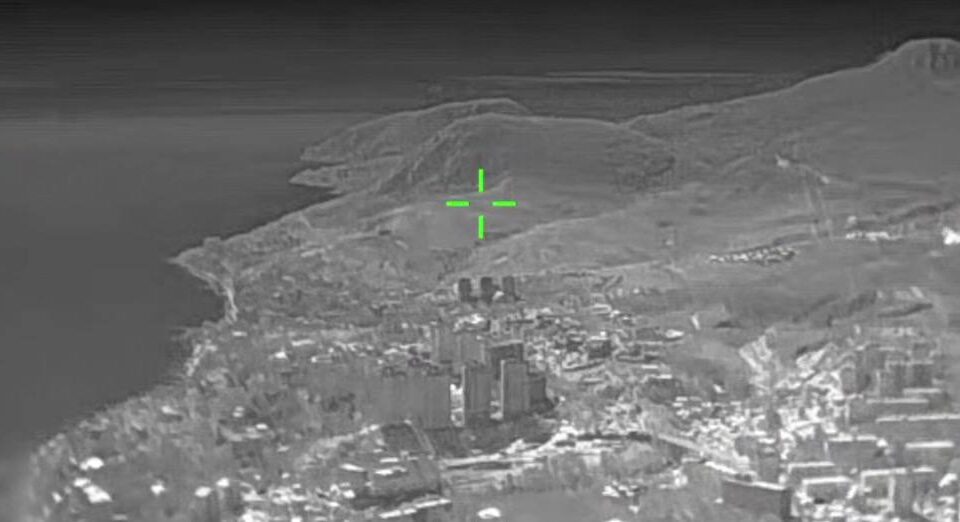
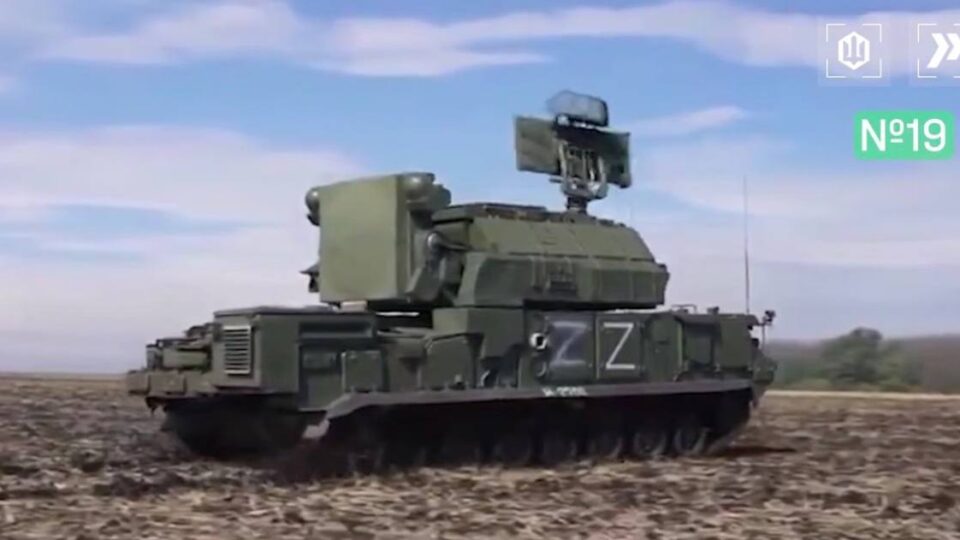
Specialists of the DIU special unit “Ghosts” carried out a series of fiery surprises for elements of the Russian air defense system on the temporarily occupied
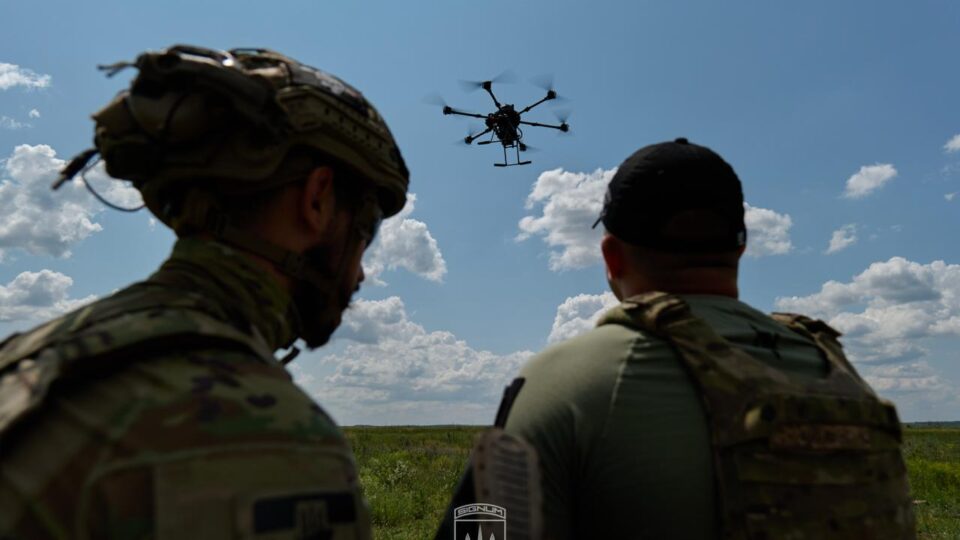
On the Lyman axis, UAV operators fly out to strike enemy artillery in pairs or groups of 2–3 drones, attacking the target one after another.
On the night of March 12, 2026, pilots of the Unmanned Systems Forces struck four facilities of the enemy “Rubikon” unit in the temporarily occupied territory o

With improved weather conditions, the enemy has significantly increased the use of strike and reconnaissance fixed-wing UAVs on the Orikhiv axis.
The international delegation, headed by Ana Lucía Bueno, ICRC Public Health Coordinator, and Sujit Panda, Head of the Physical Rehabilitation…