
The international delegation, headed by Ana Lucía Bueno, ICRC Public Health Coordinator, and Sujit Panda, Head of the Physical Rehabilitation…

Ukraine’s Defense Forces continue to inflict effective fire damage on enemy targets both in occupied Ukrainian territories and in Russia.
This was stated in a report by the General Staff of the Armed Forces of Ukraine.
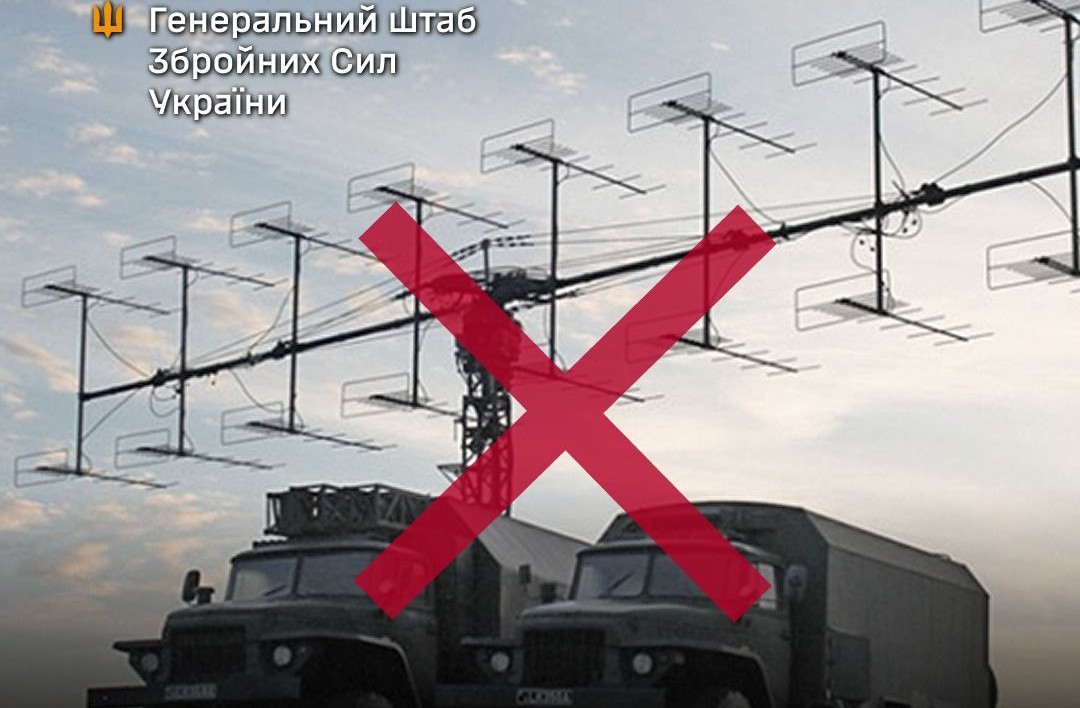
During the night of February 26, 2026, Ukrainian Defense Forces units struck a P-18 “Terek” radar station and an RSP-6M2 radar system in Dzhankoi, in the temporarily occupied territory of the Autonomous Republic of Crimea. Objective control confirmed the destruction of the targets.
Earlier, targeted strikes were carried out on an enemy logistics warehouse near Novozlatopol and a UAV control center near Poltavka (temporarily occupied territory of Zaporizhzhia Oblast), as well as on a concentration area of enemy manpower near Rodynske, Donetsk Oblast.
In addition, a strike was carried out and confirmed on an enemy command-observation post near Yasnoye Solntse, Bryansk Oblast, Russia.
Enemy losses and the scale of destruction are being clarified.
Results of previous operations:
“The Defense Forces of Ukraine will continue to systematically implement measures to limit the capabilities of the Russian military-industrial complex, destroy enemy personnel, command posts, arsenals, and logistics, and compel the enemy to end its aggressive war against Ukraine”, — the General Staff said.
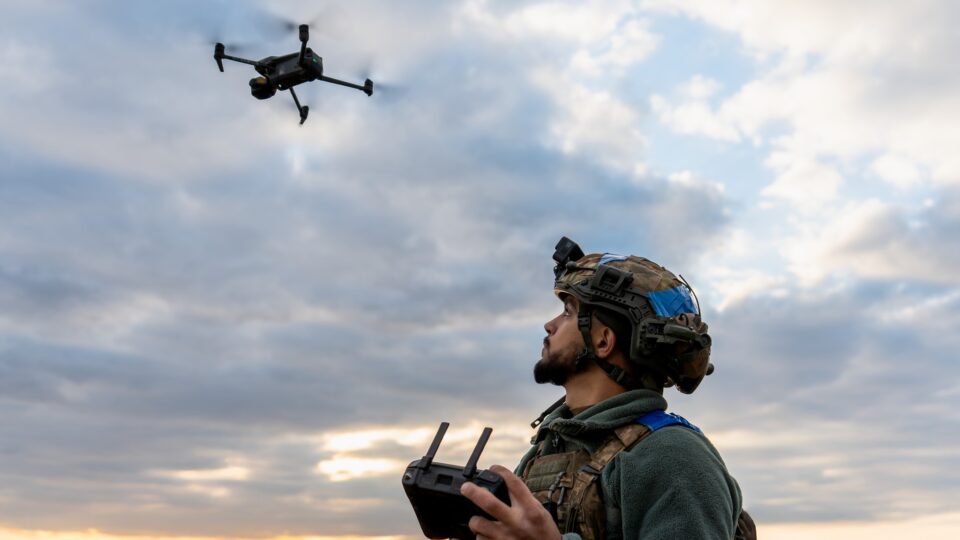
Over the past day, units of the Unmanned Systems Forces grouping struck or destroyed 1,209 enemy targets.
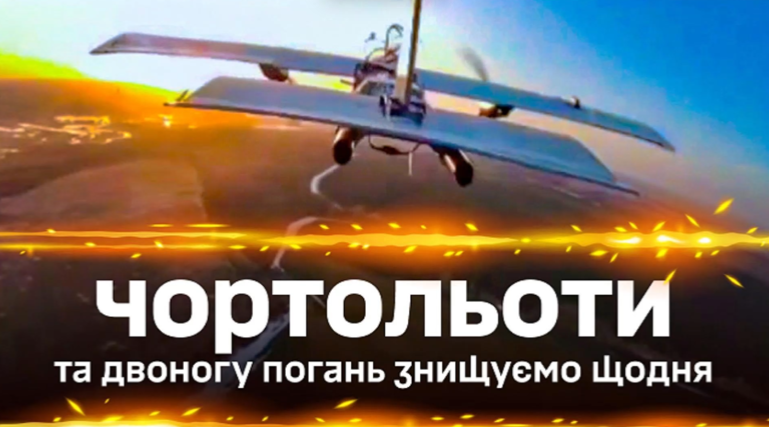
Drone units of the Joint Forces’ Iron Brigade are continuously destroying enemy UAVs (“chortolyoty”) and personnel.

On the night of March 20, the enemy attacked with 156 strike UAVs, including Shahed-type drones, “Gerbera”, “Italmas”, and other types.
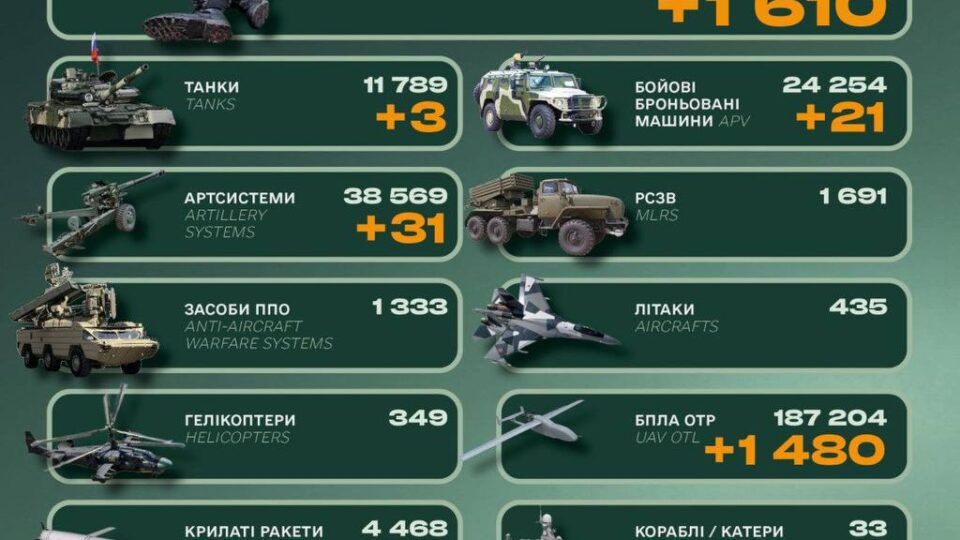
Over the past day, Russian occupation forces lost 1,610 personnel on the battlefield.

A UAV operator of the “Typhoon” unmanned systems unit with the callsign “Nimets” can strike the enemy even blindly.
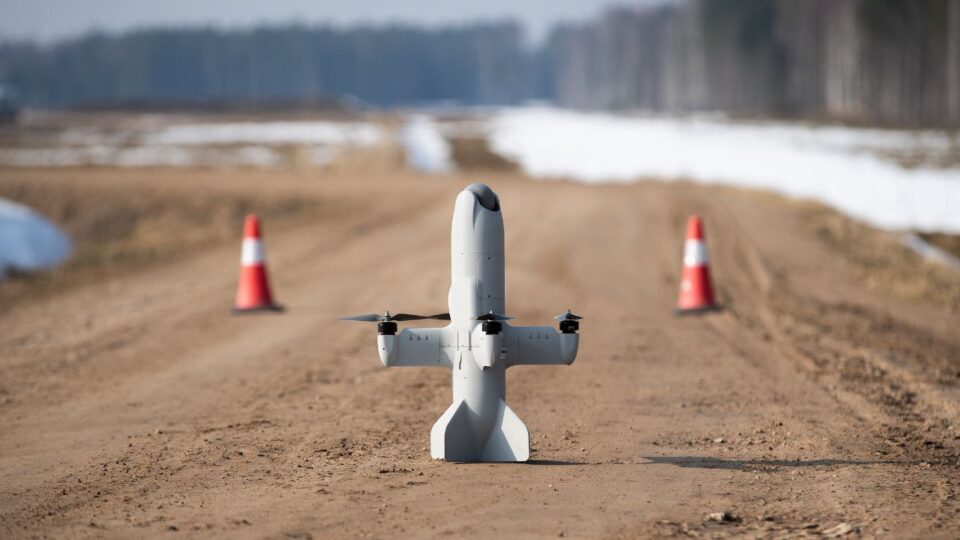
The first cycle of testing, evaluation, verification, and validation of unmanned aerial systems took place at NATO’s innovation range for unmanned systems.
The international delegation, headed by Ana Lucía Bueno, ICRC Public Health Coordinator, and Sujit Panda, Head of the Physical Rehabilitation…