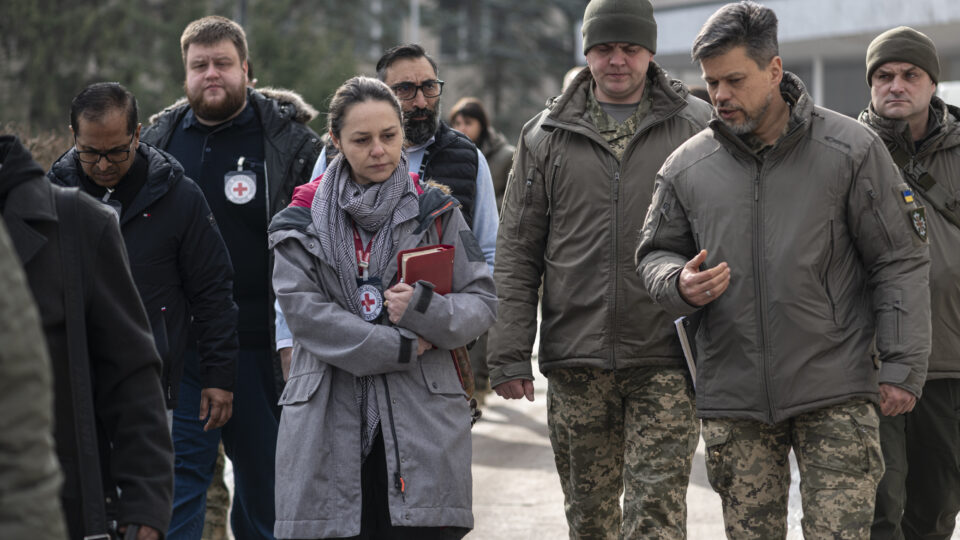
The international delegation, headed by Ana Lucía Bueno, ICRC Public Health Coordinator, and Sujit Panda, Head of the Physical Rehabilitation…

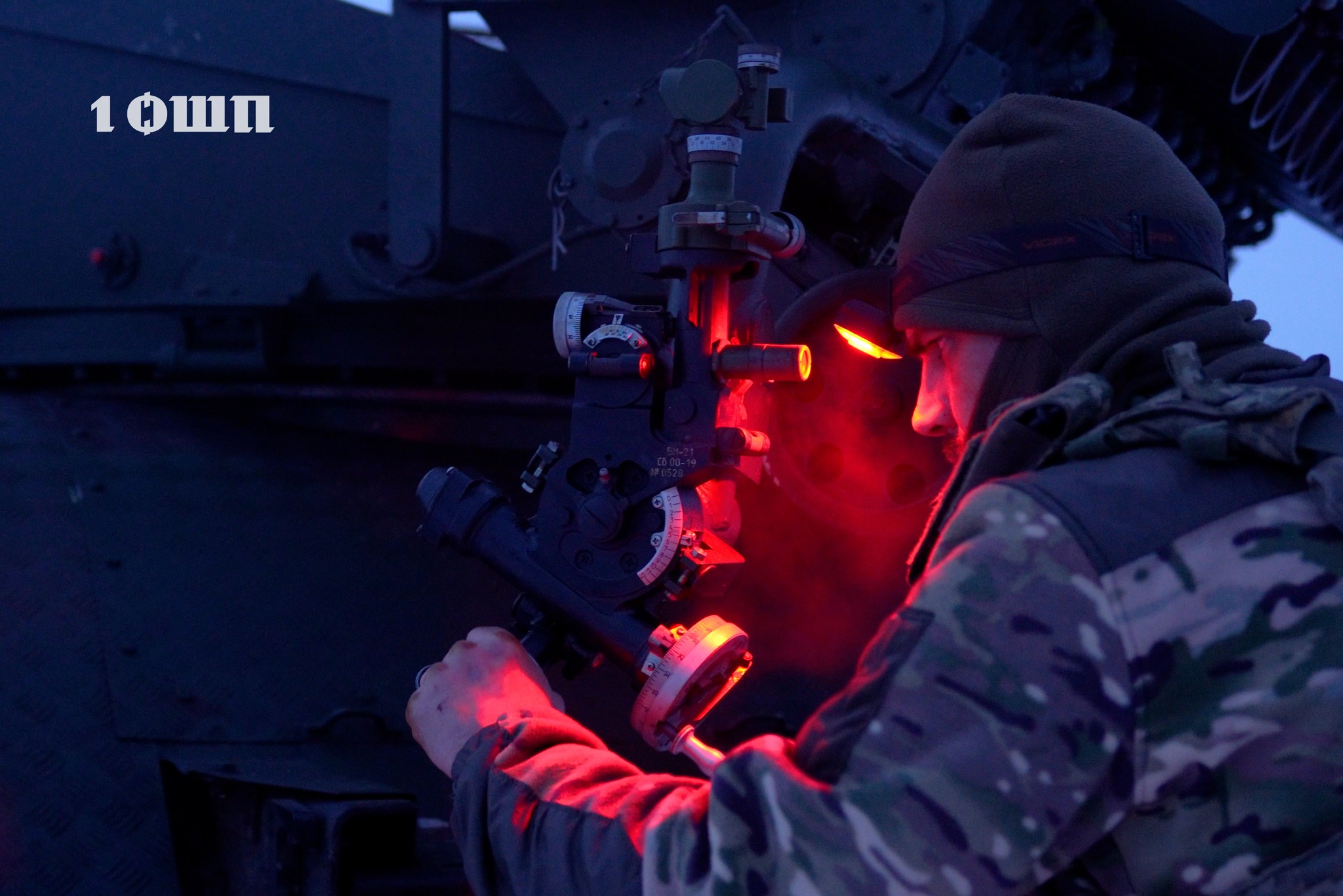
The practice of raising Russian flags in settlements not controlled by occupying forces is driven by Russian commanders’ desire to curry favor.
Commander of the 1st Separate Assault Regiment named after Dmytro Kotsiubailo, Dmytro Filatov (callsign Perun), explained this on ArmyTV on February 24.
“Why the increase in these flag-plantings? It’s very simple. On this section of the front, four armies are conducting an offensive. When the concentration of armies is this dense, they begin to compete with each other. Internal competition pushes commanders of one army to report successes; another army is forced to look for solutions, and these solutions are not always real. They try to keep up somehow”, — he said.
These “flag-plantings” are also used as an element of psychological pressure on Ukrainian society and soldiers on the front line.
“Plus, the enemy’s infiltration tactics at great depth have recently produced very effective results in this area. There were several settlements where, after similar flag-plantings, certain units left those settlements despite the enemy not having superior forces. Something pops up on the internet saying Russians are already in that settlement. Our troops are well equipped with communications, UAVs, radios, mortars — everyone has Starlinks. Their relatives start sending them messages: ‘Look, the settlement is already occupied.’ Units that lack sufficient resilience — and unfortunately we do have such units — pack up and flee. This problem existed and gave the enemy certain results. They are trying to continue this. It is a psychological warfare tactic”, — Filatov explained.
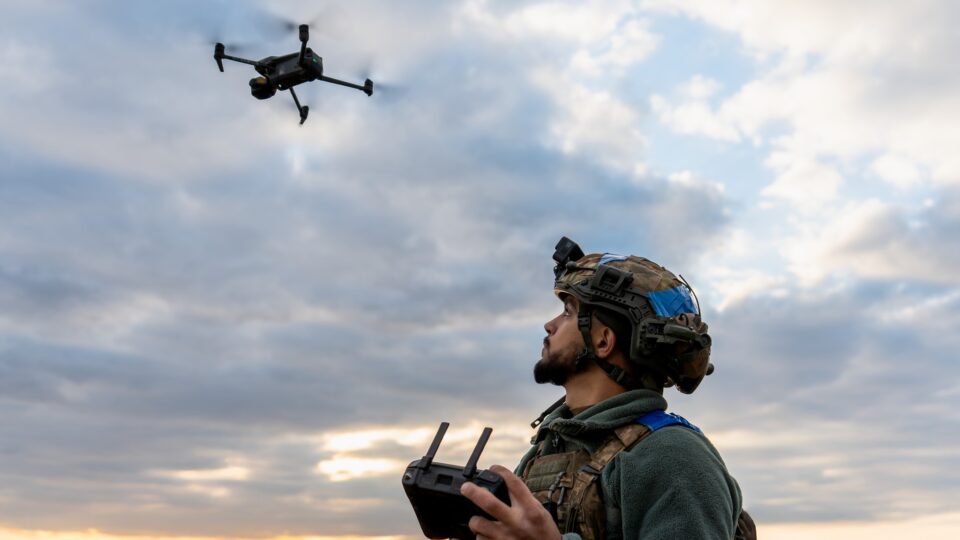
Over the past day, units of the Unmanned Systems Forces grouping struck or destroyed 1,209 enemy targets.
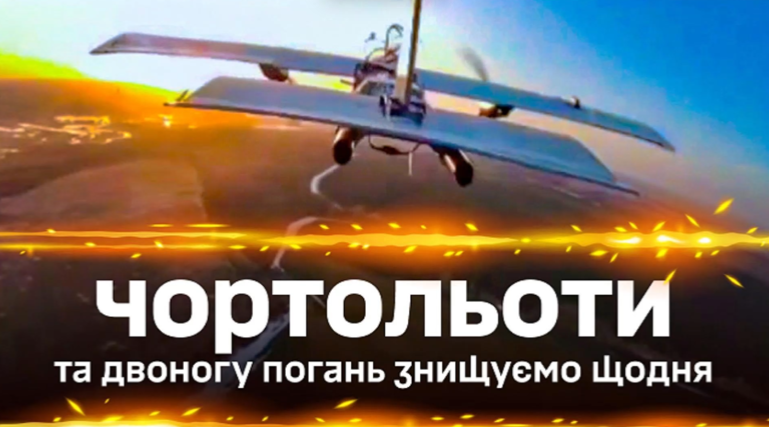
Drone units of the Joint Forces’ Iron Brigade are continuously destroying enemy UAVs (“chortolyoty”) and personnel.

On the night of March 20, the enemy attacked with 156 strike UAVs, including Shahed-type drones, “Gerbera”, “Italmas”, and other types.
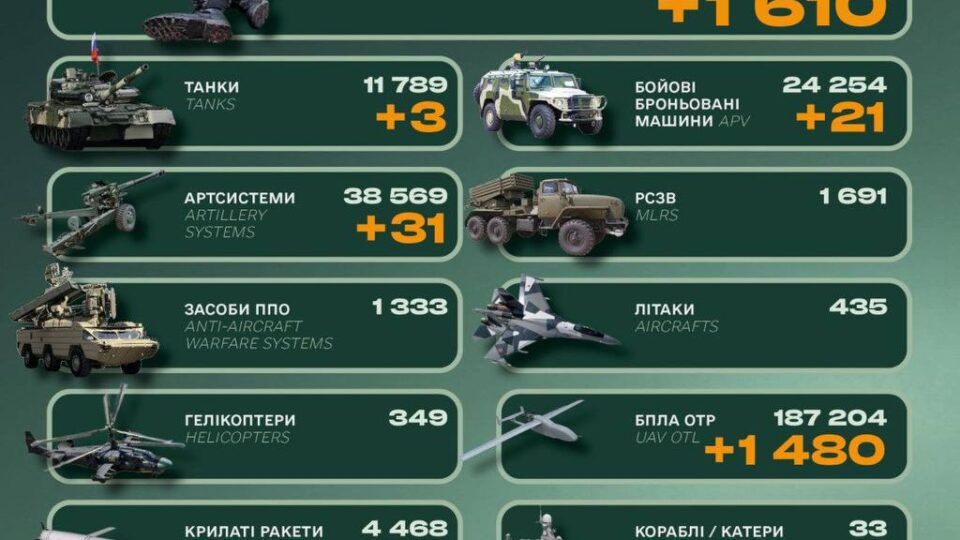
Over the past day, Russian occupation forces lost 1,610 personnel on the battlefield.
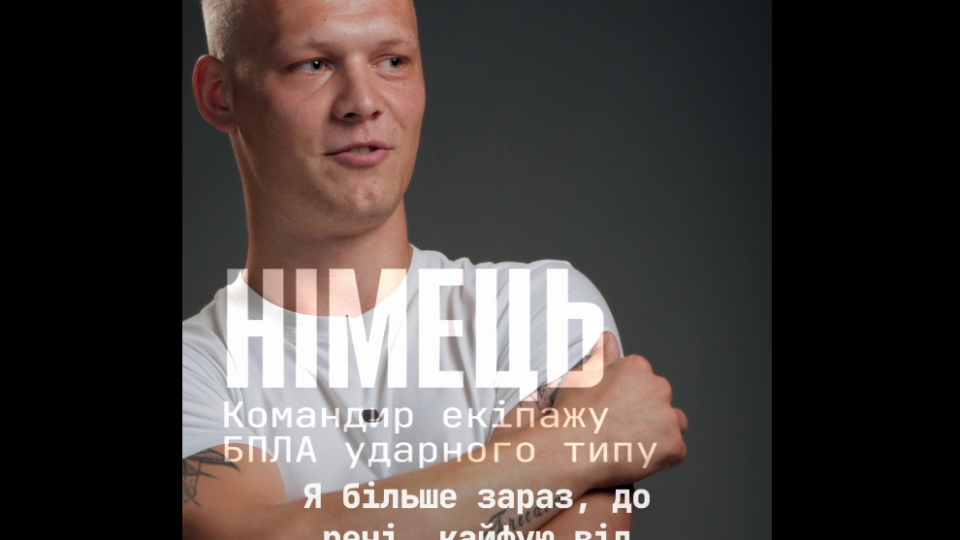
A UAV operator of the “Typhoon” unmanned systems unit with the callsign “Nimets” can strike the enemy even blindly.
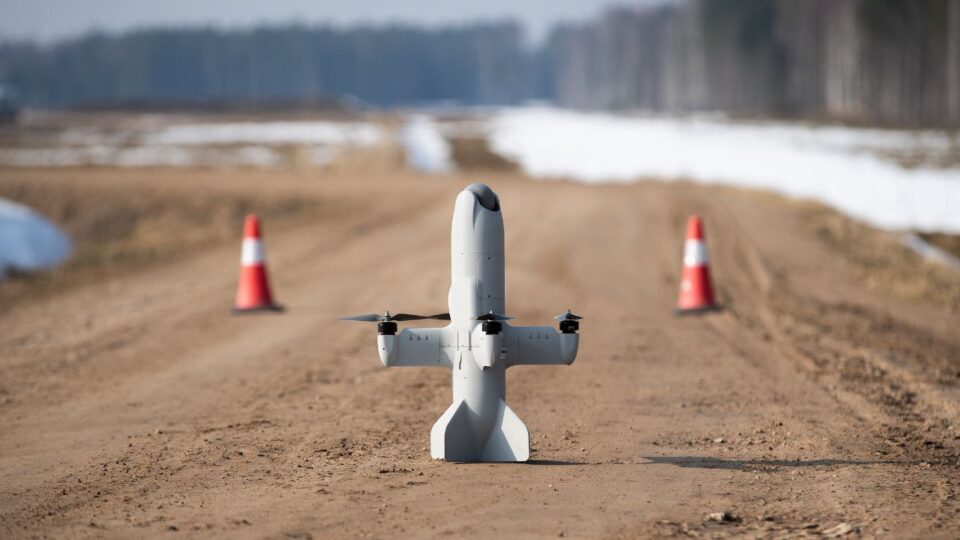
The first cycle of testing, evaluation, verification, and validation of unmanned aerial systems took place at NATO’s innovation range for unmanned systems.
The international delegation, headed by Ana Lucía Bueno, ICRC Public Health Coordinator, and Sujit Panda, Head of the Physical Rehabilitation…