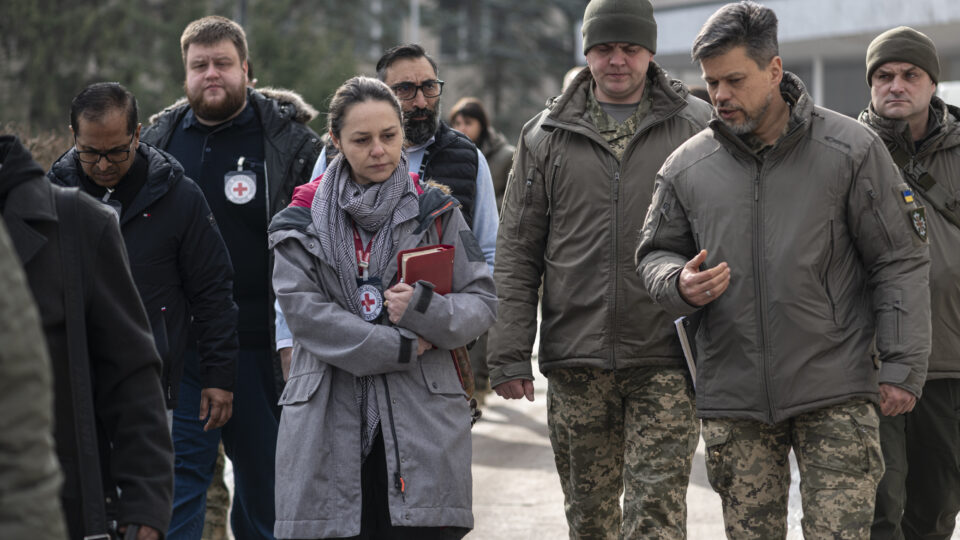
The international delegation, headed by Ana Lucía Bueno, ICRC Public Health Coordinator, and Sujit Panda, Head of the Physical Rehabilitation…


In January 2026, the Russian army lost more soldiers on the battlefield than it managed to mobilize.
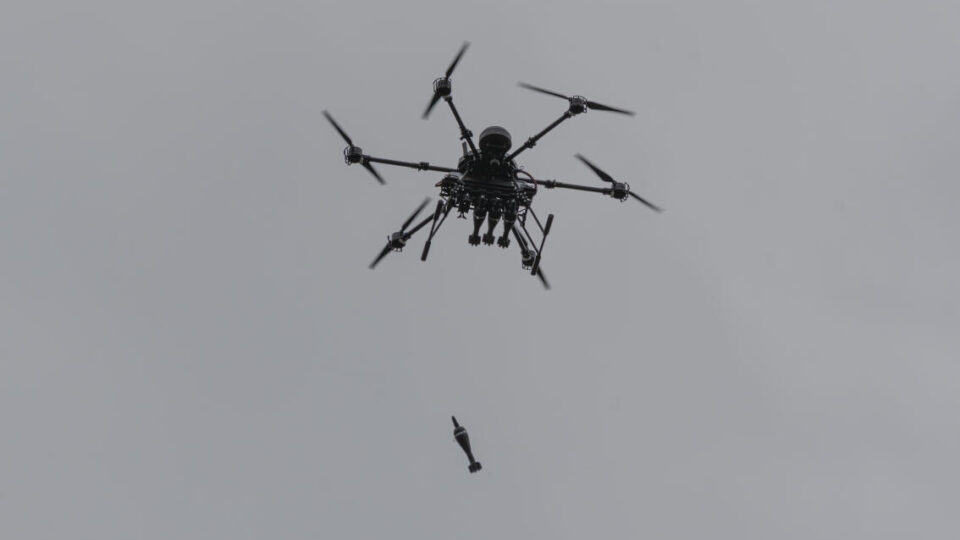
Meanwhile, Ukraine’s Defense Forces are actively developing the unmanned component for mass destruction of the enemy. Since summer 2025, the effectiveness of the Unmanned Systems Forces alone, as a separate branch of the Armed Forces, in destroying the enemy has increased from 4% to 33%.
President of Ukraine Volodymyr Zelensky stated in an interview with Atlantico that the Russian army suffers significant losses for every kilometer of advance on the front. According to the Head of State, the price Russia pays for one kilometer of occupied Ukrainian land is on average 170 soldiers.
“These are people who were killed or received such severe injuries that they will not return. We have all the evidence of this”, — Volodymyr Zelensky said.
Defense Minister Mykhailo Fedorov informed European colleagues during the “Ramstein” meeting that Russian army losses are growing. In December, it suffered losses of 35 thousand servicemen killed and severely wounded. All these losses are verified and have video confirmation.
“We aim to reach at least 50 thousand verified enemy losses every month”, — the Defense Minister reminded.
The Unmanned Systems Forces eliminated almost 29.7 thousand occupiers in January alone.
According to the Commander-in-Chief of the AFU, General Oleksandr Syrskyi, in January 2026 alone, unmanned units of all components of Ukraine’s Defense Forces eliminated nearly 29.7 thousand Russian servicemen — exceeding the enemy’s mobilization tempo, which amounted to only 22 thousand recruits that month.

In early February, Syrskyi noted that drones provide up to 60% of fire damage on the front. After the creation of the Unmanned Systems Forces in summer 2025, their effectiveness grew from 4% to 33%.
Meanwhile, UK Secretary of State for Defence John Healey stated at the Munich Security Conference in an interview with Bloomberg News that the Russian army increasingly depends on foreign fighters because its battlefield losses significantly exceed its capacity to replenish personnel.
According to him, Russia is forced to recruit thousands of citizens from India, Pakistan, Nepal, Cuba, Nigeria, and Senegal to compensate for heavy losses. Healey added that around 17 thousand North Korean servicemen are fighting on Russia’s side.
Unmanned systems as a separate AFU branch also show increasing effectiveness. Monthly reports show that in 31 days of January, Unmanned Systems units struck 9,387 Russian servicemen. And in just the first 16 days of February — 4,688 already.
For understanding the dynamics in just one sector — the Pokrovsk direction, the 7th Rapid Response Corps of the Air Assault Forces provided a striking comparison:
In half a year of heavy fighting for the Pokrovsk agglomeration, about 15,000 Russians were killed or wounded.
“We calculated: if their bodies were placed in black bags tightly next to each other, they would cover the entire Red Square”, — the Corps illustrated.
The share of those killed in Russia’s losses increased from 30% to 56%. Drones contributed to this.
At the end of January 2026, analysts of the Come Back Alive Initiative Center published new calculations based on open sources: the share of killed in Russia’s losses increased from 30% to 56%.
Traditionally, the killed-to-wounded ratio is 1:3. This was also true for the first two years of the full-scale war.
“In the past two years, major transformations have occurred. Our data show that in spring 2024, Russian losses still matched the historical ratio — 1:3. But in the following months, the share of killed began rising sharply. By late 2025, it reached 56%. The ratio shifted to roughly 12 killed per 10 wounded”, — the study says.
Analysts say the likely cause is changes in combat operations and Russian tactics.
Drones have become “game changers”: the number of drone-caused strikes has increased significantly. Heavy battlefield saturation with strike and reconnaissance drones complicates evacuation — reducing survival chances for the wounded.
@armyinformcomua
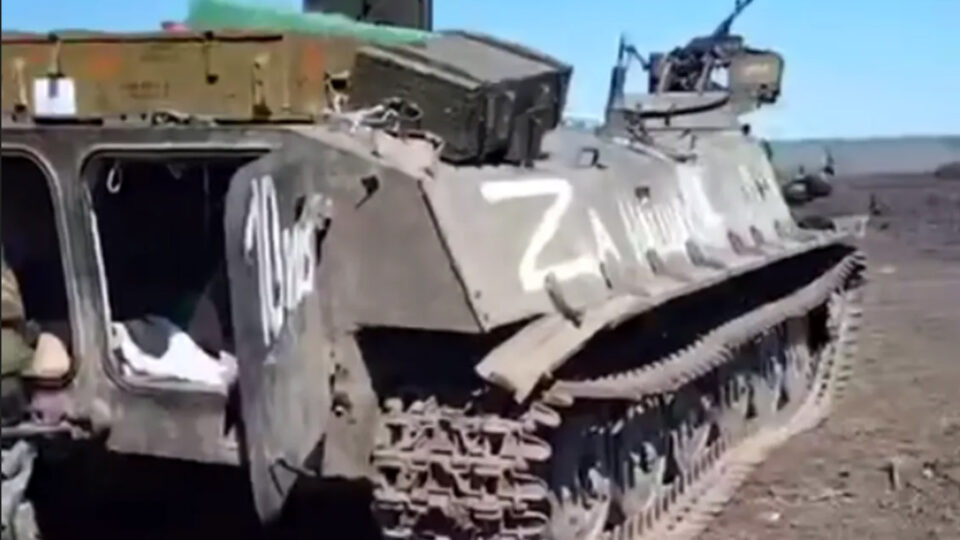
The occupiers made an unsuccessful attempt to break through the defense using an “armored” MT-LB, four motorcycles, and several small infantry groups.
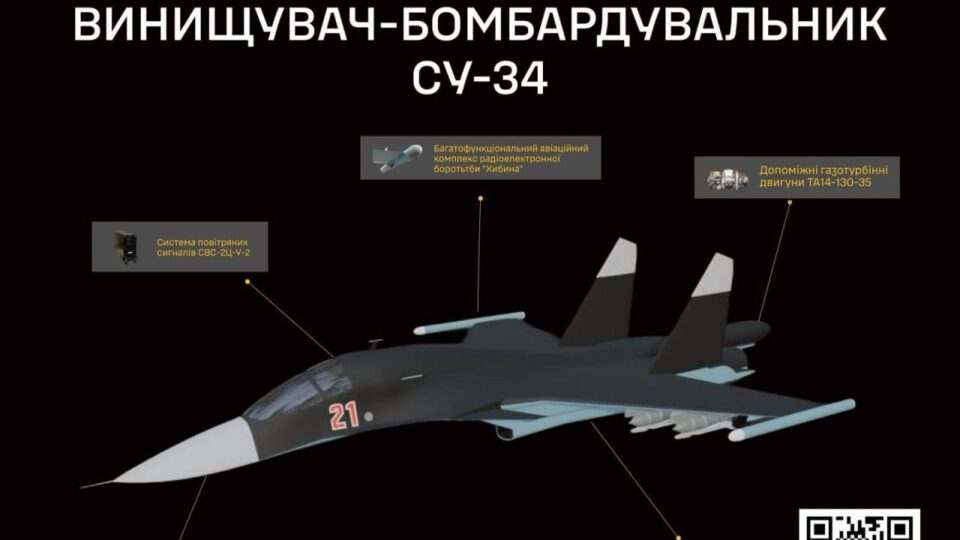
The Defence Intelligence of Ukraine has released data on Russian enterprises involved in the cooperation for the production of Su-34 aircraft that are still not
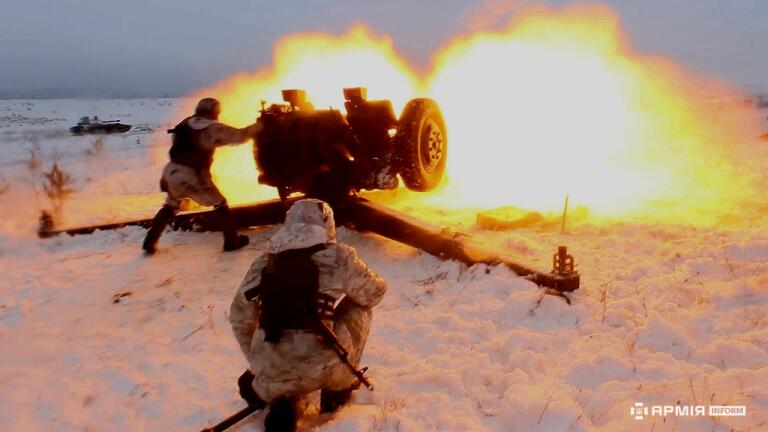
Fighters of the 79th Separate Tavriia Air Assault Brigade of the 7th Rapid Response Corps of the Air Assault Forces inflicted devastating losses on the enemy on
Russian occupiers continue trying to force the Bakhmutka River and infiltrate the inter-position area of Ukraine’s Defense Forces.
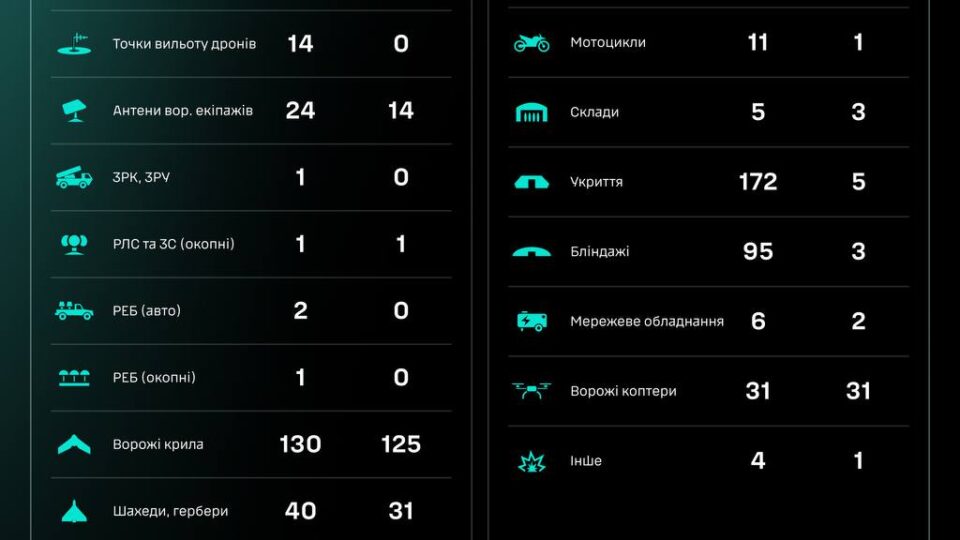
Over the past day, units of the Unmanned Systems Forces grouping struck or destroyed 762 enemy targets.
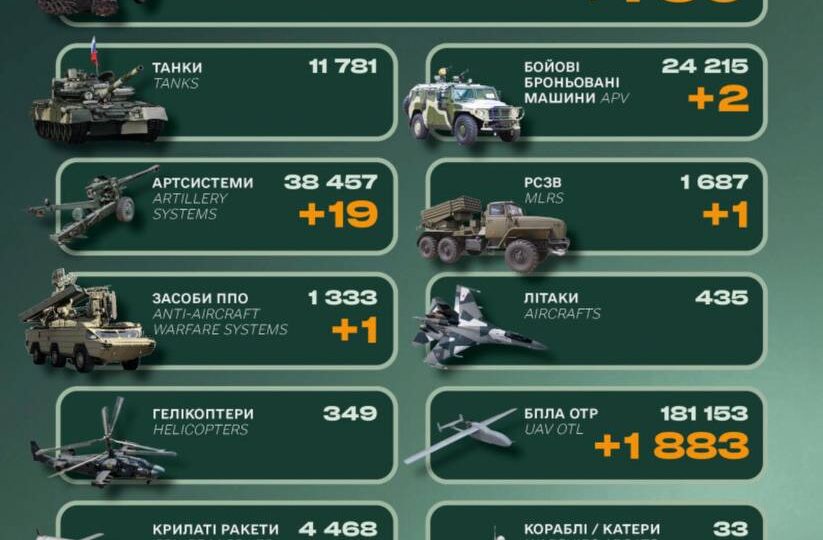
Over the past day, Russian occupation forces lost 760 servicemen.
The international delegation, headed by Ana Lucía Bueno, ICRC Public Health Coordinator, and Sujit Panda, Head of the Physical Rehabilitation…