
The international delegation, headed by Ana Lucía Bueno, ICRC Public Health Coordinator, and Sujit Panda, Head of the Physical Rehabilitation…


During the night of February 3, Kyiv suffered another massive enemy attack. Falling UAV debris caused destruction and damage in several districts of the capital.
This was reported by the National Police of Ukraine.
In the Shevchenkivskyi district, an enemy drone hit a 22-story residential building, causing a fire. Two civilians—a man and a woman—were injured by cuts and glass wounds; they received assistance on site.


In the Dniprovskyi district, drone fragments hit a five-story residential building, and debris also fell near a store.
In the Darnytskyi district, fragments hit the 26th floor of a non-residential apartment. Debris also fell on the roof of a private house, injuring a 77-year-old man who was diagnosed with an acute stress reaction.
In the Pecherskyi district, falling UAV debris damaged a gas station building and cars parked nearby.
Investigation teams, SES rescuers, and other emergency services are working at the sites.
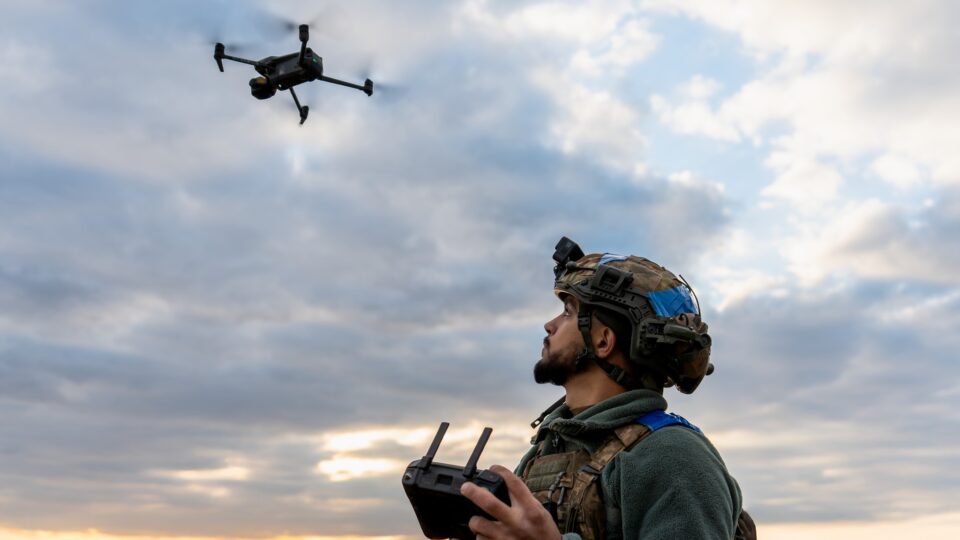
Over the past day, units of the Unmanned Systems Forces grouping struck or destroyed 1,209 enemy targets.
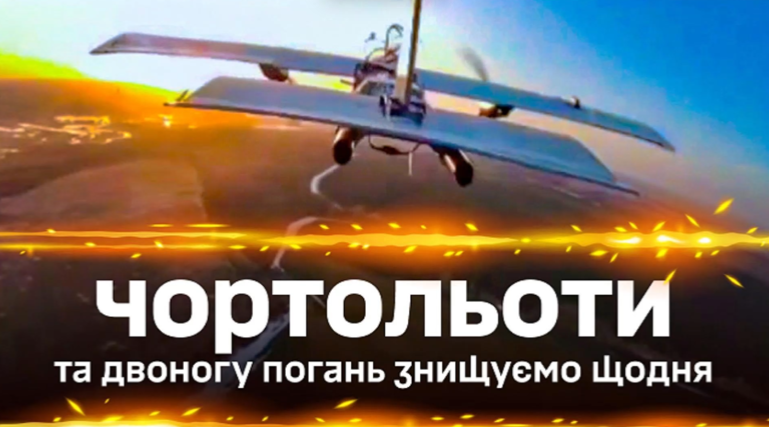
Drone units of the Joint Forces’ Iron Brigade are continuously destroying enemy UAVs (“chortolyoty”) and personnel.

On the night of March 20, the enemy attacked with 156 strike UAVs, including Shahed-type drones, “Gerbera”, “Italmas”, and other types.

Over the past day, Russian occupation forces lost 1,610 personnel on the battlefield.

A UAV operator of the “Typhoon” unmanned systems unit with the callsign “Nimets” can strike the enemy even blindly.
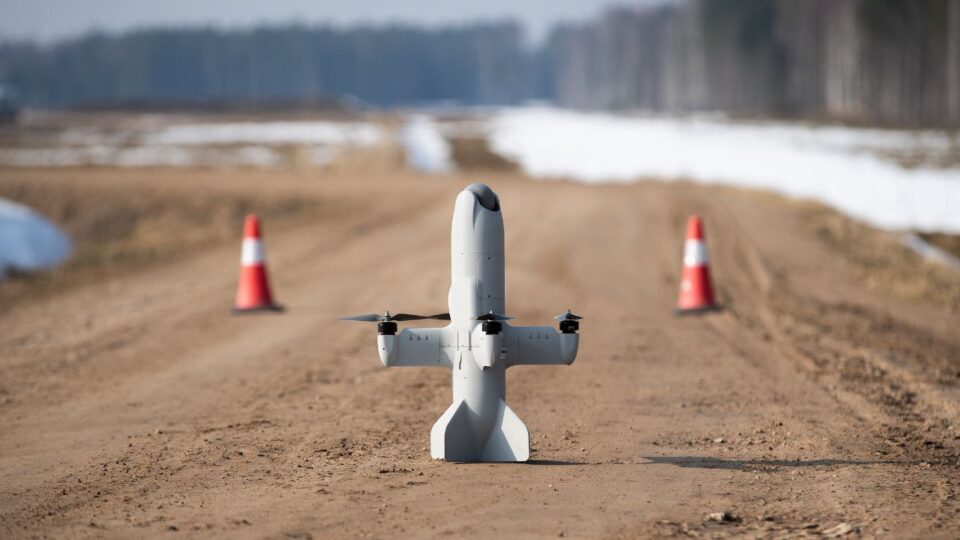
The first cycle of testing, evaluation, verification, and validation of unmanned aerial systems took place at NATO’s innovation range for unmanned systems.
The international delegation, headed by Ana Lucía Bueno, ICRC Public Health Coordinator, and Sujit Panda, Head of the Physical Rehabilitation…