
The international delegation, headed by Ana Lucía Bueno, ICRC Public Health Coordinator, and Sujit Panda, Head of the Physical Rehabilitation…

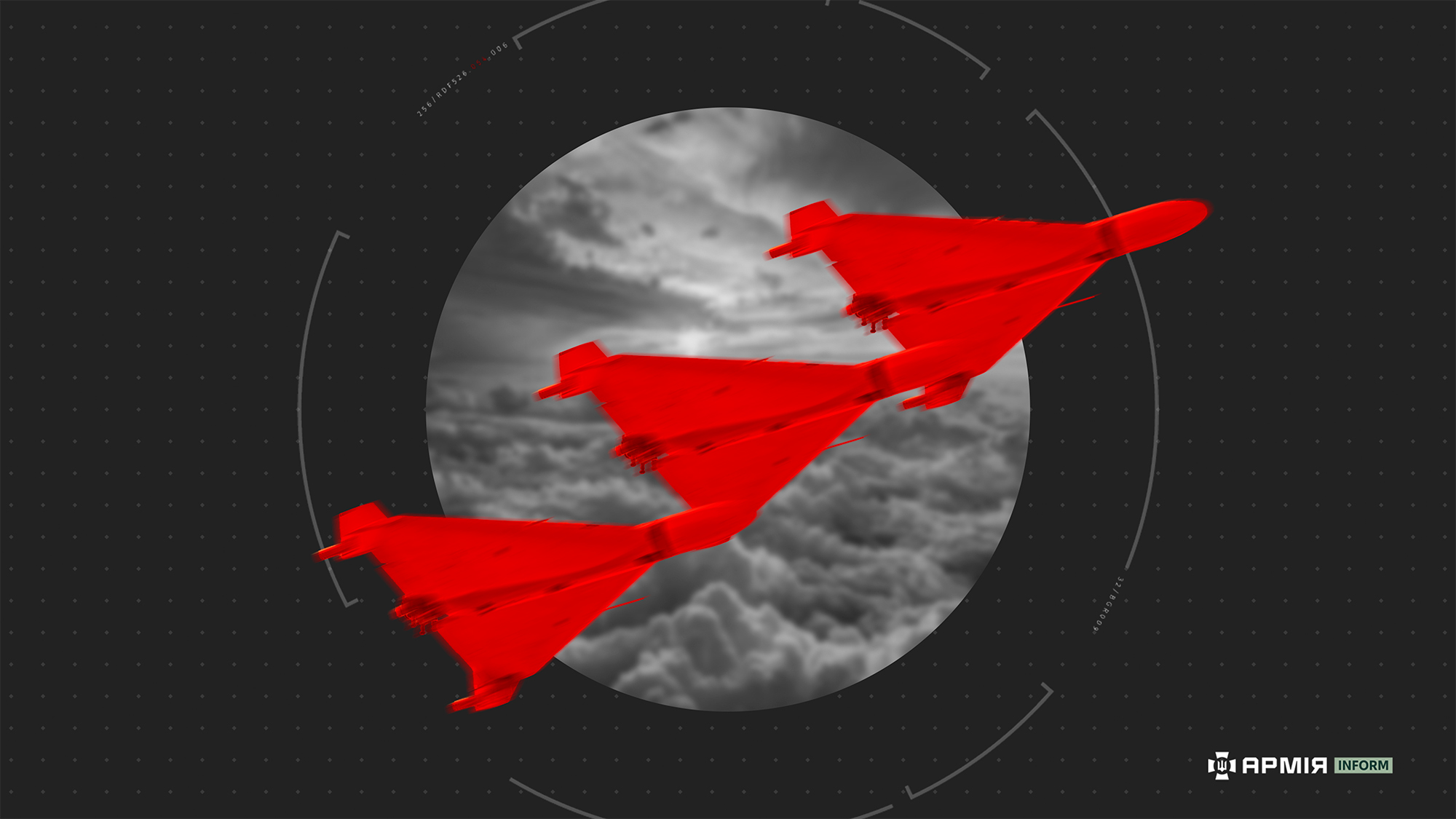
During the night of January 30 (from 18:00 January 29), the enemy attacked with an Iskander-M ballistic missile from Russia’s Voronezh region, and with 111 strike UAVs of the Shahed, Gerbera, Italmas, and other types from the directions of Bryansk, Orel, Kursk, Millerovo, Primorsko-Akhtarsk (Russia), and Donetsk (temporarily occupied territory). About 70 of them were Shaheds.
The Air Force of the Armed Forces of Ukraine reported this on the morning of January 30.
Aviation, air-defense missile units, EW units, unmanned systems forces, and mobile fire groups repelled the air attack.
As of 08:00, preliminary data: 80 enemy UAVs were shot down or suppressed.
There were impacts from the ballistic missile and 25 strike UAVs at 15 locations, as well as debris from shot-down drones falling at two locations.
“The attack continues, several enemy UAVs remain in the airspace. Follow safety rules! Hold the sky! Together — to victory!” — the Air Force stated.

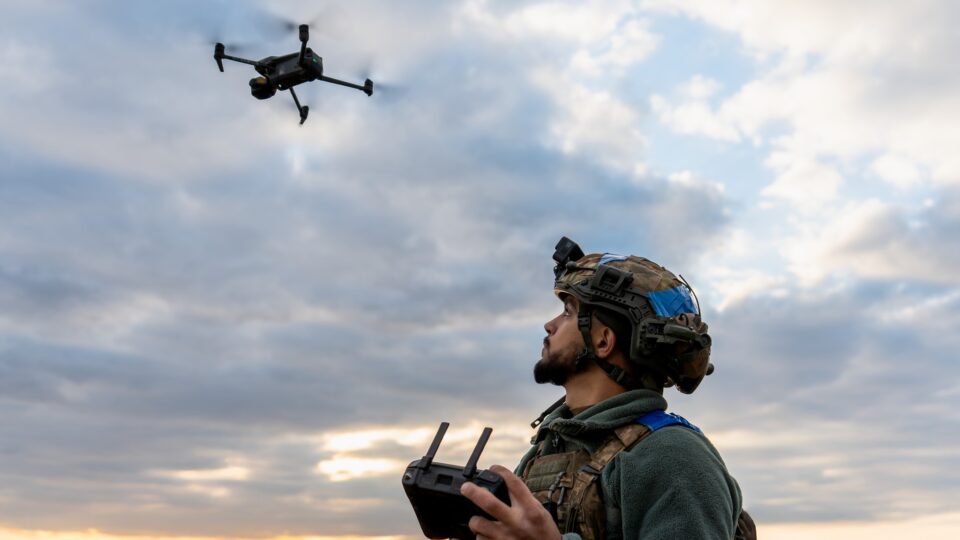
Over the past day, units of the Unmanned Systems Forces grouping struck or destroyed 1,209 enemy targets.
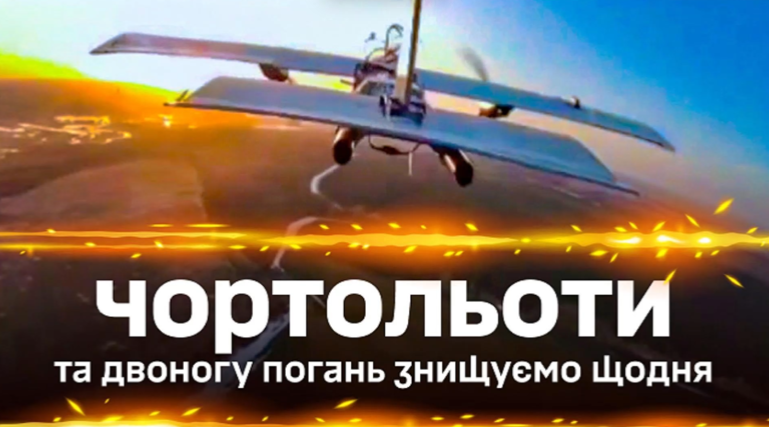
Drone units of the Joint Forces’ Iron Brigade are continuously destroying enemy UAVs (“chortolyoty”) and personnel.

On the night of March 20, the enemy attacked with 156 strike UAVs, including Shahed-type drones, “Gerbera”, “Italmas”, and other types.
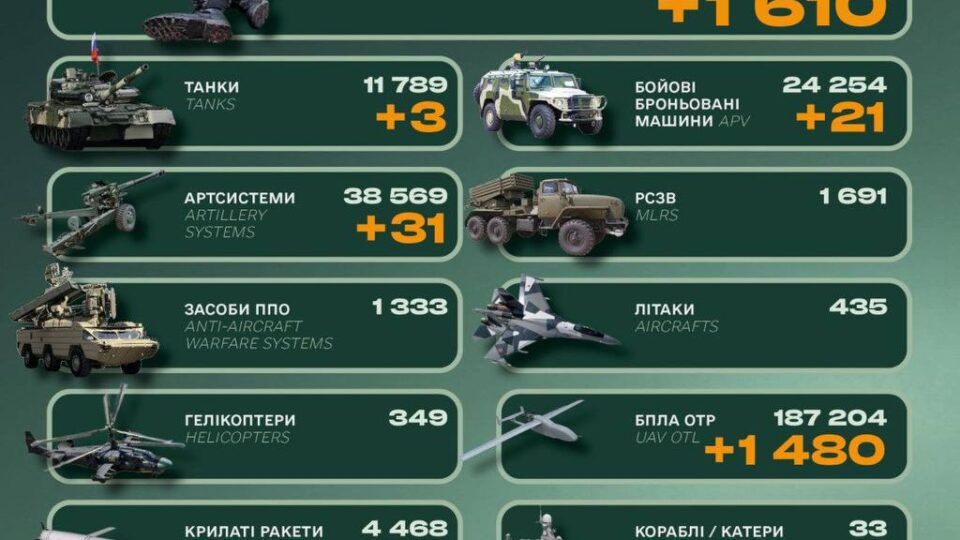
Over the past day, Russian occupation forces lost 1,610 personnel on the battlefield.

A UAV operator of the “Typhoon” unmanned systems unit with the callsign “Nimets” can strike the enemy even blindly.
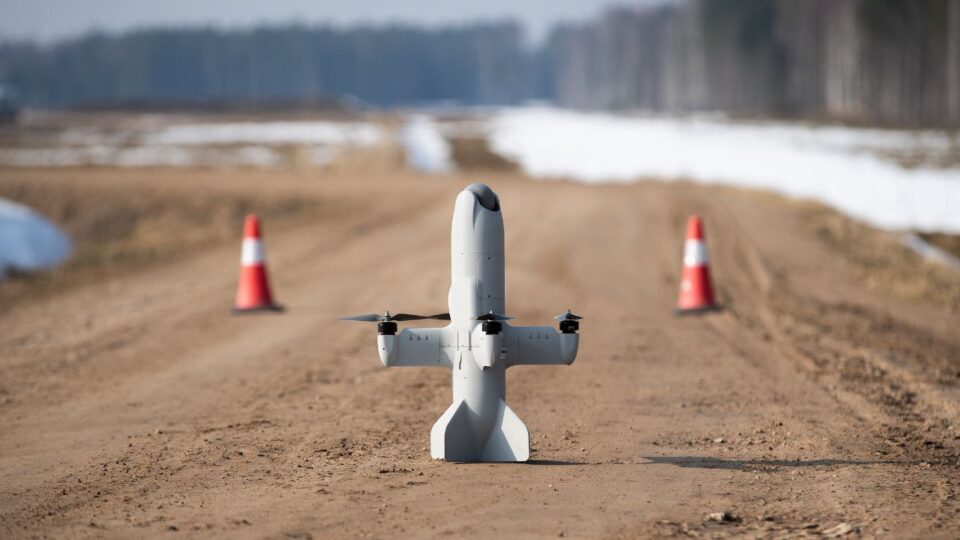
The first cycle of testing, evaluation, verification, and validation of unmanned aerial systems took place at NATO’s innovation range for unmanned systems.
The international delegation, headed by Ana Lucía Bueno, ICRC Public Health Coordinator, and Sujit Panda, Head of the Physical Rehabilitation…