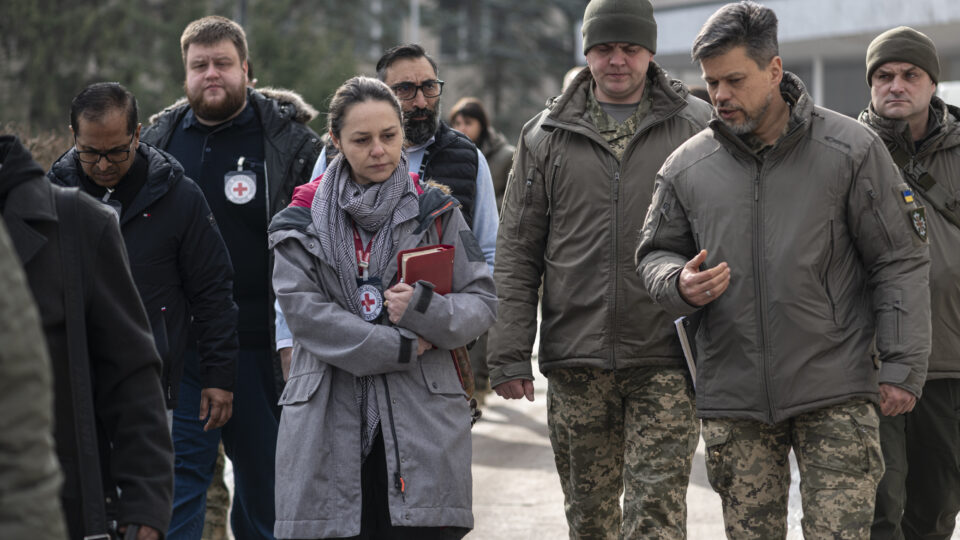
The international delegation, headed by Ana Lucía Bueno, ICRC Public Health Coordinator, and Sujit Panda, Head of the Physical Rehabilitation…


Enemy infantrymen often move toward the positions of Ukrainian defenders without any protective equipment, carrying only food and water in their backpacks.
This was reported in an exclusive comment to ArmyInform by Major Dmytro Ziolka, Head of the First Border Outpost of the 3rd Rapid Response Commandant’s Office of the “Pomsta” Brigade.
Further supply for Russian assault troops who manage to entrench themselves in shelters is also absent, as the enemy command perceives its own soldiers as “disposable” expendable material.
In contrast, Ukrainian defenders, while holding defensive positions, have a reliable supply system under which deliveries are made daily.
“Our group that is on the position contacts us every day via a secure channel and reports exactly what they need at the moment: ammunition, food, medicines, and so on. Whether they are hungry, whether they want to drink, whether they want tea or coffee. Someone may need certain medications delivered or something else”, — he said.
Rear support sergeants pack parcels weighing up to 10 kilograms and deliver them to the positions. This is done every day, to every position, according to each position’s request. After receiving the request the day before, the package is prepared and delivered the next day. The parcels are delivered by ‘Vampire’ drones and dropped from a height of several dozen meters at the coordinates of the position”, — he added.
Very rarely, however, due to certain circumstances, such parcels may fall into enemy hands. Border guards recently reported exactly such a case.
“In our case, a mistake occurred. The shelter where our guys had previously been stationed became unsuitable for further use, and they shifted 50 meters to the left to a reserve position. The parcel, however, was delivered to the old coordinates.
As it turned out, an enemy assault trooper had infiltrated the previous shelter that our fighters had abandoned. He took over the point from which they had withdrawn”, — the serviceman reported.
The parcel mistakenly dropped at outdated coordinates unexpectedly proved useful — it allowed the detection of the occupier who was hiding in the shelter.
At first, the Russian shot at the parcel, not understanding what it was, but then dragged it into his dugout.
At first, he probably thought it was a real gift of fate, since the enemy does not supply its assault troops, leaving them to fend for themselves.
“The enemy does not supply its soldiers the way we do. There are a lot of enemy assault troops, but they are essentially going one way. They search for shelters and dig a large number of positions, but are practically not supplied with anything.
The maximum they can drop is cigarettes — probably to support morale. Otherwise, Russians rely exclusively on what they carry themselves. In most cases, they do not even carry body armor or helmets — only a backpack with food, water, and cigarettes.
Apparently, the Russian command understands that their soldiers will die soon anyway, so they do not consider it expedient to spend resources on supplying them with food or medicines. That is why they do not drop supply packages to their positions”, — the officer explained.
After learning that the enemy was nearby their positions, Ukrainian defenders moved out to clear the area. They threw grenades at the enemy, destroyed the occupier, and seized his documents and food. This added to the collection of trophies previously captured by the border guards.
“After leaving the position, the guys brought out documents by which we can identify the enemy — which unit he belonged to, which battalion, brigade, and who his immediate commander was.
They also brought out his personal family documents, allowing us to identify the enemy himself. This may be useful for our intelligence.
They also recovered mobile phones with maps, position layouts, trackers, and enemy movement routes”, — reported Major Dmytro Ziolka, Head of the First Border Outpost of the 3rd Rapid Response Commandant’s Office of the ‘Pomsta’ Brigade.
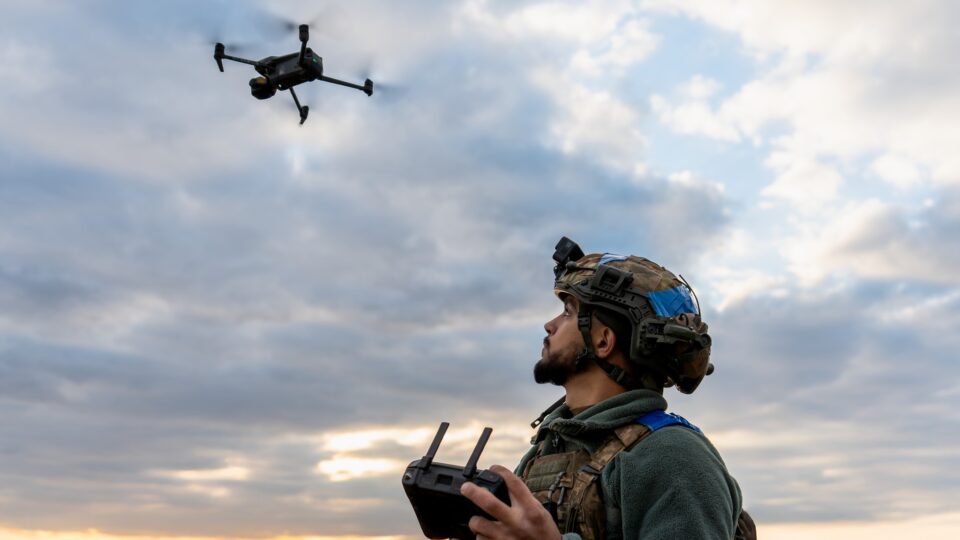
Over the past day, units of the Unmanned Systems Forces grouping struck or destroyed 1,209 enemy targets.
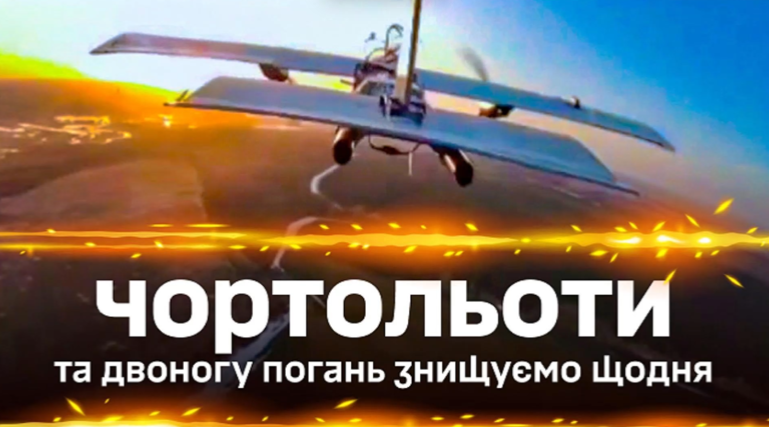
Drone units of the Joint Forces’ Iron Brigade are continuously destroying enemy UAVs (“chortolyoty”) and personnel.

On the night of March 20, the enemy attacked with 156 strike UAVs, including Shahed-type drones, “Gerbera”, “Italmas”, and other types.
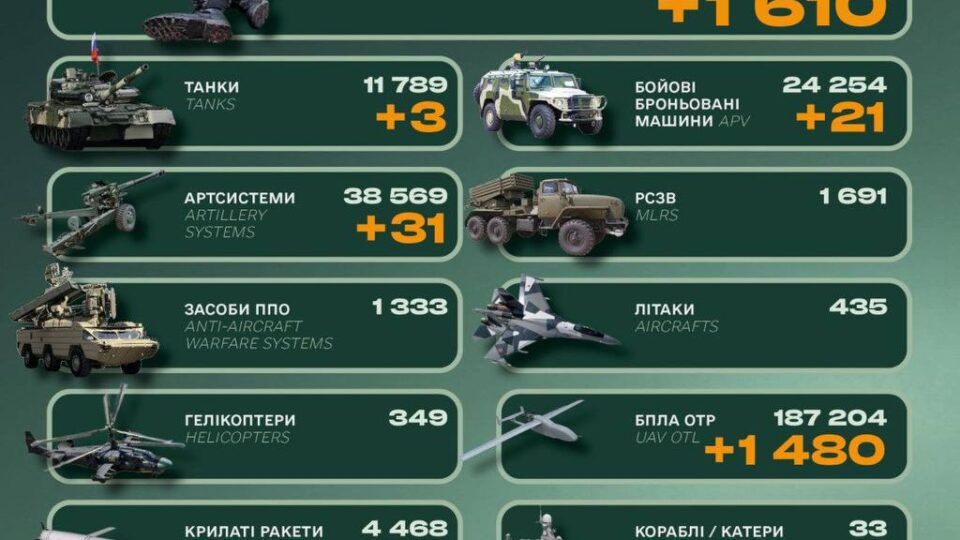
Over the past day, Russian occupation forces lost 1,610 personnel on the battlefield.
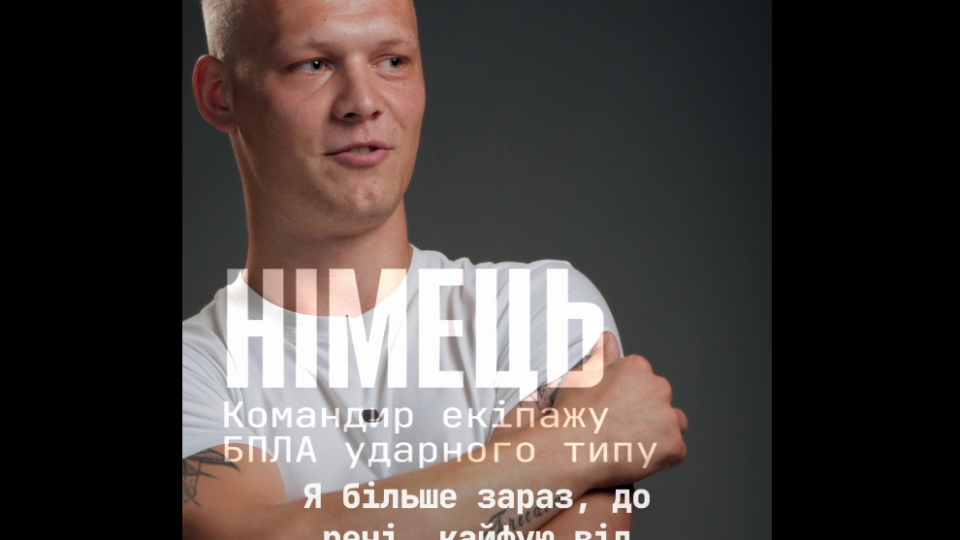
A UAV operator of the “Typhoon” unmanned systems unit with the callsign “Nimets” can strike the enemy even blindly.
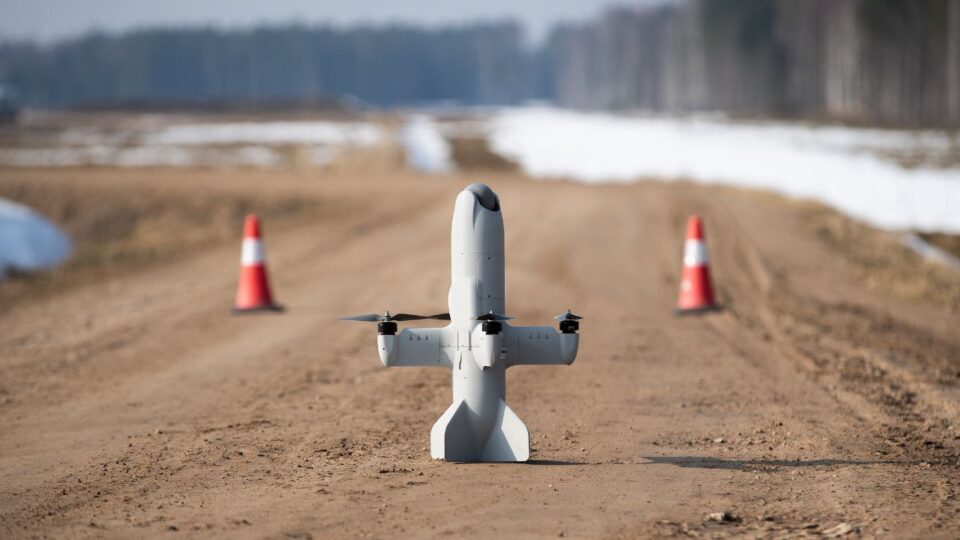
The first cycle of testing, evaluation, verification, and validation of unmanned aerial systems took place at NATO’s innovation range for unmanned systems.
The international delegation, headed by Ana Lucía Bueno, ICRC Public Health Coordinator, and Sujit Panda, Head of the Physical Rehabilitation…