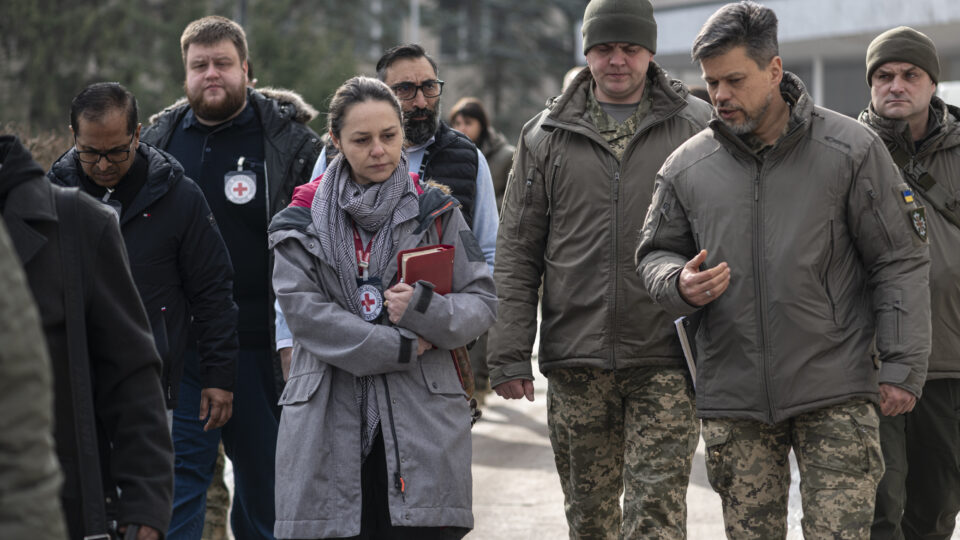
The international delegation, headed by Ana Lucía Bueno, ICRC Public Health Coordinator, and Sujit Panda, Head of the Physical Rehabilitation…

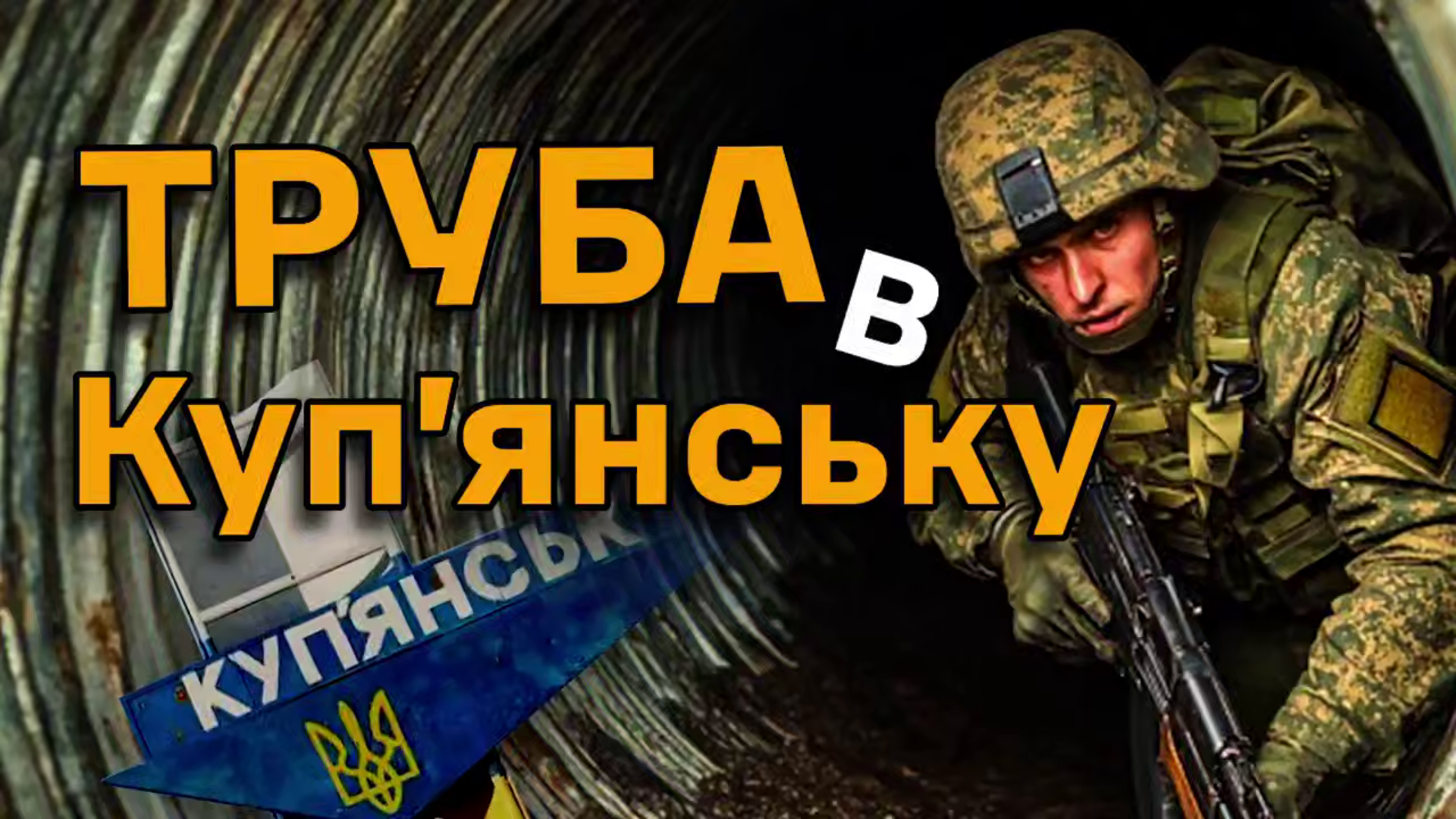
Enemy assault troops have no opportunity to infiltrate Kupiansk through the gas pipeline system — all exits to the surface are under reliable fire control of the Defense Forces of Ukraine.
This was stated in an exclusive comment to ArmyInform by the deputy commander of the search-and-strike group of the 2nd Corps “Khartia” of the National Guard of Ukraine, call sign “Wolf”.
Movement inside the pipeline is extremely difficult for the occupiers, as its diameter does not exceed 1.5 meters and in some sections narrows to 1 meter. In certain areas, the pipeline is laid at quite steep angles, making the use of vehicles impossible and forcing enemy soldiers to move crawling.
“The pipeline was the main logistics artery of the Russians at the beginning of their offensive on Kupiansk. It does not lead directly into the city, but slightly above it. They would crawl out and then descend into the city. Later, when they advanced deep enough into Ukrainian territory and crossed the Oskil River, the use of the pipeline became secondary and was used infrequently”, — he said.
The situation changed when the search-and-strike group “Khartia” and other Defense Forces units launched an operation to liberate Kupiansk.
“When our group began operating and we moved forward, the enemy was pushed back toward the river. This complicated their crossing of the Oskil and forced them to return to using the pipeline as the main route into the city”, — the officer explained.
Anticipating enemy actions in advance, Ukrainian defenders prepared accordingly.
“First of all, we obtained technical documentation for the pipeline, drawings, and carefully studied them. It turned out there is not one pipeline, but actually four parallel ones. We studied their routes and exact locations and began taking countermeasures.
We conducted reconnaissance of the pipeline using, among other things, ground robotic systems and foot patrols to understand the real situation. We took the pipeline exits under fire control and drone surveillance, began blocking and destroying them, and closely monitored them so as not to miss the moment when the enemy emerges. Of course, we also carried out mining operations”, — the Khartia serviceman reported.
These measures allowed Ukrainian forces to take the pipeline under full fire control and regularly destroy almost all enemy soldiers attempting to enter Kupiansk through it.
“At present, the enemy is trying again and again to break new exits from these pipelines. We control all exits, detect almost immediately when a new one appears, and destroy 99% of the Russians who crawl out of the pipeline, as we constantly see them from drones.
The enemy is essentially going to their death. Moreover, they have to marinate inside these pipes for weeks before emerging and dying within 5–10 minutes from our artillery, drones, and infantry.
We have also taken measures to completely block the pipelines in the territory under our control so that the enemy has no chance to move further”, — Wolf assured.
The conditions in which Russians are forced to move inside the pipeline are extremely harsh. Enemy soldiers must move in confined spaces with poor lighting and virtually no ventilation.
“In different sections, the diameter of the pipelines varies. Moving upright there is impossible. Roughly speaking, the diameter ranges from 1 to 1.4–1.5 meters. So movement is very uncomfortable”, — the serviceman said.
To improve movement inside the pipelines, Russians try to use makeshift transport devices. However, this is only possible in certain sections where the pipelines are laid horizontally.
“We have reasonable assumptions that the enemy uses homemade transport devices adapted for movement inside the pipeline. However, it is impossible to do this along the entire length, because there are sections where the pipelines are not horizontal but laid at quite steep angles — with significant inclines, for example. There they can move only on foot or even crawling. These are extremely difficult, inhuman conditions”, — the officer said.
In any case, all enemy assault troops face the same fate — they have virtually no chance of emerging from the pipelines and reaching Kupiansk alive.
“All Russians who attempt to use the pipelines to infiltrate Kupiansk die either directly while exiting the pipelines or shortly afterward, when they try to find cover and move toward the city”, — said the deputy commander of the search-and-strike group of the 2nd Corps “Khartia” of the National Guard of Ukraine, call sign “Wolf”.
@armyinformcomua
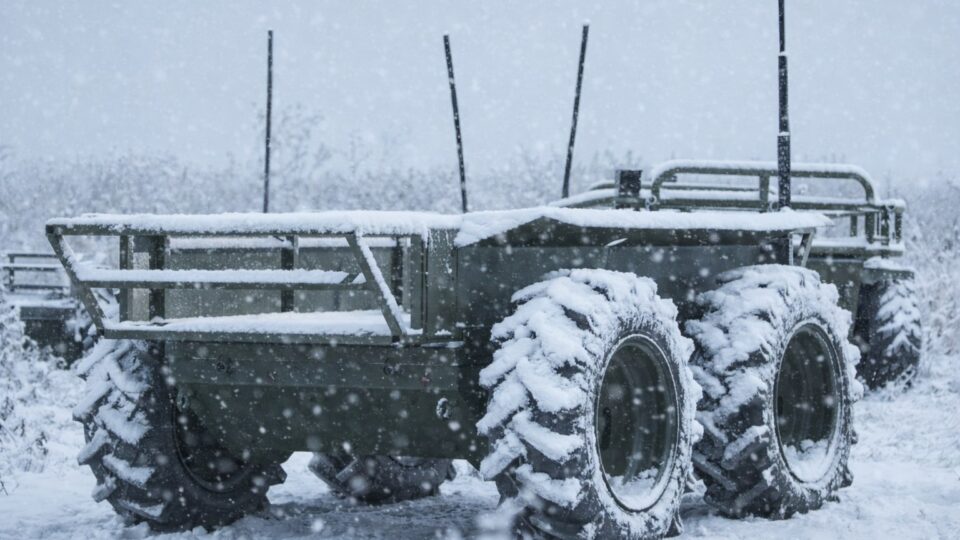
As a result of an enemy mine explosion, the soldier suffered a partial amputation of his lower limb.
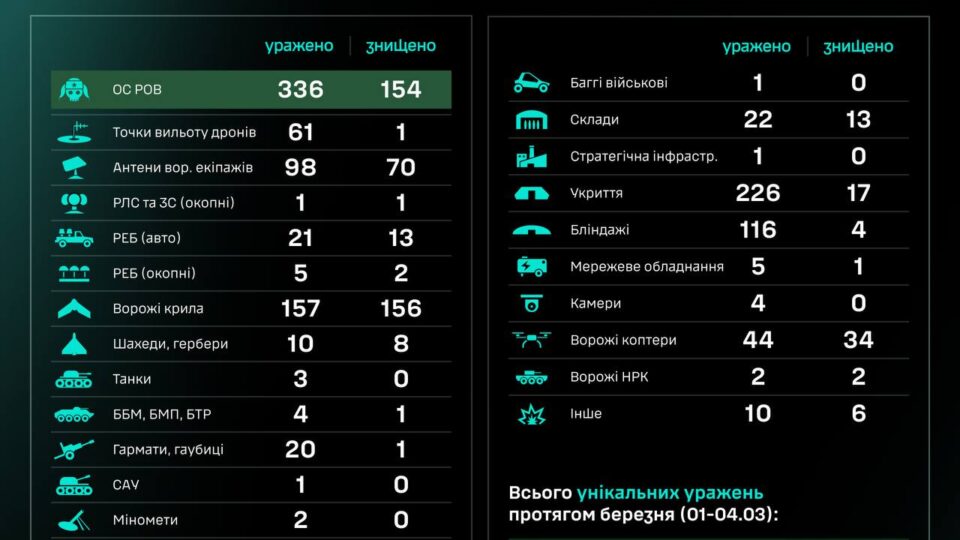
During the day, units of the Unmanned Systems Forces grouping struck or destroyed 1,281 enemy targets.
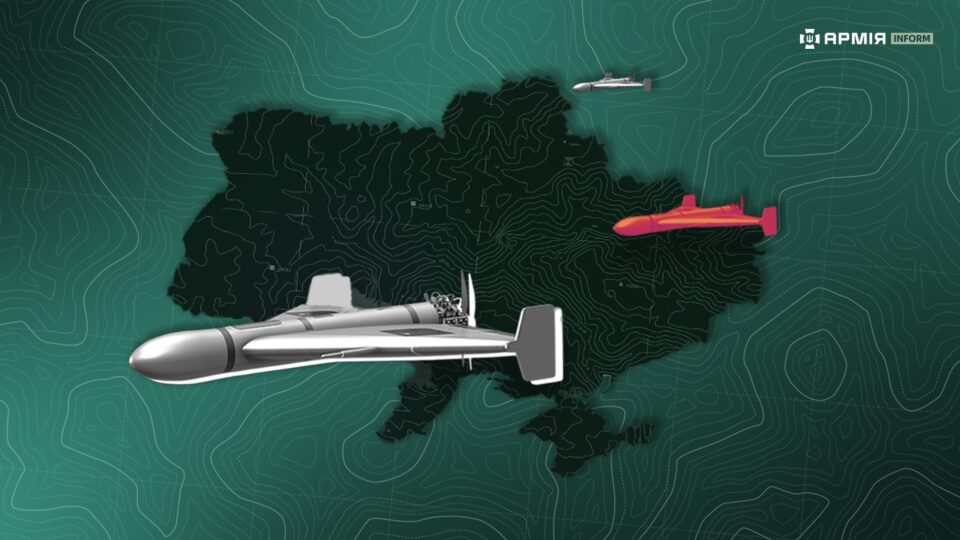
On the night of March 5 the enemy attacked with 155 strike UAVs of the Shahed, Gerbera, Italmas types and other types of drones, about 100 of them being Shaheds

Over the past day, the army of the aggressor country lost 900 personnel, four tanks and 41 artillery systems.

During December, January and February, fighters of the Unmanned Systems Forces struck 54 enemy SAM systems and radars.

Volodymyr Zelenskyy held a meeting on the challenges for Ukraine and partners, as well as on our ability to help protect lives and stabilize the global market.
The international delegation, headed by Ana Lucía Bueno, ICRC Public Health Coordinator, and Sujit Panda, Head of the Physical Rehabilitation…