
The international delegation, headed by Ana Lucía Bueno, ICRC Public Health Coordinator, and Sujit Panda, Head of the Physical Rehabilitation…


On the night of January 20 (from 7:00 p.m. on January 19), the enemy carried out a combined strike against Ukraine’s critical infrastructure using attack UAVs, ballistic and cruise missiles.
This was reported by the Air Force of the Armed Forces of Ukraine.
According to the Air Force, the enemy launched:
The enemy also launched 339 attack UAVs, including Shahed, Gerbera, Italmas, and other types, from Kursk, Orel, Millerovo, Primorsko-Akhtarsk, Shatalovo, Bryansk (Russia), Hvardiiske, Chauda (Crimea), and Donetsk (temporarily occupied territories of Ukraine). About 250 of them were Shaheds.
The air attack was repelled by aviation, anti-aircraft missile units, electronic warfare units, unmanned systems units, and mobile fire groups of the Defense Forces of Ukraine. The main axis of the strike was Kyiv Oblast.
As of 10:00 a.m., air defense destroyed or suppressed 342 targets:
14 Iskander-M / S-300 ballistic missiles, 13 Kh-101 cruise missiles, and 315 enemy UAVs across northern, southern, eastern, and central Ukraine.
Five missiles and 24 attack UAVs hit 11 locations, while debris from downed UAVs fell in 12 locations. Information regarding two enemy missiles is being уточнено.
“The attack continues, several enemy UAVs remain in Ukrainian airspace. Follow safety rules”, — the Air Force stated.
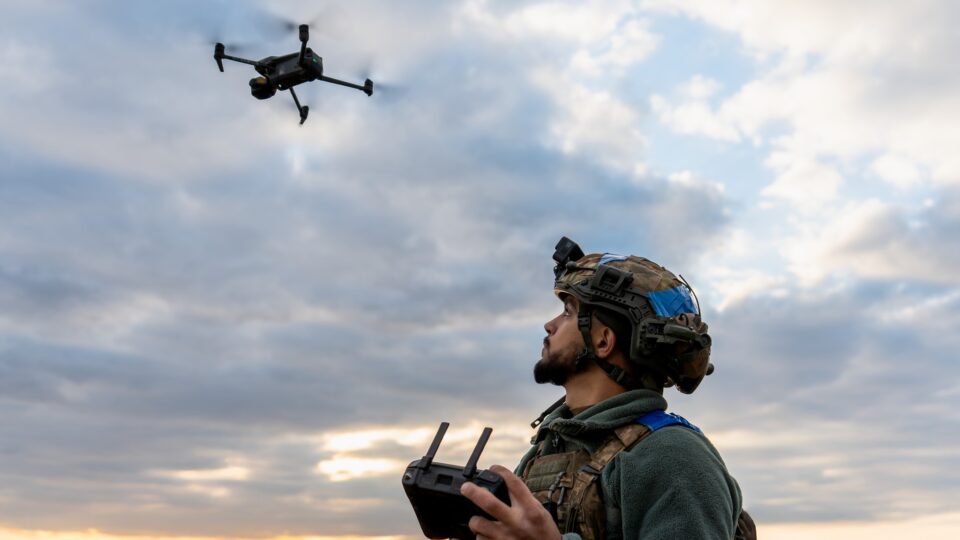
Over the past day, units of the Unmanned Systems Forces grouping struck or destroyed 1,209 enemy targets.
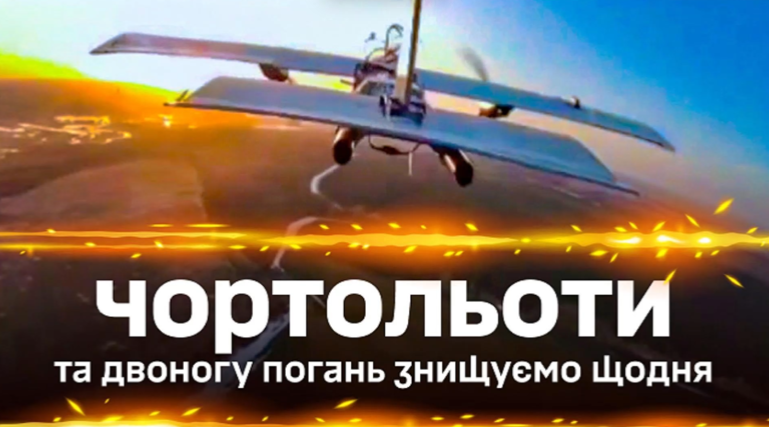
Drone units of the Joint Forces’ Iron Brigade are continuously destroying enemy UAVs (“chortolyoty”) and personnel.

On the night of March 20, the enemy attacked with 156 strike UAVs, including Shahed-type drones, “Gerbera”, “Italmas”, and other types.
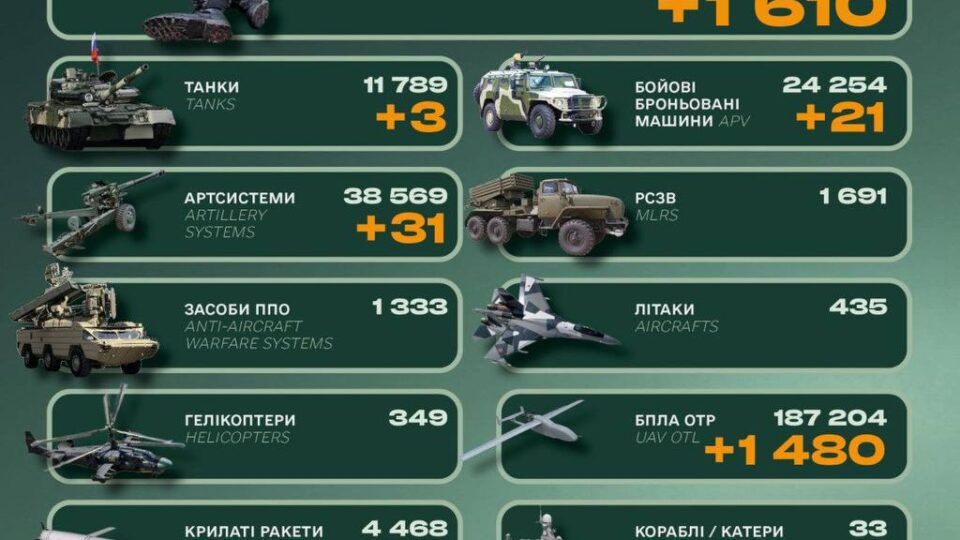
Over the past day, Russian occupation forces lost 1,610 personnel on the battlefield.

A UAV operator of the “Typhoon” unmanned systems unit with the callsign “Nimets” can strike the enemy even blindly.
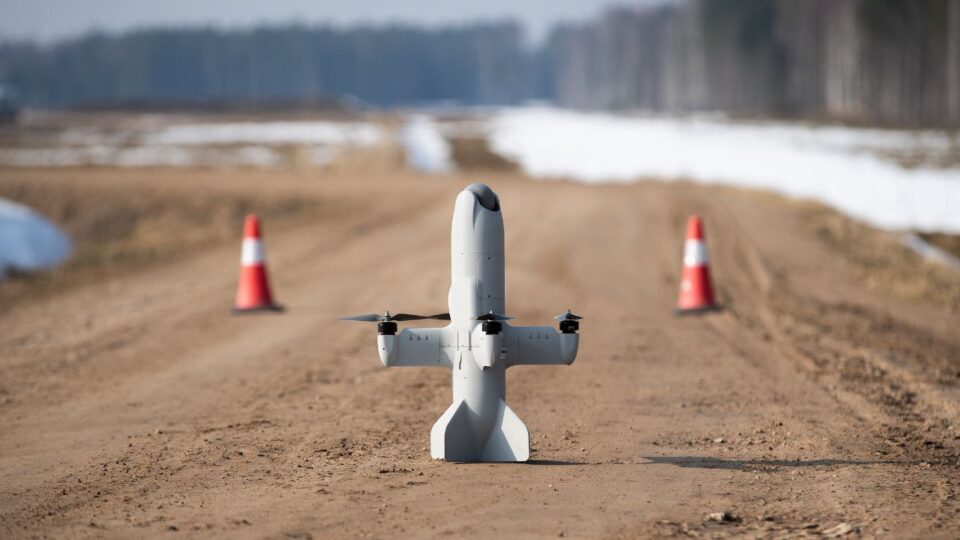
The first cycle of testing, evaluation, verification, and validation of unmanned aerial systems took place at NATO’s innovation range for unmanned systems.
The international delegation, headed by Ana Lucía Bueno, ICRC Public Health Coordinator, and Sujit Panda, Head of the Physical Rehabilitation…