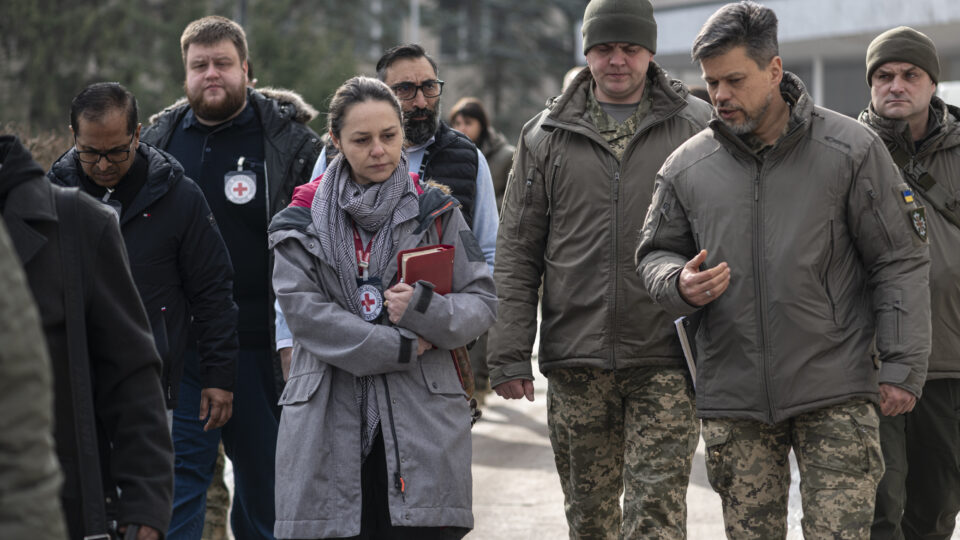
The international delegation, headed by Ana Lucía Bueno, ICRC Public Health Coordinator, and Sujit Panda, Head of the Physical Rehabilitation…


A new training course, “Cyber Hygiene 2.0”, has been launched in the Army+ application, dedicated to basic yet critically important cybersecurity rules for daily service in the Defense Forces of Ukraine.
This was reported by the Ministry of Defense of Ukraine on January 19.
The course helps military personnel safely operate in the digital environment and reduce risks of information leaks, cyberattacks, and technical infections.
The program includes 14 training episodes explaining how to safely use smartphones, computers, the internet, social networks, and messengers; manage passwords, Wi-Fi, flash drives, and official systems.
Special attention is paid to threats from the enemy: phishing, viruses, botnets, DDoS attacks, and internal cyber incidents, as well as action algorithms in critical situations.
Training is based on practical examples and real-life scenarios. After each module, interim tests are provided, and at the end of the course — a final exam and a certificate confirming mastery of cyber hygiene knowledge and skills.
The course is taught by officers of the Main Joint Center for Information and Cyber Security Protection in the Information and Telecommunication Systems of the Armed Forces of Ukraine.
Training materials were developed in cooperation with the Main Directorate of Communications and Cyber Security of the General Staff of the Armed Forces of Ukraine.
The course is useful for all military personnel who work daily with digital devices and information — from enlisted soldiers to unit commanders.
Currently, Army+ offers 19 training courses in tactics, battle planning, unmanned systems, communications, financial literacy, and other areas.
A total of 213,000 servicemen are undergoing training via the application.
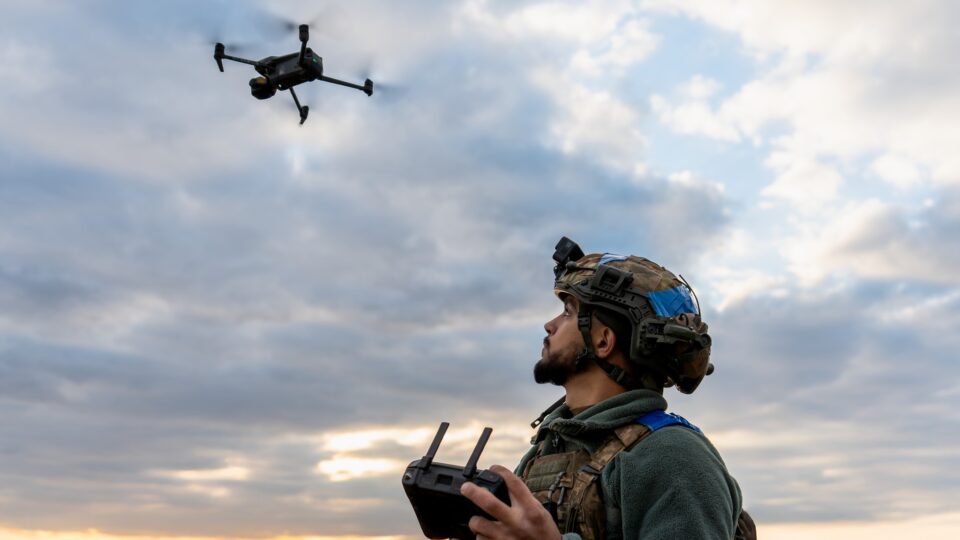
Over the past day, units of the Unmanned Systems Forces grouping struck or destroyed 1,209 enemy targets.
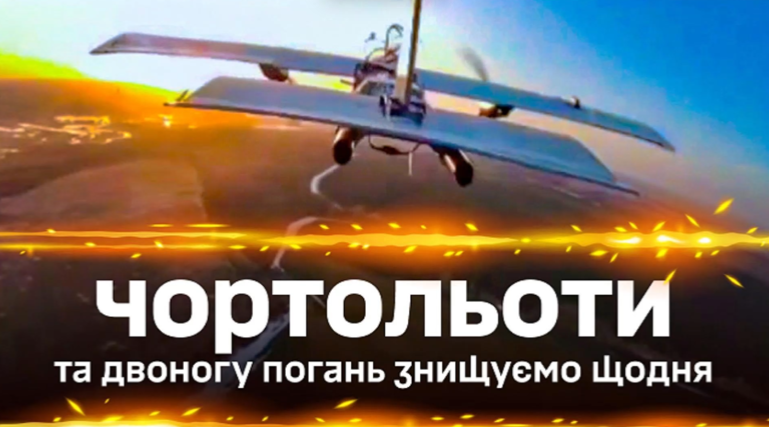
Drone units of the Joint Forces’ Iron Brigade are continuously destroying enemy UAVs (“chortolyoty”) and personnel.

On the night of March 20, the enemy attacked with 156 strike UAVs, including Shahed-type drones, “Gerbera”, “Italmas”, and other types.
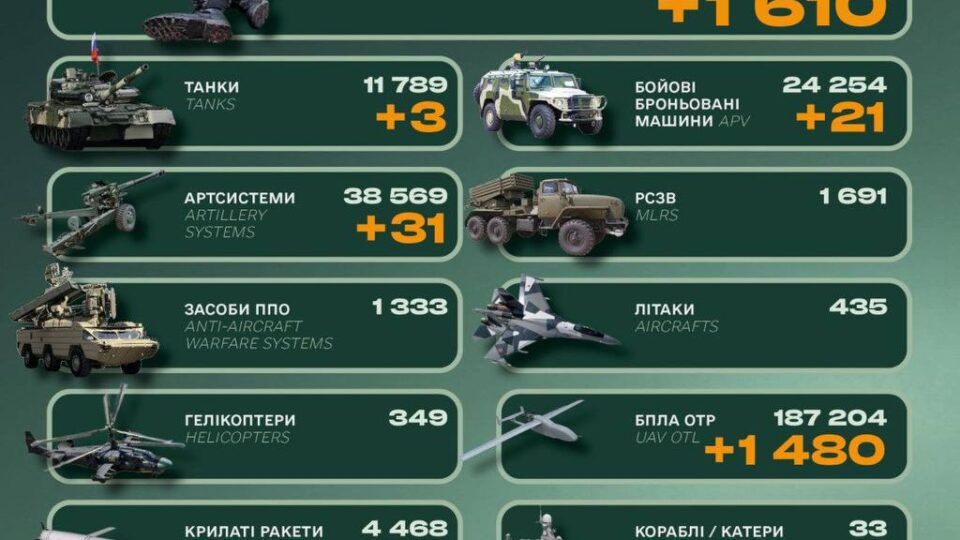
Over the past day, Russian occupation forces lost 1,610 personnel on the battlefield.

A UAV operator of the “Typhoon” unmanned systems unit with the callsign “Nimets” can strike the enemy even blindly.
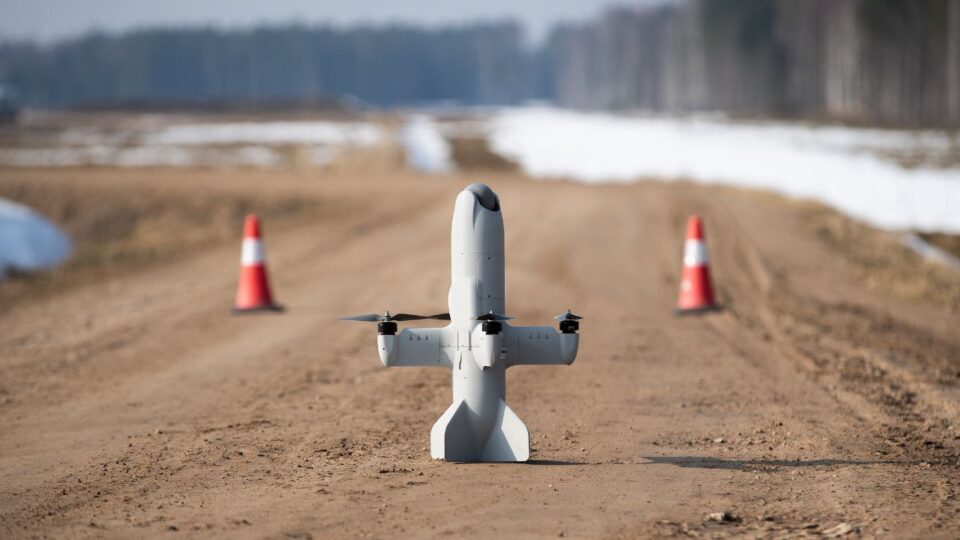
The first cycle of testing, evaluation, verification, and validation of unmanned aerial systems took place at NATO’s innovation range for unmanned systems.
The international delegation, headed by Ana Lucía Bueno, ICRC Public Health Coordinator, and Sujit Panda, Head of the Physical Rehabilitation…