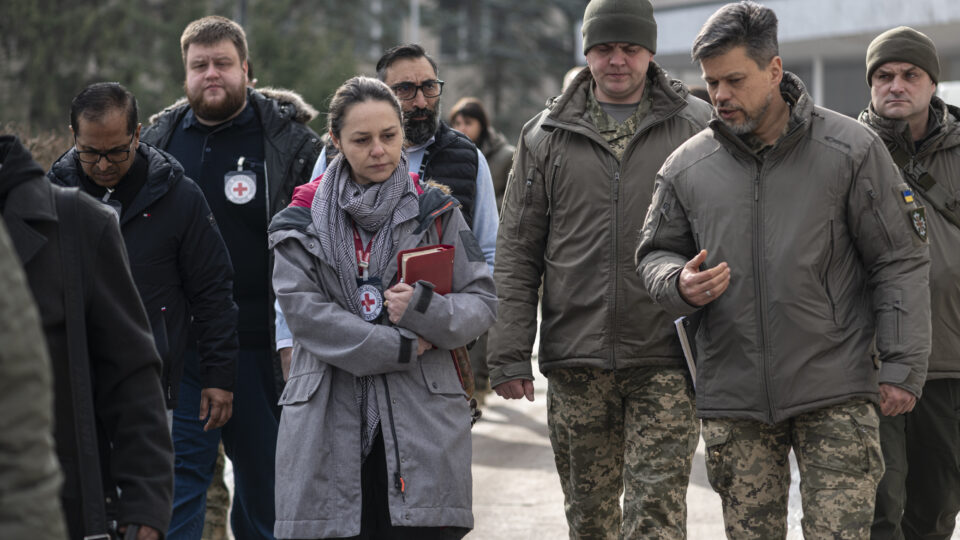
The international delegation, headed by Ana Lucía Bueno, ICRC Public Health Coordinator, and Sujit Panda, Head of the Physical Rehabilitation…

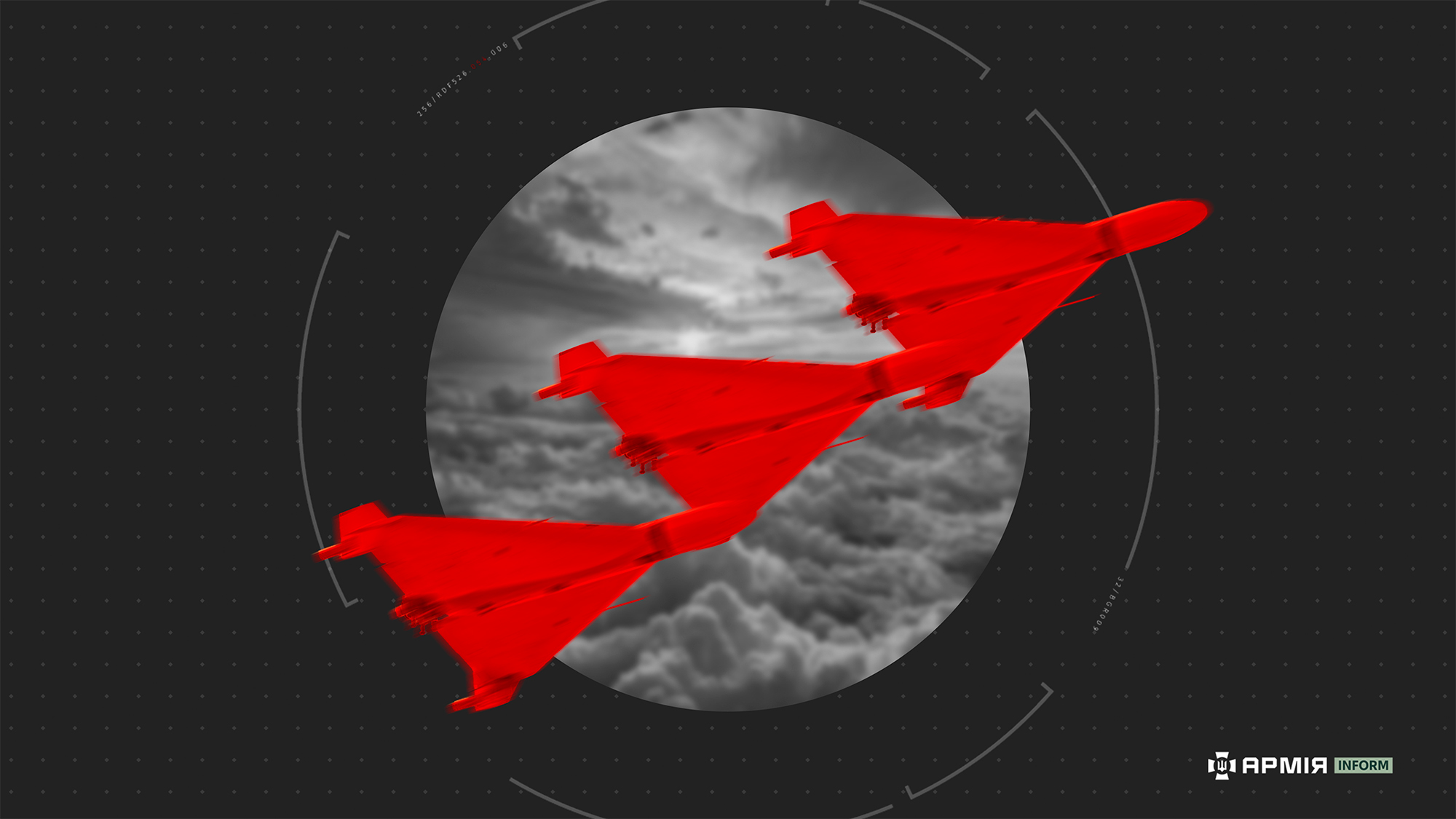
On the night of January 11, Russia attacked Ukraine with 154 strike UAVs, including Shahed and Gerbera drones.
This was reported by the Air Force of the Armed Forces of Ukraine.
According to the Air Force, the enemy used Shahed-type strike UAVs, Gerbera drones, and other types of drones launched from the directions of Millerovo, Kursk, Orel, Bryansk, Primorsko-Akhtarsk (Russian Federation), and Hvardiiske (temporarily occupied Autonomous Republic of Crimea).
It is noted that about 110 of them were Shaheds.
The air attack was repelled by aviation, anti-aircraft missile units, electronic warfare units, unmanned systems units, and mobile fire groups of the Defense Forces of Ukraine.
As of 08:00, air defense shot down or suppressed 125 enemy UAVs in the northern, southern, and eastern regions of the country.
Hits by 22 strike UAVs were recorded at 18 locations, as well as the fall of downed UAV debris at two locations.
The Air Force emphasized that the attack is ongoing: several enemy UAVs remain in Ukrainian airspace.
@armyinformcomua
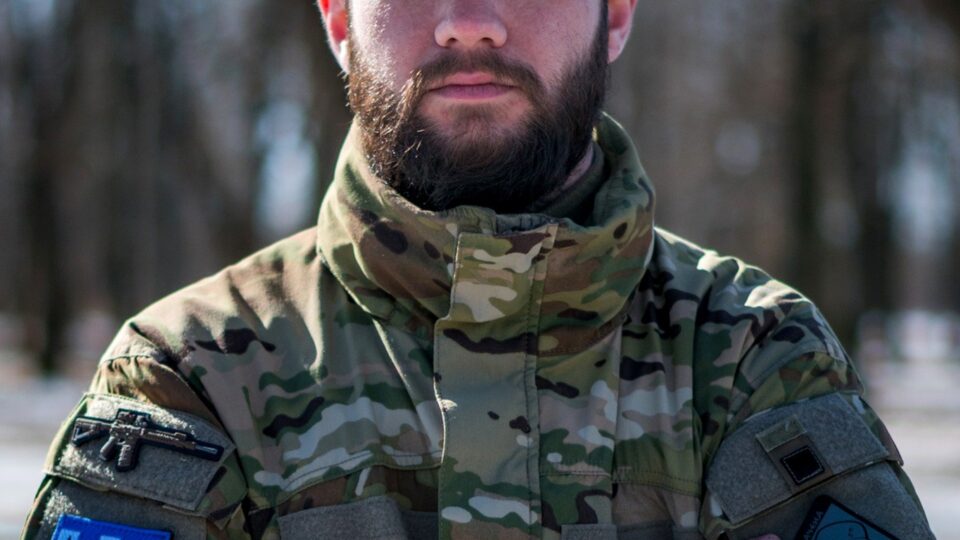
Bohdan, callsign “Maniac” — it sounds harsh, but at the front callsigns often appear in moments when someone does a little more than what is expected of them.
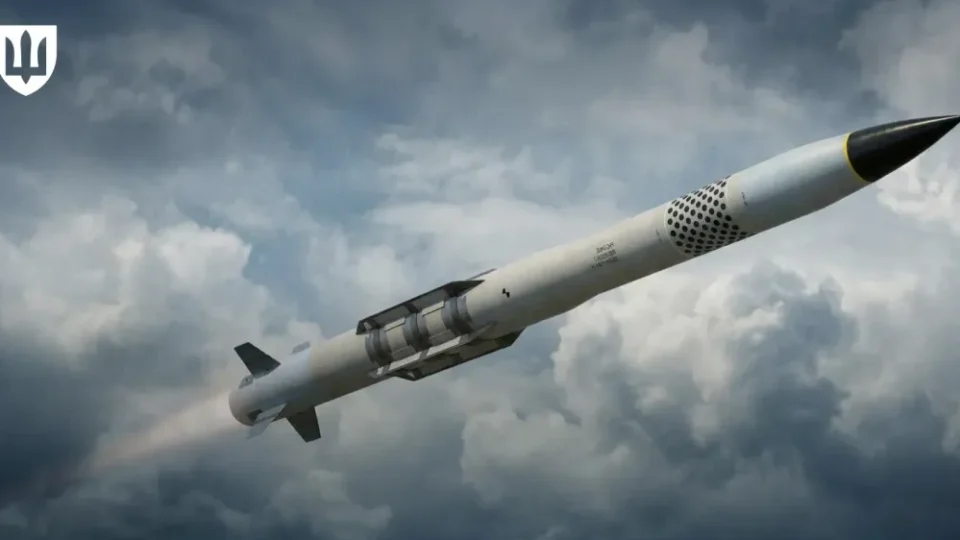
The Ministry of Defense of Ukraine explained why PAC-3 missiles for the Patriot system are one of the key elements in protecting Ukraine’s skies.
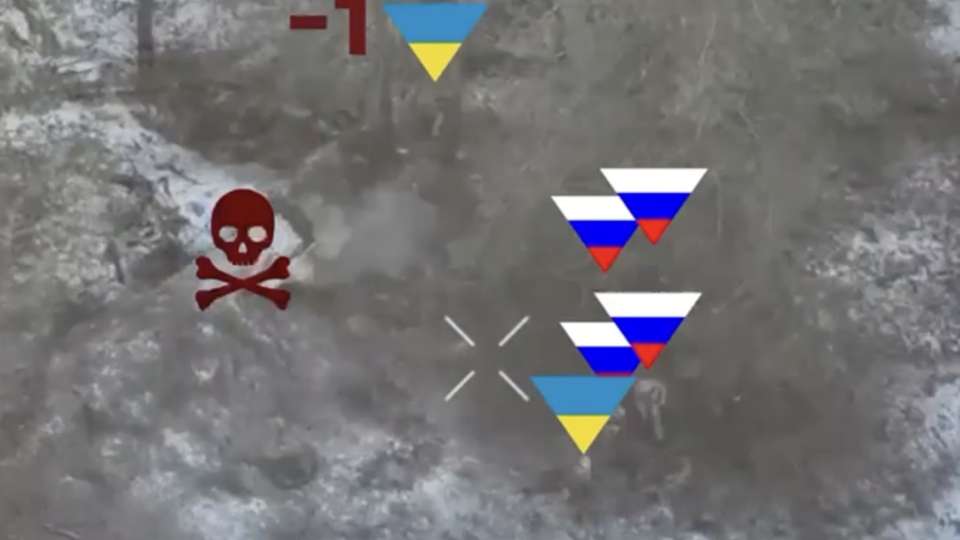
Four Ukrainian paratroopers stormed a Russian position: four occupiers were captured, while one was eliminated on the spot after resisting.
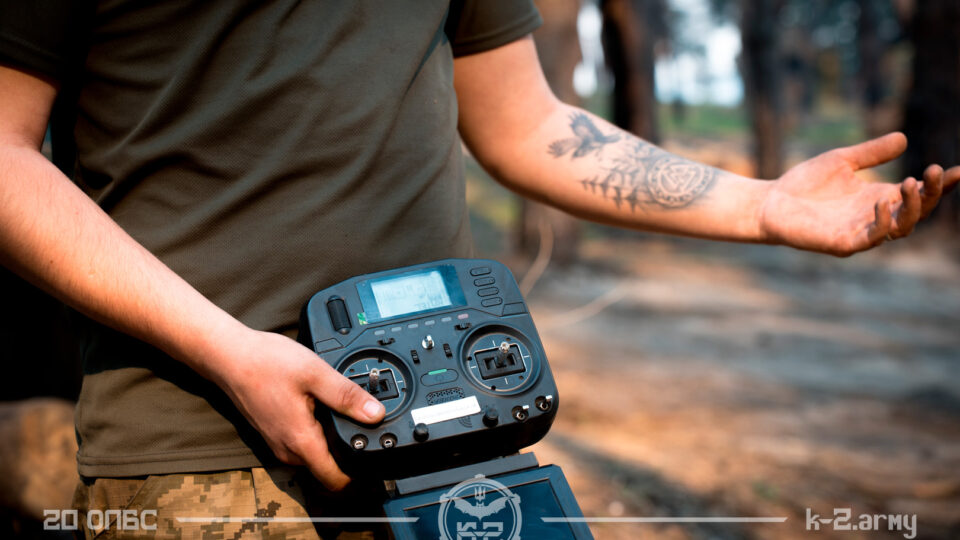
The occupiers are actively adopting the technical innovations and tactical approaches of Ukrainian UAV operators — it takes them only two to three months.
Russia’s losses at the front have exceeded the replenishment of the enemy army for three consecutive months.
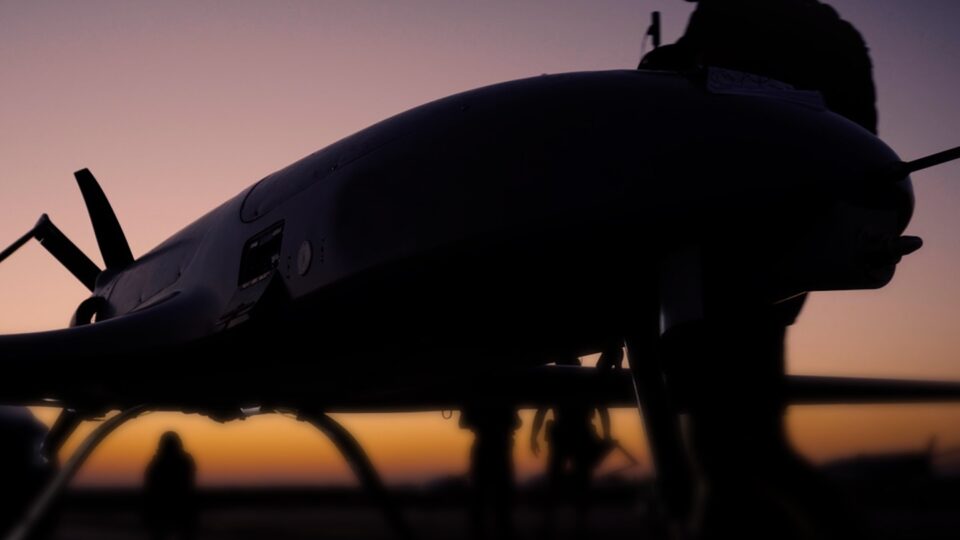
Strikes against facilities related to Russia’s use of unmanned systems are one of the priority areas of combat operations for the Unmanned Systems Forces.
The international delegation, headed by Ana Lucía Bueno, ICRC Public Health Coordinator, and Sujit Panda, Head of the Physical Rehabilitation…