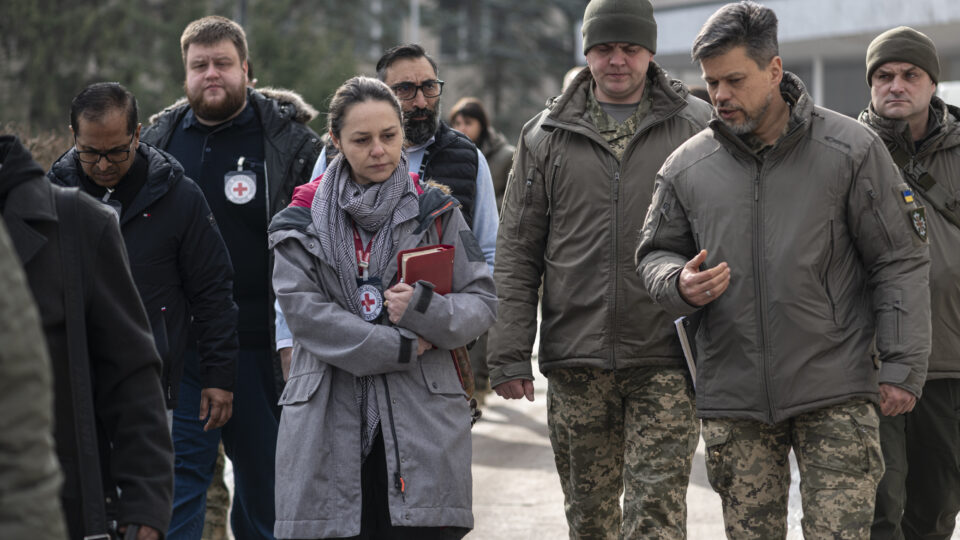
The international delegation, headed by Ana Lucía Bueno, ICRC Public Health Coordinator, and Sujit Panda, Head of the Physical Rehabilitation…


From an electronics engineer and chef at elite restaurants, he became a first-class electronic warfare specialist and is celebrating Christmas and New Year near Pokrovsk for the second time, reliably protecting the sky from enemy drones.
ArmyInform was told about his path in the ranks of the Armed Forces of Ukraine and episodes of combat work on one of the hottest sectors of the front by a serviceman of the 155th Separate Mechanized Brigade named after Anna of Kyiv — Ivan, call sign “Grinch”.
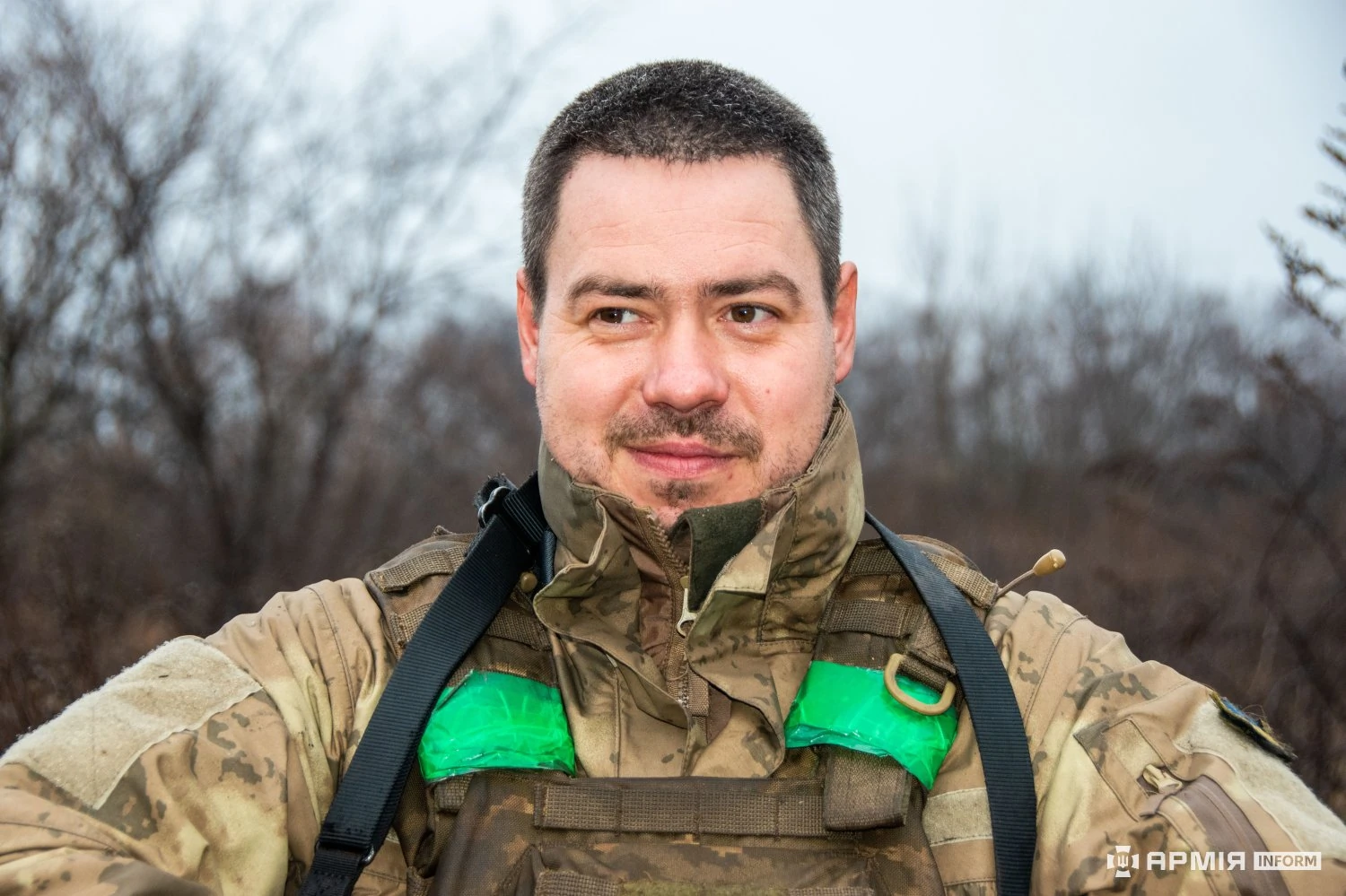
“I was given this call sign because I look like a cartoon character. A fellow soldier with the call sign ‘Salut’ once saw me smiling when I was plotting something and said, ‘Oh, I know who you are! You’re the Grinch who stole Christmas!’ And it stuck”, — the soldier smiles.
In civilian life, Ivan worked both as an electronics engineer and as a chef in elite restaurants. His education and work experience proved useful in the Armed Forces — now he can both configure electronic warfare equipment and cook a tasty meal for his comrades.

“I joined the Armed Forces via the typical route — mobilization. First basic combined-arms training, then assignment. Recruiters selected us already at the training ground — they came and asked who I was by profession. When they learned I was an electronics engineer, they immediately offered electronic warfare”, — recalls “Grinch”.
Ivan did not require special training — his existing knowledge was more than enough to understand how EW systems work and how to configure and maintain them. Of course, he adds, it is impossible to know everything, but with minimal desire, one can master everything necessary even without a basic civilian education.
“With a basic education, it was not difficult at all for me to get involved. You just had to understand how it works. And it works like any other technology. Even you, without preparation, if everything were explained to you in detail, would cope”, — the soldier assures.
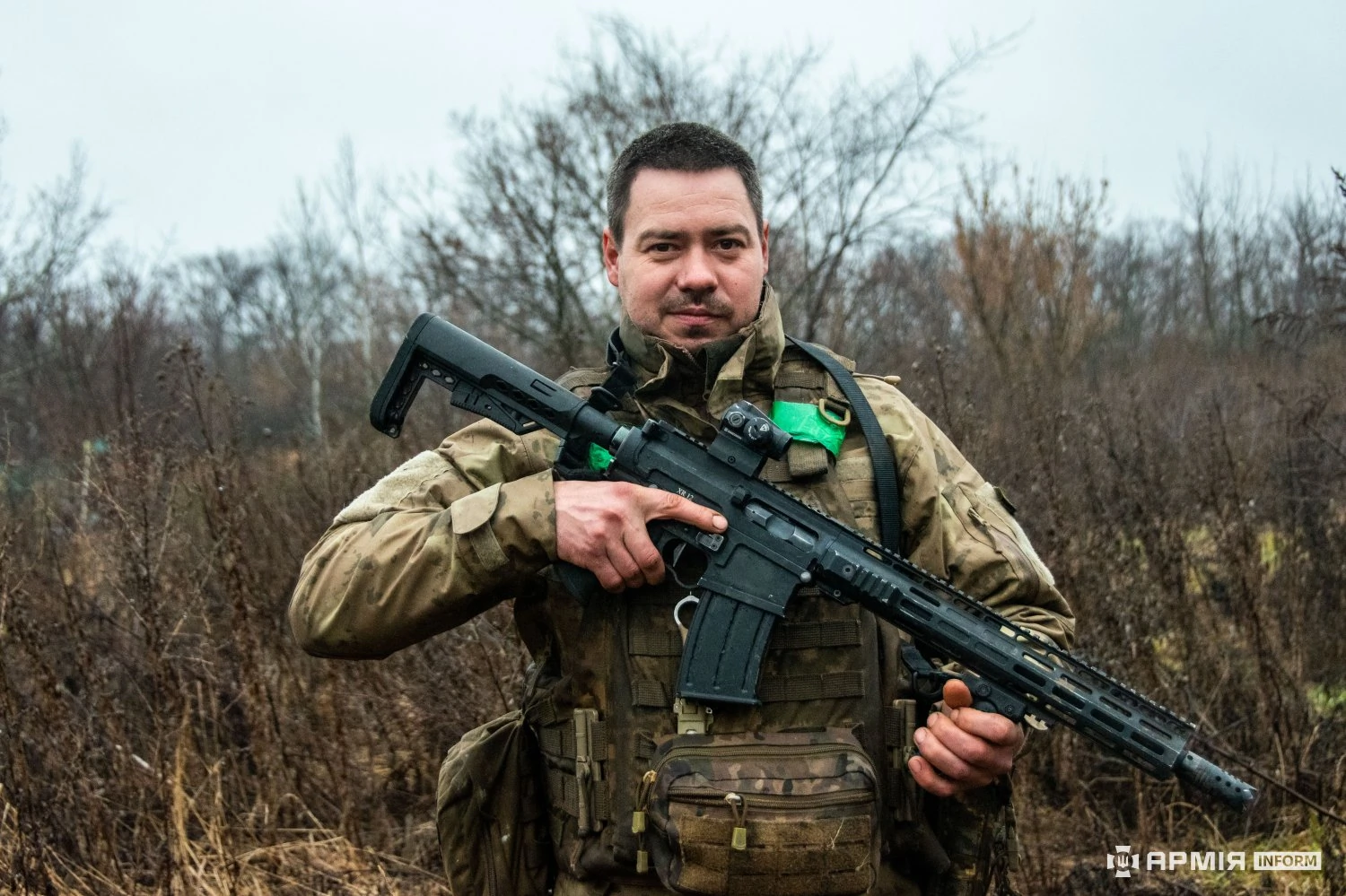
“By mid-November last year, I was already in the 155th Brigade. Then we went to Pokrovsk — and here our combat path began. In fact, the New Year 2025 we welcomed with the guys in Pokrovsk — we headed to positions late at night, and at 24:00, before even reaching the city sign, we entered 2025”, — recalls “Grinch.”
By the sign, Ivan means the famous inscription with the city name at the entrance to Pokrovsk. The fighters even wanted to take a photo against the yellow-and-blue letters exactly at midnight, but stopping was already too dangerous. Besides, it began to snow, so taking a commemorative photo would not have worked anyway.

“When we entered Pokrovsk, it was so dark you couldn’t see a thing. But we managed — found the point, deployed the equipment, started working. Back then, in the first months of 2025, we could still move around the city more or less normally. One or two FPVs would fly by — those were minor things”, — he says.
Enemy fiber-optic drones had already begun to appear, he recalls, but they were easy to hear and hide from in time. Moreover, even when the enemy spotted a Ukrainian soldier somewhere, they did not deliberately hunt him, preferring to strike equipment or shelters.
“Fiber-optic FPV drones are slow and loud — we heard them. Anyone who has heard them fly even once won’t confuse the sound with anything else. But it wasn’t like now, when you can’t even stick your head out — that wasn’t the case then. They hunted equipment more than us”, — Ivan recalls.
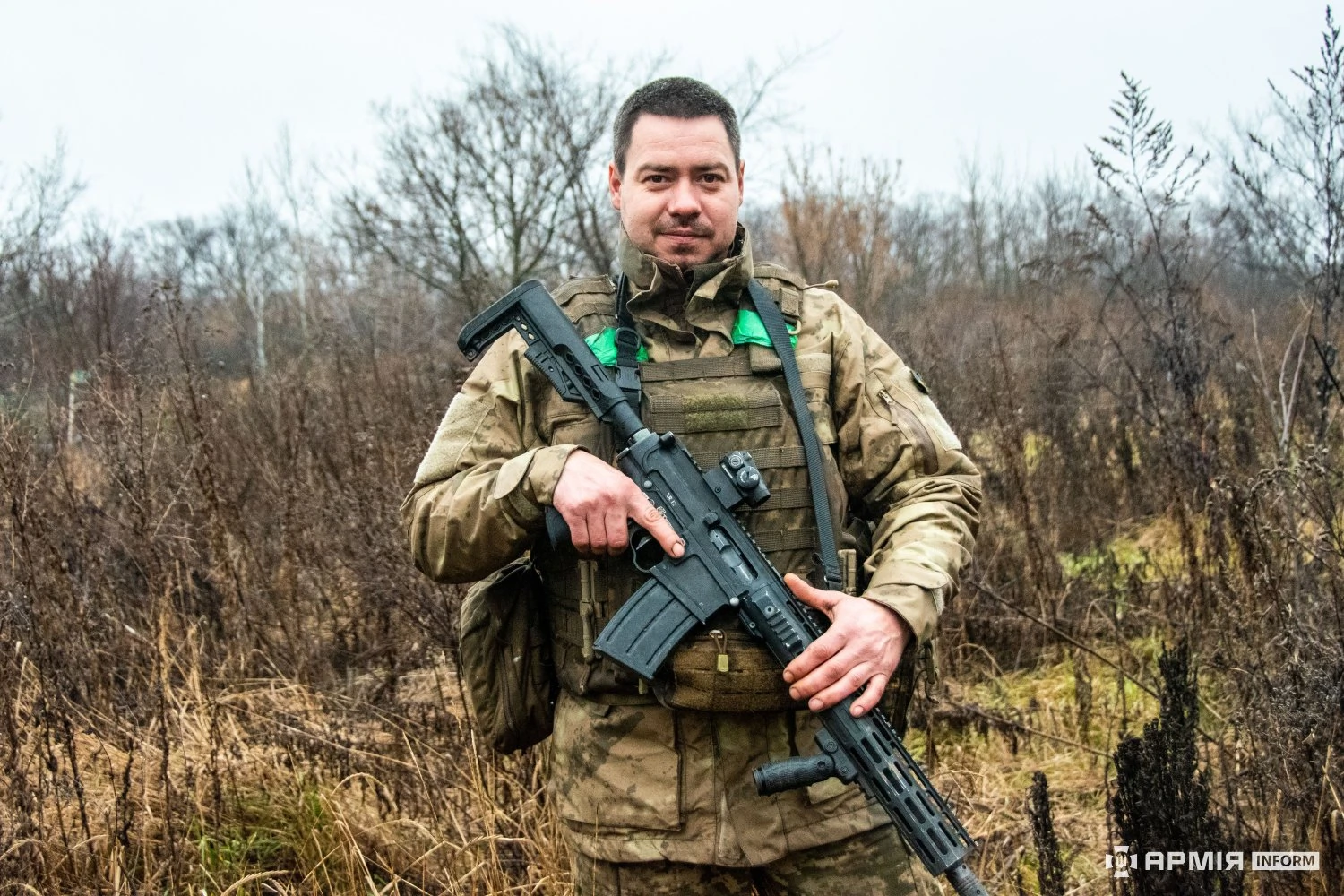
The situation changed around May 2025, when the occupiers began not only cutting logistics and searching for shelters of Ukrainian defenders, but also organizing a kind of safari against individual fighters.
“In spring everything was still okay — you could relatively calmly drive in and move around the city. But by summer it started: if not a regular FPV, then a fiber-optic one; if not barrel artillery, then MLRS. If they spotted a base location, you had to move immediately — because they would keep hitting until everything was destroyed”, — “Grinch” recounts.
During one such incident, the soldier himself came under attack by an FPV that tracked a building with EW equipment and eventually burned it down with several drone strikes. Then the enemy tried to hunt the soldiers themselves.
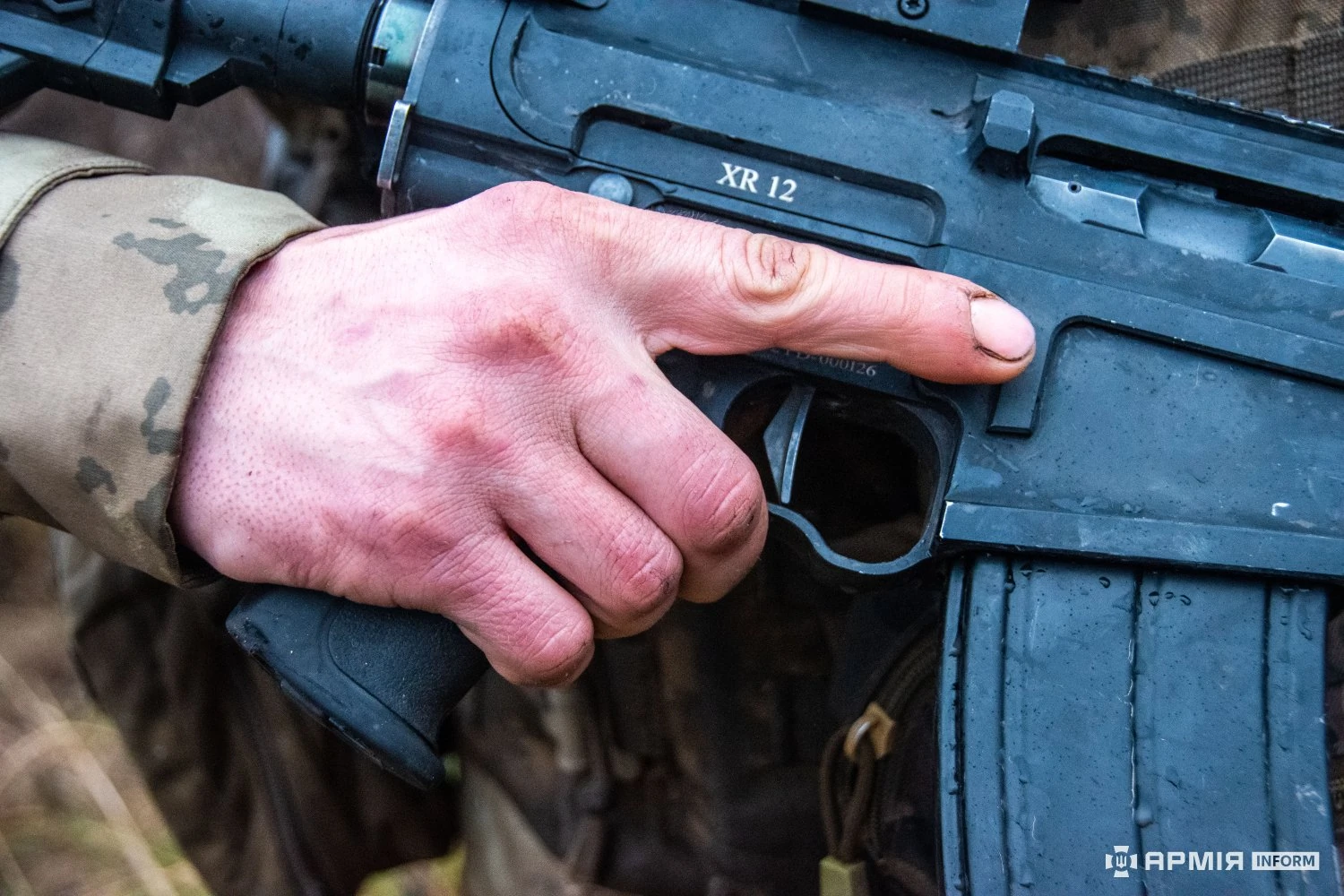
“They were supposed to pick us up, I ran to the garage to the vehicle — and the tire was flat. I took out the spare and the jack. I started changing it and hear an FPV making a circle over the garage, then a second circle, and flying off to enter inside. I barely managed to jump out before the explosion. I ran through bushes to the guys like I had never run before”, — Ivan recalls.
Everyone escaped with partially lost equipment but unharmed. That is the main thing, he emphasizes, because any machinery can be replaced, but human life cannot be restored.
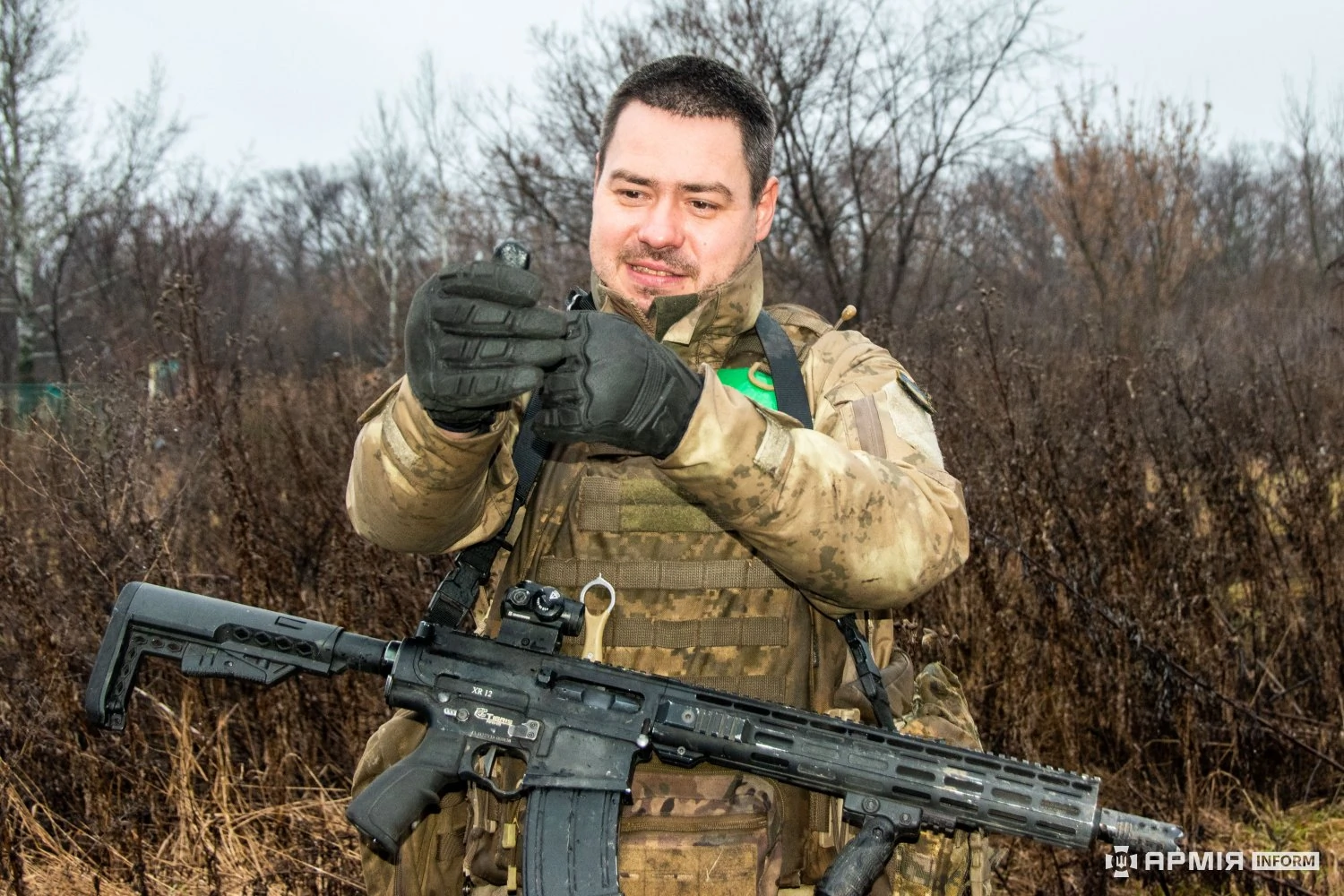
However, alongside dangerous and even tragic stories, the EW specialists in Pokrovsk also experienced comical situations. Once, they had to set up a position using only improvised means, and to cut an opening in a solid roof, they had to use ordinary multitools.
“When we first arrived at the position, we lacked experience — we didn’t take the necessary tools. Now we’re experienced and carry everything with us. But back then, the only tools we had were multitools. And with those multitools, with tiny blades and saws, the guys ‘gnawed’ a hole in the roof and installed the equipment”, — “Grinch” laughs.
However, after smiling, he immediately becomes serious and explains that the lives of infantrymen depended on the successful installation of the equipment, which had to cover them from enemy drones at all costs. And there it didn’t matter if you had multitools — you would have clawed through the roof with your fingernails if only to complete the task in time.
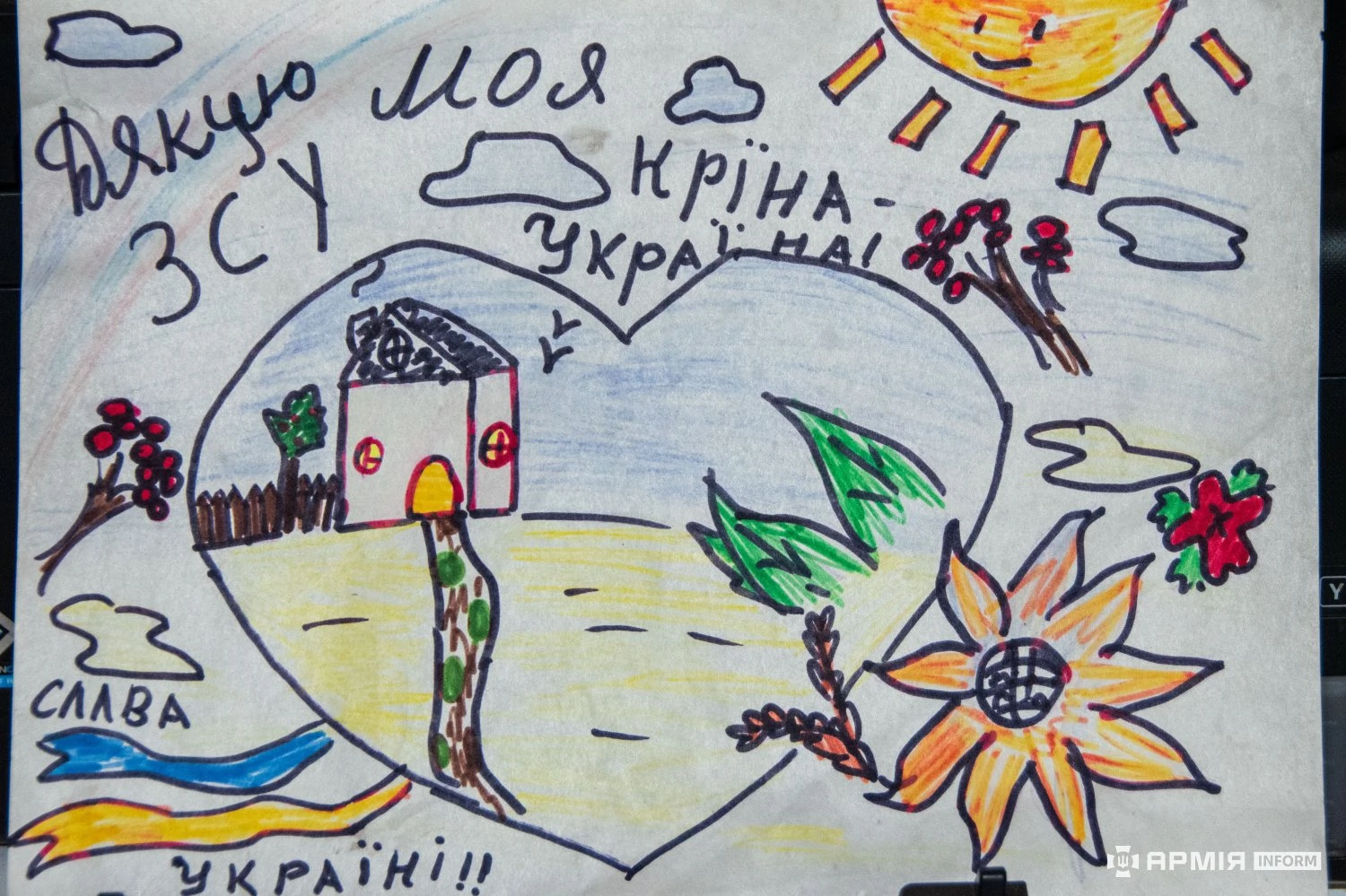
“That incident taught us a lot. Now we plan everything in advance and go on missions with everything necessary so that in an hour and a half, at most two hours, we can fully deploy all systems. We try to do it as quickly as possible, because there are no other options — everything is done at a run”, — the soldier explains.
The EW specialist notes that much depends on thorough reconnaissance and competent planning — if everything is done properly, it is possible to set everything up in an hour. When everyone clearly knows their role and sequence of actions, everything works out in the best possible way.
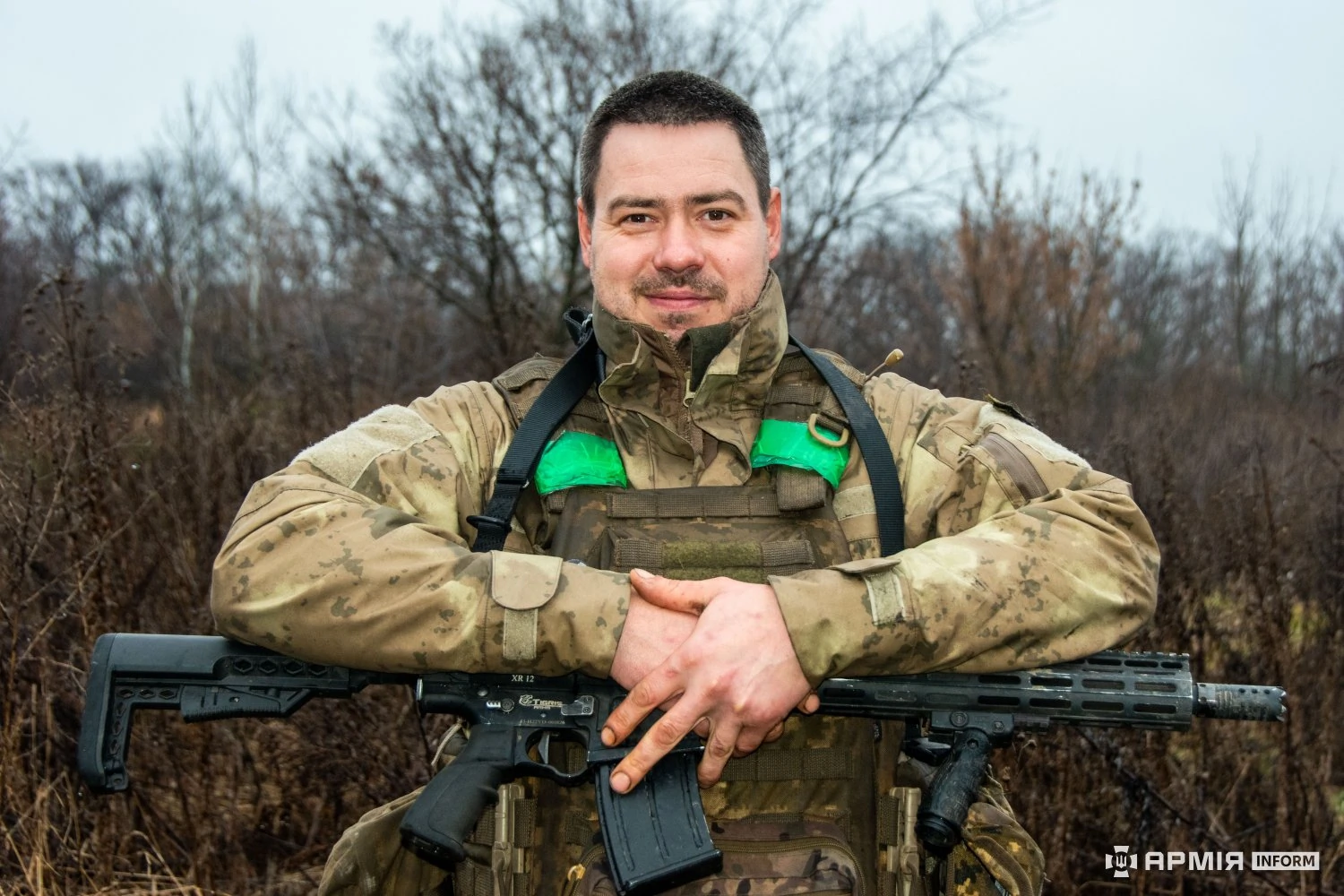
Under the current conditions of drone warfare and the dominance of enemy FPVs on the front line, an enormous amount depends on the coordinated, high-quality operation of electronic warfare systems. That is why “Grinch”, together with his comrades, remains on combat duty regardless of holidays — both at Christmas and on New Year’s Eve.
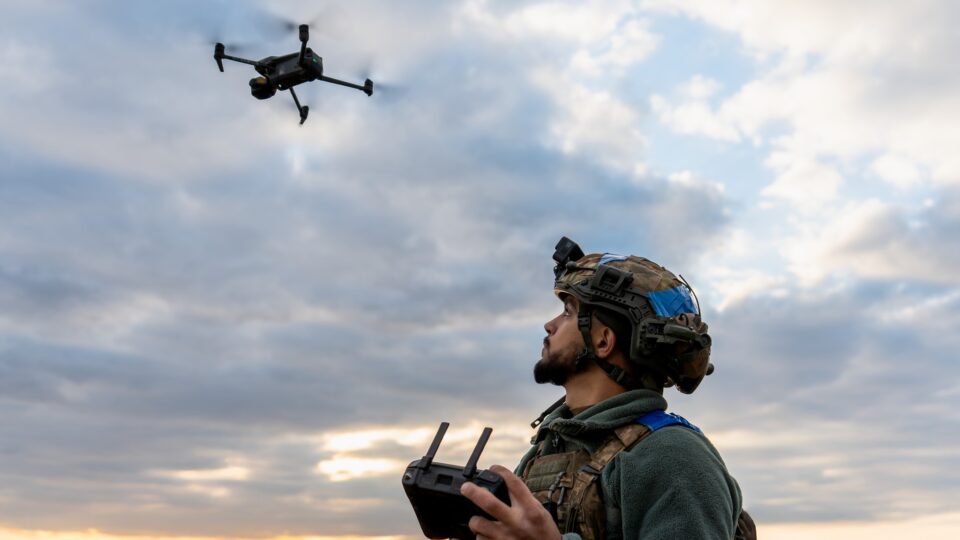
Over the past day, units of the Unmanned Systems Forces grouping struck or destroyed 1,209 enemy targets.
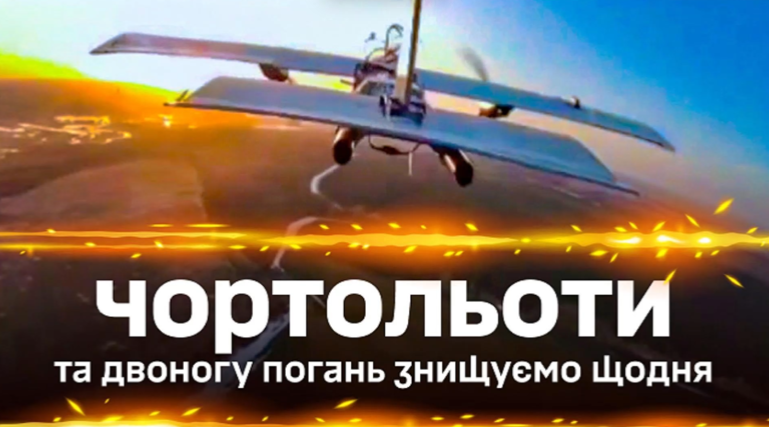
Drone units of the Joint Forces’ Iron Brigade are continuously destroying enemy UAVs (“chortolyoty”) and personnel.

On the night of March 20, the enemy attacked with 156 strike UAVs, including Shahed-type drones, “Gerbera”, “Italmas”, and other types.
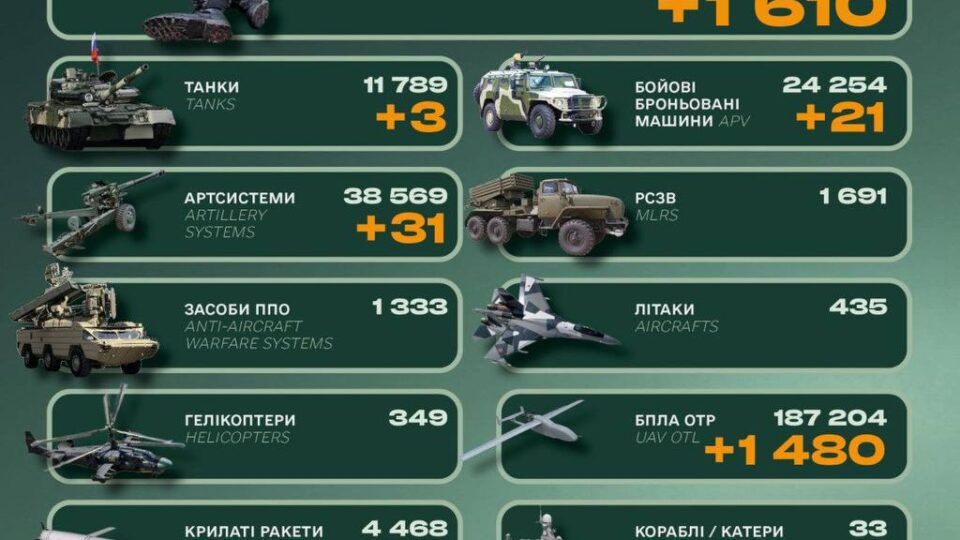
Over the past day, Russian occupation forces lost 1,610 personnel on the battlefield.

A UAV operator of the “Typhoon” unmanned systems unit with the callsign “Nimets” can strike the enemy even blindly.
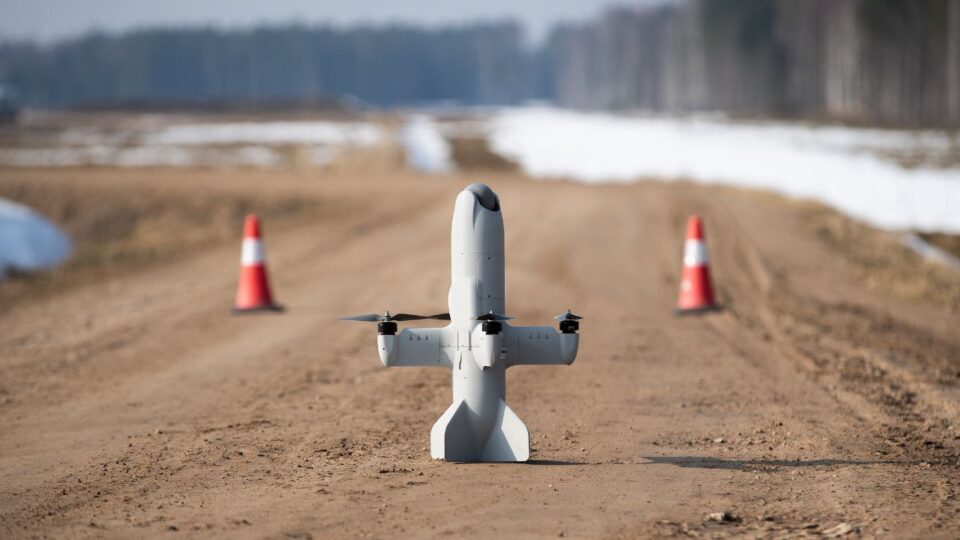
The first cycle of testing, evaluation, verification, and validation of unmanned aerial systems took place at NATO’s innovation range for unmanned systems.
The international delegation, headed by Ana Lucía Bueno, ICRC Public Health Coordinator, and Sujit Panda, Head of the Physical Rehabilitation…