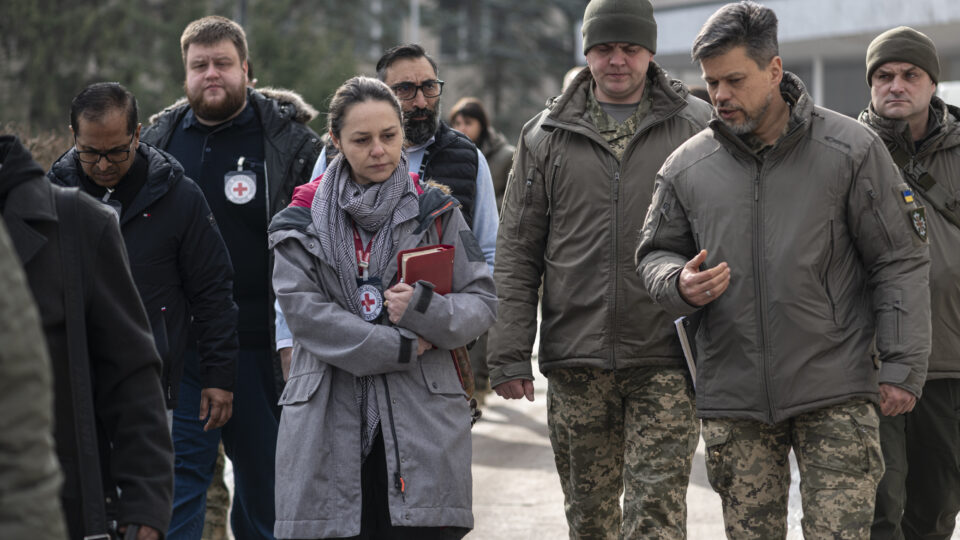
The international delegation, headed by Ana Lucía Bueno, ICRC Public Health Coordinator, and Sujit Panda, Head of the Physical Rehabilitation…

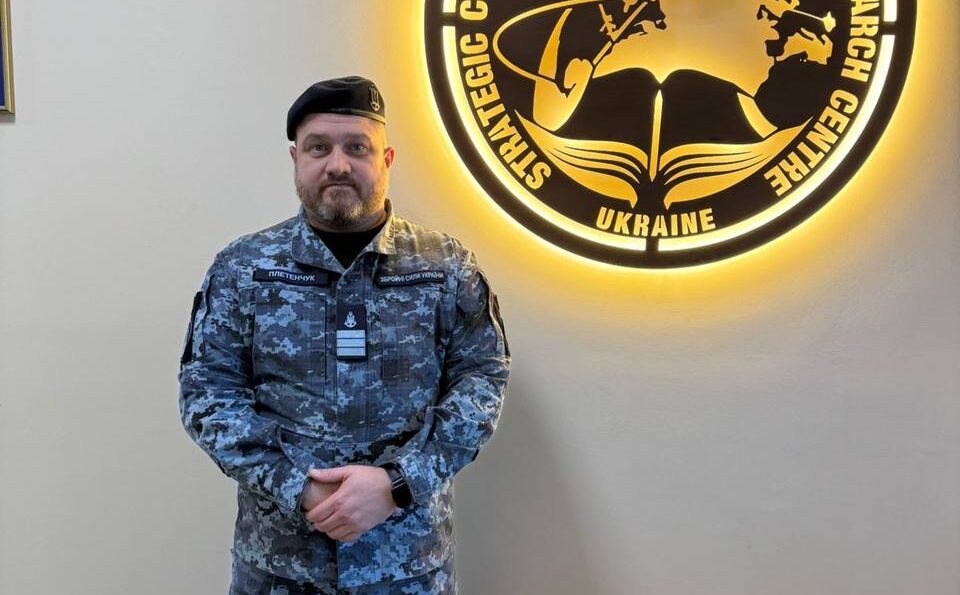
There are no Russian warships or submarines present in the waters of the Black Sea and the Sea of Azov.
This was stated on the air of the national telethon United News by the spokesperson of the Naval Forces of the Armed Forces of Ukraine, Dmytro Pletenchuk.
“At present, it is empty in terms of the presence of Russian ships or submarines. As you can see, the tactics here also remain unchanged. Even now, having only two submarines left in service that are cruise missile carriers, they still try to use them, albeit not as often. But, in principle, the reason is quite banal — it is, of course, equipment wear and tear. It is impossible to operate it endlessly, and there are also fears of being struck”, — he said.
According to him, the prospects for the Black Sea Fleet are not improving.
As Dmytro Pletenchuk noted, when it comes to repairs in Novorossiysk, the Russians have only purely technical capabilities.
“The problem is different. If you put something into a dock, you turn a mobile object into a stationary one. Accordingly, you turn a moving target, which is harder to hit, into a stationary one — one that, of course, it would be strange not to hit. And they know this perfectly well. That is why properly stopping somewhere for repairs is a problem for them. And not only in Crimea, but, of course, along the entire coast of the Black Sea and the Sea of Azov”, — he explained.
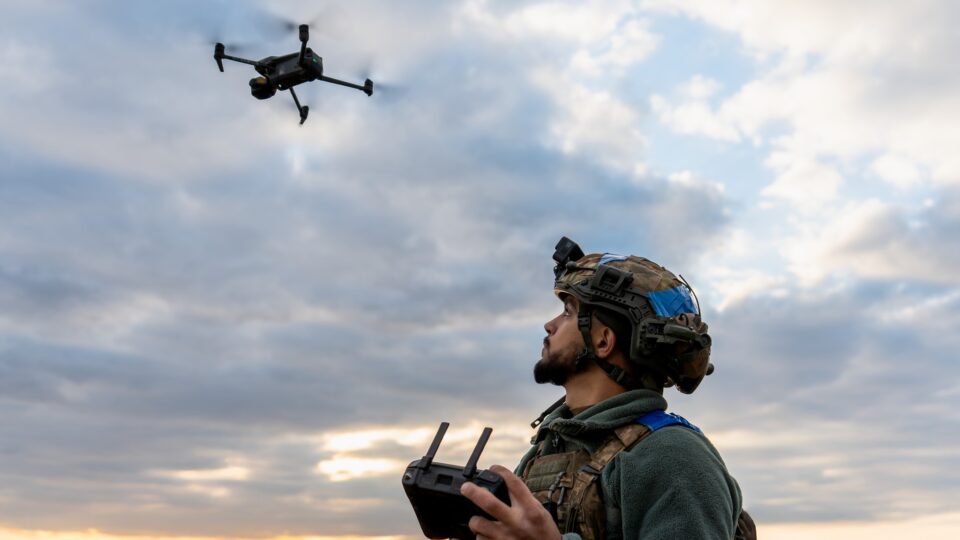
Over the past day, units of the Unmanned Systems Forces grouping struck or destroyed 1,209 enemy targets.
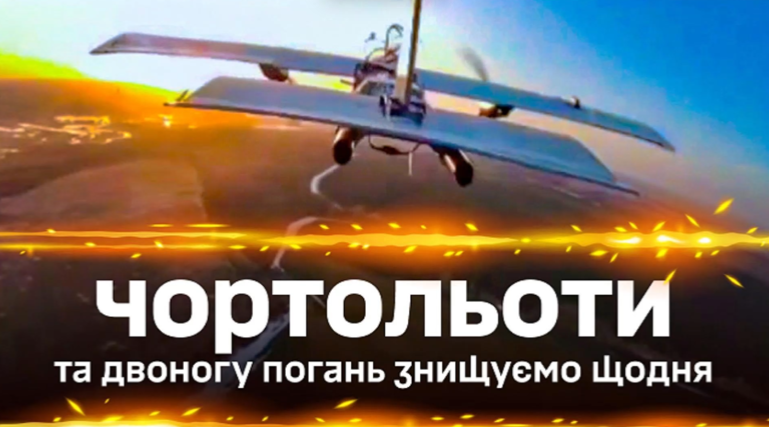
Drone units of the Joint Forces’ Iron Brigade are continuously destroying enemy UAVs (“chortolyoty”) and personnel.

On the night of March 20, the enemy attacked with 156 strike UAVs, including Shahed-type drones, “Gerbera”, “Italmas”, and other types.
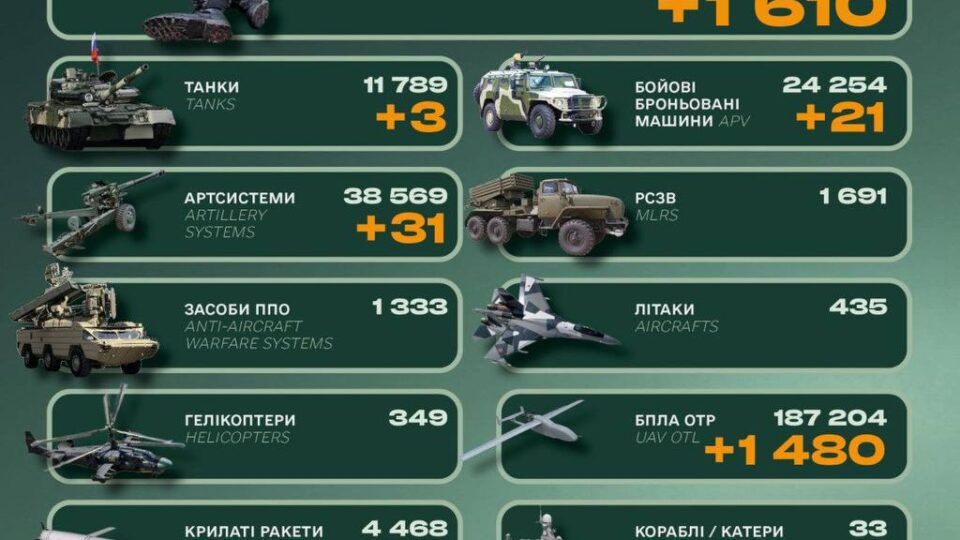
Over the past day, Russian occupation forces lost 1,610 personnel on the battlefield.

A UAV operator of the “Typhoon” unmanned systems unit with the callsign “Nimets” can strike the enemy even blindly.
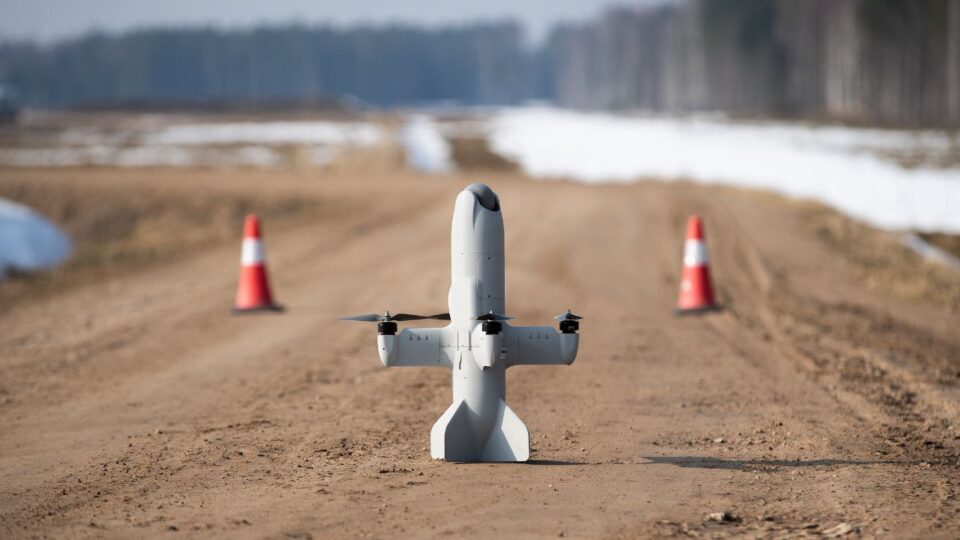
The first cycle of testing, evaluation, verification, and validation of unmanned aerial systems took place at NATO’s innovation range for unmanned systems.
The international delegation, headed by Ana Lucía Bueno, ICRC Public Health Coordinator, and Sujit Panda, Head of the Physical Rehabilitation…