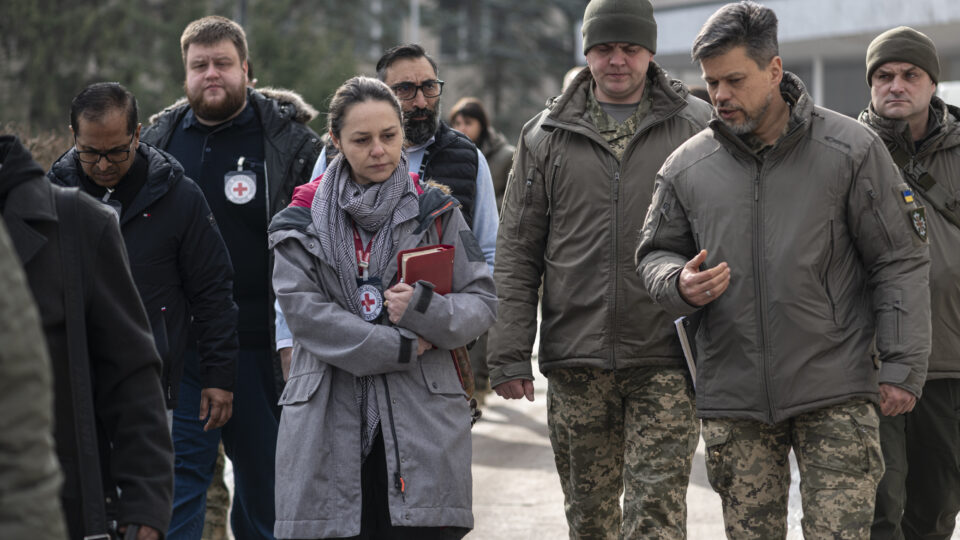
The international delegation, headed by Ana Lucía Bueno, ICRC Public Health Coordinator, and Sujit Panda, Head of the Physical Rehabilitation…

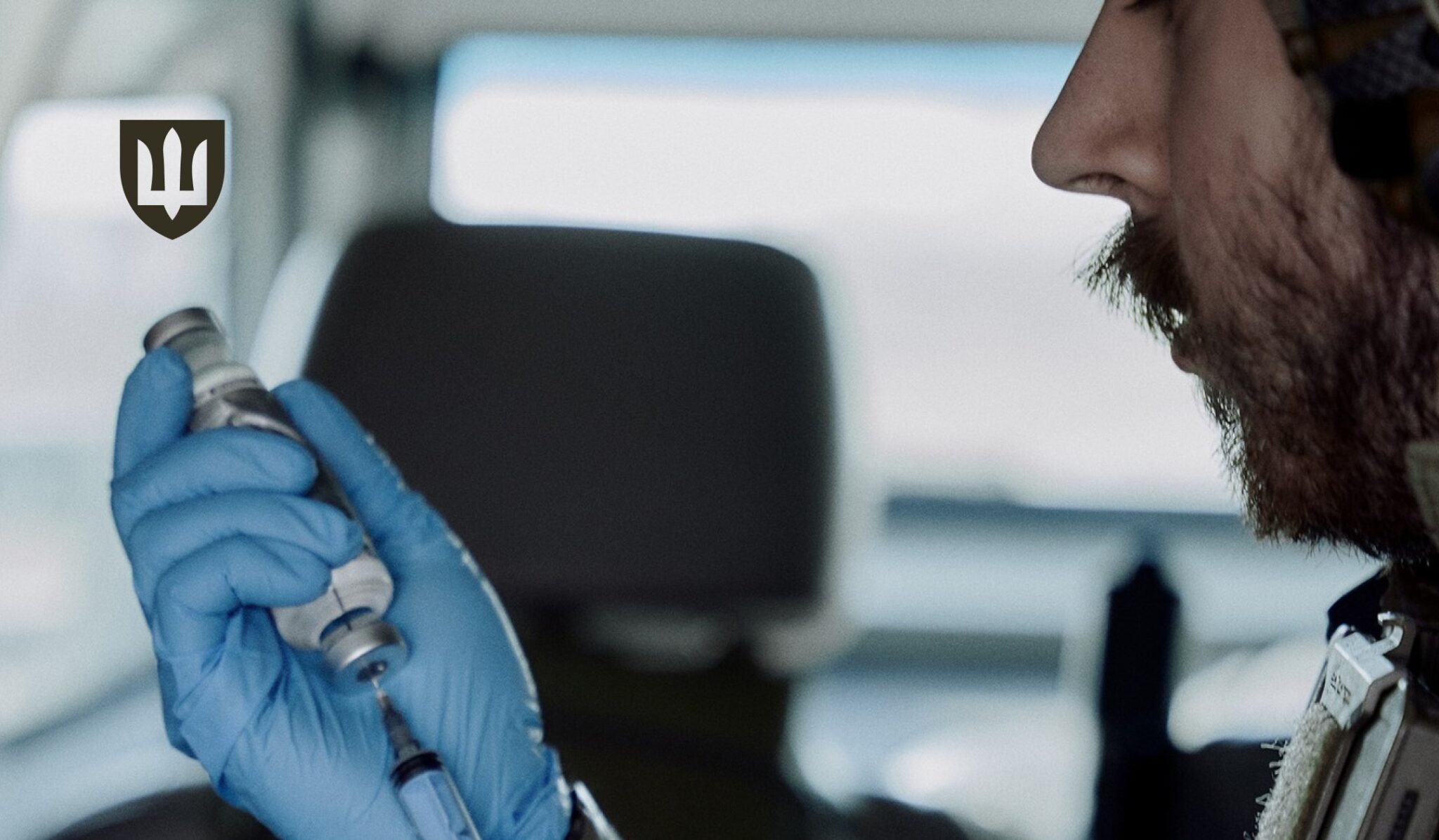
Since February 2025, the Armed Forces of Ukraine have introduced an electronic Primary Medical Card (ePMC), Form №. 001/o, as well as a Casualty Card, Form №. 002/o. This is not merely a shift from paper to digital format, but a transition of Ukraine’s military medicine to NATO standards, the creation of an evidence-based system for the treatment of combat injuries, and the provision of social justice for defenders.
This was reported on the website of the Ministry of Defense of Ukraine.
For decades, the main accounting document in military medicine remained the paper “Form 100”.
During intense combat operations, such documents were often lost, damaged, or contained incomplete data, leading to a number of problems:
The system is based on the use of two documents that accompany a serviceman from the moment of injury to the rear hospital.
Casualty Card (Form №. 002/o).
This document is filled out directly during the provision of care under fire or in the nearest shelter.
The Casualty Card is the primary source of information — data from it are later entered into the electronic system.
Primary Medical Card (Form №. 001/o)
This is a medical document confirming the fact of care provided at the pre-hospital stage. It is maintained in the Medical Information System of the Armed Forces of Ukraine (MIS AFU), and in paper form if there is no technical capability.
The data of the ePMC have a high level of protection against unauthorized access:
The introduction of the Primary Medical Card and the Casualty Card creates a unified information environment in which data directly serve to save lives.
First and foremost, this reduces the risk of medical errors. At the next stage of evacuation, a doctor receives information within seconds about medications already administered, possible allergies, or blood type — even if the patient is unconscious.
At the same time, the system also performs a legal function: a record made in real time is indisputable proof of injury sustained while performing a combat mission, significantly simplifying the passage of the Military Medical Commission and the receipt of state benefits.
For medics at all levels, it is a tool that reduces paperwork and allows them to focus on what matters most — saving lives. Instead of filling out numerous forms, the doctor works in a unified digital interface.
This is how the principle of continuity of care is implemented: each evacuation stage logically continues the previous one, relying on accurate data rather than assumptions.
At the systemic level, the ePMC makes it possible to accumulate and analyze information about the nature of modern combat injuries. This will allow the state to improve treatment protocols, adapt NATO standards to the conditions of a full-scale high-intensity war, and optimize procurement by determining which means — tourniquets, occlusive dressings, or medications — have demonstrated the greatest effectiveness in real combat conditions.
The introduction of the ePMC is a transition from paper records to digital life-saving medicine: the ability to save lives today through data accuracy and to change medicine tomorrow through deep analysis of the experience of this war.
@armyinformcomua
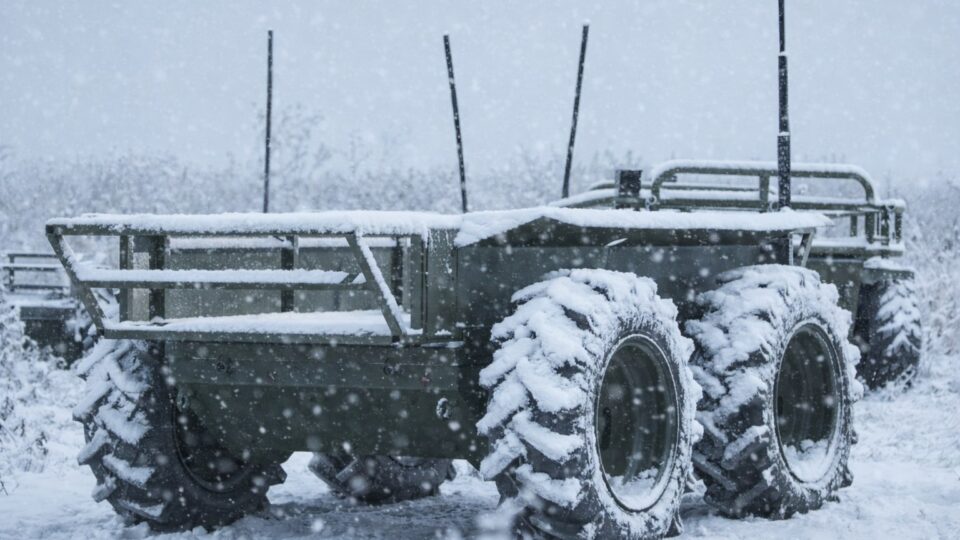
As a result of an enemy mine explosion, the soldier suffered a partial amputation of his lower limb. The wounded man could not move on his own, so the “Bizon” g
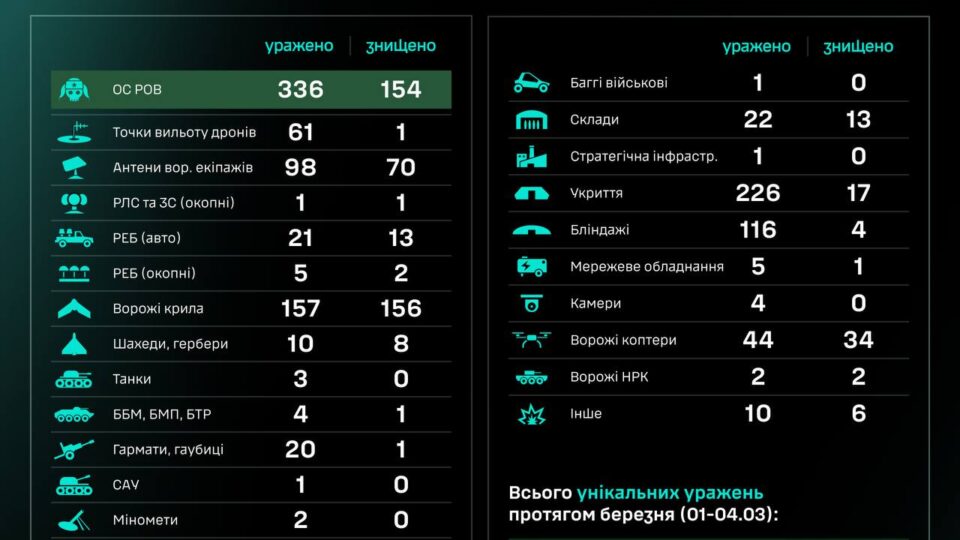
During the day, units of the Unmanned Systems Forces grouping struck or destroyed 1,281 enemy targets.
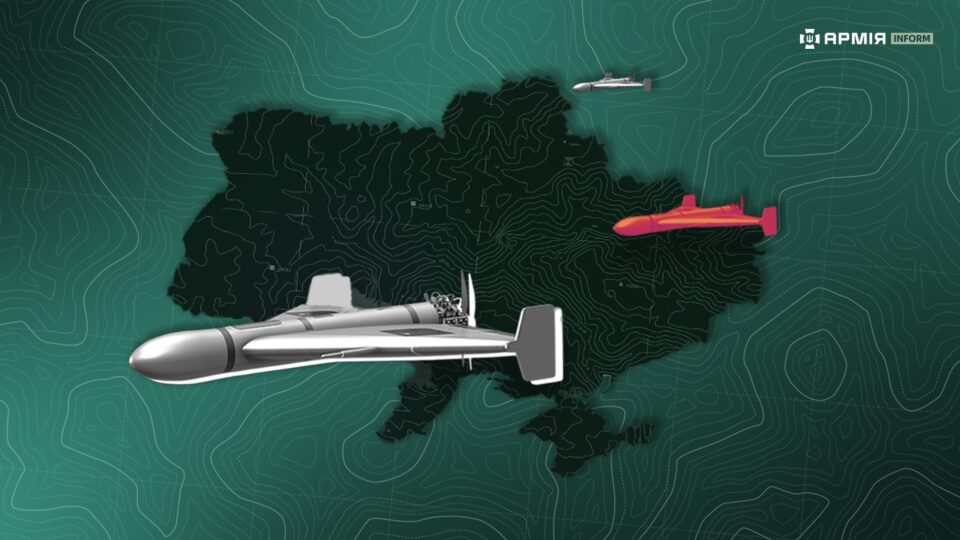
On the night of March 5 the enemy attacked with 155 strike UAVs of the Shahed, Gerbera, Italmas types and other types of drones, about 100 of them being Shaheds

Over the past day, the army of the aggressor country lost 900 personnel, four tanks and 41 artillery systems.

During December, January and February, fighters of the Unmanned Systems Forces struck 54 enemy SAM systems and radars.

Volodymyr Zelenskyy held a meeting on the challenges for Ukraine and partners, as well as on our ability to help protect lives and stabilize the global market.
The international delegation, headed by Ana Lucía Bueno, ICRC Public Health Coordinator, and Sujit Panda, Head of the Physical Rehabilitation…