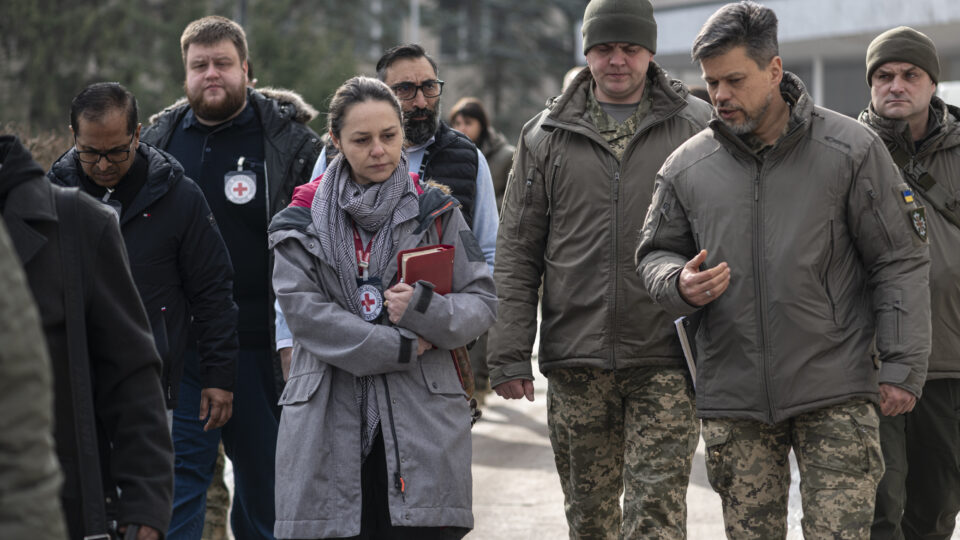
The international delegation, headed by Ana Lucía Bueno, ICRC Public Health Coordinator, and Sujit Panda, Head of the Physical Rehabilitation…

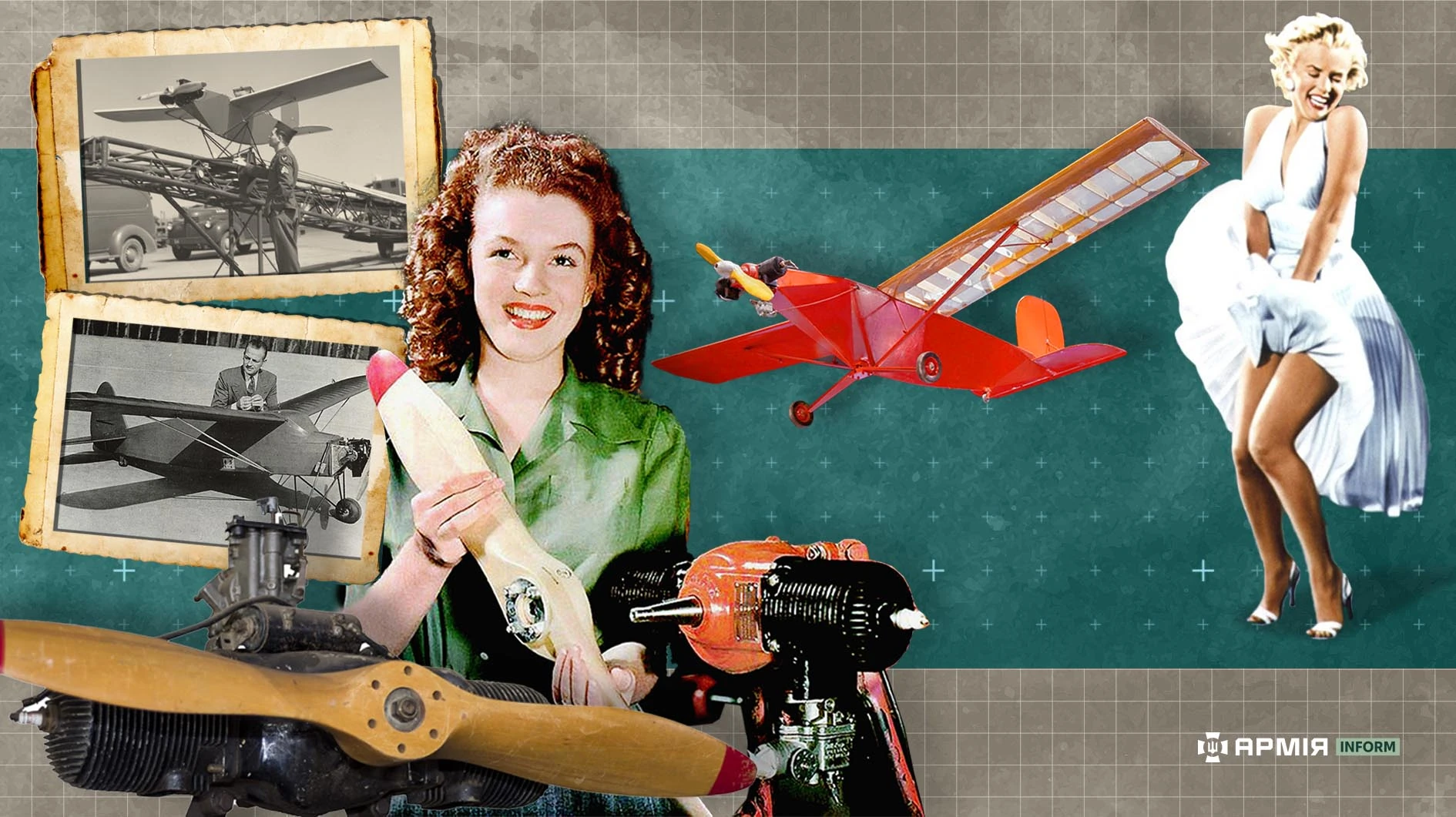
Drones, UAVs, and other unmanned systems may seem like ultra-modern innovations. However, in reality, humanity began using such flying machines much earlier.
In the past, flying drones were used successfully — and sometimes not so successfully — not only during wars but also in entirely peaceful fields. At times, unmanned aircraft even played a completely unexpected role in history.
Thus, the successful career of one of the most famous Hollywood and global film industry superstars, now known as Marilyn Monroe, began precisely with a photograph featuring an unmanned aerial vehicle.
ArmyInform tells the story — well known in the United States and almost unknown in Ukraine — of a photograph of Norma Jeane Baker, who later adopted a legendary pseudonym.

In 1944, during World War II, 18-year-old Norma Jeane Baker (who at that time bore the surname Dougherty due to marriage) worked at the Radioplane Company military plant in Van Nuys, California.
The plant specialized in the production of radio-controlled aircraft for the U.S. Army. The company was founded by actor and aviator Reginald Denny, who had been fascinated by unmanned aircraft since as early as the 1930s.
Reginald Denny’s developments attracted the interest of the military, and in 1940 the Army ordered the first batch of target drones from his company for training purposes. It was these unmanned aerial vehicles that the future Marilyn Monroe helped manufacture at the Radioplane plant.
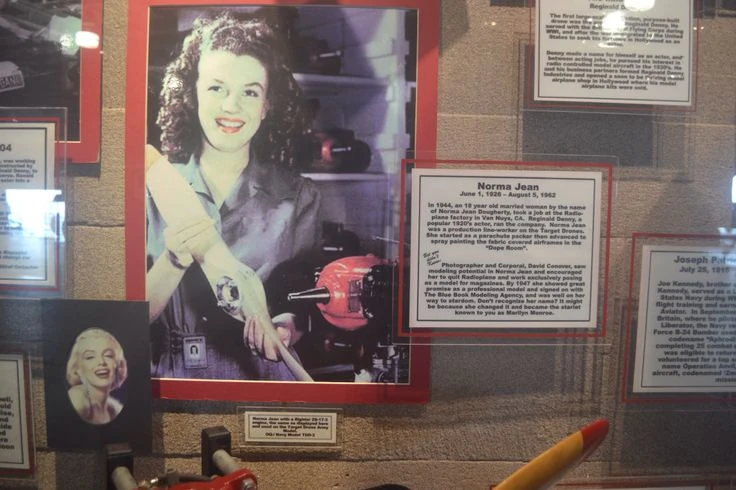
At the drone assembly line, Norma Jeane performed various operations — assembling UAV wings and fuselages on the production line, painting drone parts and airframes, and coating parachutes used for drone landings with a fire-resistant solution.
The work was physically demanding and monotonous — typical conveyor-belt production involving numerous routine manual operations performed according to a clearly defined algorithm.
Norma Jeane also participated in quality control, inspecting components and finished assemblies of the aircraft. As a quality control department employee, she checked whether mechanisms were properly assembled and whether there were any defects.
Her primary task was inspecting parachutes for proper impregnation with fire-resistant compounds and for functionality, as safe landing of the flying target after training shoots depended on this.
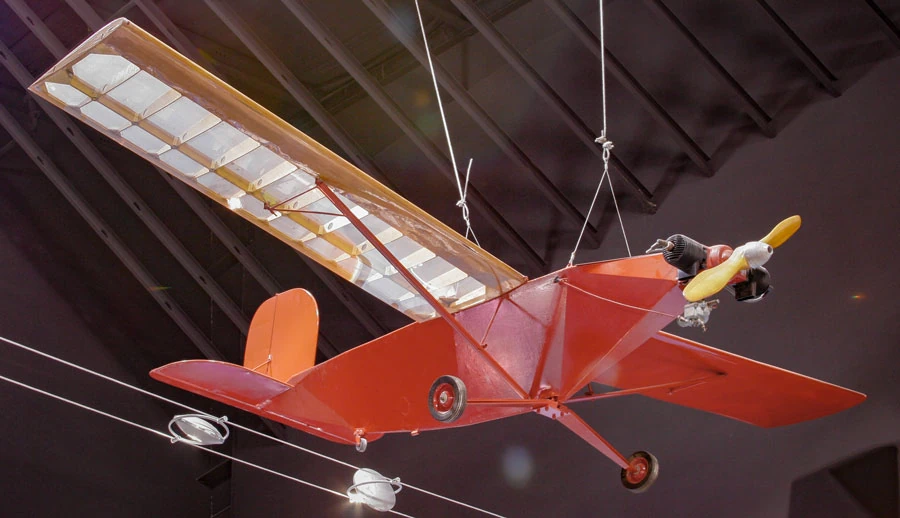
The Radioplane plant produced OQ-2, OQ-3, and OQ-14 unmanned aerial vehicles designed for training anti-aircraft gunners. Essentially, these were radio-controlled UAVs used as aerial targets.
The purpose of these drones was to train soldiers to hit moving aerial targets. They were also used to calibrate air defense systems and train operators of anti-aircraft artillery systems.
The Radioplane OQ-2 (also known as RP-2/RP-5) became one of the first mass-produced military drones in the United States. Its development began in the late 1930s on the initiative of Reginald Denny, and after successful demonstrations, the Army placed a large order for these aircraft in 1941.
The Radioplane OQ-2 drone was a small aircraft. Its wingspan was about 3.7 meters, its length approximately 2.7 meters, and its weight about 45–50 kg. The UAV was equipped with a two-cylinder, two-stroke Righter O-15 gasoline engine producing 6–7 horsepower, which drove two propellers.

The drone was launched using a catapult, and after completing its mission, it descended to the ground by parachute. The OQ-2 had no landing gear, except for early Army modifications where wheels were used only to soften the impact upon landing.
The radio control system developed by Bendix allowed the operator to remotely control the target’s flight during training exercises. During the war, Radioplane produced approximately 15,000 drones of various modifications.
Radioplane drones were ordered by both the U.S. Army and the U.S. Navy. In naval service, they were designated TDD — Target Drone Denny, named in honor of the manufacturer Reginald Denny.
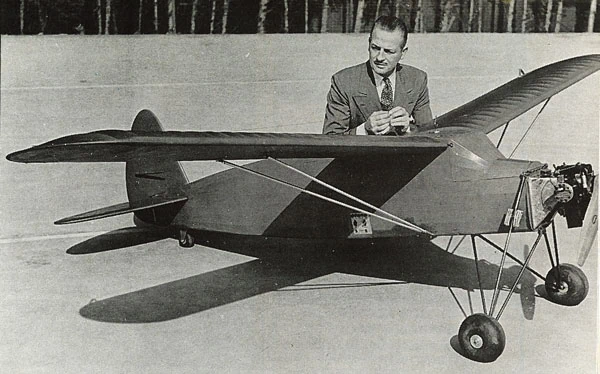
The next model was the Radioplane OQ-3 UAV, which had a similar design but was equipped with a more powerful 8-horsepower engine and could reach higher speeds of up to 160 km/h.
A further modification, the Radioplane OQ-14 (naval designation TDD-3), was developed closer to the end of the war and was also mass-produced. However, although tens of thousands of units were initially planned, actual production turned out to be lower than the military’s original expectations.
In the postwar years, experiments with drones continued based on these developments, and in 1952 the Radioplane Company was acquired by the aircraft manufacturer Northrop — the predecessor of today’s Northrop Grumman.
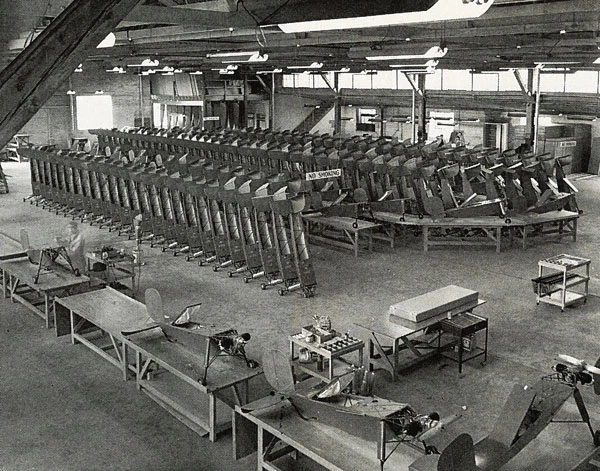
Norma Jeane worked 10 hours a day and earned about $20 per week. However, her main motivation was not money but the desire to contribute to the U.S. victory in World War II.
She did not want to leave the production line despite warnings from relatives, friends, and colleagues about possible harm to her health, skin, and hair from paint fumes and chemical solutions. Such concerns for the future actress’s health and beauty were frequent, as Norma had exceptionally attractive looks.
Once, at a factory picnic, Norma Jeane won a beauty contest, receiving a $50 war bond and earning the unofficial title of the company’s “queen”. Therefore, it was no surprise that she was chosen to become the face of the plant when the opportunity arose.
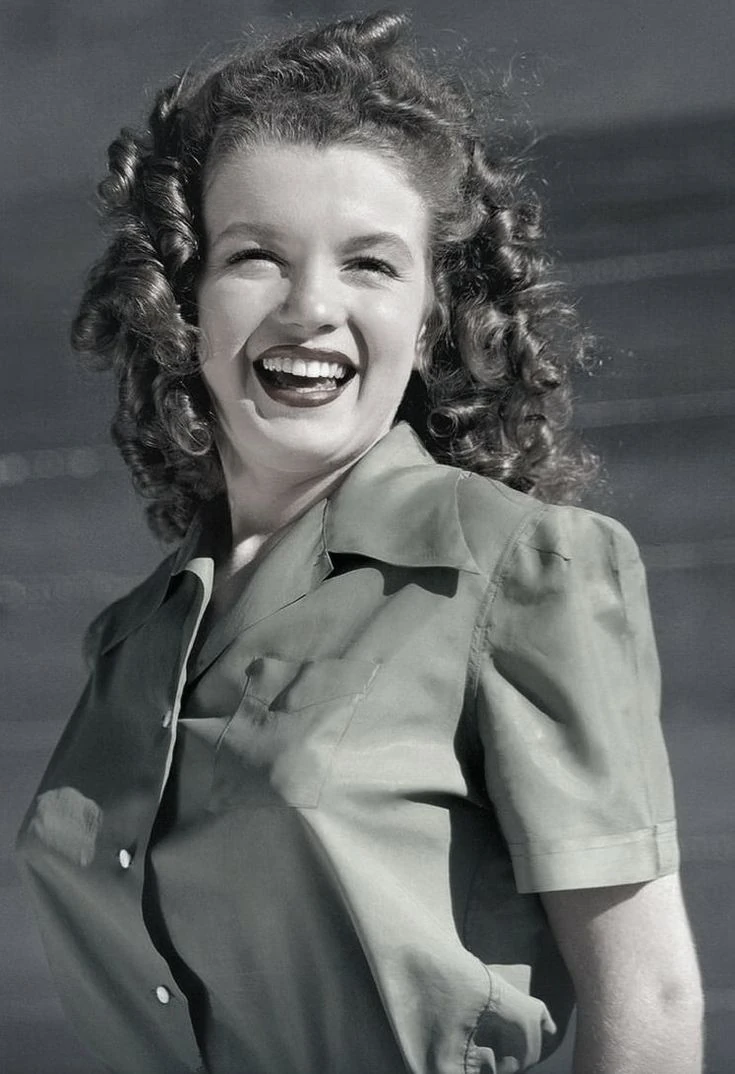
In June 1945, a group of military journalists arrived at the Radioplane plant to prepare a report on women working at military factories. Among them was Army photographer David Conover, who had been sent there by Captain Ronald Reagan — the future President of the United States.
At that time, Ronald Reagan served in the U.S. Army Air Forces’ First Motion Picture Unit in Hollywood, which produced propaganda films and photographs to support troop morale. He approved a campaign highlighting women’s contributions to victory and dispatched David Conover to take staged photographs of women at various military enterprises in California.
At the Radioplane plant, the photographer noticed an attractive 19-year-old brunette, Norma Jeane Dougherty, who was attaching a propeller to a small aircraft on the assembly line.
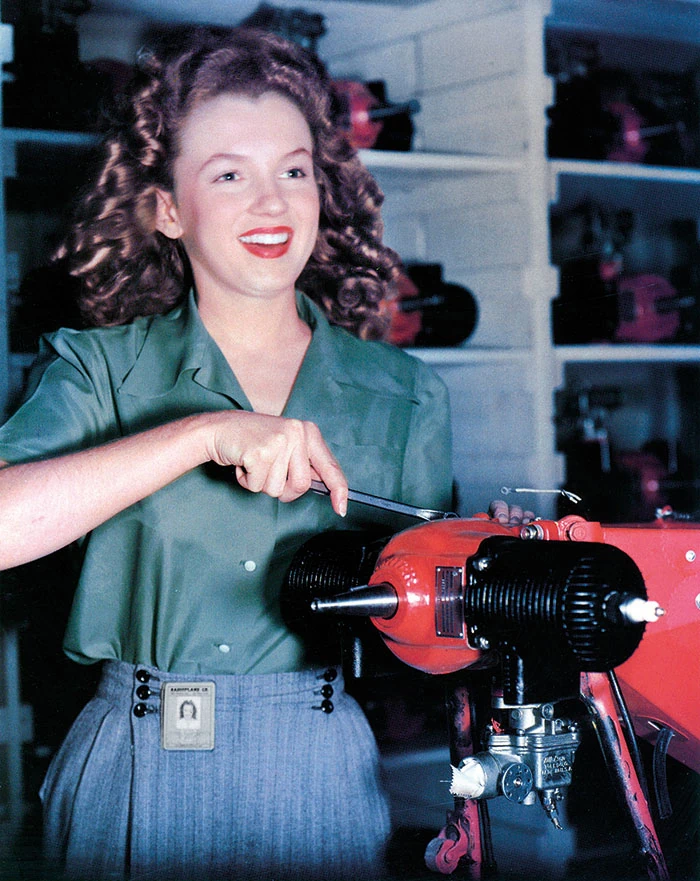
At the time, she was dressed in typical workwear — high-waisted fitted trousers and a shirt — and had not yet become the glamorous blonde the world would later know. However, this did not prevent the experienced reporter from immediately recognizing her photogenic qualities.
Later, David Conover recalled the “special radiant expression on her face” and her inner spark, which set Norma apart from other factory workers.
The photojournalist took a series of pictures showing Norma Jeane working with an unmanned aerial vehicle — in one photo, she is smiling while holding a large propeller from a Radioplane RP-5 drone.
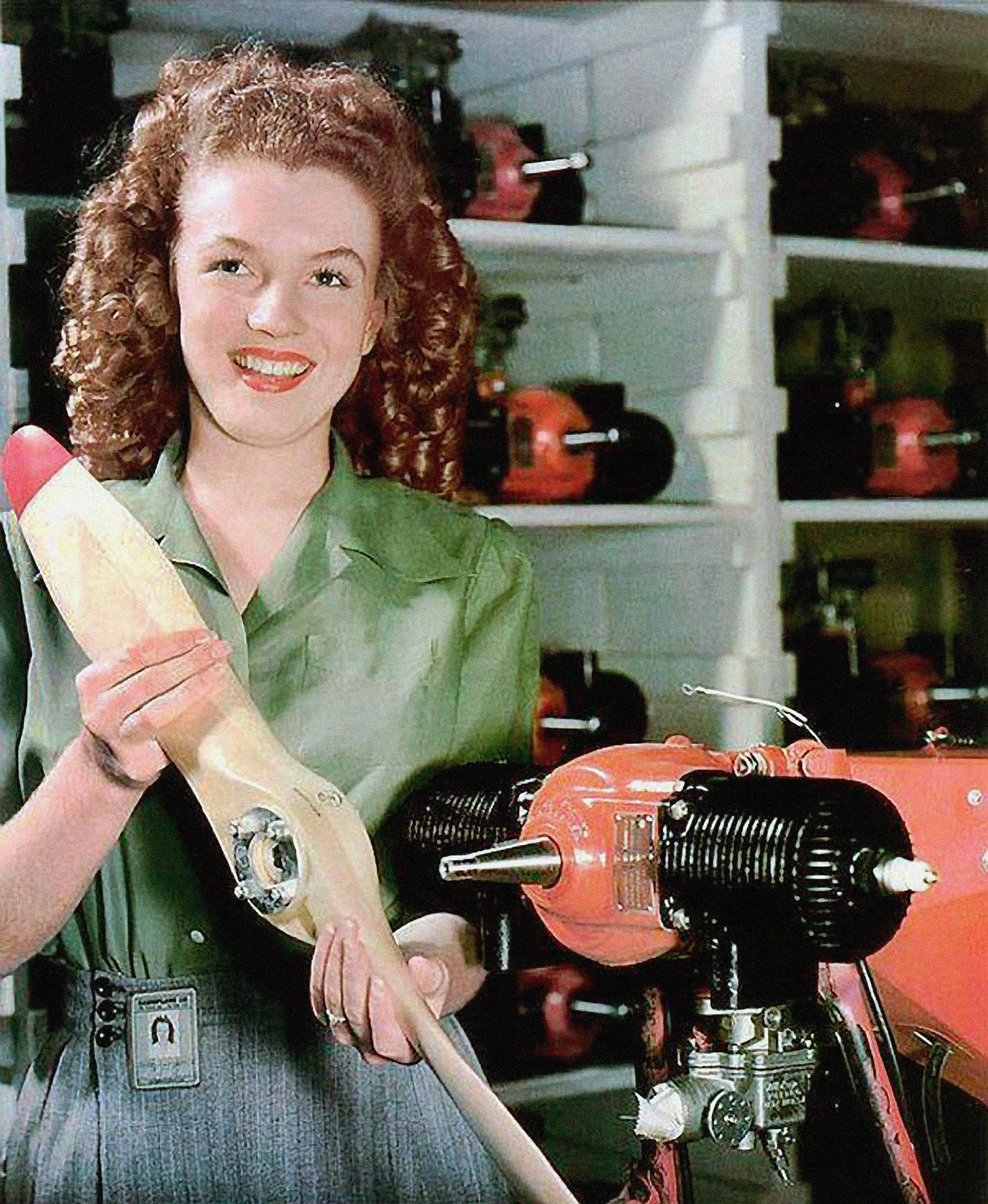
The UAV photographs became fate-changing for the beautiful woman, even though the photo shoot itself was never published. The images were likely intended for Yank, the Army Weekly magazine, but they were not used before the end of the war, and the negatives were later lost.
However, David Conover did not forget these photographs. Seeing great potential in the young woman, he persuaded her to try herself in modeling. As a result, by the end of 1945, Norma left her job at the factory and began working as a model.
At first, the future Marilyn Monroe posed for David Conover himself, and later she signed a contract with the Blue Book Modeling Agency. Her natural beauty and ability to perform in front of the camera quickly brought her success — already in 1946, her photos appeared simultaneously on the covers of several magazines.
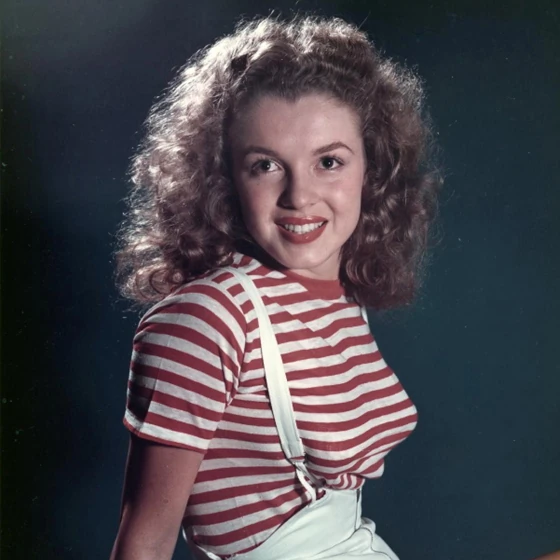
Norma Jeane’s success in the modeling world attracted the attention of film producers, and in 1946 she received her first contract with 20th Century Fox. That same year, she adopted the stage name Marilyn Monroe.
Gradually, the actress began receiving supporting roles in films. Although her initial short-term contracts with Fox and Columbia Pictures did not immediately make her a star, she did not give up and continued to refine her acting, singing, and dancing skills.
Within a few years, her perseverance paid off — Fox renewed her contract and began promoting her in more prominent projects. In the early 1950s, Marilyn Monroe became famous across America thanks to roles in hit films such as Gentlemen Prefer Blondes and Some Like It Hot, becoming one of the most well-known Hollywood actresses of her time.
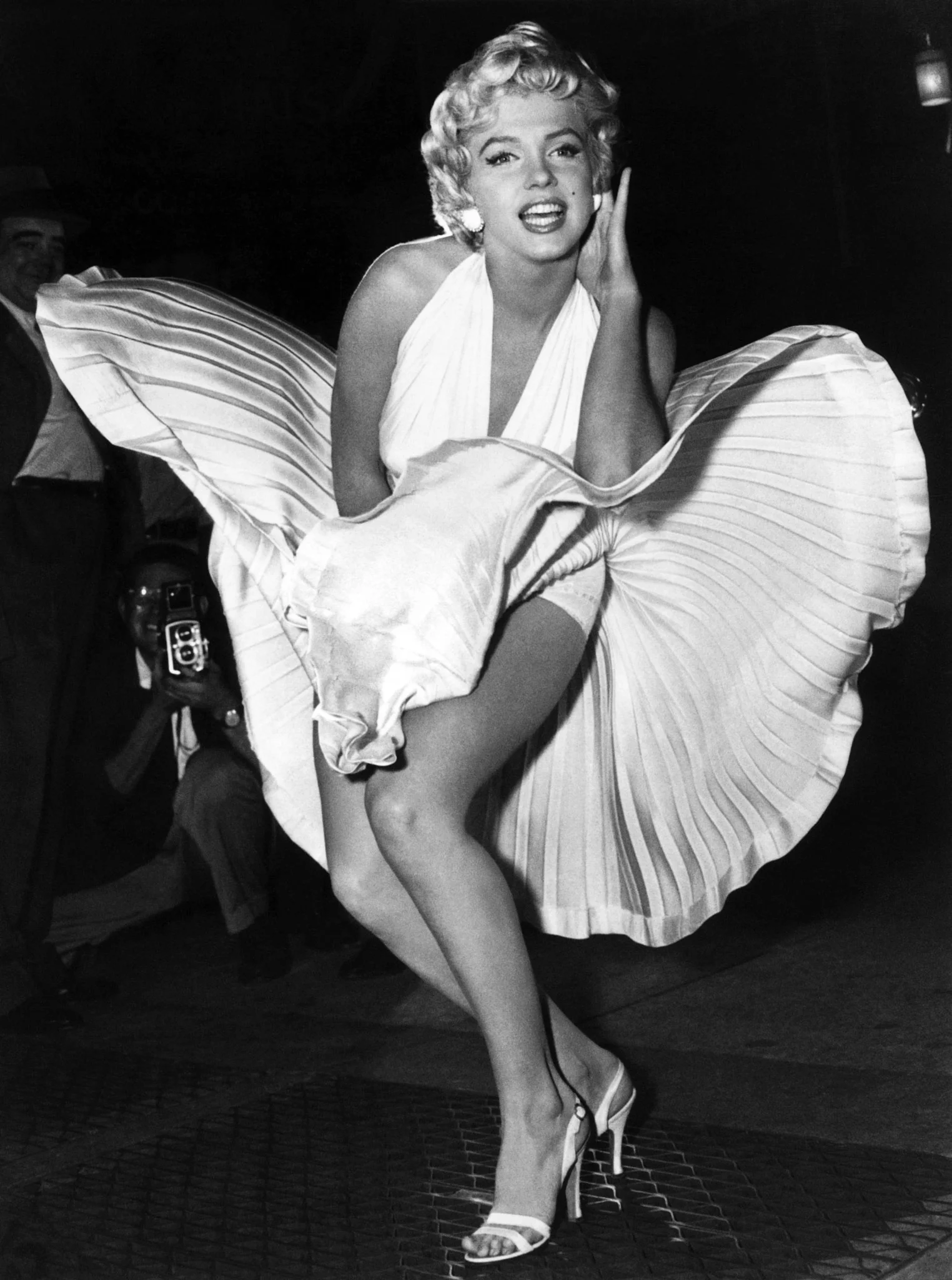
Thus, a chance photograph at a factory producing unmanned aerial vehicles radically changed Norma Jeane’s life, opening the path to worldwide fame as a Hollywood movie star.
Thanks to this, the story of Marilyn Monroe is forever linked to the history of UAV development, as one of the world’s first military drones — the Radioplane OQ-2 — gave impetus to the rise of her modeling and acting career.
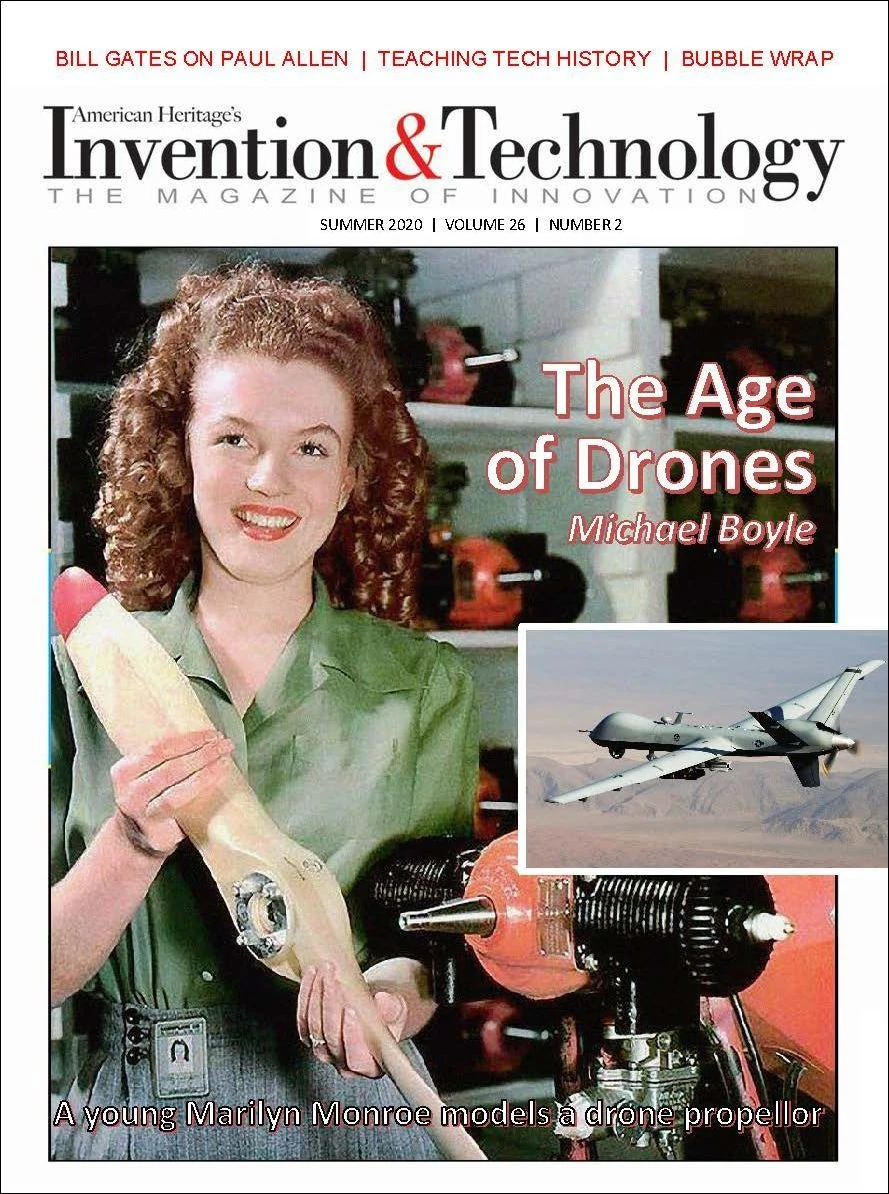
Today, these photographs have acquired historical value. For example, the famous photo of Norma Jeane holding a UAV propeller was featured on the cover of the Summer 2020 issue of Invention & Technology, dedicated to the history of drones.

The enemy is attempting to develop the production of naval drones and copy successful Ukrainian practices — both technical solutions and tactics.
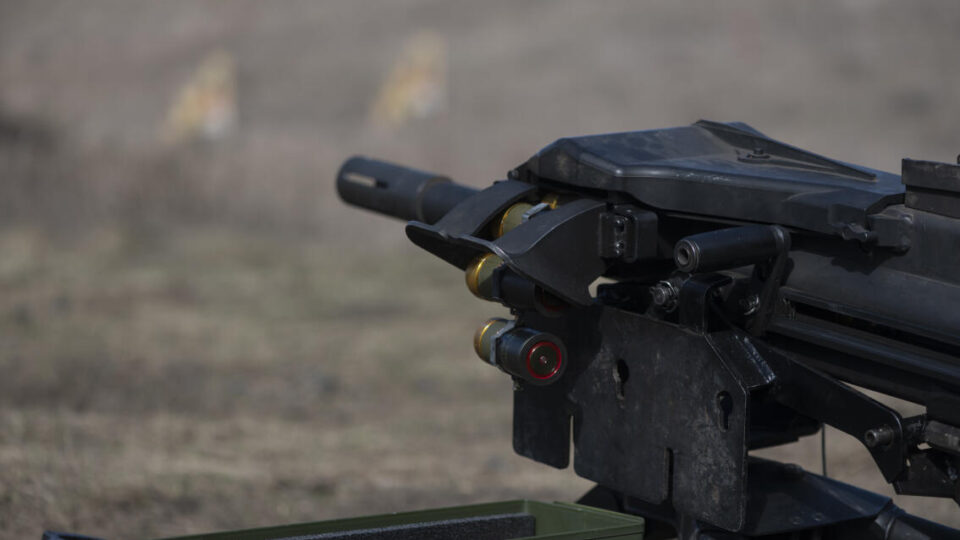
Fighting continues in the northern part of the city of Pokrovsk in the Pokrovsk direction. A mechanized assault was repelled there the day before.
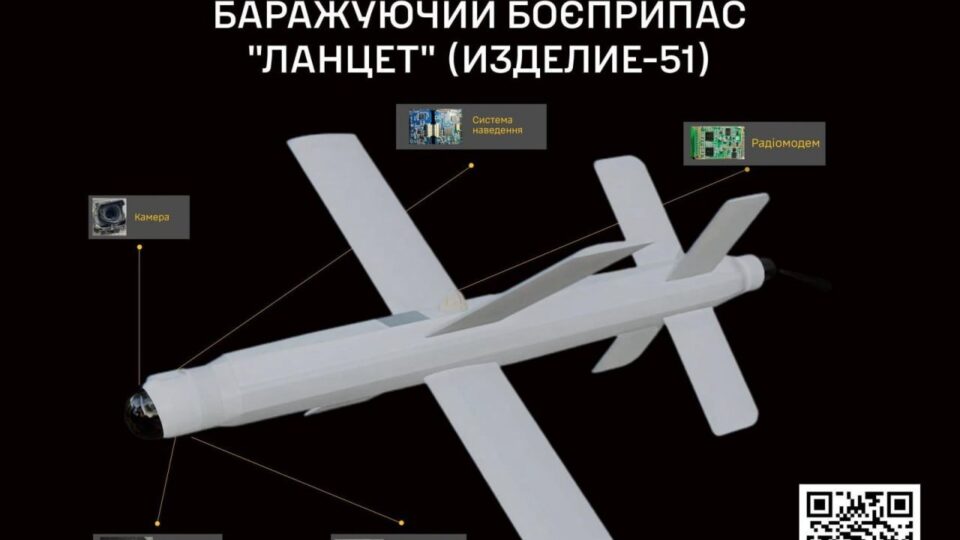
The Main Intelligence Directorate of the Ministry of Defense of Ukraine has published data on enterprises involved in the production of Russian loitering muniti

Another two-day round of negotiations between Ukraine and the United States concluded in Florida on March 22.
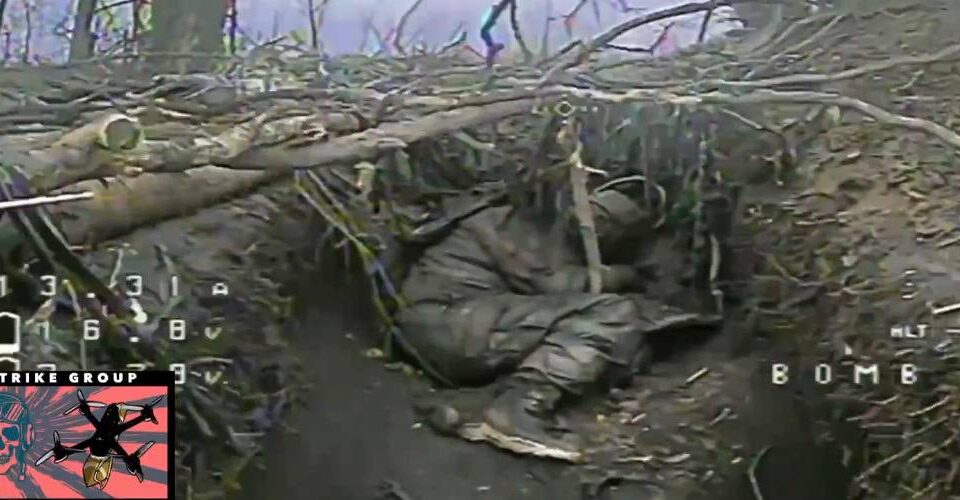
The enemy continues daily pressure and attempts to break through Ukrainian defenses in the Sloviansk direction.
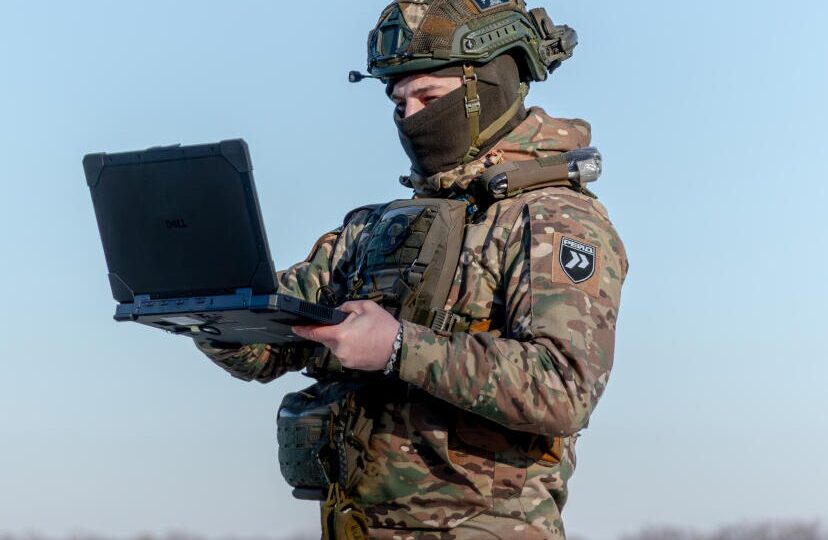
Over the past day, units of the Unmanned Systems Forces struck/destroyed 1,078 enemy targets.
The international delegation, headed by Ana Lucía Bueno, ICRC Public Health Coordinator, and Sujit Panda, Head of the Physical Rehabilitation…