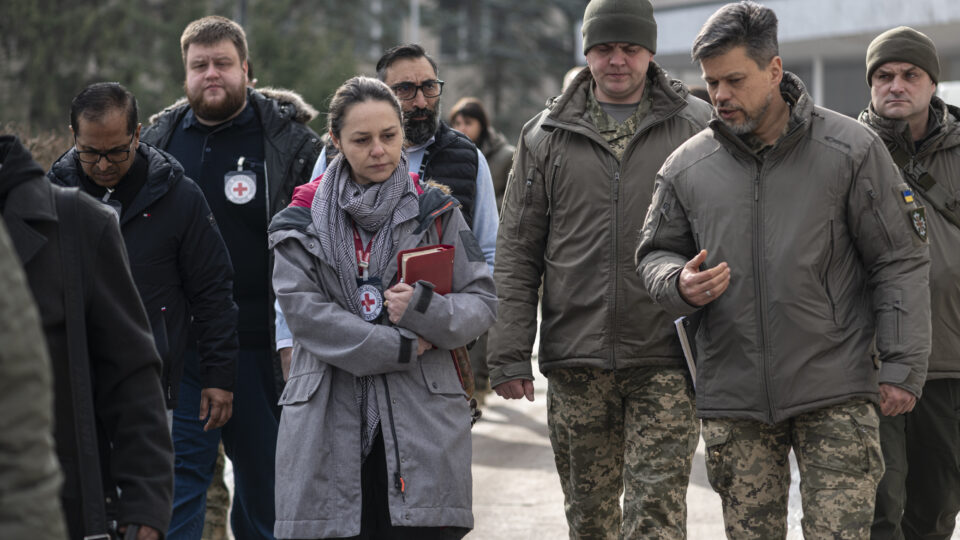
The international delegation, headed by Ana Lucía Bueno, ICRC Public Health Coordinator, and Sujit Panda, Head of the Physical Rehabilitation…

The Ministry of Defence of Ukraine held the Digital Defence Forum — an event that brought together the leadership of the Defence Forces, representatives of the General Staff, the Commands of the Armed Forces of Ukraine, government institutions, and partners.
The Ministry of Defence reported this on the evening of December 9.
At the forum, progress in digital solutions that strengthen Ukraine’s defence capability every day was presented. Most of these solutions have been developed by the IT teams of the Armed Forces.
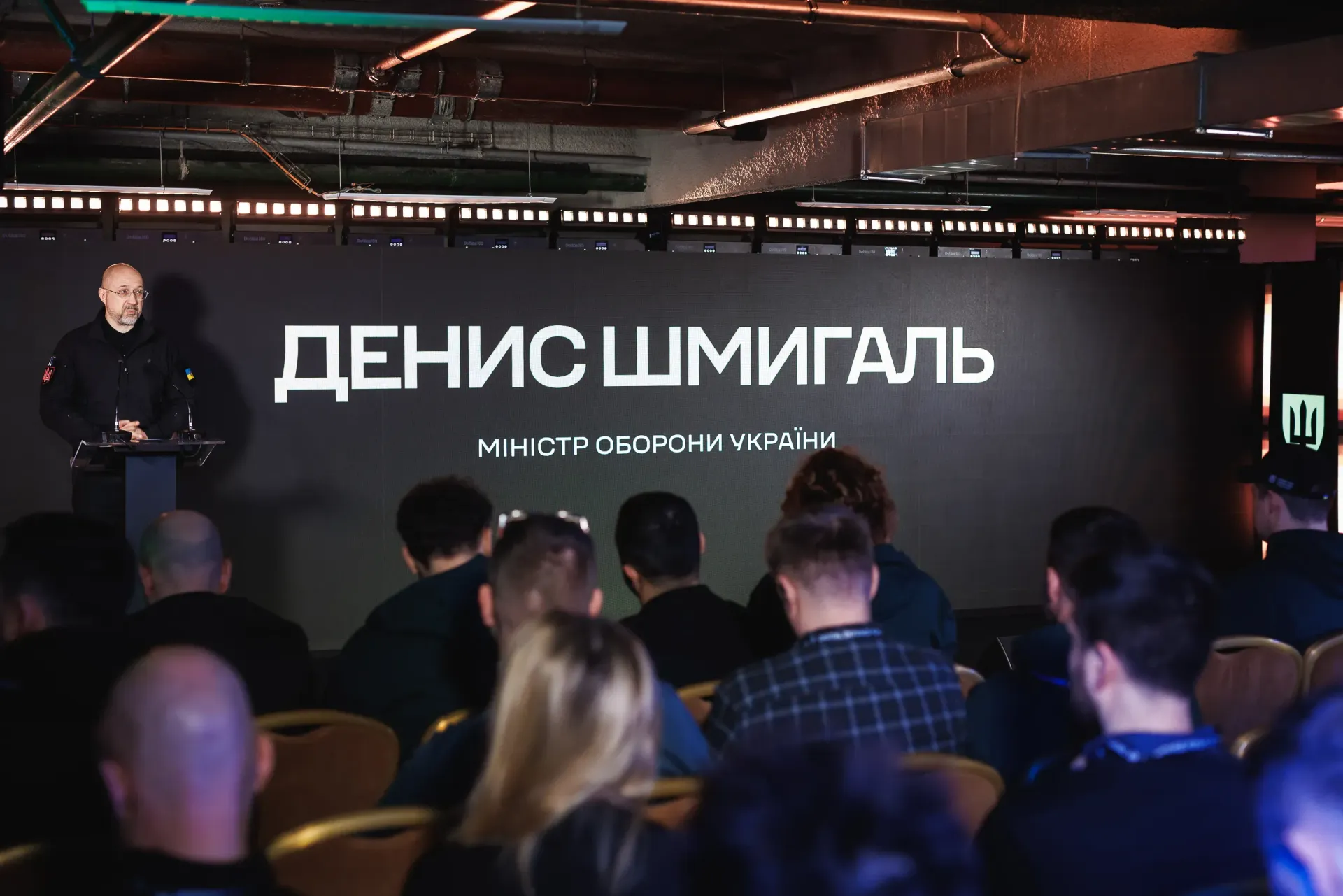
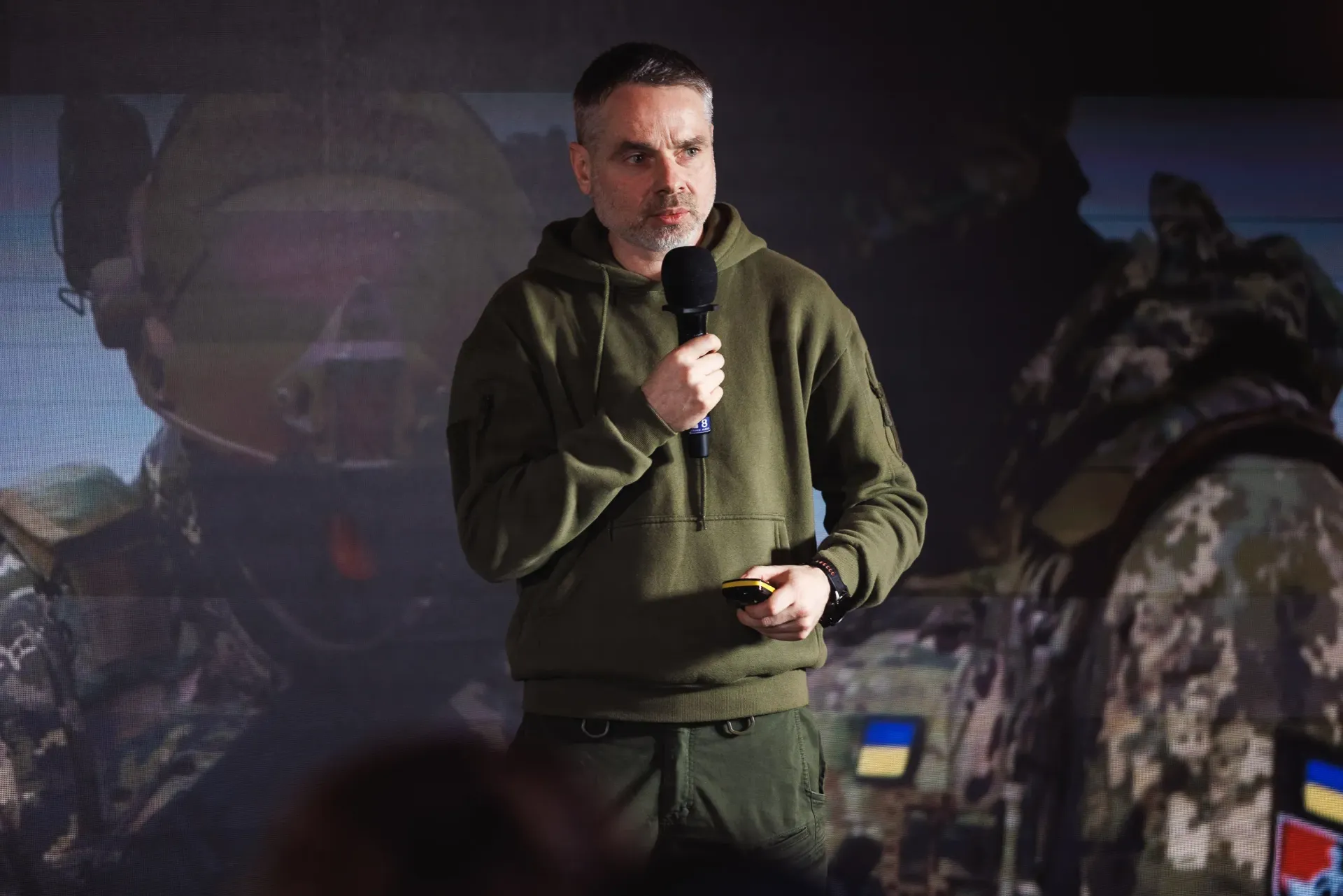
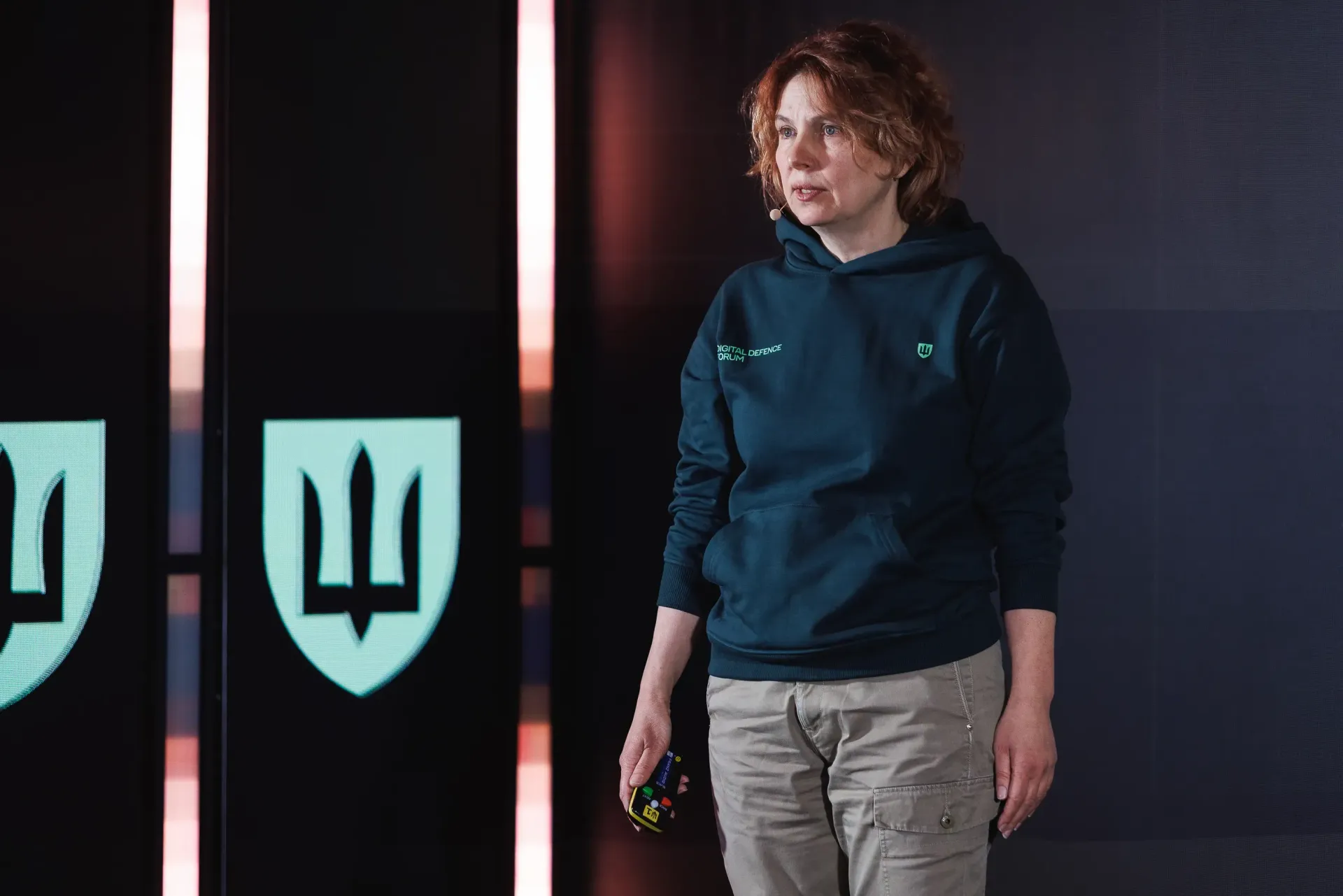

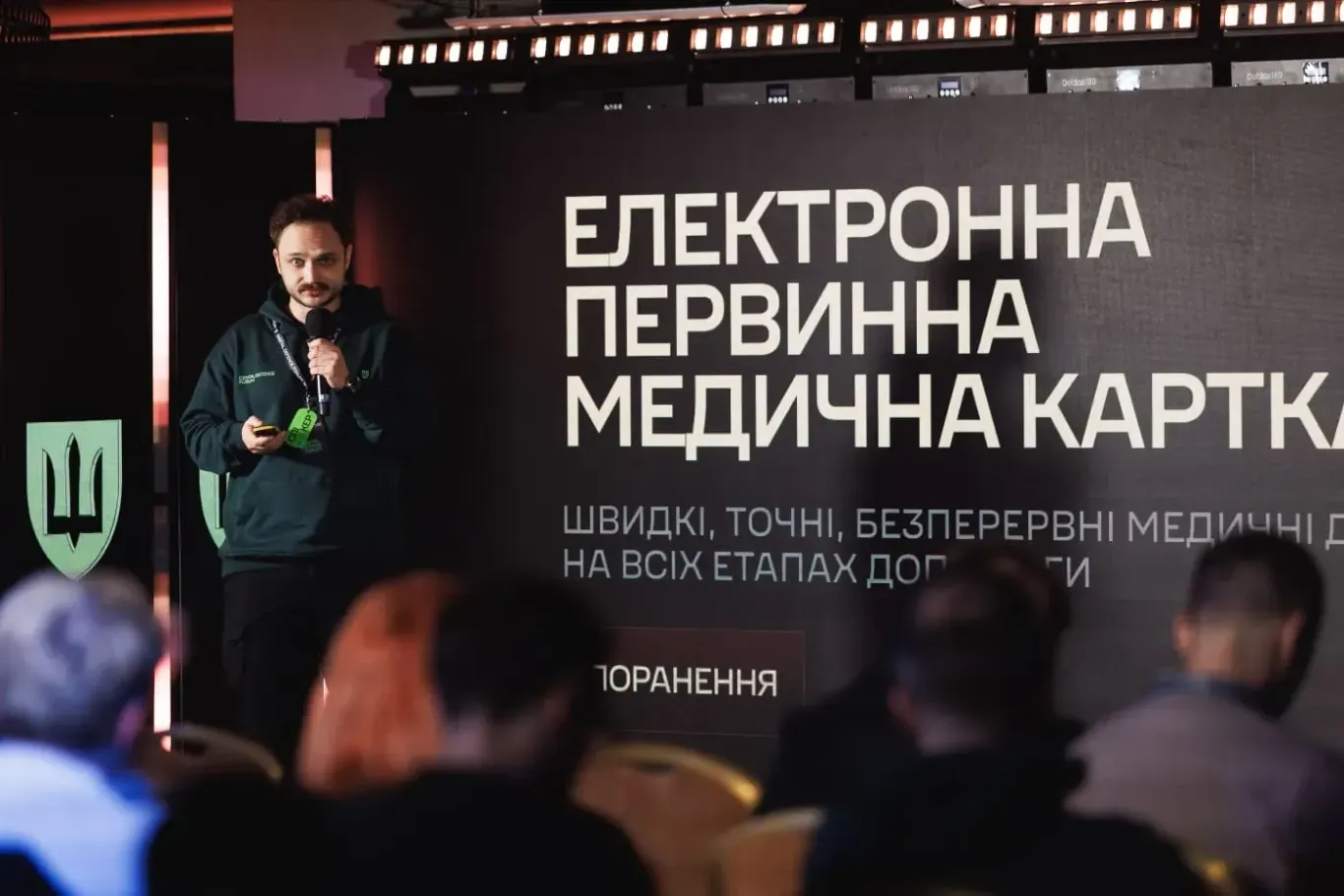
Minister of Defence of Ukraine Denys Shmyhal highlighted the Ministry’s strategic priorities during his speech.
“The Ministry of Defence clearly implements three key priorities in its work: people, weapons, and systemic approach.
In each of these areas, the digital component is decisive for achieving the set goals. At the same time, we are building a military IT vertical.
This includes over 7,000 digital officers who will help implement digitalization in every unit”, — Denys Shmyhal emphasized.
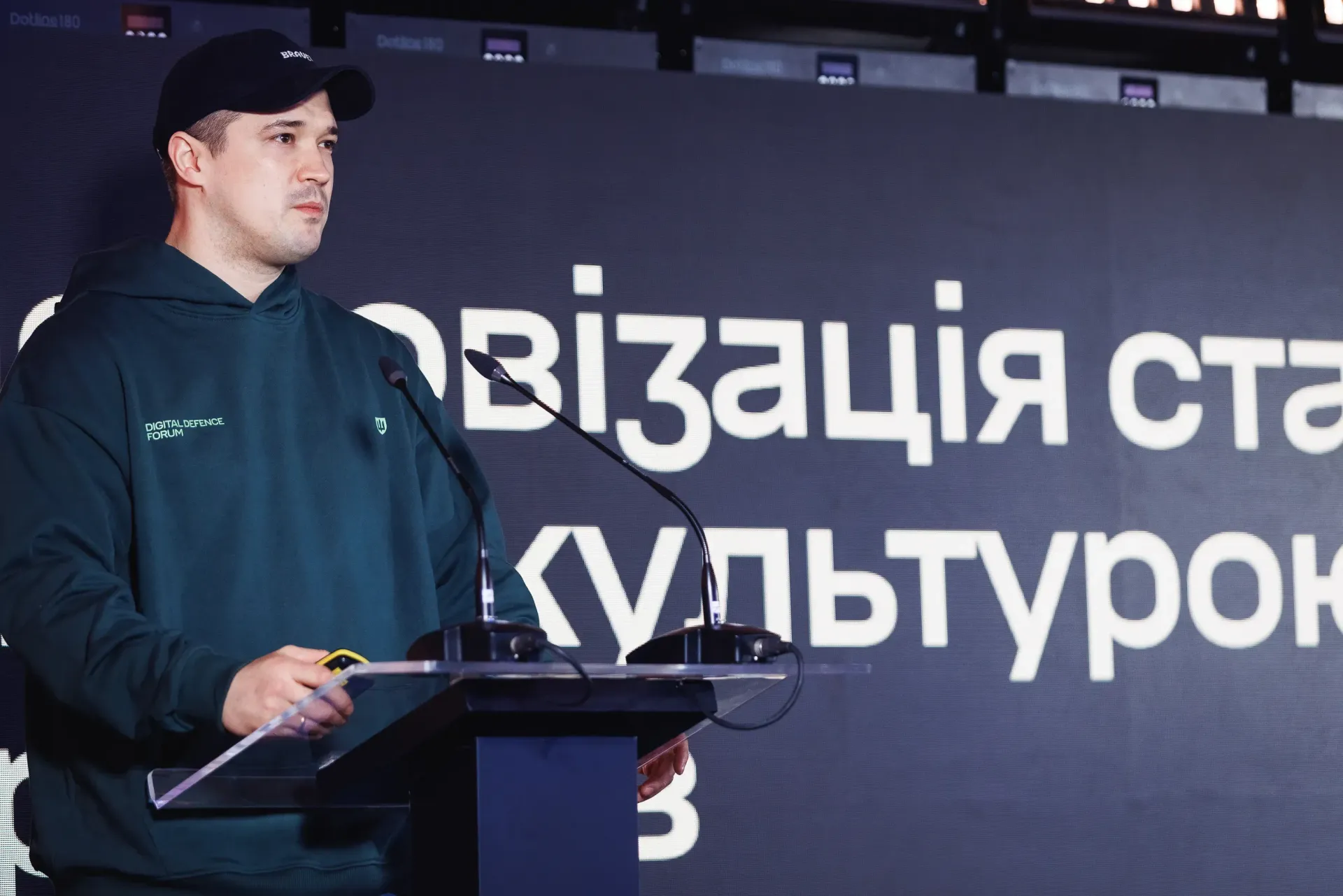
First Deputy Prime Minister and Minister of Digital Transformation Mykhailo Fedorov noted that digitalization is a tool that helps the Defence Forces more effectively achieve battlefield objectives.
“There are key trends that provide an advantage over the enemy in a technological war: data-driven decision-making, effective feedback, and network-centricity.
Therefore, together with the Ministry of Defence team, we are working on eight priority areas of defence digitalization that help our army be flexible, effective, and eliminate bureaucracy every day”, — Mykhailo Fedorov stated.
Deputy Minister of Defence of Ukraine Yurii Myronenko presented the results of the combat use of DELTA — a system that helps units orient themselves faster, coordinate actions, and make decisions at combat tempo.
“Today, DELTA has over 200,000 users, up to 10,000 drone combat streams daily, 2,700 targets struck per day, and integrates UAVs, ATGMs, satellites, radars, sensors, automated unit reports, and more. This has made it possible to reduce the time between detecting and striking a target from hours and days to minutes”, — Yurii Myronenko reported.
Oksana Ferchuk, Deputy Minister of Defence for Digital Development, Digital Transformations and Digitalization, presented progress in the digital accounting of defence resources.
Already 1,000 military units, depots, bases, and arsenals maintain records in digital systems. This enables command to see unit supply levels in real time and respond quickly to requests.
“Throughout 2026, we will ensure full digitalization of processes related to personnel, finances, and material assets — weapons and equipment. But implementation is only possible together with the Ukrainian military. That is why it is especially important that commanders and unit leaders participated in the forum — successful introduction of digital solutions is only possible with commander support”, — Oksana Ferchuk emphasized.
Director of the Defence Procurement Agency Arsen Zhumadilov spoke about the digitalization of procurement.
At its core is the DOT-Chain Defence marketplace, where the military select the drones they need, while the Agency handles contracts, payments, and compliance.
Today, the system includes nearly 300 models of UAV and EW equipment from 90 manufacturers.
“Through DOT-Chain Defence, the military have already received 144,845 units of equipment. The supply cycle has been reduced to several weeks, and in some cases to several days. The system is scaling: 184 AFU brigades and two NGU corps are already using it. We continue to expand functionality. In the first quarter of 2026, we plan to launch a ‘Drone Constructor’ module that will allow servicemembers to customize configurations themselves — selecting cameras, frequencies, flight altitude, and other parameters for specific missions”, — Arsen Zhumadilov said.
Head of the MoD’s Main Directorate of Information Technologies Oleh Berestovyi spoke about changes in mobilization processes.
The Reserve+ application is used by 6 million Ukrainians. In November, 724,000 deferments were extended automatically. This reduces the workload on TCCs and saves the state 329 million UAH per year.
“4.2 million offline TCC visits per year are unrelated to mobilization. These are visits for deferments, registration, data updates, issuance of paper documents, reservation certificates, leave stamps, etc. We are changing this. During wartime, TCCs must deal only with those who will be serving”, — Oleh Berestovyi stressed.
Head of MoD digital products Mstyslav Banik shared that nearly one million Ukrainian servicemembers are already connected to the Army+ application.
To date, the app has processed over 55,000 transfers between units and more than 1.2 million electronic reports.
“We are launching a new stage of Army+ development. The new version will be enhanced with functions people need: the defender ID card, the ‘Pulse’ information feed, an updated notifications section, and in the future an updated ‘Training’ service. Reports and services will be based on real-life situations. The first services — ‘Army ID’ and the ‘Pulse’ feed — will be available after December 22”, — Mstyslav Banik said.
Later, during the closed military-only segment of the forum, additional key digital solutions for the Armed Forces were presented:

The enemy is attempting to develop the production of naval drones and copy successful Ukrainian practices — both technical solutions and tactics.
Fighting continues in the northern part of the city of Pokrovsk in the Pokrovsk direction. A mechanized assault was repelled there the day before.
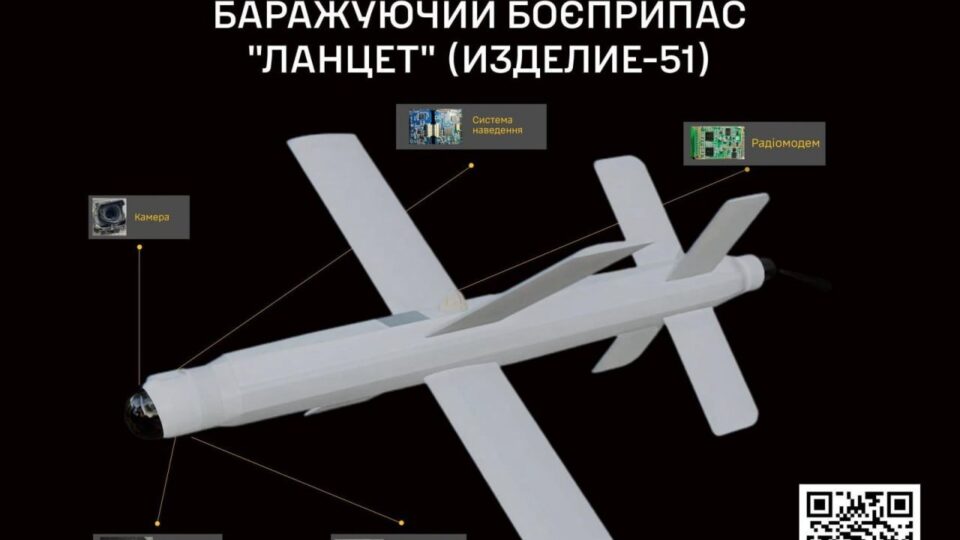
The Main Intelligence Directorate of the Ministry of Defense of Ukraine has published data on enterprises involved in the production of Russian loitering muniti

Another two-day round of negotiations between Ukraine and the United States concluded in Florida on March 22.
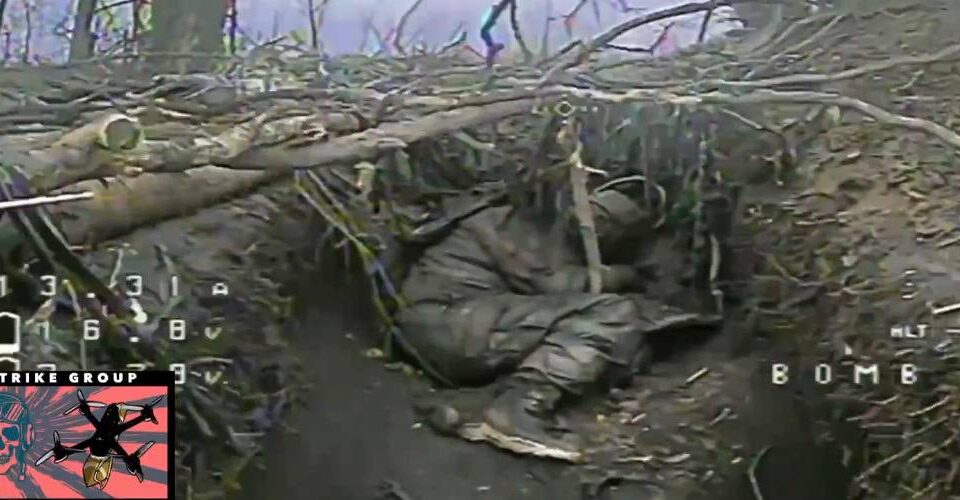
The enemy continues daily pressure and attempts to break through Ukrainian defenses in the Sloviansk direction.
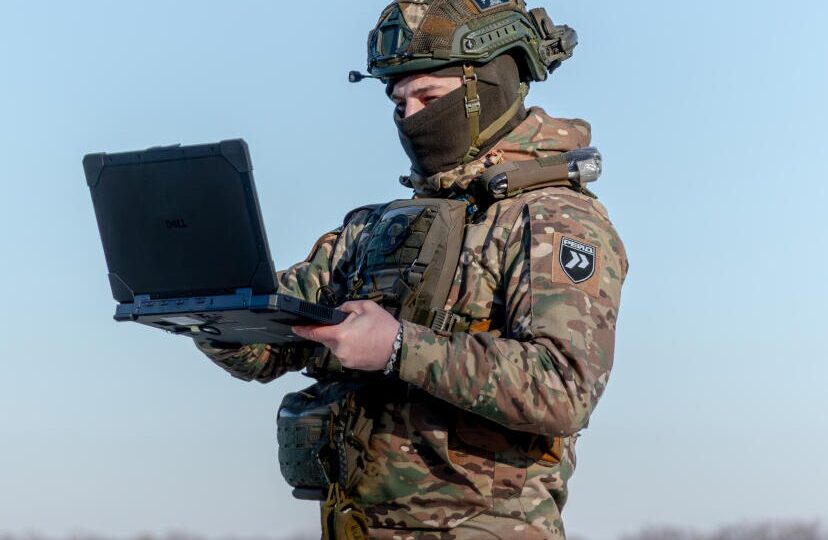
Over the past day, units of the Unmanned Systems Forces struck/destroyed 1,078 enemy targets.
The international delegation, headed by Ana Lucía Bueno, ICRC Public Health Coordinator, and Sujit Panda, Head of the Physical Rehabilitation…