
The international delegation, headed by Ana Lucía Bueno, ICRC Public Health Coordinator, and Sujit Panda, Head of the Physical Rehabilitation…

By the end of December, more than 80% of the contracts for supplying the Armed Forces of Ukraine with material assets in 2026 are expected to be concluded.
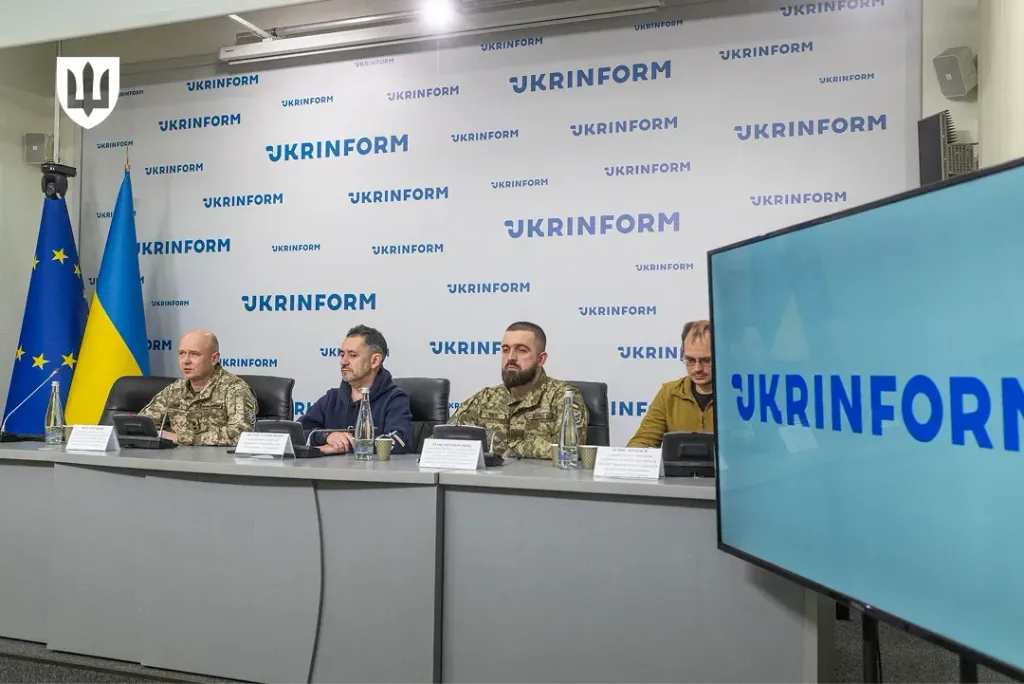
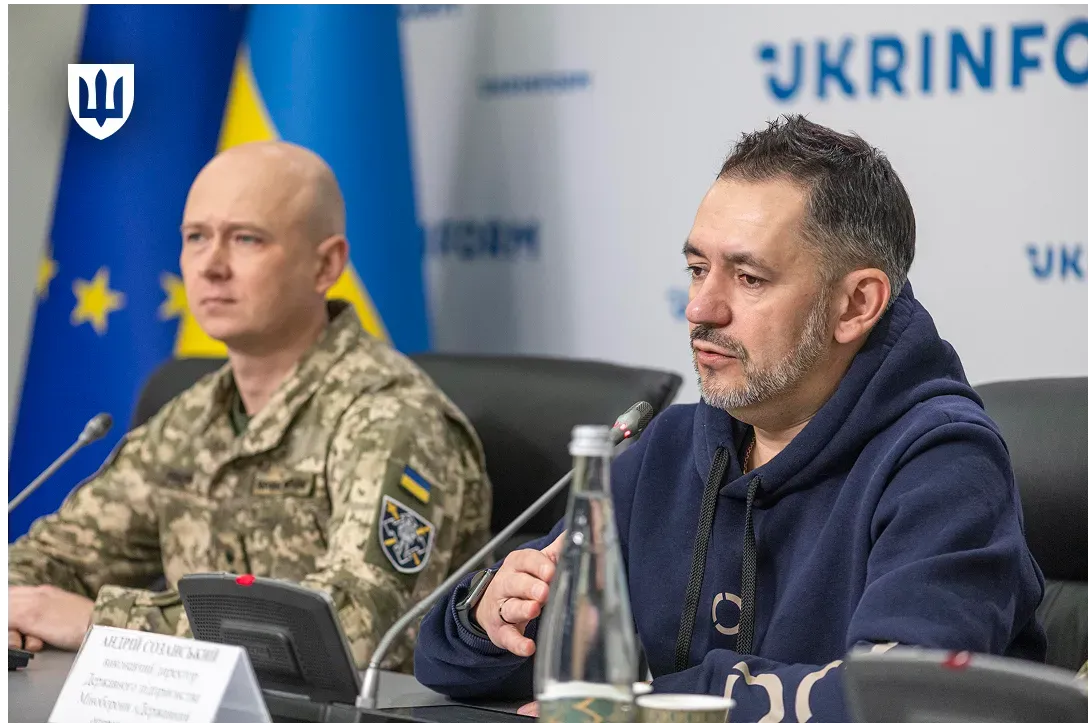
This was announced during a press conference dedicated to summarizing the provision of military personnel in 2025 and outlining plans for 2026 by the Executive Director of the Ministry of Defense–owned State Enterprise “State Logistics Operator” (DOT), Andrii Sozanskyi, the Ministry of Defense of Ukraine reports.
He emphasized that supplying the troops with food and uniforms is no less important for defense capability than delivering weapons and ammunition.
According to Andrii Sozanskyi, the State Logistics Operator continues the early-contracting practice introduced in 2024. This model allows suppliers to plan workloads evenly, avoid supply disruptions, and ensure transparency in procurement.
As of today, 100% of the announced procurement volumes for food supplies for the Armed Forces in 2026 have already been contracted. Procurement of material assets is in the final stage: the active phase of procedures is ongoing, and bids are expected to be opened on December 15–20. After qualification and determining the winners, contracts are to be signed by the end of the month.
“The annual supply schedule allows manufacturers to plan production, raw materials procurement, staffing, and financing. Last year, this showed excellent results — and we are continuing this practice”, — Sozanskyi stressed.
In addition, according to Sozanskyi, in 2025 the Ministry of Defense launched a large-scale reform of the quality-control system. A unified structure is being created — the State Quality Assurance Directorate (UHDYA), which will combine the functions of the former Central Quality Control Directorate (responsible for material assets) and the Directorate for Food Safety and Veterinary Medicine. The regulatory framework is currently being adapted, and UHDYA is expected to operate at full capacity starting in 2026, ensuring a unified quality standard across all logistics support areas, — he stated.
One of the key changes will be increasing manufacturers’ responsibility. According to Sozanskyi, manufacturers supplying products to the Armed Forces will be required to undergo certification in accordance with international standards, including ISO 9001 and sector-specific requirements for food safety and personal protective equipment. UHDYA will have the authority to conduct regular production inspections, and the first wave of the new certification system will cover manufacturers of body armor and helmets, — he noted.
Changes have also affected food-quality control. In 2025, after complaints from service members about the quality of dairy products and canned goods, the State Logistics Operator expanded the list of items subject to mandatory laboratory verification prior to delivery. In the second half of the year, a memorandum was signed with the State Service for Food Safety and Consumer Protection, and now their laboratories test butter and cheese from each batch. Meat canned goods will also undergo full laboratory certification.
The Executive Director of the State Logistics Operator also elaborated on digital transformation. He recalled that digitalization in the supply system began in 2024 with the implementation of the DOT-Chain system, which covered the entire food-supply process.
According to Sozanskyi, in 2026 digitalization will extend to material assets, fuels and lubricants, and other areas that still operate using paper documents. DOT plans to fully transition logistics support to the unified DOT-Chain supply system for the Armed Forces, he emphasized.
DOT continues its advocacy of military needs (collecting feedback via QR codes, surveys, field visits, etc.). QR codes are already in use on ration packs and hygiene kits, which are part of the so-called “Wounded Soldier Package.” Additional activities are planned next year to better account for military needs.
Currently, there is significant demand among service members for reimbursement — a model in which military personnel independently choose and purchase clothing and gear from certified stores, and the state reimburses the expenses. Therefore, starting early next year, DOT will begin consultations with stakeholders on implementing a reimbursement model for selected categories of material assets.
For his part, Colonel Vitalii Riabov, Head of the Supply Section of the Property and Services Supply Directorate of the Central Logistics Support Directorate of the Logistics Forces Command of the Armed Forces of Ukraine, noted that the Logistics Forces Command ensures all necessary measures for timely delivery of material assets and food supplies.
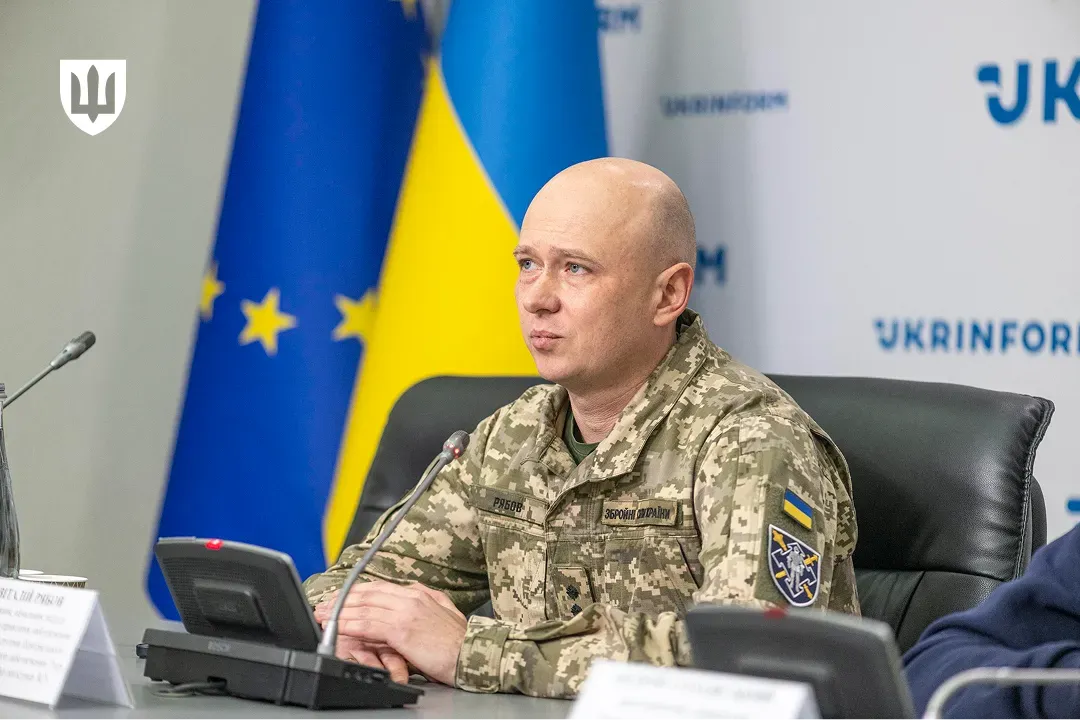
“We have an established and well-coordinated cooperation with DOT. Preparations for procurement for 2026 are underway. We expect corresponding contracts to be concluded in December to ensure uninterrupted supply. Necessary stocks have been formed in warehouses, and we are ready to fulfill our duties”, — he said.
Junior Lieutenant Maksym Borovyk, Senior Officer of the Military Uniform Development Section of the Material Supply Development Directorate of the Central Directorate for Material Supply Development of the Ministry of Defense, emphasized that the Directorate is responsible for developing and implementing new models of material assets and food products.
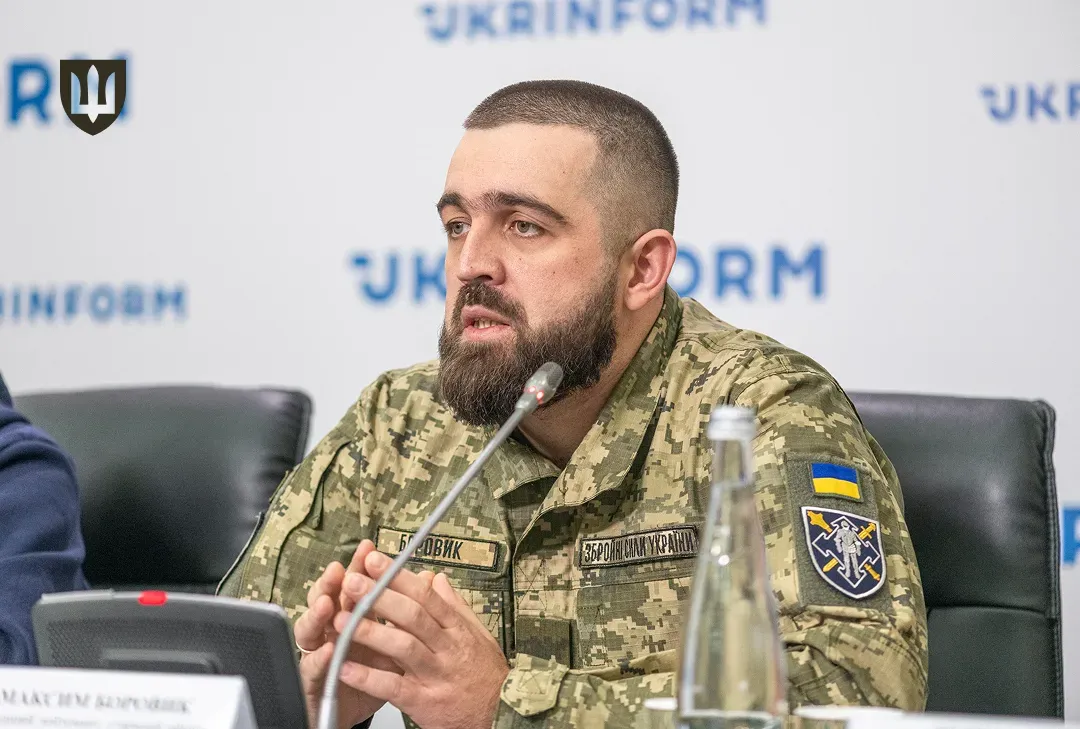
“We are constantly improving equipment — from underwear and footwear to personal protective equipment. Changes are made based on requests from service members — our end users — as well as proposals from the Logistics Forces Command. We also work closely with manufacturers: we provide clarifications, conformity documents, and establish benchmarks for new equipment”, — he said.
Denys Tsutsaiev, Senior Soldier and SAP-system implementation lead for unmanned-systems logistics at the Defense Resources Management Transformation Center of the Ministry of Defense, reported that since 2023 digital solutions based on SAP — a system used by more than 80% of NATO partner countries to account for defense resources — have been actively implemented in the defense sector.
“The system makes it possible to track the entire cycle — from planning and procurement to the moment an item reaches the military unit and is used. This is important both for Ukraine and for our partners, who provide international military assistance and require transparent reporting”, — he stated.
In parallel with digitalization, logistics processes are being improved: warehouses are transitioning to a standardized operating model, which allows quick identification of items, including by serial numbers. According to Tsutsaiev, more than 3,000 active users across more than 1,000 military units work in the system each month.
Implementing measures in procurement planning, quality control, and logistics-system digitalization strengthens the efficiency, transparency, and reliability of supply for the Armed Forces of Ukraine. The adoption of modern approaches ensures continuity of supply, minimizes risks of errors, and contributes to the further development of the defense-support system.

The enemy is attempting to develop the production of naval drones and copy successful Ukrainian practices — both technical solutions and tactics.

Fighting continues in the northern part of the city of Pokrovsk in the Pokrovsk direction. A mechanized assault was repelled there the day before.

The Main Intelligence Directorate of the Ministry of Defense of Ukraine has published data on enterprises involved in the production of Russian loitering muniti

Another two-day round of negotiations between Ukraine and the United States concluded in Florida on March 22.

The enemy continues daily pressure and attempts to break through Ukrainian defenses in the Sloviansk direction.
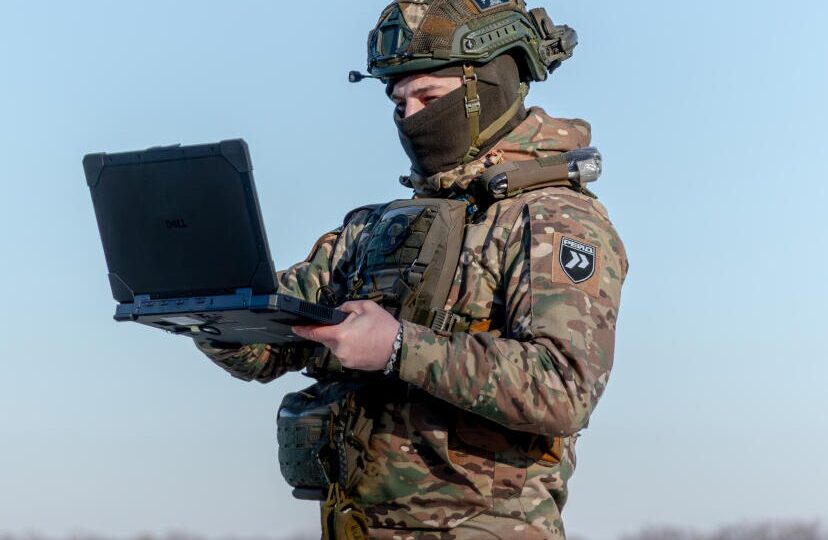
Over the past day, units of the Unmanned Systems Forces struck/destroyed 1,078 enemy targets.
The international delegation, headed by Ana Lucía Bueno, ICRC Public Health Coordinator, and Sujit Panda, Head of the Physical Rehabilitation…