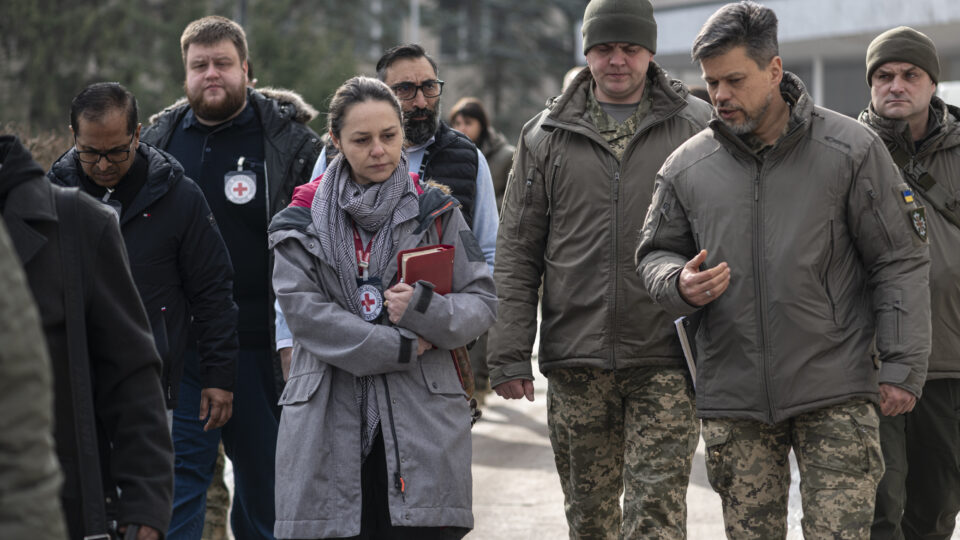
The international delegation, headed by Ana Lucía Bueno, ICRC Public Health Coordinator, and Sujit Panda, Head of the Physical Rehabilitation…

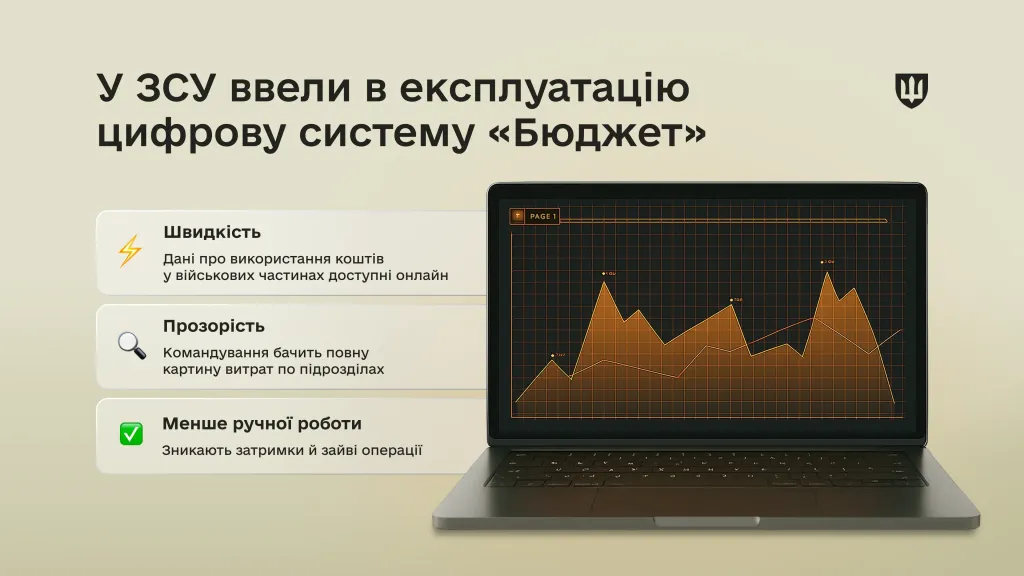
The Ministry of Defence has officially put into operation the “Budget” information system within the Armed Forces of Ukraine. The decision was approved by Order № 811.
This was reported by the Ministry of Defence of Ukraine.
The system consolidates key data on the planning and use of financial resources within the Ministry of Defence and the Armed Forces in a secure digital environment. It promptly shows how much funding the military has been allocated, how much has been used, and how much remains. This makes it possible to quickly detect delays, adjust plans, and respond to inefficient use of resources.
What the “Budget” system changes for the Armed Forces of Ukraine:
The system ensures expenditure planning for all budget managers — from departments to military units.
“Now information on the use of budget funds in the Ministry of Defence and the Armed Forces is always up-to-date and collected in one place. No waiting for quarterly reports, no delays or ‘blind spots’ — everything is timely and transparent. We are creating a modern core for managing defence resources, and the ‘Budget’ system is its key financial component”, — emphasized Ukrainian Minister of Defence Denys Shmyhal.
“A single consolidated operational report, which previously required about 800 man-hours, is prepared three times faster in the ‘Budget’ system. This is not just a time saving — it provides the ability to make decisions more quickly and manage resources more efficiently”, — noted Oksana Ferchuk, Deputy Minister of Defence of Ukraine for Digital Development, Digital Transformations and Digitalization.
All commands and the State Special Transport Service have been using the “Budget” system since early 2025. It is now being implemented in military units — and more than 60% of budget managers are already using it.
The “Budget” system is built on SAP components — data-driven resource management software used by more than 90% of NATO armies.
The information system has passed all technical, security, and documentation checks required by the Ministry of Defence’s regulatory standards for the lifecycle of information and communication systems.
@armyinformcomua

As a result of an enemy mine explosion, the soldier suffered a partial amputation of his lower limb. The wounded man could not move on his own, so the “Bizon” g
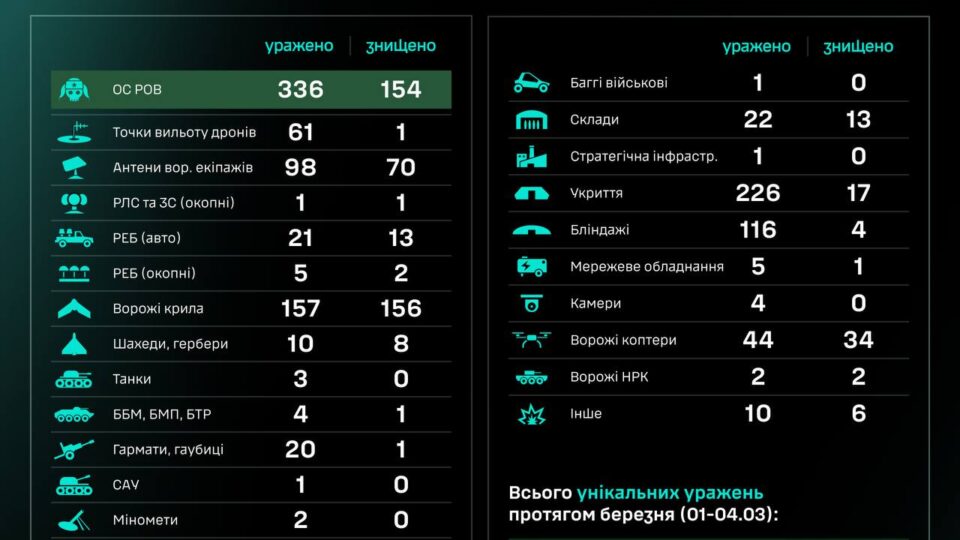
During the day, units of the Unmanned Systems Forces grouping struck or destroyed 1,281 enemy targets.
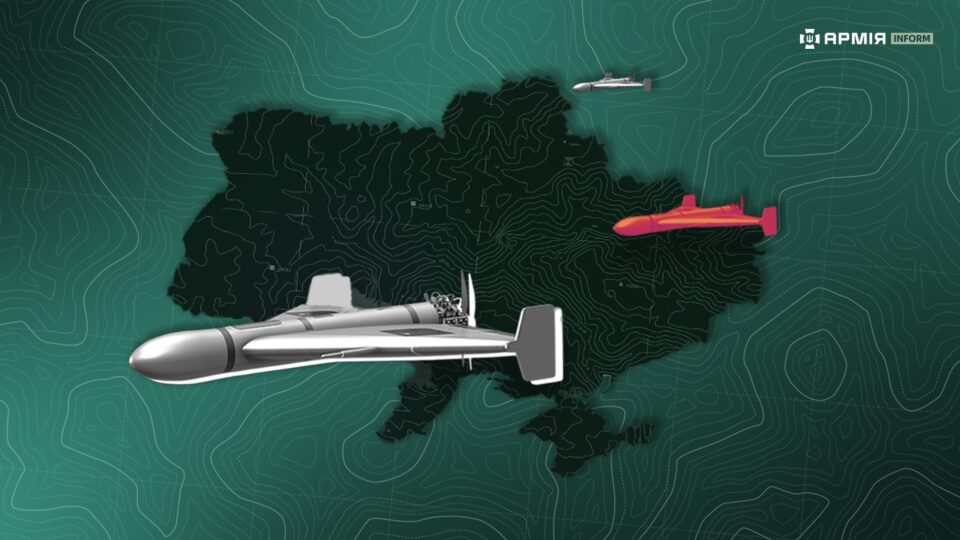
On the night of March 5 the enemy attacked with 155 strike UAVs of the Shahed, Gerbera, Italmas types and other types of drones, about 100 of them being Shaheds

Over the past day, the army of the aggressor country lost 900 personnel, four tanks and 41 artillery systems.

During December, January and February, fighters of the Unmanned Systems Forces struck 54 enemy SAM systems and radars.

Volodymyr Zelenskyy held a meeting on the challenges for Ukraine and partners, as well as on our ability to help protect lives and stabilize the global market.
The international delegation, headed by Ana Lucía Bueno, ICRC Public Health Coordinator, and Sujit Panda, Head of the Physical Rehabilitation…