
The international delegation, headed by Ana Lucía Bueno, ICRC Public Health Coordinator, and Sujit Panda, Head of the Physical Rehabilitation…


The European Parliament has approved a resolution calling for coordinated action, strengthened defense, and sanctions to counter Russian provocations targeting the security and infrastructure of the European Union.
The resolution was adopted with 469 votes in favor, 97 against, and 38 abstentions.
In the document, Members of the European Parliament (MEPs) strongly condemn Russia’s “reckless and escalatory actions” and its violations of the airspace of EU and NATO member states — Poland, Estonia, Latvia, Lithuania, and Romania.
According to MEPs, these actions are part of Russia’s “systematic military and hybrid warfare and provocations against the EU and its member states.”
“Russia bears full and unequivocal responsibility for actions in the airspace of Poland, Estonia, and Romania”, — the European Parliament members emphasized.
The resolution states that the European Parliament encourages any initiatives enabling the EU and its member states to take coordinated, joint, and proportionate measures in response to violations of their airspace — including the shooting down of aerial threats.
MEPs welcome the concept of creating an EU “drone wall” and the Eastern Flank Watch initiative, emphasizing the need to ensure comprehensive coverage for all member states facing direct security challenges, including on the southern flank.
“The EU must demonstrate resolve and make it clear that any third country attempting to violate the sovereignty of a member state will immediately face appropriate measures”, — the resolution states.
The MEPs also call on the EU Council and the European Commission to enhance the effectiveness and impact of sanctions against Russia, in order to finally undermine its ability to continue waging its brutal war of aggression against Ukraine.
The resolution further calls for a significant strengthening of defense cooperation with Ukraine, particularly in the field of drone technology and counter-drone measures, including the expansion of industrial collaboration.
It also urges the swift finalization of the European Defence Industry Programme (EDIP) legislation, which is expected to be used alongside the Security for Europe (SAFE) instrument to allocate financial resources — aimed at learning from Ukraine’s experience and supporting the country in its fight against UAVs.
It should be noted that European Parliament resolutions are not legally binding.

The enemy is attempting to develop the production of naval drones and copy successful Ukrainian practices — both technical solutions and tactics.
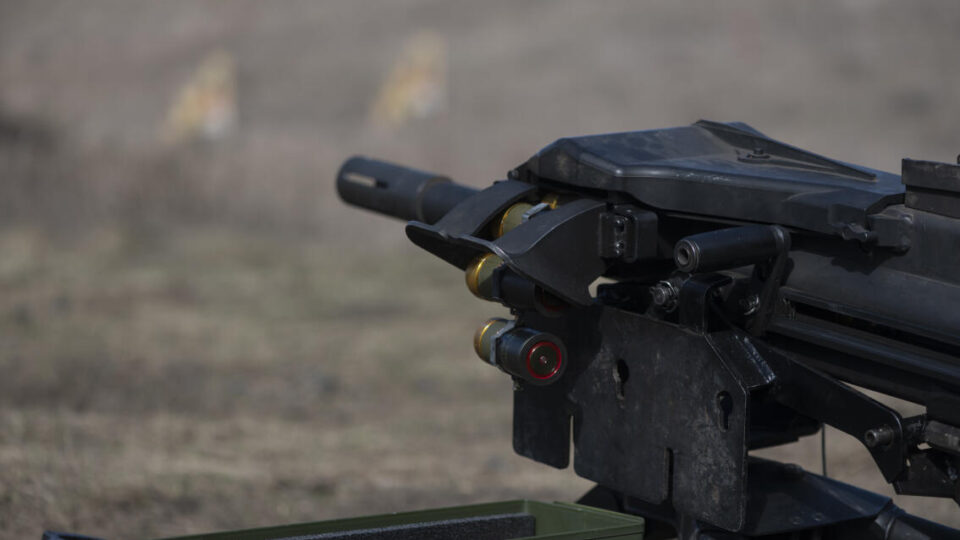
Fighting continues in the northern part of the city of Pokrovsk in the Pokrovsk direction. A mechanized assault was repelled there the day before.
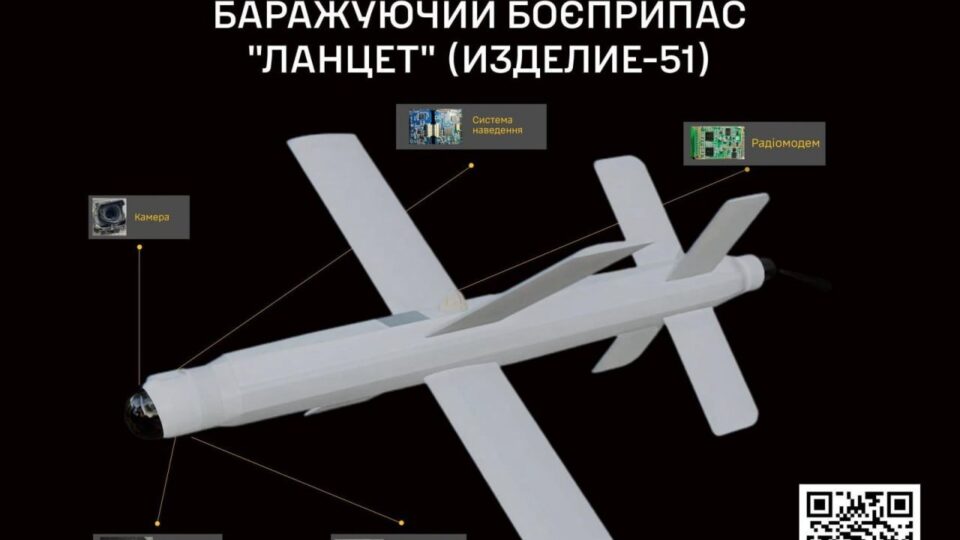
The Main Intelligence Directorate of the Ministry of Defense of Ukraine has published data on enterprises involved in the production of Russian loitering muniti

Another two-day round of negotiations between Ukraine and the United States concluded in Florida on March 22.
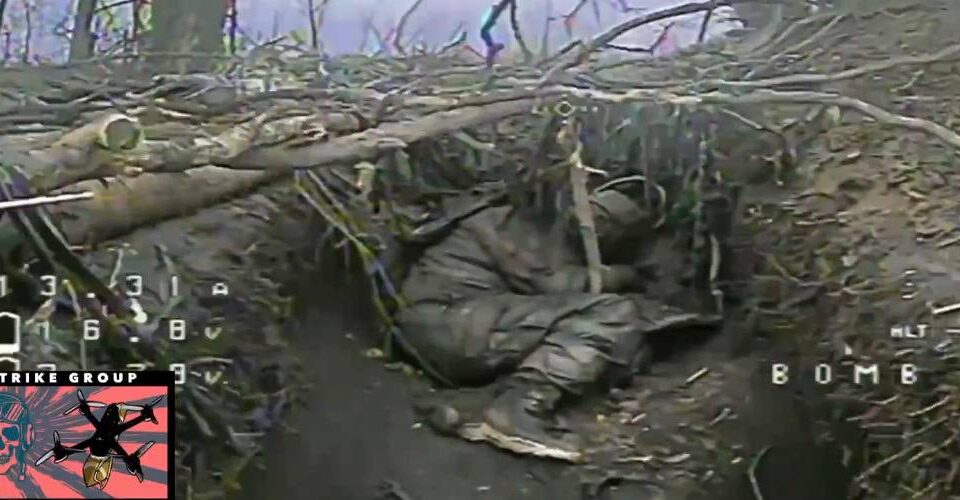
The enemy continues daily pressure and attempts to break through Ukrainian defenses in the Sloviansk direction.
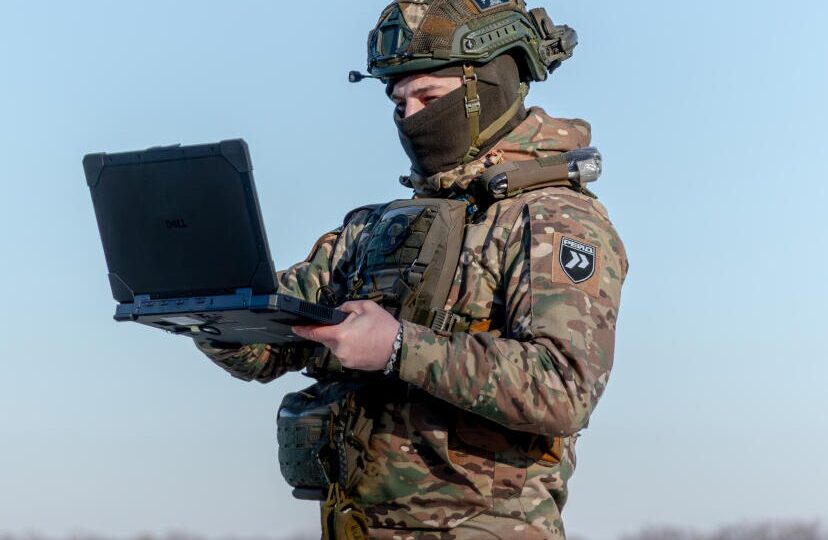
Over the past day, units of the Unmanned Systems Forces struck/destroyed 1,078 enemy targets.
The international delegation, headed by Ana Lucía Bueno, ICRC Public Health Coordinator, and Sujit Panda, Head of the Physical Rehabilitation…