A small group of officers and analysts challenged the dominant doctrine of heavy aircraft and proved that the future of…


The wars of the 21st century impose unprecedented demands on the protection of military equipment.
Traditional passive armor, even when supplemented with explosive reactive armor, often proves ineffective against modern high-precision anti-tank missiles and new types of munitions.
The response to this threat is the development of so-called Adaptive Protection, or “Smart Armor” — systems that not only absorb an impact but actively react to it.
We spoke with Bohdan Dolintse, an expert on weapons development and advanced technologies, about the technological foundations, prospects, and real-world implementation of adaptive protection systems.

— Mr. Bohdan, in your opinion, what does the concept of “adaptive protection” mean today, and how close is this technology to practical application?
— By adaptive protection, we mean a set of solutions that combine sensors, data analysis and materials capable of changing their properties in response to a threat. These are classical armor technologies combined with methods of using active armor to counter specific munitions, along with modern digital solutions.
Smart armor is an integrated system of sensors, controllers, and responsive materials guided by control logic that independently identifies the threat and selects the optimal method of protection. And, of course, it includes the reactive materials and mechanisms themselves, which may refer to both active and passive protection. It is capable of changing material structure or absorbing impact energy.
The first prototypes of adaptive armor can be considered the so-called explosive reactive armor — the type that counters shaped-charge munitions. When a projectile contacts the armor, a controlled surface detonation of small explosive charges occurs, which extinguishes or disrupts the enemy’s shaped-charge jet that would otherwise penetrate the vehicle.
When considering more modern solutions, we’re talking about the ability of the armor itself to change its properties or characteristics depending on operational conditions. There is a wide range of specialized approaches known worldwide.
This includes the use of special composite materials or additional modules that can not only passively counter threats when the vehicle is struck.
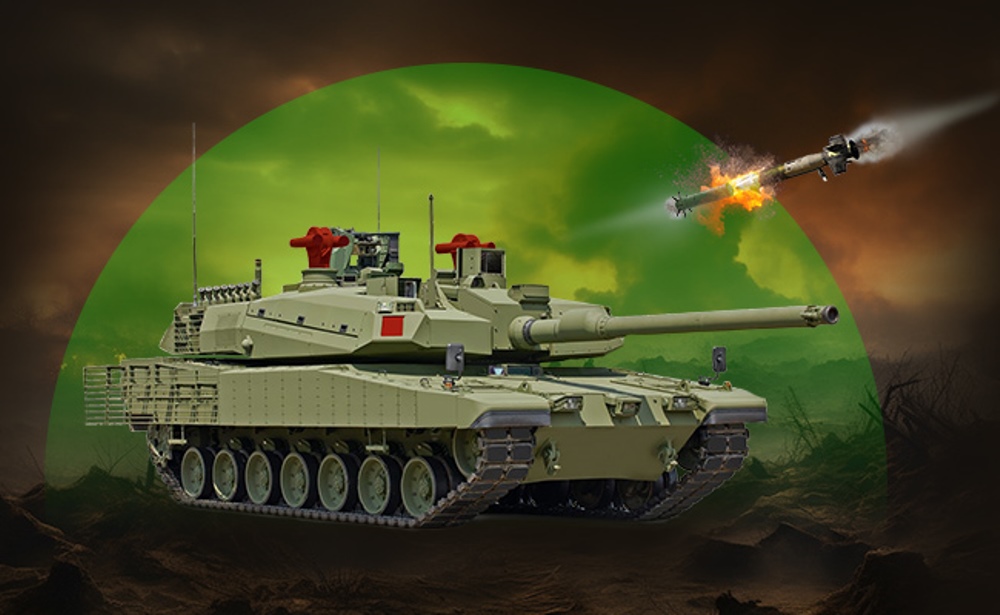
There are also new means of active detection, such as surface lasers capable of detecting enemy guided missiles and attempting to damage their optical sensors so that the missile cannot continue tracking the target.
— What sensors can be integrated into the armor, and what kind of data can they collect in combat?
— Sensor armor can be compared to human skin — it tracks mechanical, thermal, and electromagnetic influences from all sides. That is, it is a set of various sensors and detectors that serve both protective functions and tools for assessing the surrounding environment.
These can include built-in radars that “see” what is happening around the protected vehicle: whether it’s the movement of an enemy tank, maneuvers by other armored vehicles, or an enemy aircraft. Aviation was the first to integrate structural sensors into composite aircraft body elements — this practice is now being adapted for armored vehicles. For over 10 years, if we talk about composite civilian aircraft.
Special sensors are integrated into their fuselage with the task of warning about damage or the risk of potential structural failure. These devices collect information, and the onboard computer analyzes it and provides recommendations to both the pilot and ground technical personnel.
Another component is vibration and acoustic sensors, which can directly determine the direction of a threat, such as an artillery shot.
Next are more advanced electro-optical sensors. They allow detection, through the optical channel, of enemy laser illumination if targeting is performed using such means, or determine the distance to a vehicle using a laser rangefinder.
There are also special radar systems that allow the armor to “see” when it is being scanned by classic radars from an aerial platform or by shorter-range radars. There are perimeter-protection systems that emit signals — and the armor can “sense” this and inform the operator from which side such monitoring is being carried out.
Another important direction is infrared and LiDAR sensors that allow detection of heat sources from different sides. This can indicate, for example, the use of shaped-charge devices so that the armor has enough time to react and change characteristics of its modules for effective counteraction.
When talking about certain characteristics, we can mention a range of parameters. These include supplying electrical impulses, changing the electromagnetic field to help make the object invisible to enemy strike systems;
or changing the signature of laser-illumination devices so that an enemy missile guided by laser loses its target;
and radars that can create a spatial map within several meters, or in more advanced models — within several kilometers around the vehicle.
And we should not forget such a new direction as biometric sensors, which allow monitoring the condition of the crew and personnel inside the vehicle.
— How reliable are such sensor systems in extreme conditions — explosions, dirt, temperature fluctuations?
— The use of such sensors today is not widespread, although their number is steadily increasing. They are becoming integrated into unified systems for managing relevant information. And since these sensors correspond to military-grade equipment, they must be protected not only from what you previously listed but also from electromagnetic interference and strong external electromagnetic pulses.
This includes protection of input channels, safeguarding against electronic warfare. Requirements for such systems are quite high — and, naturally, this directly affects their cost.
Clearly, if we are talking about extremely powerful electromagnetic pulses, at very short distance it is unlikely that any protection would be effective. But if the distance is several kilometers or more, such protective measures can generally be sufficient to preserve the properties and characteristics of smart armor.
And again, there is protection from mechanical overloads and harsh environmental conditions. Standard requirements for such systems include protection against dust, dirt, moisture, etc.
Modern military-grade sensors already function in harsh climatic and mechanical conditions without losing operability. There are devices that can be buried up to a meter deep and still detect infiltration by enemy or unauthorized persons into a protected area. These sensors can work for years while in contact with dirt and water.

Another important component is autonomy and power protection: the presence of secure communication channels between the sensors and the onboard system — either wired or wireless means of data transmission.
Plus, power redundancy: either built-in batteries or backup accumulators. Even when the system itself or the relevant ground equipment is not operating, its armor does not necessarily have to be unpowered. It can remain active and provide active protection for the vehicle or equipment.
— Are there already effective mechanisms for actively counteracting hits, and which technologies look most promising?
— Technologies of active counteraction have been used for a long time, but today they are supplemented with sensors and algorithms that allow preparing a counteraction even before contact with the ammunition. Of course, the better-known and widespread ones are mechanical protective devices. But there are ways to increase their efficiency through integrating additional sensors.
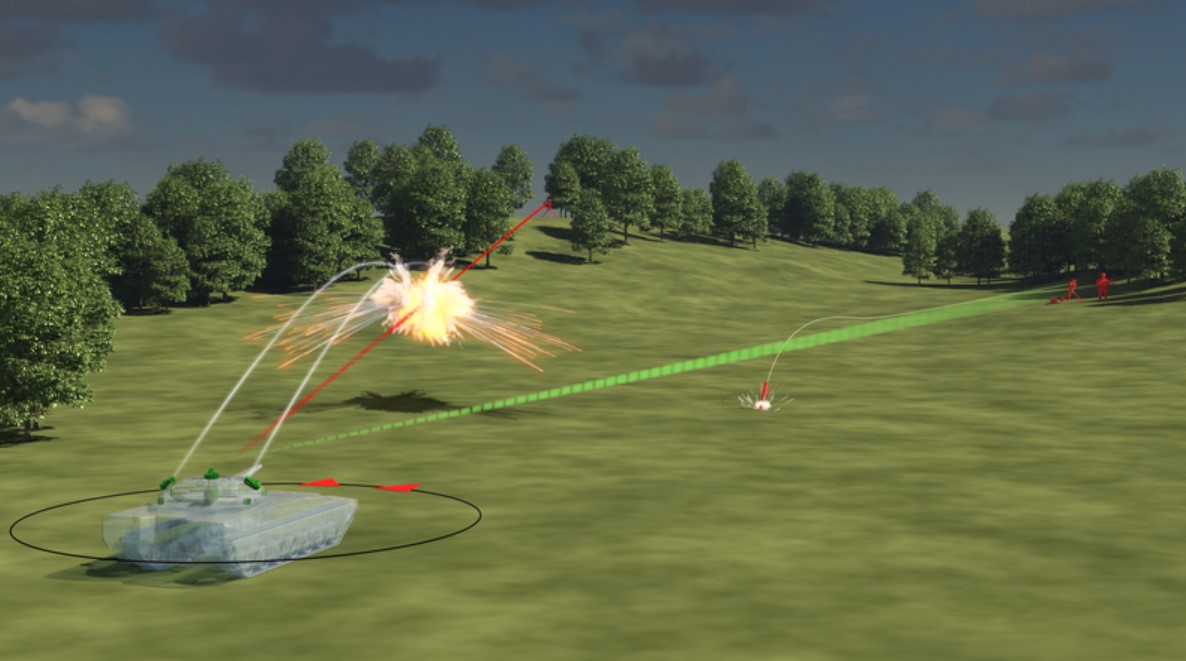
Long-range response sensors allow recognition of explosively formed penetrators even before they approach and activate the appropriate protection module. That is, the defensive detonation against the incoming munition occurs not after contact with the surface or hull, but at a certain distance — a meter or more.
In addition, so-called high-frequency short-range radars are used. They make it possible to detect hostile munitions in three-dimensional space tens of meters before impact, enabling the formation of a protective screen from components of the active armor.
The system operates in a coordinated manner because several modules can activate simultaneously, creating a multilayer barrier. They can also be used against drones — specifically, by firing fragmentation cartridges or cassettes, creating a defensive shrapnel cloud in the direction of an enemy target and thereby destroying the hostile drone.
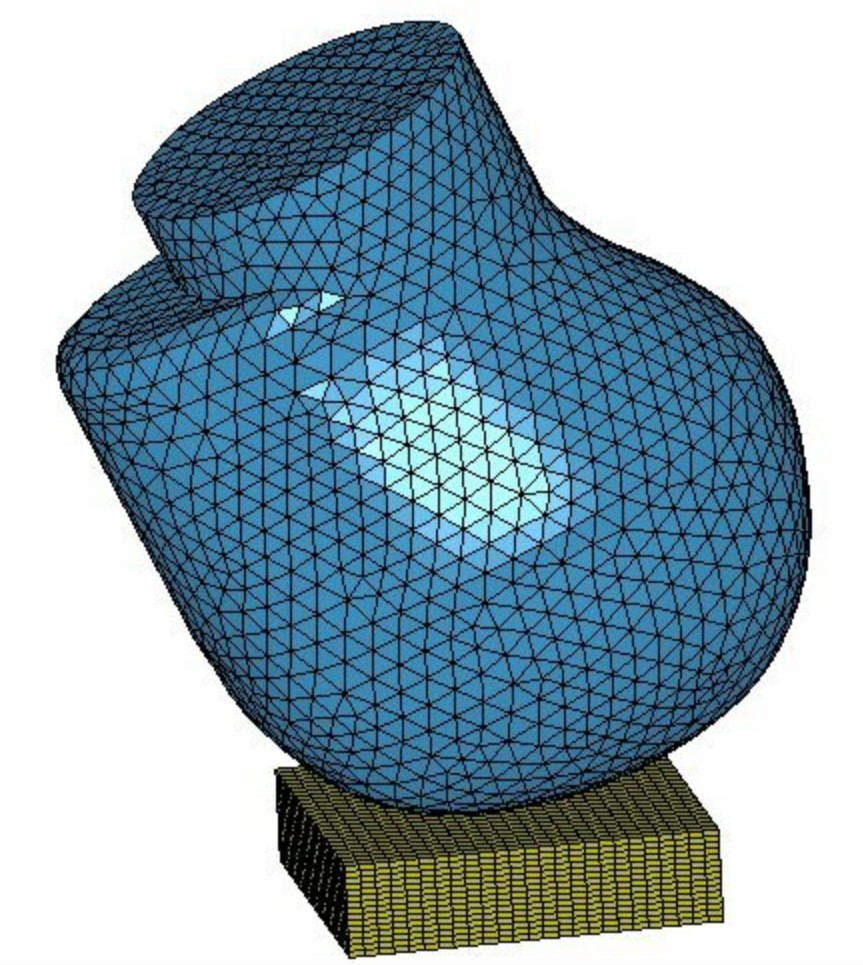
Another direction is the so-called absorption of the energy layer — using special polymer substances or so-called matrix materials that can alter the orientation of their internal plates and their properties under control signals. This is done to increase resistance to the energy of an enemy strike, to disperse it as effectively as possible.
— Materials that change properties under load: which of them can realistically become the basis of future armor?
— Currently, armored steels are used the most. But composite and polymer types of armor are becoming increasingly common. These types of armor allow embedding additional sensors and electronics inside — including channels for data transmission — effectively creating a kind of electronic “muscles” within these systems.
Next, of course, is the use of specialized fabrics — materials that can function as so-called soft body armor, or as means of disrupting enemy projectiles that are capable of changing their shape and characteristics after impact.
In principle, similar components are used in aviation, where fuel tanks for helicopters are already manufactured from such materials. In addition to being fillable with special chemical substances, when these containers are pierced by a bullet, they can self-seal internally at the impact site.
Another component is the emergence of modern nanocomposite coatings and materials that can react to certain external sources — for example, electrical signals — and change their properties. Or materials that have a so-called negative coefficient.
Such materials allow energy redistribution by causing local deformation under impact. For example, they can convert kinetic energy to thermal energy or dissipate this energy throughout the entire structure of the object being struck.
And there is the use of special composite materials and fluids that, under an external magnetic or electrical field, can become gel-like or, conversely, acquire properties close to those of classical armor.
— Mr. Bohdan, in your opinion, what are the main engineering challenges faced by developers of such adaptive armor?
— One of the key aspects is solving the issue of energy efficiency. Smart armor, like any active electronic system, requires power. Especially at the moment of counteraction or defense against enemy weapons, these devices consume significant amounts of energy.

Secondly, the main engineering challenges are energy consumption, durability, and production scalability. Under the real combat load cycles, current equipment samples cannot ensure effective operation for days, weeks, or even years. Therefore, these characteristics must still be improved and developed.
And, of course, there is the issue of cost and mass production. These solutions remain quite expensive and technologically complex to manufacture. Scaling up this equipment in the future will inevitably reduce the cost of the sensors and materials themselves, including the emergence of new technological solutions.
— Can such armor withstand multiple hits, and how does this affect its lifespan?
— This depends entirely on the design of the systems and engineering solutions used. Some of them can be durable enough and, in principle, may not require replacement or repair after counteraction.
Even with repeated hits to the same area on a vehicle, modern counteraction means can activate adjacent elements of the smart armor instead of the ones damaged during the first attack.
— Which countries today are leaders in developing smart or sensor armor, and which technologies are they promoting?
— The leaders remain the same countries that generally have the most advanced defense-industry capabilities: Israel, the United States, and certain EU countries — for example, Germany and the United Kingdom. France is also trying to develop some of these specialized projects.
It is known from open sources that China, Russia, and Turkey also have such developments. They, too, are creating new models or at least attempting to modernize existing equipment using certain elements of smart armor.
— How close is Ukraine’s defense industry and MilitaryTech startups to developing its own adaptive protection elements? Are there specific Ukrainian examples already?
— Ukraine is already operating the “Zaslin” system and developing semi-active modules with elements of sensor integration. Some of them demonstrate sufficiently high effectiveness.
Secondly, Ukraine is actively developing and implementing individual electronic solutions and components. However, we have not yet heard of serial models of such armor. Still, our manufacturers possess the technological base and capabilities needed to advance this area.

Alongside this, there are models I would call “semi-smart” protective means — active armor with additional sensors. The same “Zaslin” system used in Ukraine, which your publication has covered. I should note that such domestic developments also have significant export potential.
— In what time frame can we expect fully developed adaptive protection samples to appear in service — particularly in Ukraine?
— So far, we can confidently say that such technologies are only moving into the production and testing of the first prototypes and experimental samples. As a rule, it takes from one to three years for such systems to enter trial production and for manufacturers to begin scaling them.
For larger-scale production of such high-tech solutions — after comprehensive testing and refinement — and for deploying them in the armed forces, it can take from 5 to 12 years.
However, as the realities of wartime show, these timelines can be significantly shortened due to the army’s needs “for yesterday” and the concentration of the full industrial potential of the arms industry.

— And again, about the future: how might the introduction of adaptive armor change battlefield tactics and the overall approach to individual protection of soldiers?
— First of all, it will increase the survivability of the equipment itself on the battlefield. Next, implementing such solutions may reduce the excessive weight of heavy armored vehicles thanks to certain components of smart armor.
This gives the ability to restore and return equipment to units with full protection by using modular replacement of individual components and armor blocks.
@armyinformcomua

Throughout the autumn, the intensity of hostilities increased. In November, the number of recorded combat engagements exceeded this year’s average monthly figures.
The F-16 Fighting Falcon project was born in defiance of the system. This revolutionary multirole fighter entered service thanks to the Fighter Mafia, which lobbied for the project and overcame resistance from conservative generals.
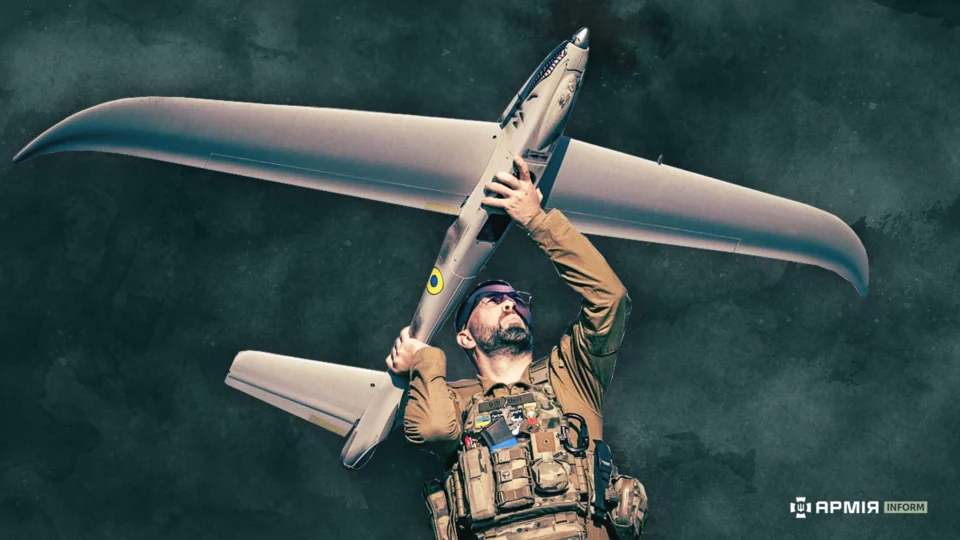
He paid a 700-hryvnia fine just to gain the opportunity to become a volunteer in the Armed Forces of Ukraine.

Volodymyr Zelensky spoke about the preparation of peace agreements and the difficulties along this path.
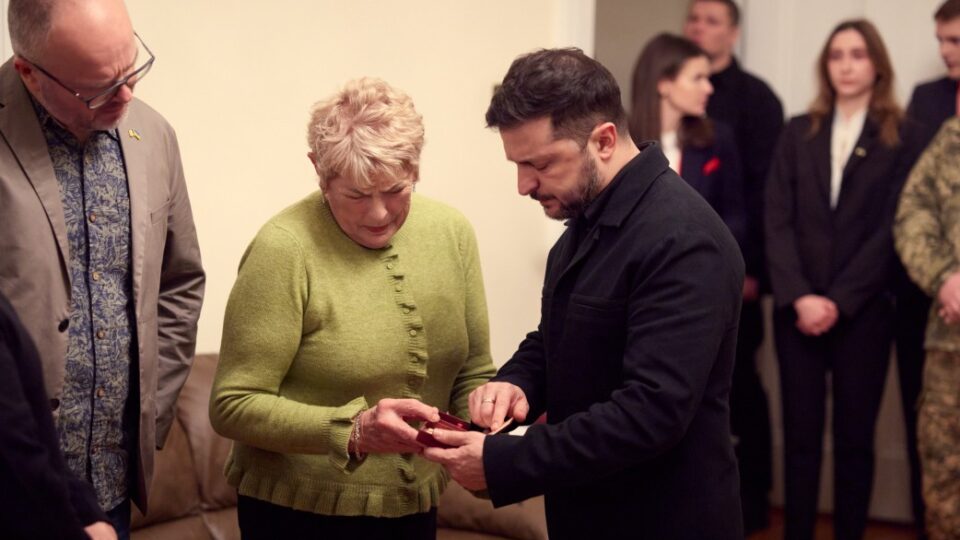
In Dublin, President of Ukraine Volodymyr Zelensky and First Lady Olena Zelenska met with the families of Irish volunteer servicemen who were killed defending Ukraine from Russian aggression.
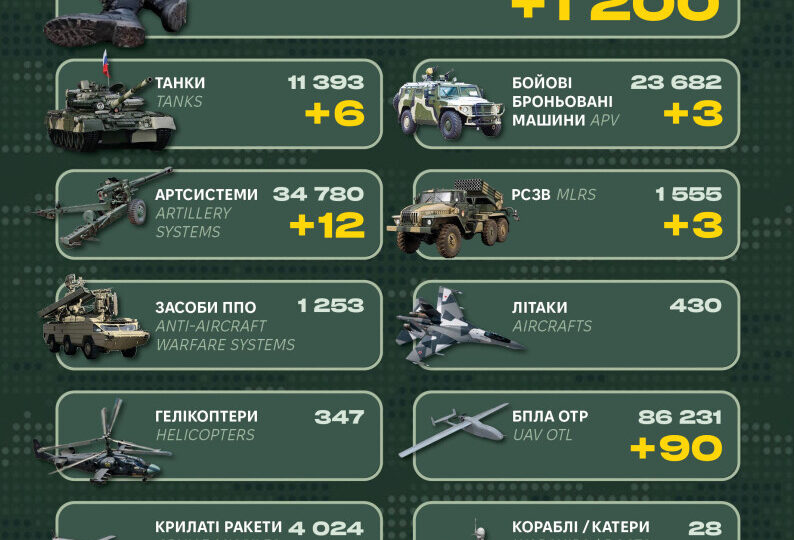
Over the past day, Russian invaders lost 1,200 troops killed and wounded.
A small group of officers and analysts challenged the dominant doctrine of heavy aircraft and proved that the future of…