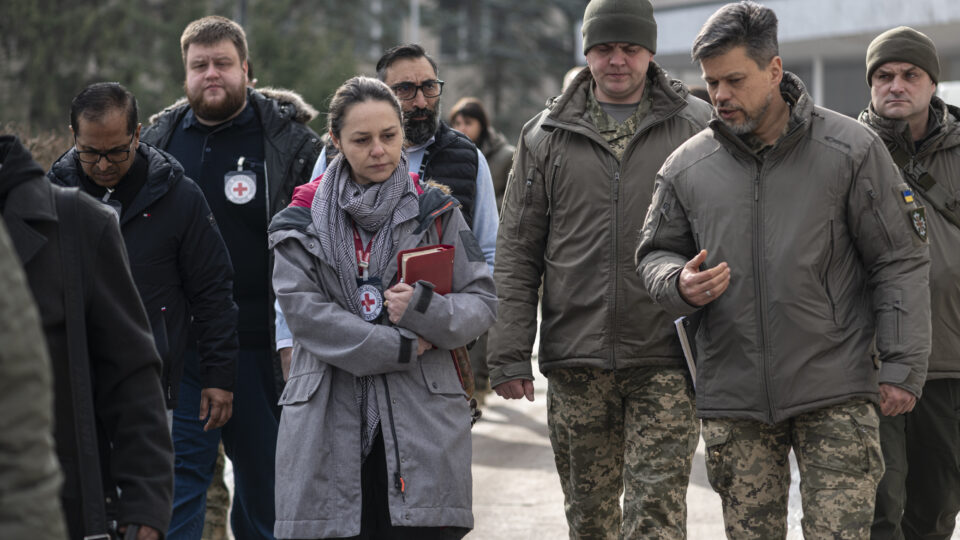
The international delegation, headed by Ana Lucía Bueno, ICRC Public Health Coordinator, and Sujit Panda, Head of the Physical Rehabilitation…


Roads in frontline regions today are not just routes but real lifelines.
They provide the supplies needed for the Defense Forces to effectively resist Russian aggression.
However, in the realities of modern war, the sky above them has also become a zone of active combat, as enemy drones constantly hunt not only military equipment but also civilian transport.
The consequences of such war crimes by Russian occupiers can be very serious and even tragic.
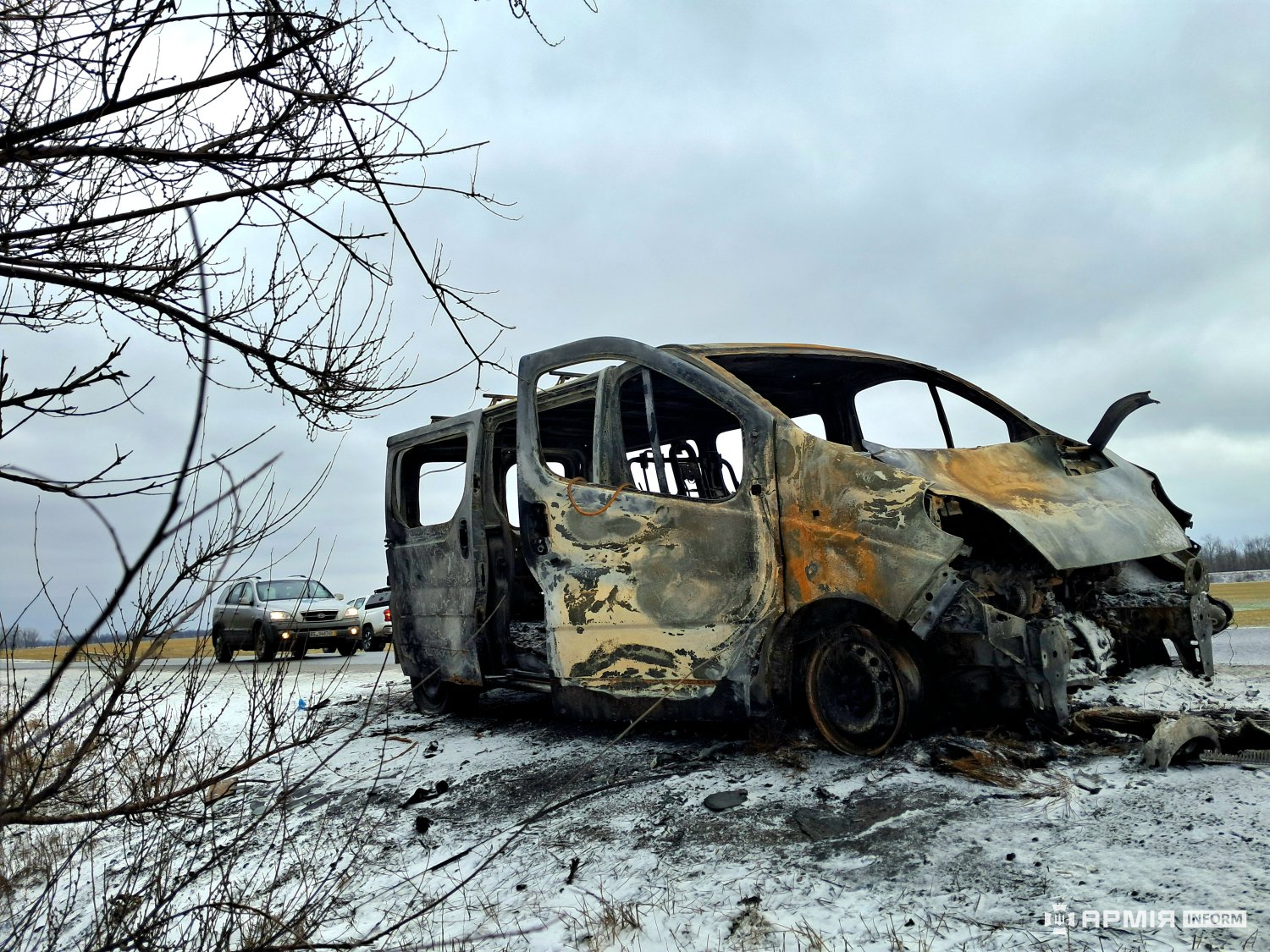
Protecting the roads under such conditions has turned into a non-trivial engineering task, on which both the preservation of human lives and the combat readiness of the army depend. After all, logistics is essentially its “circulatory system”.
Any army relies on the uninterrupted supply of ammunition, fuel, food, and everything else needed for successful combat operations.
However, if a route is constantly under threat from air attacks, supply slows down.
“If this artery becomes dangerous, we will have major problems with supplies, ammo, food — everything. So we don’t have time to wait; we must act”, — explains platoon commander of electronic warfare, junior lieutenant Oleksandr.
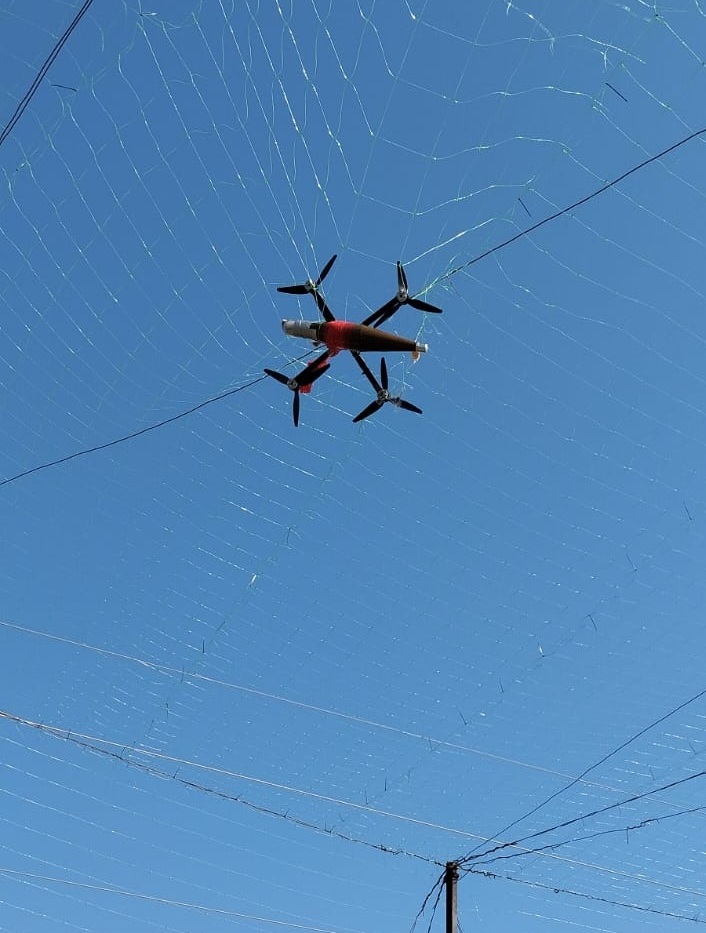
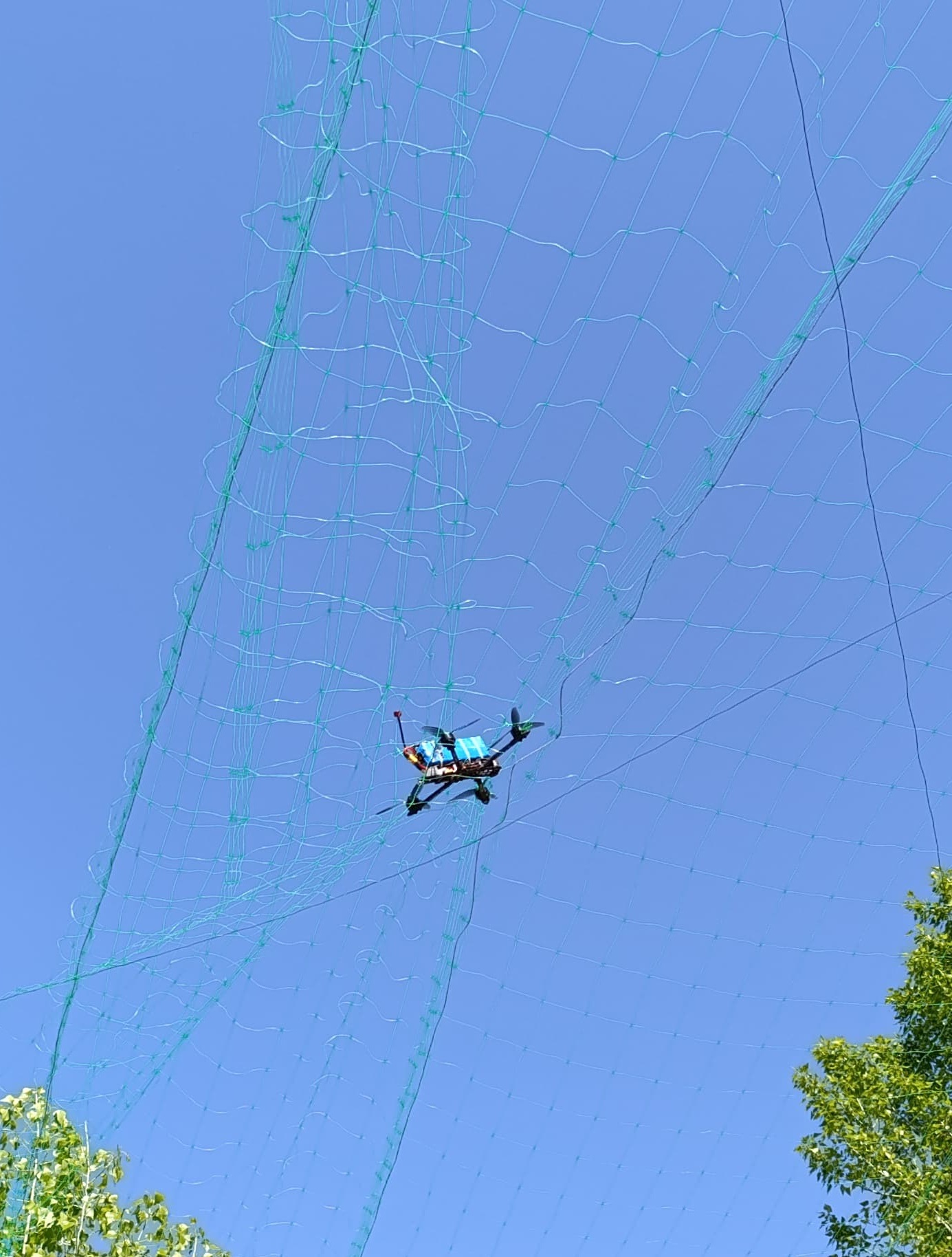
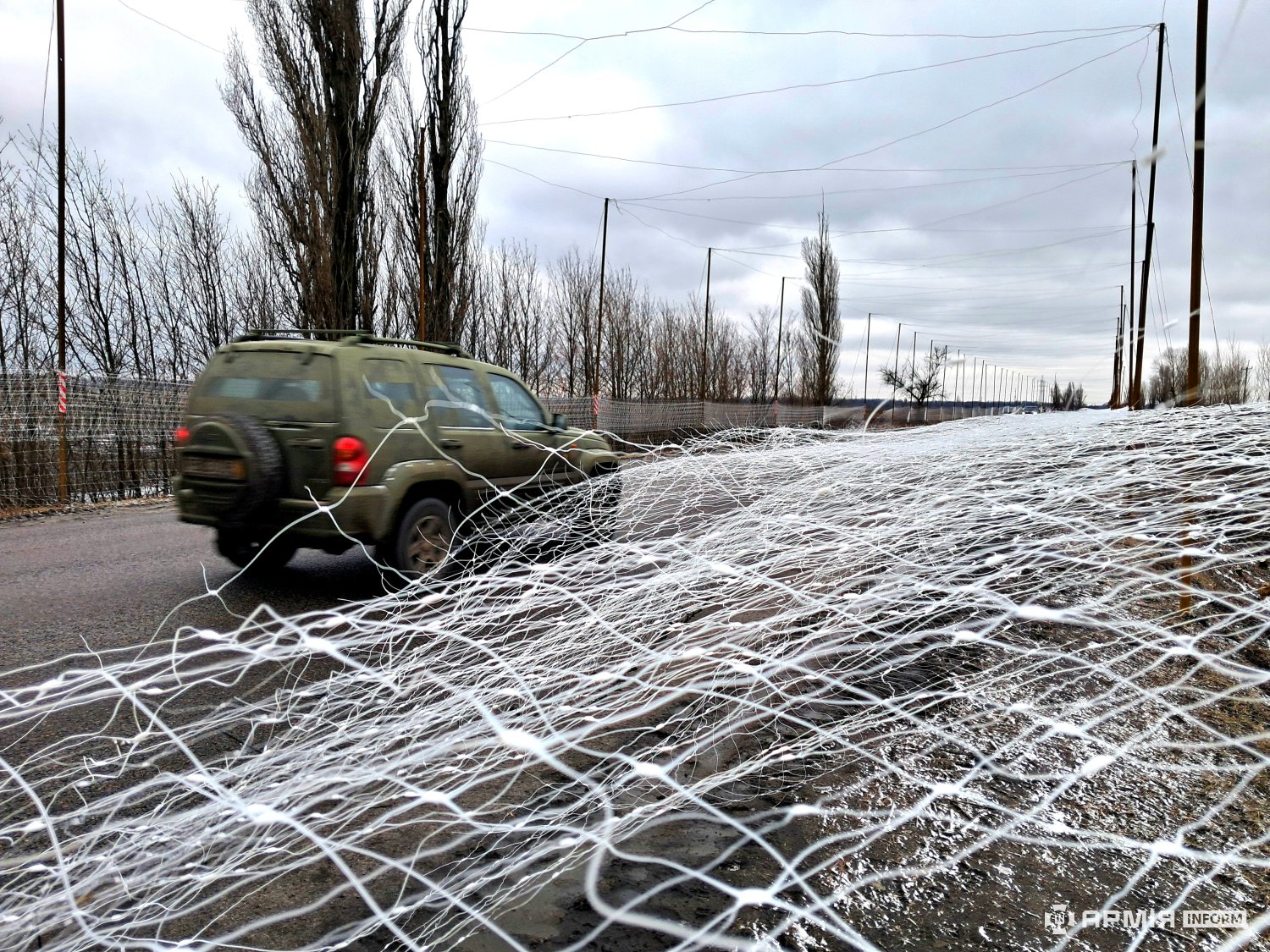
For this reason, the State Special Transport Service has begun protecting local roads with anti-drone nets, whose mesh — unlike electronic warfare systems — can protect transport even from drones controlled via fiber optics.
Rapid adaptation to this new reality with all its threats has become a real challenge for DSST units. However, they have learned to cope with it as efficiently as possible and in the shortest time.
“There were cases when the enemy burned transport here using Molniya and Lancet drones. Because of this, the Ministry of Defense leadership decided to build a road of life here”, — says senior lieutenant Hlib, head of the traffic safety group.
Such barriers complicate the enemy UAV operators’ aiming, physically impede a drone from directly approaching a target, and reduce the effectiveness of dropped munitions.
Furthermore, this protection does not require complex or expensive maintenance after installation and has already demonstrated high effectiveness, having caught more than one enemy drone in its nets.

However, even after finding a successful solution, it still needs to be effectively scaled, as rear roads used by civilians are increasingly becoming potential targets.
“The enemy strikes anywhere. Including civilian cars. There were even situations where people were simply standing near a store, touching no one, and it hit there as well. And we also ‘cover up’ public transport stops to ensure reliable protection”, — says Captain Ihor, commander of the first company for restoring artificial structures.
Due to the constant air threat, the military was given an ambitious task: to cover more than 40 km of road with nets.
“On this road, Russians have started striking logistics extremely heavily. Many trailers, trucks transporting ammo, fuel — were simply burning on the road”, — the captain adds.
To handle this problem, Ukrainian defenders continue their work under any weather conditions, even in the harshest frost.
They know that every protected section means saved lives and preserved equipment, so despite snowstorms, freezing rains, and fatigue, they rush to complete the task, sometimes covering up to three kilometers of road per day.
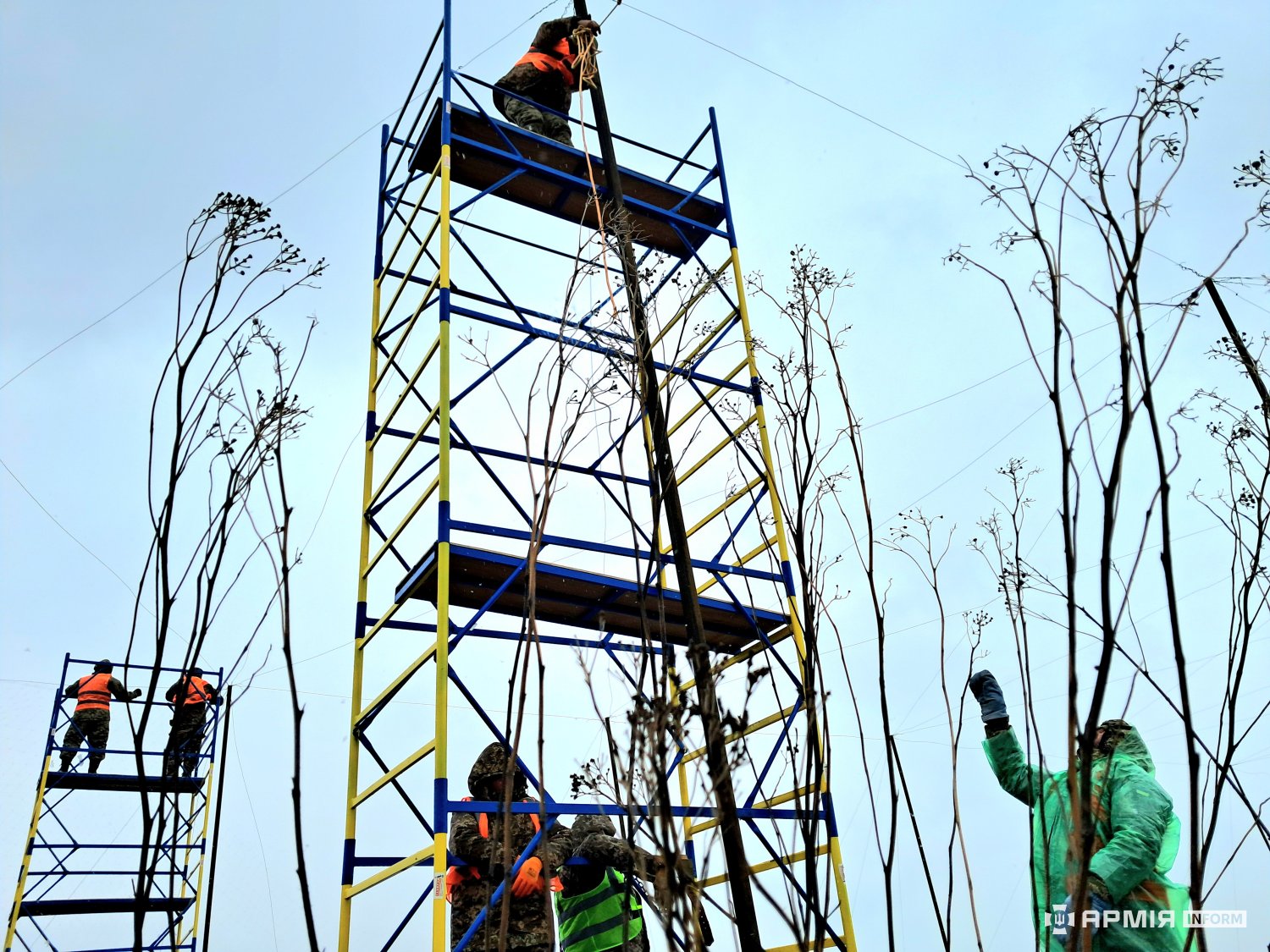
The soldiers drill and dig into frozen ground, drive giant metal piles for the frame, and stretch long rolls of netting.
Some of them must work at significant heights, where strong cold winds cut through unprotected parts of the body like blades.
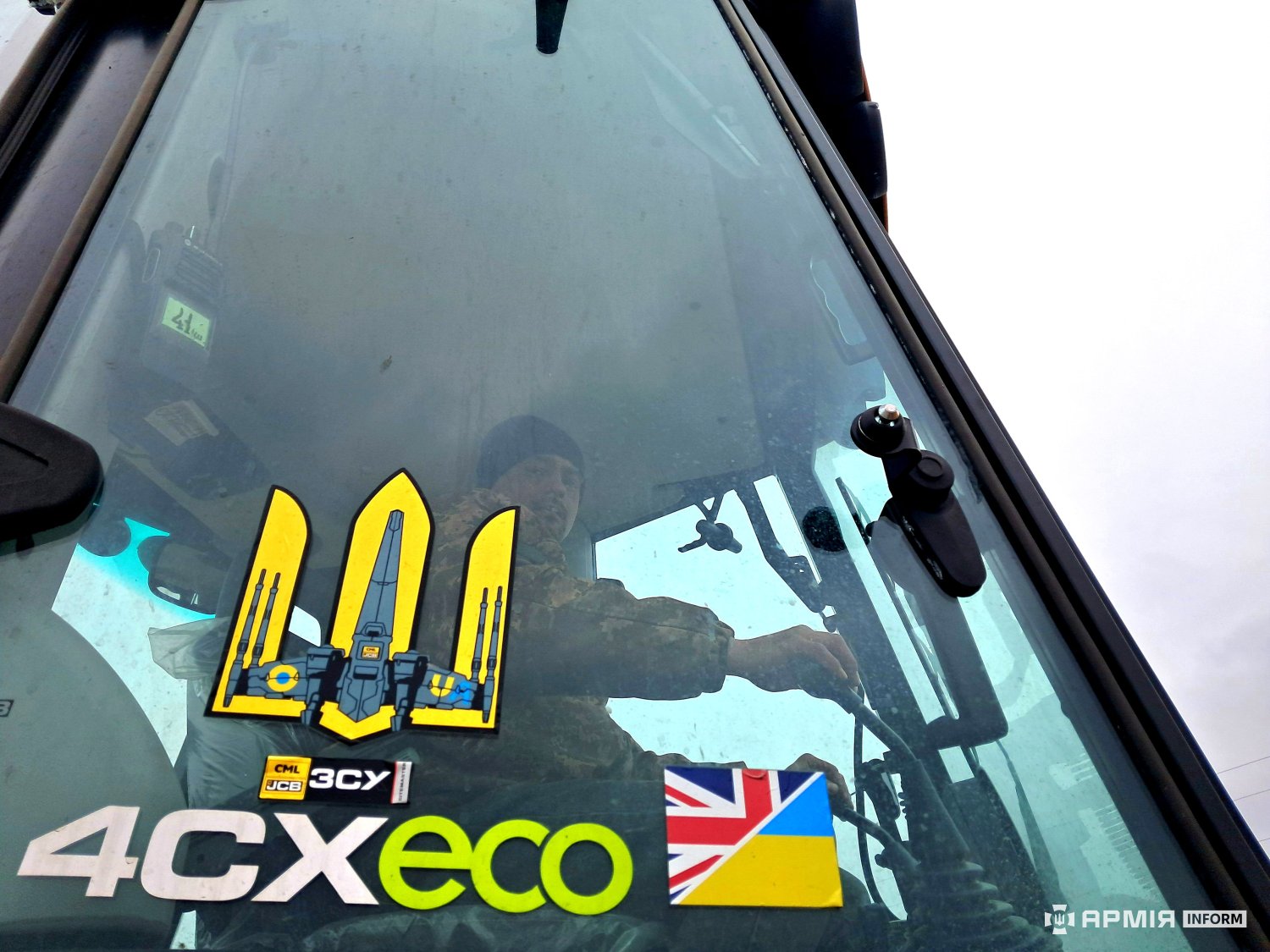
“We build regardless of the weather — for the people, for those we must protect, for our country”, — senior lieutenant Hlib shares.


Another important task is protecting the soldiers themselves performing this critical work.
“Unfortunately, many enemy drones are flying. We are at great risk. But our ‘eyes’ cover us. There are mobile groups covering the sky. Sometimes we run to the groves, hide, and then continue working. We work 24/7”, — Captain Ihor notes.
Additionally, during the work, the soldiers are necessarily protected by various electronic warfare and reconnaissance systems.
“We warn personnel if there is any threat. We also try to prevent it from reaching the work site — using electronic warfare and drone elimination systems”, — adds the EW platoon commander.
And although many kilometers still lie ahead, Ukrainian defenders have no intention of stopping or slowing down.
@armyinformcomua
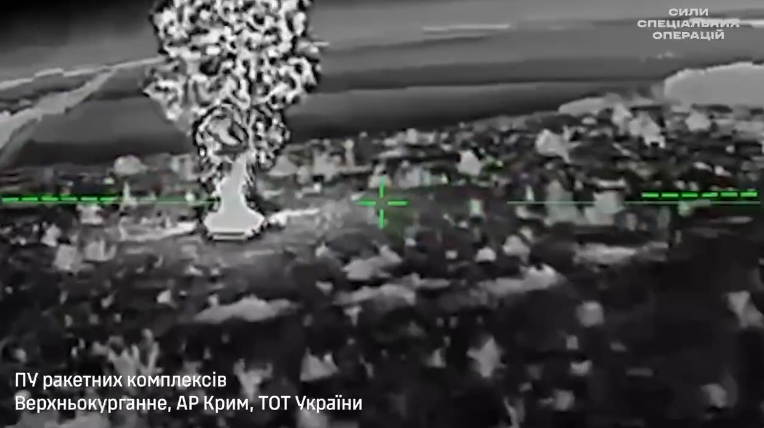
On the night of March 17, 2026, Middle-strike units of the Special Operations Forces struck enemy military targets in occupied Crimea and Zaporizhzhia region.
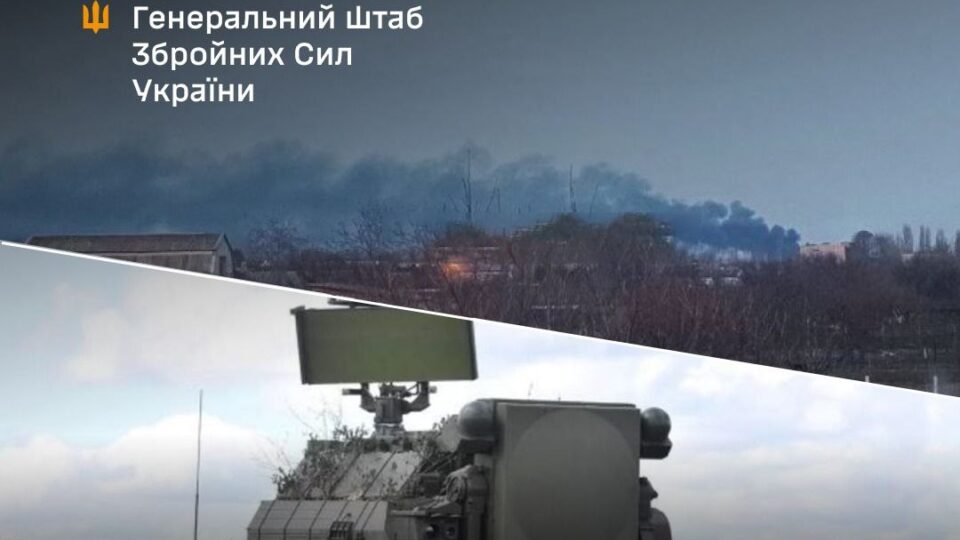
The Defense Forces of Ukraine struck a concentration area of the enemy’s Bastion coastal missile system and military logistics facilities.

Russia’s overall goal is to produce 1,000 drones per day. To counter this, approximately 2–3 thousand interceptors are needed.
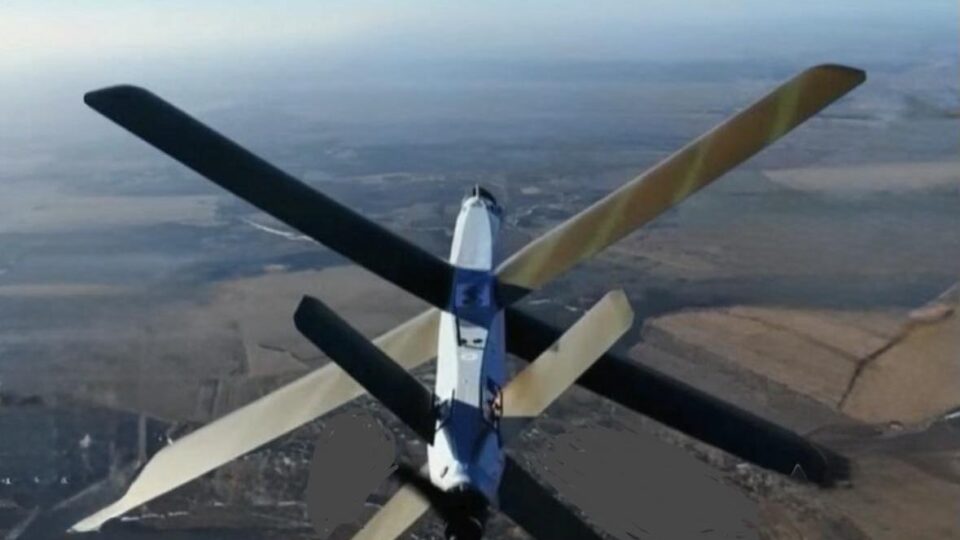
Details have emerged about the Russians’ “victory-obsessed” operation, which managed to drop debris of their own strike UAV on Maidan — a drone that ceased to b
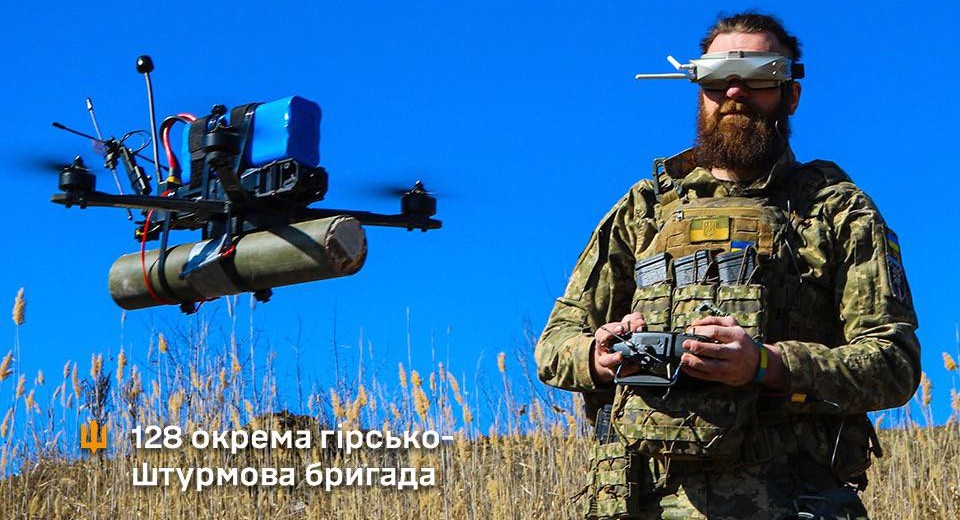
He lived his entire life in the Czech Republic. He had never served in the army and worked as a project manager at an American IT company, and now he is a UAV o

President of Ukraine Volodymyr Zelenskyy, in an interview with the New York Post, commented on the enemy’s mobilization pace and Ukraine’s plan to eliminate the
The international delegation, headed by Ana Lucía Bueno, ICRC Public Health Coordinator, and Sujit Panda, Head of the Physical Rehabilitation…