
The international delegation, headed by Ana Lucía Bueno, ICRC Public Health Coordinator, and Sujit Panda, Head of the Physical Rehabilitation…


What enemy UAVs does the 429th “Achilles” Brigade shoot down? Why are “Molniya” drones dangerous? Why has a drone “made of sticks and trash” become an effective weapon, and how to counter it?
Brigade commander Yuriy Fedorenko explained this to ArmyInform.
“We shoot down tactical-level UAVs. Reconnaissance ones include Supercam, Zala, Orlan, and ‘Vyshchiy Oleg’. They conduct day and night reconnaissance and are the enemy’s main surveillance assets.
Strike UAVs include the loitering munition ‘Lancet’, previously used with a reconnaissance drone. Now the enemy has upgraded it to operate as an autonomous recon-strike complex.
‘Lancet’ is launched along a logistical route used by our forces or directed to an area where they previously spotted our artillery or armored vehicles.
The enemy tries to scale up their numbers, and their presence at the front line is noticeable. So the Defense Forces and particularly the 429th Brigade ‘Achilles’ shoot down both reconnaissance and strike UAVs in their responsibility zone”, — he said.

Fedorenko described Russia’s “Molniya” UAV, significantly upgraded to carry more payload.
“Molniyas come in two types. The first is a single-engine drone made ‘from trash and sticks’. But despite that, it still delivers serious fire damage to our positions.
The single-engine version could carry over 3 kg, mostly fragmentation munitions used against our logistics and sometimes artillery or airstrips.
Eventually, the enemy realized they could cheaply upgrade them to twin-engine versions.
This allowed them to carry about 10 kg — for example, TM-72 anti-tank mines.
Twin-engine Molniyas can carry other Russian-produced munitions — high-explosive, fragmentation, or shaped-charge-fragmentation.
Because Molniyas use analog control and video transmission, we can jam them with EW and detect them with ELINT. And whatever we detect, we can shoot down.
Their advantages? Cheapness and numbers. Most are jammed or shot down — but if 10 Molniyas carrying 10 kg each arrive at an airfield in one day, even one getting through can cause serious damage.
So if the enemy launches 20 and 17–18 are jammed but 2–3 reach the target, the effect is still significant.
A drone ‘made of trash and sticks’ turned out to be dangerous due to low cost and mass use.
But we actively shoot them down. For example, during the February 2–3 attack, the 429th Brigade shot down up to 20 enemy UAVs”.

The enemy is attempting to develop the production of naval drones and copy successful Ukrainian practices — both technical solutions and tactics.
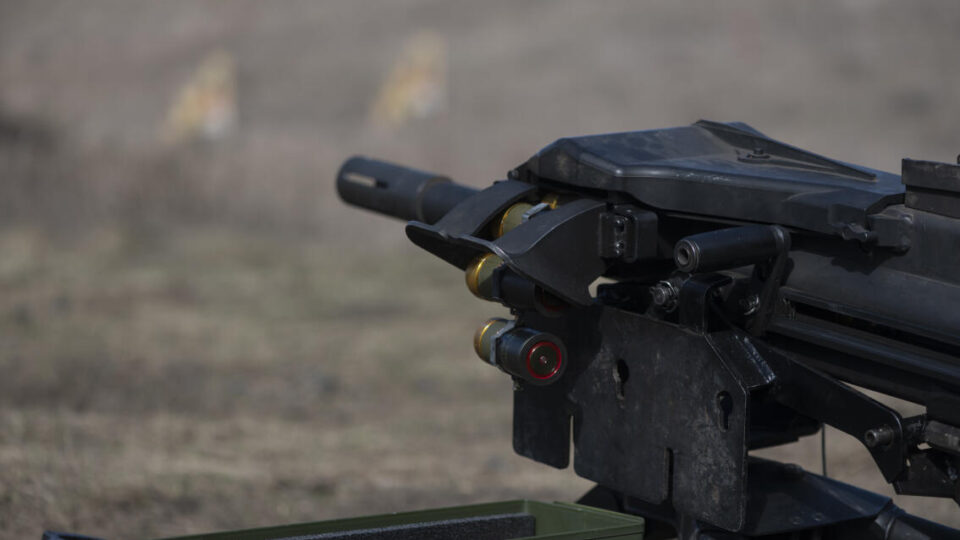
Fighting continues in the northern part of the city of Pokrovsk in the Pokrovsk direction. A mechanized assault was repelled there the day before.
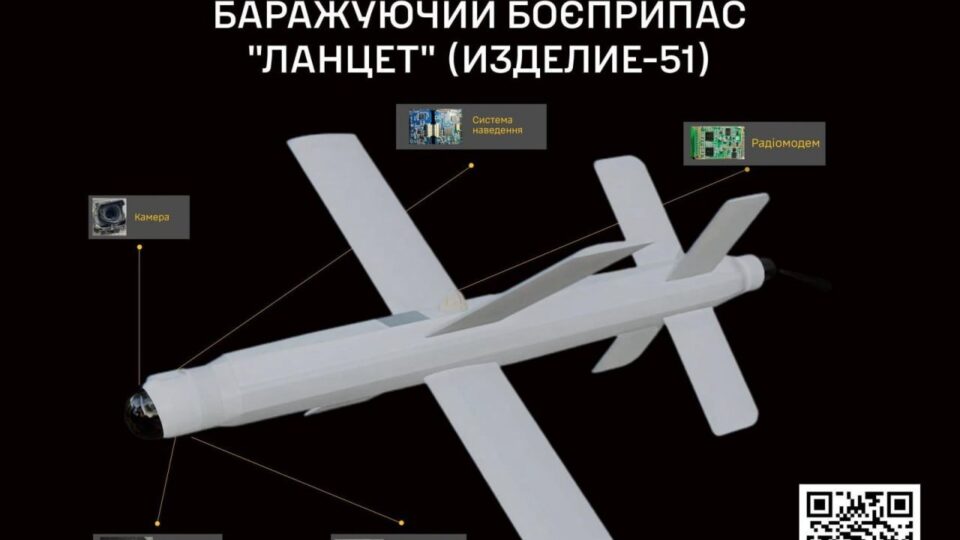
The Main Intelligence Directorate of the Ministry of Defense of Ukraine has published data on enterprises involved in the production of Russian loitering muniti

Another two-day round of negotiations between Ukraine and the United States concluded in Florida on March 22.
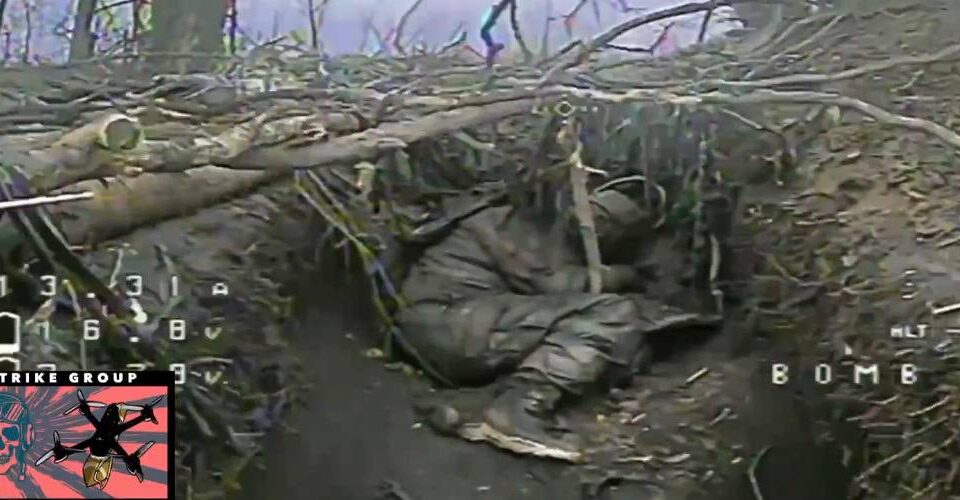
The enemy continues daily pressure and attempts to break through Ukrainian defenses in the Sloviansk direction.
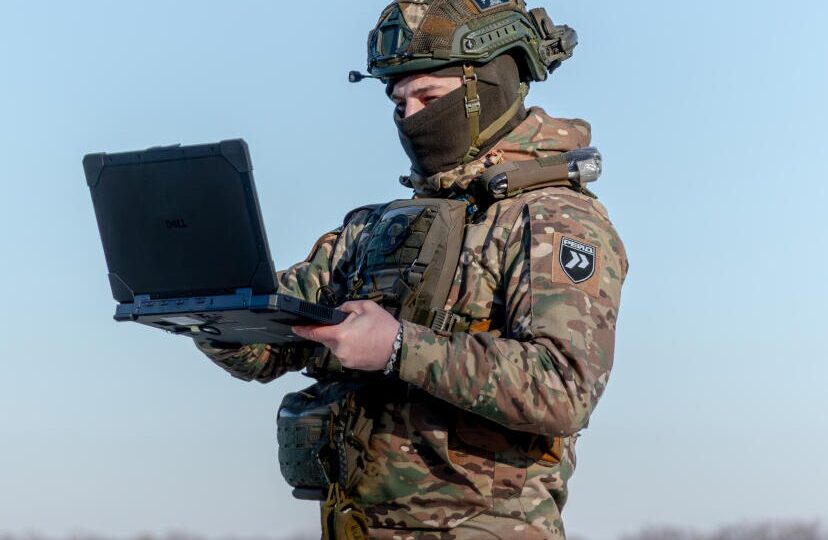
Over the past day, units of the Unmanned Systems Forces struck/destroyed 1,078 enemy targets.
The international delegation, headed by Ana Lucía Bueno, ICRC Public Health Coordinator, and Sujit Panda, Head of the Physical Rehabilitation…