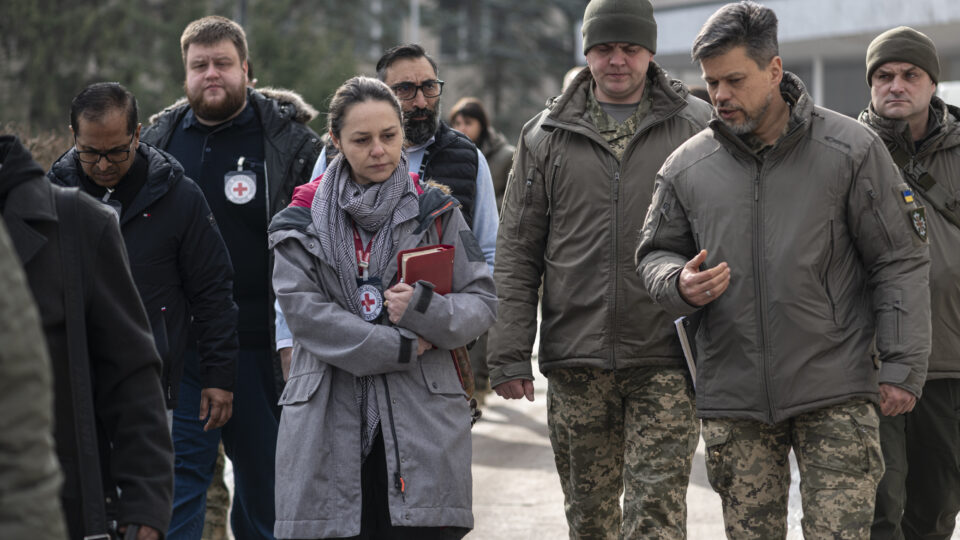
The international delegation, headed by Ana Lucía Bueno, ICRC Public Health Coordinator, and Sujit Panda, Head of the Physical Rehabilitation…


A model online event, “After Action Review”, was held as part of the command-and-staff game “CyberDzhura”.
The session was conducted by Professor Oleh Boiko, retired colonel, professor of the Department of Behavioral Sciences and Military Leadership at the National Academy of Land Forces named after Hetman Petro Sahaidachnyi.
During the event, the “New Vision” team of the CyberDzhura command-and-staff game from the Velyka Novosilka Gymnasium with a primary school of Donetsk region presented a report titled “Recording Emotions on the Electronic Map ArcGIS Story Maps ‘Dzhura-Sichovyk’”.

Professor Oleh Boiko explained the “After Action Review” methodology as a way to cultivate interaction and self-assessment skills using the example of the Dzhura-Sichovyk training tent camp.
He revealed the key aspects of implementing the After Action Review (AAR) methodology, standardized by NATO armies and used in the Armed Forces of Ukraine, within the “Dzhura” game.
Using the example of the Dzhura-Sichovyk training camp, he outlined three main principles of the After Action Review methodology:
— First, it is a tool for development, not punishment. It creates a culture first, and then that culture forms corresponding behavioral capabilities and motivations, all based on values.
We are not so much forming qualities here as building a culture based on values, which manifests itself in communication and interaction. We create an atmosphere of culture.
— Second, leadership. These are facilitators, the ability to actively listen. That is, you speak less and create an atmosphere in which others speak. Of course, you regulate conflicts that will inevitably arise, because this is a guided discussion.
— Third, the result of an AAR is a concrete action plan. That is, we talk not so much about yesterday, which has passed, as we create the next, stronger future. And based on these proposals, it must be further built.
During the event, it was emphasized that After Action Review is an extremely important tool for increasing effectiveness both at the collective and individual levels.
@armyinformcomua
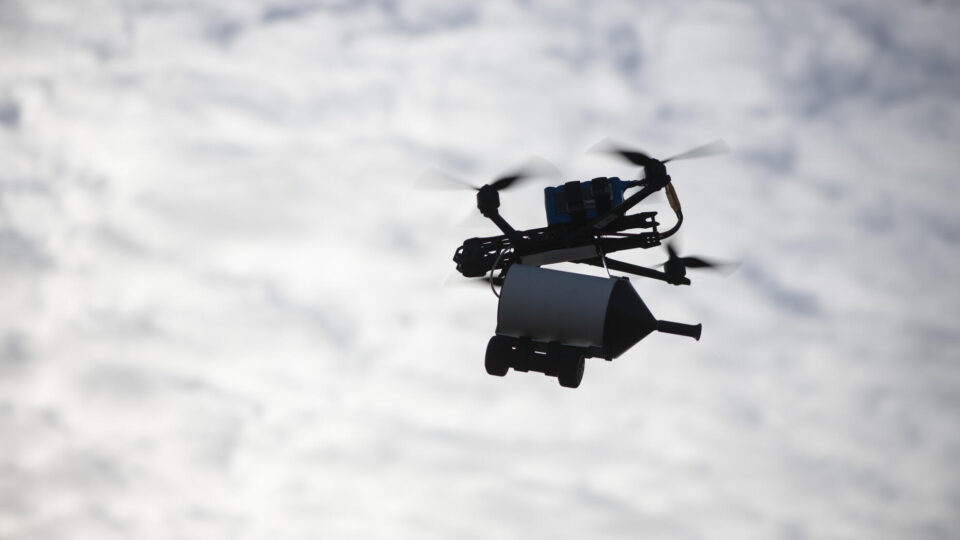
Russian assault groups continue attempts to advance in the Pokrovsk direction, but National Guard fighters are destroying the enemy with strike drones.
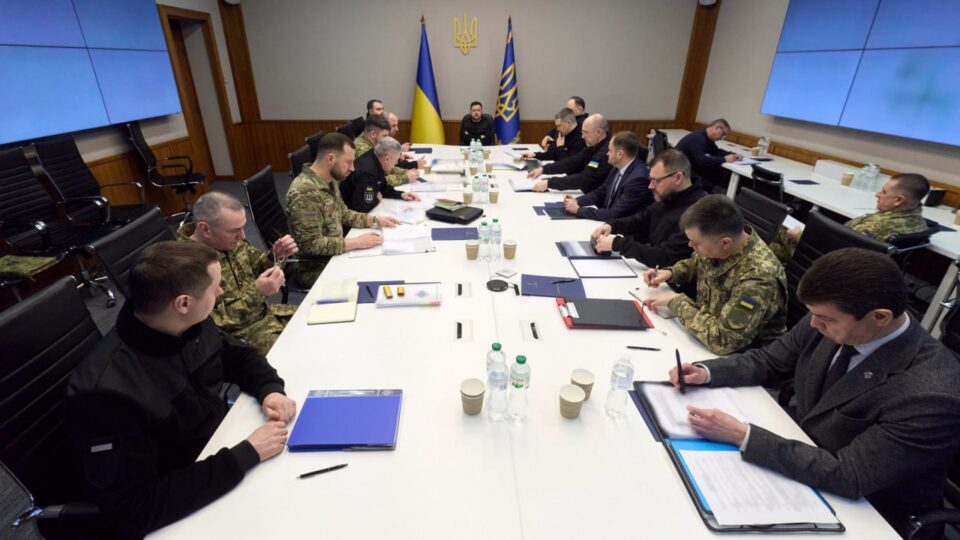
At present, Ukraine has received 11 requests for security support from countries neighboring Iran, European states, and America.
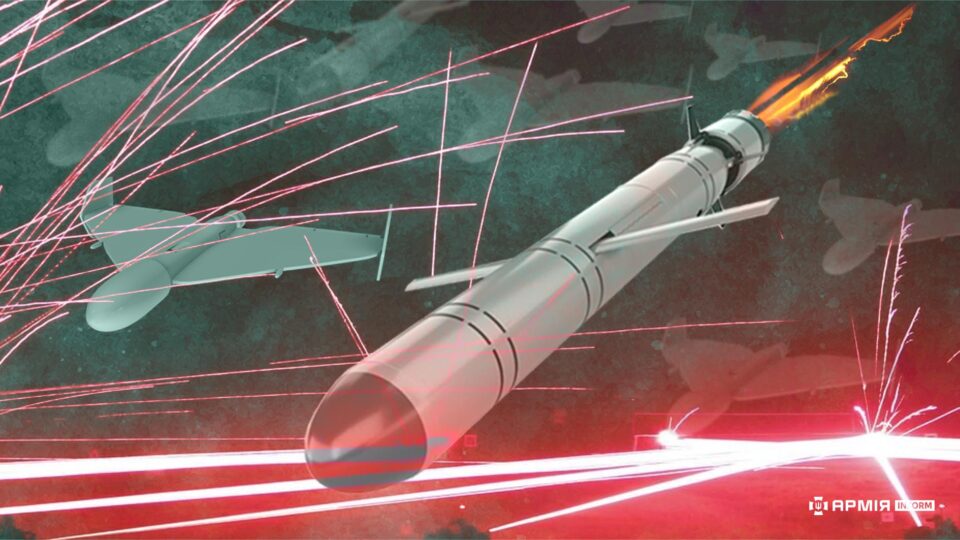
Russian forces have begun using more ballistic missiles during massive attacks against Ukraine.
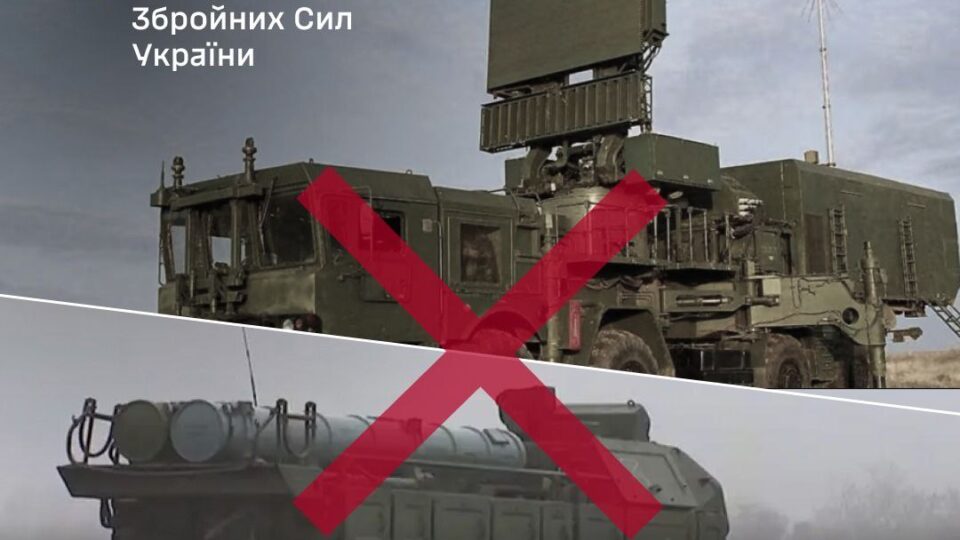
The Defense Forces of Ukraine struck Russian air defense systems, command and observation posts, and areas of enemy troop concentration.
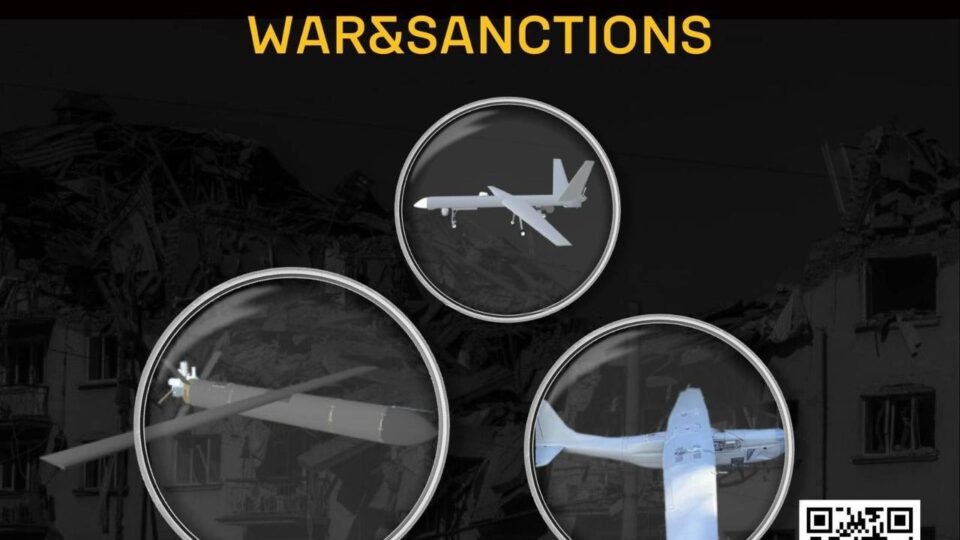
The Defense Intelligence of Ukraine is publishing updated data on enterprises involved in cooperation for the production of the Orion UAV, as well as foreign co
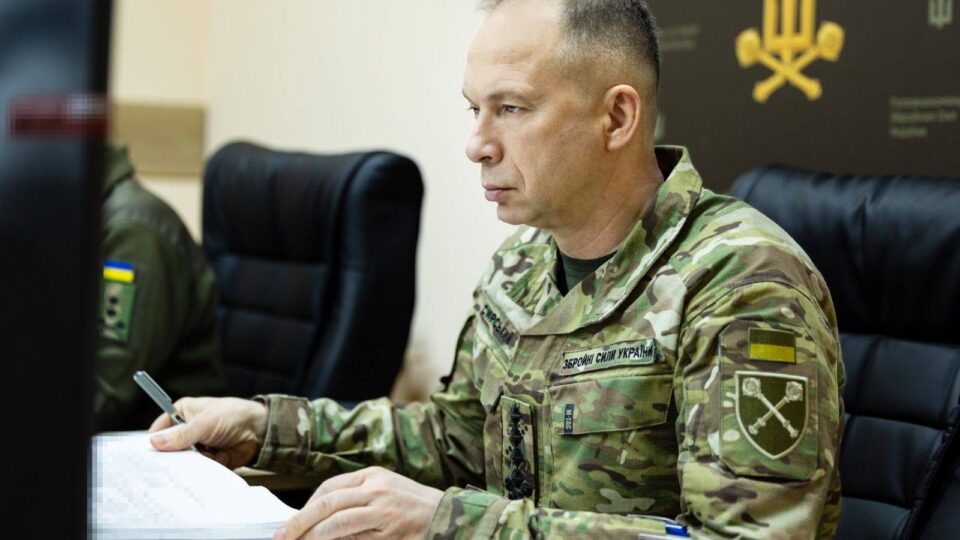
An 18% decrease in the use of FPV drones by Russian forces in February is likely the effect of strikes on enemy UAV arsenals.
The international delegation, headed by Ana Lucía Bueno, ICRC Public Health Coordinator, and Sujit Panda, Head of the Physical Rehabilitation…