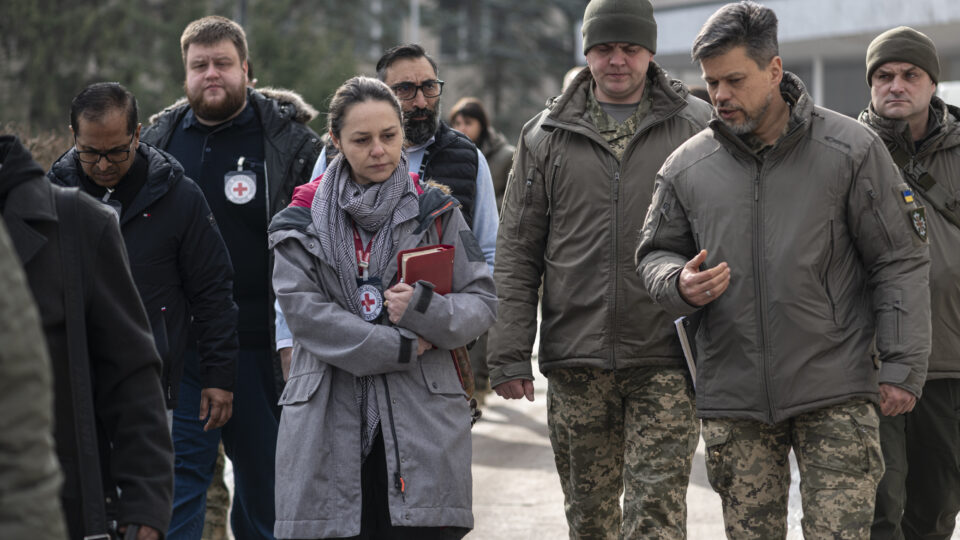
The international delegation, headed by Ana Lucía Bueno, ICRC Public Health Coordinator, and Sujit Panda, Head of the Physical Rehabilitation…

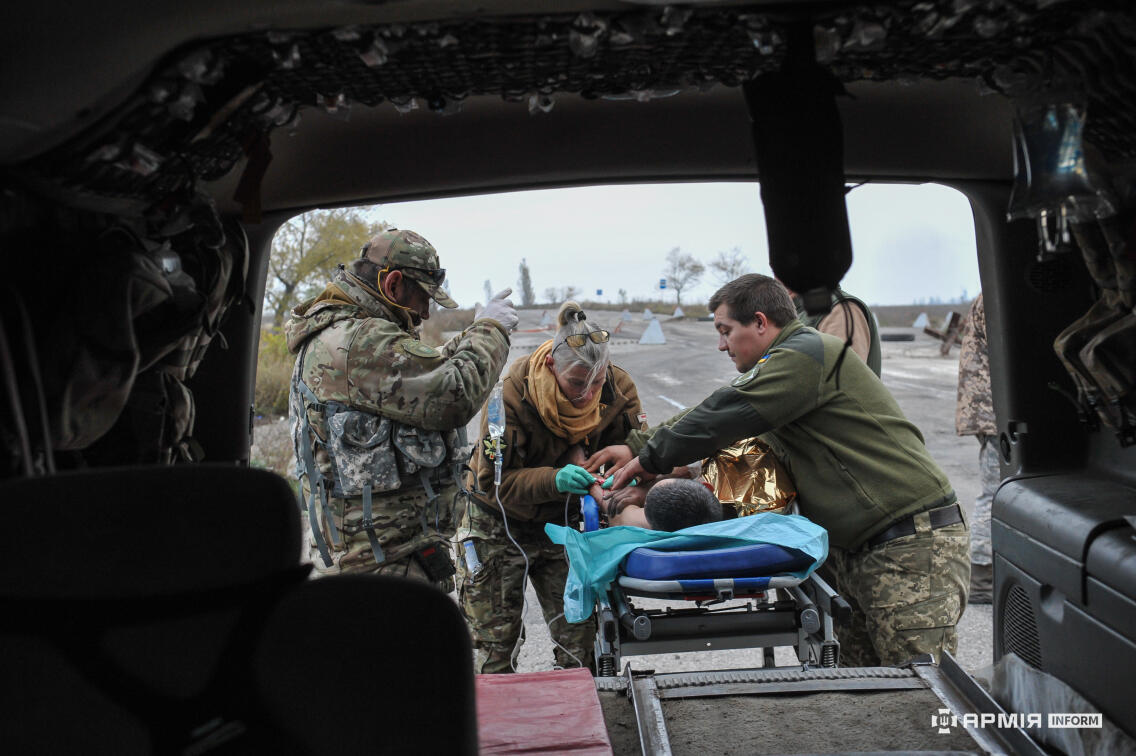
The military medical system is a vital mechanism created to preserve the lives of servicemembers and restore their combat capability through consistent and timely medical care at all stages.
On December 18, the Ministry of Defense explained the key elements of the system’s functioning, including types of medical care, division into stages (tactical pre-hospital, pre-hospital, and hospital care), role classification (R1–R4), and the full pathway of a wounded servicemember from the moment of injury to rehabilitation.
Medical care within the military medical system is classified by place and time of provision, scope, and complexity.
As in civilian healthcare institutions, medical care is divided into the following types:
Emergency (urgent) medical care — medical assistance provided by healthcare professionals in accordance with the law through immediate organizational, diagnostic, and treatment measures aimed at saving and preserving human life in emergency conditions and minimizing the impact of such conditions on health.
Primary medical care — medical care that includes consultations, diagnostics, and treatment of the most common diseases, injuries, poisonings, pathological and physiological conditions (including during pregnancy), preventive measures; referral of patients who do not require emergency medical care for specialized medical care as indicated; and provision of urgent medical care in cases of physical or mental health disorders that do not require emergency or specialized medical care.
Specialized medical care — medical care provided on an outpatient or inpatient basis by physicians of relevant specializations (excluding general practitioners/family doctors), either planned or in emergency cases. It includes consultations, diagnostics, treatment, and prevention of diseases, injuries, poisonings, pathological and physiological conditions (including pregnancy and childbirth), including the use of high-tech equipment and/or highly specialized medical procedures of high complexity; referral of patients for specialized care in another field as medically indicated.
Palliative care — a set of measures aimed at improving the quality of life of patients of all ages and their family members facing life-threatening illnesses. It includes prevention and relief of suffering through early identification and assessment of symptoms, pain relief, and addressing other physical, psychosocial, and spiritual problems.
Rehabilitation in healthcare — a set of measures carried out by rehabilitation specialists working in rehabilitation institutions, departments, units, as well as in territorial communities, either as part of a multidisciplinary rehabilitation team or independently, providing rehabilitation care to individuals with limitations in daily functioning (or those at risk of such limitations) in order to achieve and maintain optimal functioning and quality of life in their environment.
Understanding the types of care makes it possible to clearly trace how they are consistently provided to a servicemember during evacuation.
The path of the wounded begins directly at the Point of Injury (POI). Here, through self-aid and buddy aid, as well as by combat medics, tactical pre-hospital care is provided based on the principles of TCCC (Tactical Combat Casualty Care) and the MARCH-PAWS algorithm.
TCCC is a standardized system of medical care in combat conditions that divides care into phases depending on the level of threat.
MARCH-PAWS, in turn, is the key TCCC algorithm that defines the medic’s priorities, focusing on the rapid elimination of the main causes of death on the battlefield, starting with M (massive hemorrhage control) and ending with S (splinting fractures and immobilization).
A key concept at the tactical level is the so-called “golden hour.” This is a critical time period (usually the first hour after a severe injury) during which pre-hospital medical care has a decisive impact on saving lives.
That is why the rapid application of tourniquets, bleeding control, and evacuation are priority number one on the battlefield.
However, due to the complex battlefield situation, evacuation within this timeframe is often not possible.
Therefore, as the intensity of combat increases, prolonged field care (PFC) becomes increasingly important.
After evacuation to a medical unit staffed by healthcare professionals, the stage of pre-hospital medical care begins.
Initially, the wounded person arrives at a stabilization point (Role 1 medical formation), where resuscitation care with (remote) damage control resuscitation ((R)DCR) is provided.
After that, the patient is referred to a forward surgical team or Role 2 facility, where surgical care is provided in the scope of Damage Control Surgery (DCS).
The main goal of DCS is to prevent death from internal bleeding and/or loss of limbs, or to reduce the extent of limb tissue requiring amputation.
For comprehensive treatment, the patient is then referred to a Role 3 medical facility, usually military hospitals or central district hospitals, where specialized inpatient medical care is provided by specialist doctors.
For long-term treatment and to address rehabilitation needs, the patient is referred to a Role 4 healthcare facility. These are typically military medical clinical centers, regional clinical hospitals, specialized institutes, and similar institutions.
If necessary and possible, in complex cases the patient may also be referred for treatment abroad. To this end, the Medical Forces Command of the Armed Forces of Ukraine submits a request to the Ministry of Health of Ukraine, which then identifies a foreign medical institution capable of providing care.
Thanks to the implementation of the Unified Medical Space concept, when military hospitals are overloaded, wounded servicemembers are promptly distributed to civilian multidisciplinary hospitals.
The final stage of recovery is long-term rehabilitation, which takes place in Armed Forces rehabilitation hospitals, civilian healthcare facilities, and healthcare institutions abroad.
The goal is maximum restoration of impaired or lost functions and the return of servicemembers to a full life.
The military medical system is a complex but reliable structure in which every element — from tactical pre-hospital care on the battlefield to rehabilitation in specialized centers — operates in sync.
Timely medical care saves lives and enables a faster return to duty. Every minute matters: prompt medical intervention mitigates the consequences of injuries or illness, shortens the rehabilitation period, and gives defenders a higher chance of full recovery.

The enemy is attempting to develop the production of naval drones and copy successful Ukrainian practices — both technical solutions and tactics.
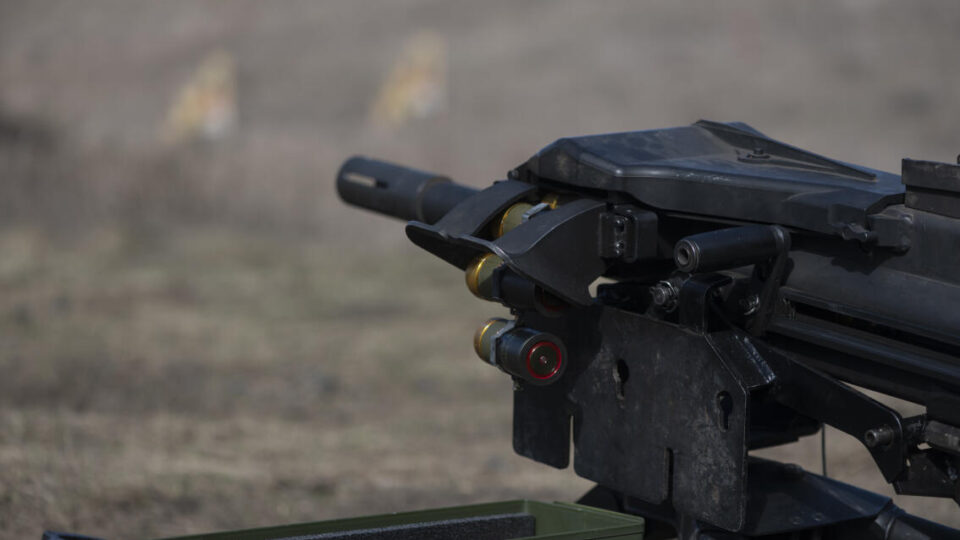
Fighting continues in the northern part of the city of Pokrovsk in the Pokrovsk direction. A mechanized assault was repelled there the day before.
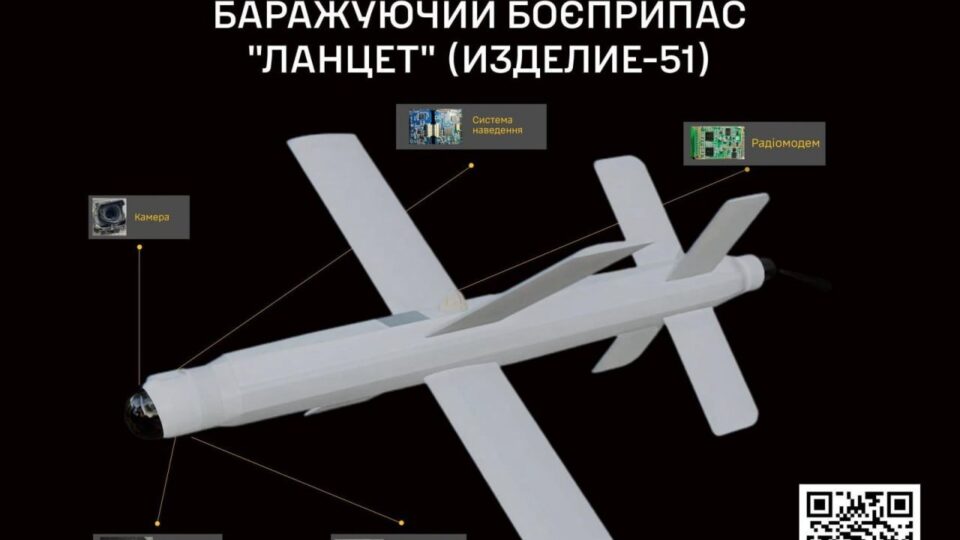
The Main Intelligence Directorate of the Ministry of Defense of Ukraine has published data on enterprises involved in the production of Russian loitering muniti

Another two-day round of negotiations between Ukraine and the United States concluded in Florida on March 22.
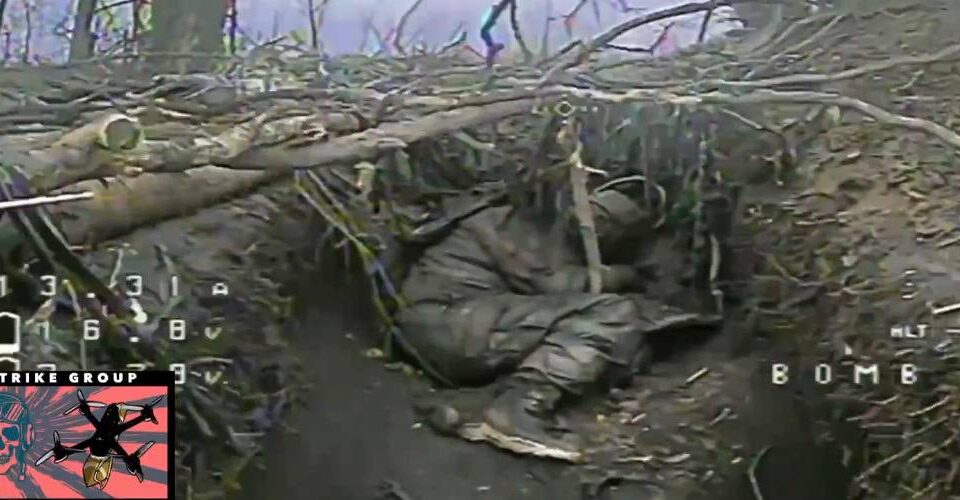
The enemy continues daily pressure and attempts to break through Ukrainian defenses in the Sloviansk direction.
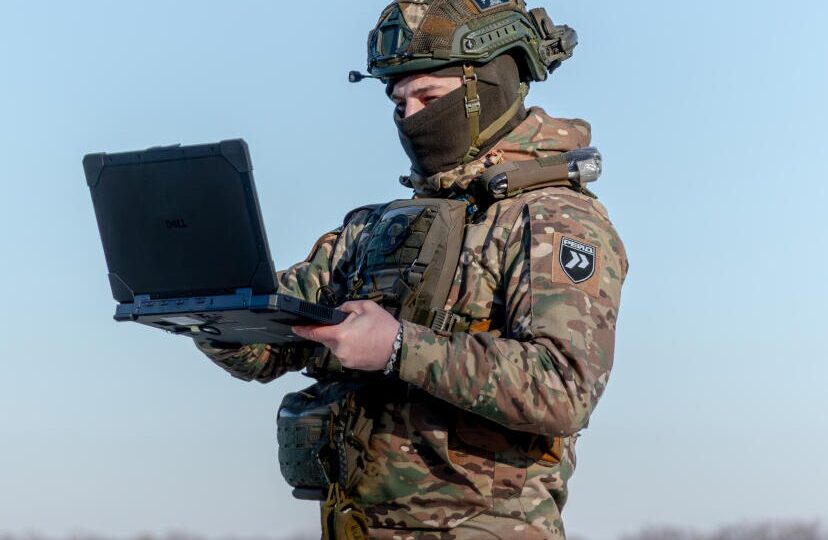
Over the past day, units of the Unmanned Systems Forces struck/destroyed 1,078 enemy targets.
The international delegation, headed by Ana Lucía Bueno, ICRC Public Health Coordinator, and Sujit Panda, Head of the Physical Rehabilitation…