In 2025, the Ukraine Defense Contact Group held eight meetings, during which partners announced military aid packages for Ukraine totaling billions of euros.
This was reported by the Ministry of Defense of Ukraine.
Air Defense and commitments for 2026
During the final Contact Group meeting in the Ramstein format, held online on December 16, partners declared long-term commitments to strengthen Ukraine’s defense:
Germany — €11.5 billion in 2026 with a focus on air defense, UAVs, and artillery ammunition;
United Kingdom — £600 million to strengthen air defense using frozen Russian assets, partner funds, and the national budget;
Canada, the Netherlands, and Portugal — contributions to the production of Ukrainian UAVs;
Estonia, Latvia, and Lithuania — commitments to support Ukraine in 2026 at a level of at least 0.25% of GDP;
Montenegro, Denmark, Luxembourg, and New Zealand — new contributions to PURL for the procurement of critically needed weapons;
Poland — agreements on joint projects in the defense industry within the SAFE mechanism;
Norway — approximately $7 billion in total military assistance in 2026;
Czech Republic — financing the supply of 760,000 artillery shells under the “Czech initiative” for 2026.
PURL and procurement of Ukrainian weapons
At the Contact Group meeting on October 16 in Brussels, partners focused on developing the PURL initiative and direct procurement of Ukrainian weapons:
new contributions to PURL totaling at least $422 million;
more than $715 million from Norway, the Netherlands, Canada, and Iceland for purchasing Ukrainian equipment and weapons;
Sweden — $8 billion in security assistance to Ukraine in 2026–2027.
Long-Range Ukrainian-made weapons
At the September 9 meeting in London, partners agreed on financing Ukraine’s long-range capabilities:
Germany — €500 million contribution to PURL and €300 million for the procurement of Ukrainian long-range drones;
United Kingdom — financing several thousand long-range strike drones with delivery over 12 months;
Denmark — launch of a joint venture with Ukraine for long-range weapons production;
Canada — €500 million to PURL and $220 million for Ukrainian drones and other assistance;
Lithuania, Latvia, Belgium, Luxembourg, and others — additional contributions and new aid packages.
Procurement of U.S. weapons under the PURL initiative
At the online meeting on July 21, 2025, decisions were announced regarding a mechanism for procuring U.S. weapons for Ukraine:
the United States initiated a new mechanism together with NATO, allowing European countries to purchase U.S. weapons for Ukraine, with European partners joining the financing;
Germany — transfer of more than 200,000 rounds for Gepard systems and financing the procurement of Ukrainian long-range drones;
Netherlands — €200 million for interceptor drones and €125 million for servicing F-16 aircraft;
Canada — CAD 20 million for servicing Ukrainian tanks.
Build with Ukraine
At the June 4, 2025 meeting in Brussels, Ukraine announced the launch of an international joint weapons production initiative:
establishment of the Build with Ukraine initiative — joint production of Ukrainian weapons on the territory of Contact Group member states to meet the urgent needs of the Defense Forces of Ukraine;
agreement to support Ukraine under the “Danish model” up to €1.3 billion in 2025; the first tranche of €428 million from Denmark, Sweden, Canada, Norway, and Iceland.
Electronic warfare Coalition
At the April 11, 2025 meeting in Brussels, Ukraine and partners announced the creation of a separate electronic warfare coalition:
Ukraine and Germany officially announced the creation of the EW Coalition; 10 states joined by signing a joint Letter of Intent;
Germany — delivery of four IRIS-T air defense systems and 300 interceptor missiles, as well as missiles for Patriot, Leopard 1 tanks, Marder infantry fighting vehicles, and thousands of artillery rounds; additional assistance through 2029 totaling €11 billion;
United Kingdom — £450 million in assistance: hundreds of thousands of drones, radar systems, and repairs of previously supplied equipment;
Norway — increase of military support in 2025 by €5 billion and an additional €1 billion in aid, including for ammunition and air/missile defense.
Leadership of the United Kingdom and Germany
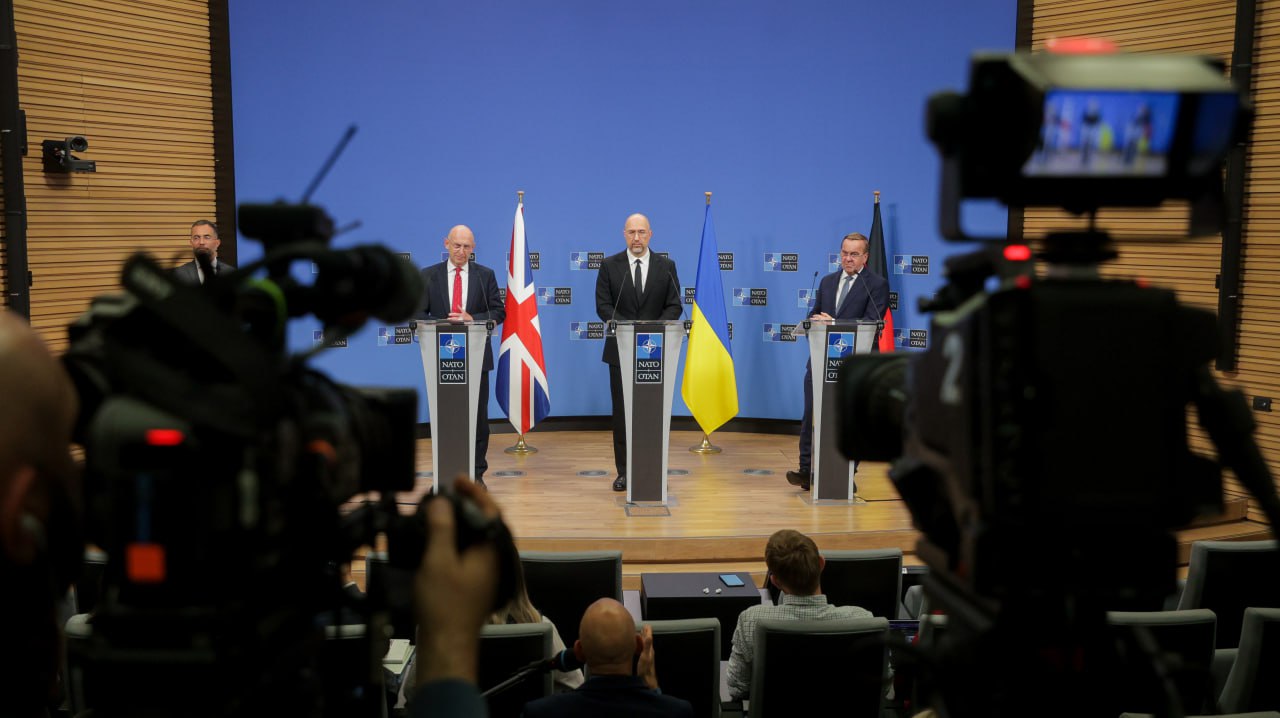
At the February 12, 2025 meeting in Brussels, the United Kingdom and Germany assumed leadership of the Contact Group for the first time:
the meetings were chaired by UK Secretary of State for Defence John Healey and German Minister of Defence Boris Pistorius;
Denmark completed the transfer of most of its F-16 fighter jets;
Sweden confirmed long-term support of €2.3 billion per year, including €530 million for drones, ammunition, and technologies, and €250 million under the “Danish model”;
Norway — €100 million to support the Integrated Air and Missile Defense Coalition, €240 million for the development of maritime capabilities, and €50 million to support the drone coalition.
Plans for the Development of the Defense Forces through 2027
At the first meeting of the year on January 9, 2025, at Ramstein Air Base in Germany, roadmaps for the development of the Defense Forces of Ukraine were approved:
roadmaps through 2027 within eight capability coalitions: aviation, air defense, maritime capabilities, artillery, armored vehicles, IT, drones, and demining;
United States — $500 million aid package (air defense missiles, air-to-air missiles, and equipment for F-16 aircraft);
Canada — CAD 440 million in assistance (including CAD 100 million for the procurement of Ukrainian weapons under the “Danish model”);
United Kingdom and NATO allies — 30,000 new drones worth £45 million;
Norway — NOK 700 million for the procurement of drones;
Germany — six IRIS-T air defense systems and 50 interceptor missiles for them during 2025;
Iceland — €2 million to finance the production of Ukrainian weapons under the “Danish model”.
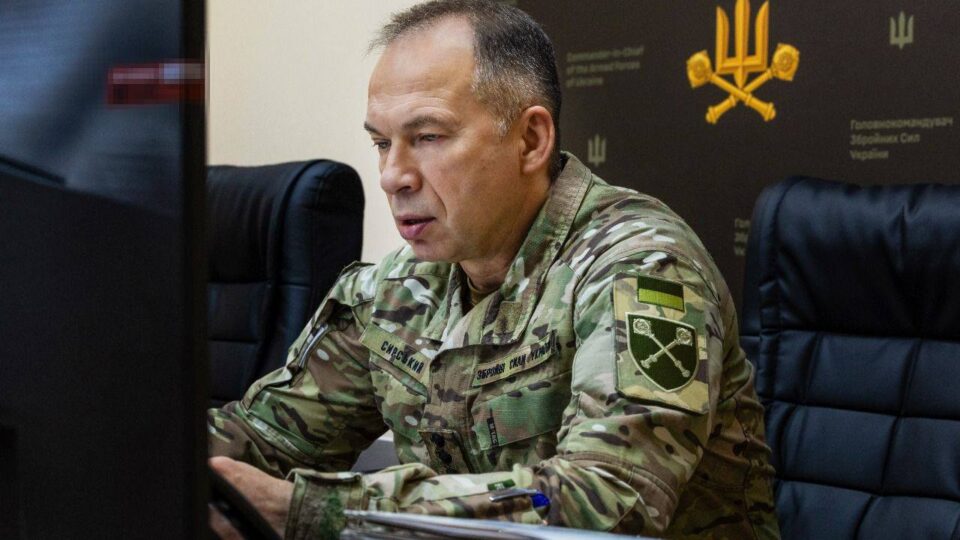
Commander-in-Chief of the Armed Forces of Ukraine, General Oleksandr Syrskyi, took part in the 32nd meeting of the Ukraine Defense Contact Group via videoconference and briefed partners on the current situation at the front.
On the Lyman axis, the enemy is attacking with massive amounts of infantry. Poorly trained fighters are being sent forward, abandoned without water or food.
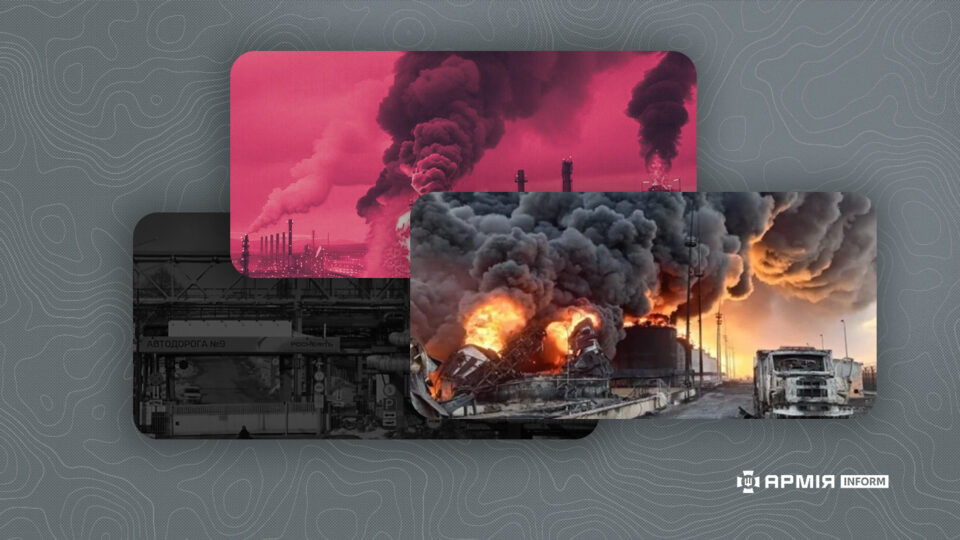
On the night of December 17, the Defense Forces of Ukraine carried out a series of strikes against oil refining and logistics infrastructure facilities of the Russian Federation.
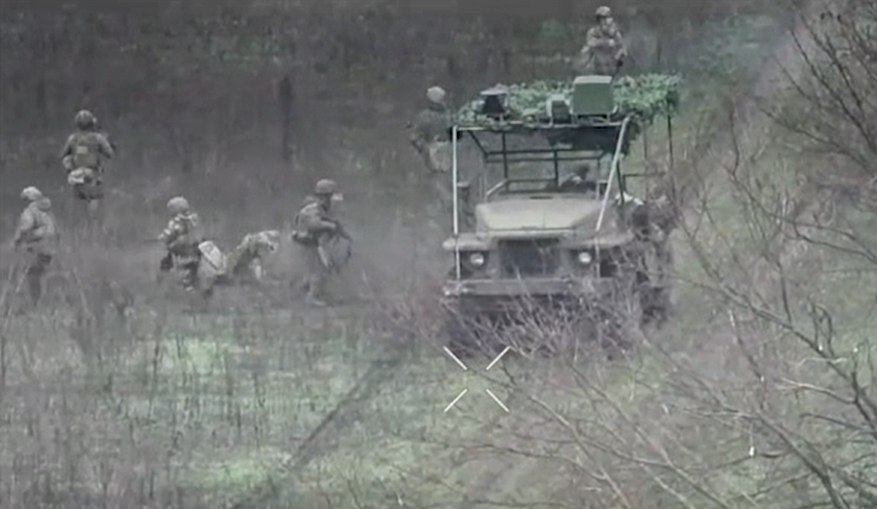
The situation on the Pokrovsk axis remains difficult. The enemy is attempting assault operations both day and night, taking advantage of unfavorable weather conditions, and periodically tries to advance in fairly large groups.
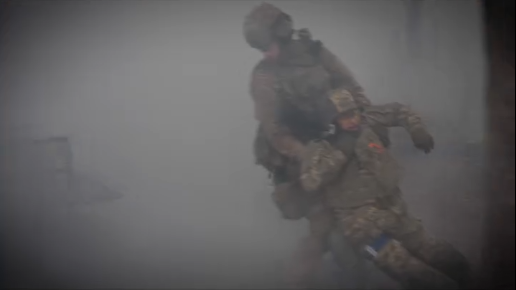
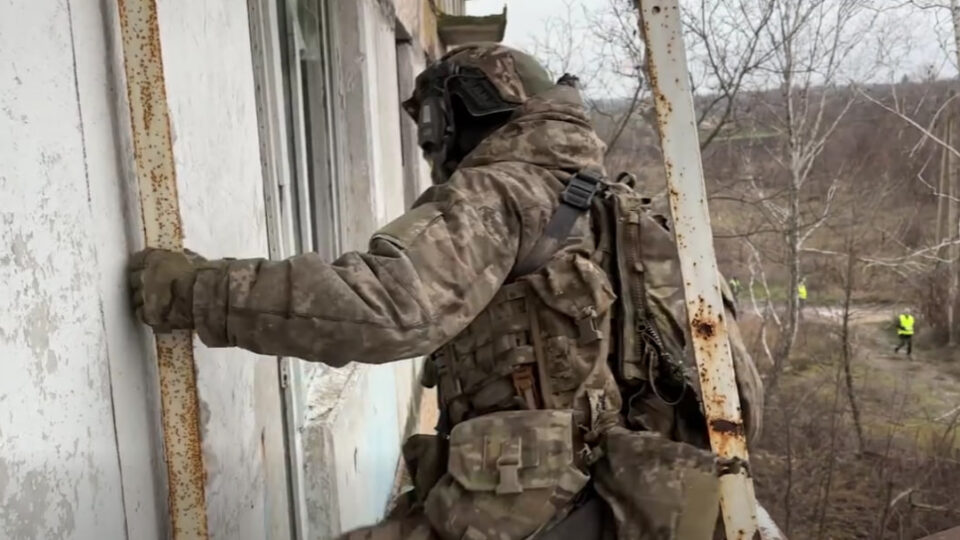
Operators of the 3rd Special Operations Forces Regiment conducted training in close-quarters combat (CQB). During the exercises, the unit practiced maneuvering, additional reconnaissance, and assaulting a simulated settlement.
We use cookies to provide you with the best experience on our website.
By continuing to use the site, you agree to the use of cookies.
Learn more about our cookie policy.