Він входить до Об’єднаного командно-штабного коледжу Академії оборони Великої Британії. За результатами навчання він отримав Thales Prize як найкращий міжнародний…

 Слідкуйте за АрміяInform в Google
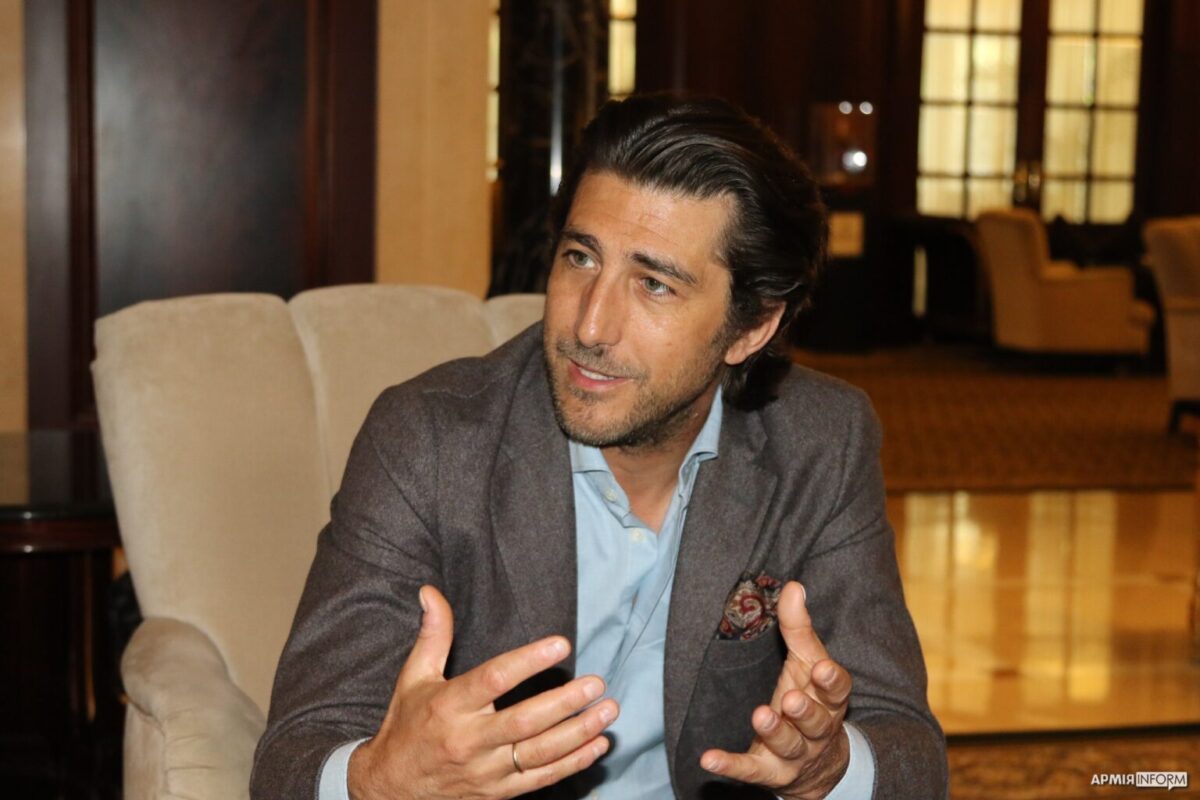
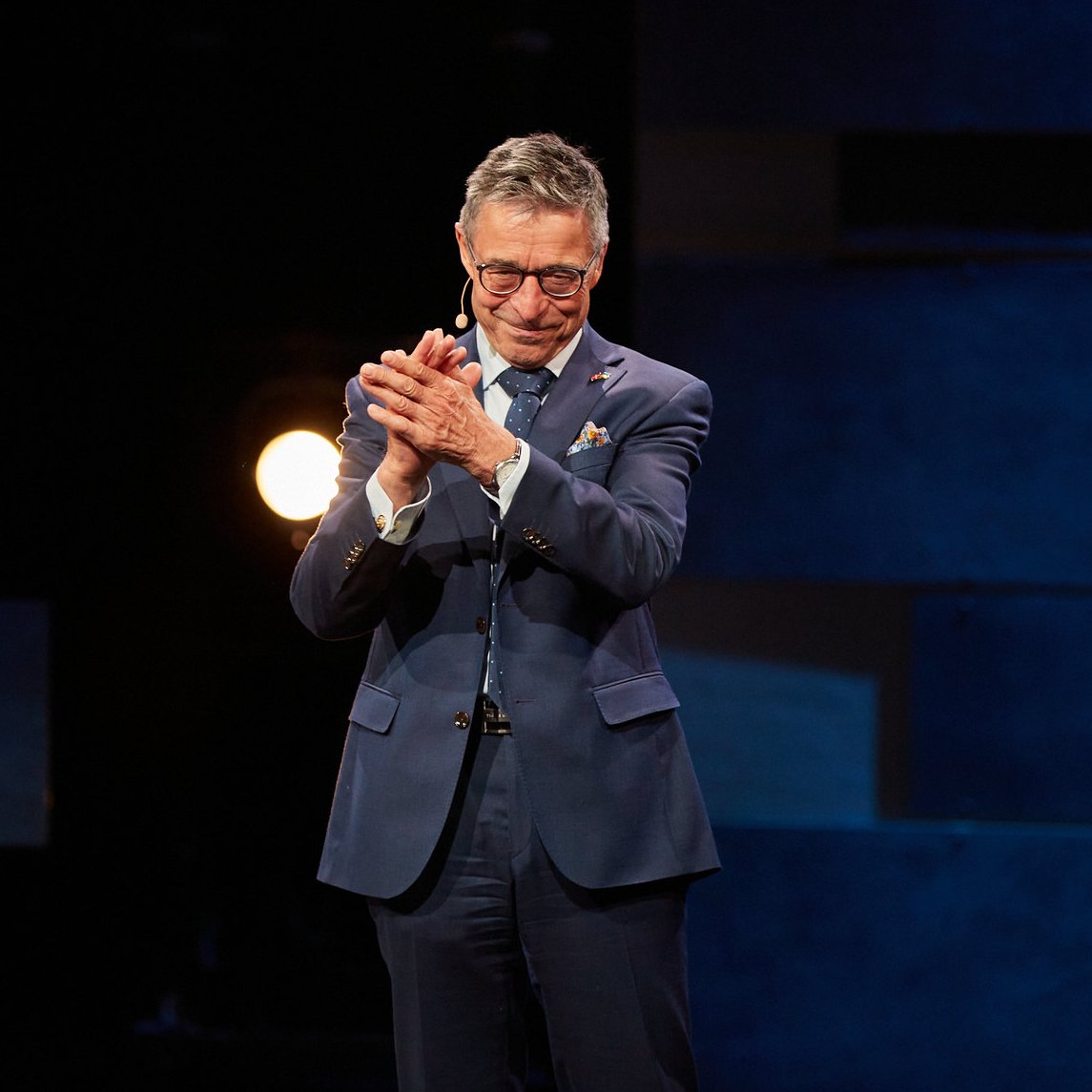
ArmyInform correspondents spoke with Fabrice Pothier, former Head of Policy Planning, Office of the Secretary General of NATO and CEO “Rasmussen Global” on the NATO transformations after 2014, French foreign police and upcoming NATO Vilnius summit. This is interview is a part of UAreNATO — joint project of ArmyInform, Ukraine Mission to NATO and NATO Information and Documentation Сentre in Ukraine about the past and present of Ukraine-NATO cooperation.
—What do you think about the transformations within NATO during the full-scale Russian invasion of Ukraine? How did the war change the Alliance?
—I think there were 2 dynamics. One, when NATO for the first time in recent history started revisiting its concept of deterrence. It was indeed a turning point. When I joined NATO in 2010, there was nuclear and posture defense and deterrence review, but very few people were willing to talk about deterrence.
In 2014 was really a moment, when NATO had to rediscover those terms and reinvent them at the same time. So, I think, in that sense conceptually, intellectually it was a rediscovery. NATO had to strengthen its posture on the European territory against, what then was perceived as a much higher Russian threat.
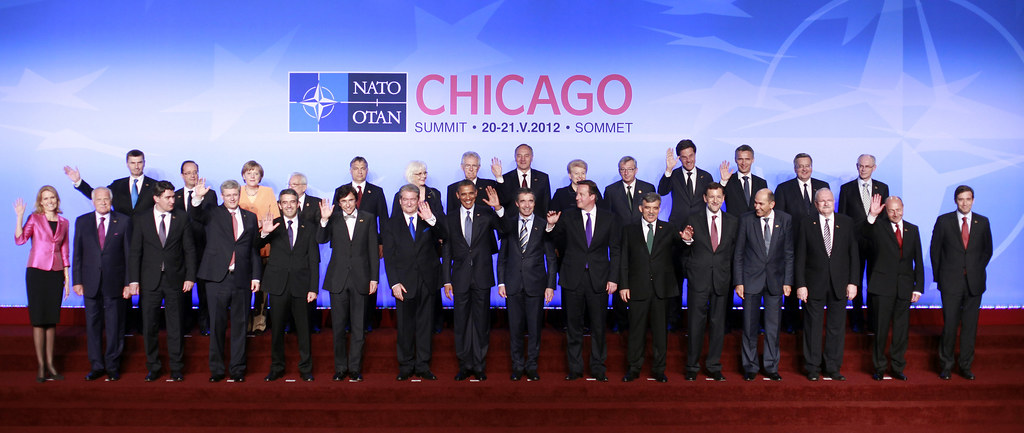
However, the 2nd dynamic is that obviously it was way below what was necessary in terms of deterring Vladimir Putin. As we sadly saw it in 2022, eight years later he did it again, which means that in a way, our deterrence and defense measures partly failed. They may have succeeded in defending the NATO territory, but they have failed, including the sanctions in changing Putin’s behavior. So I think that was an important lesson from 2014.
—So and coming back to 2010 when you became a Head of Planning Office, Secretary General at the NATO. What was the understanding of security challenges 13 years ago when the previous strategic concept was adopted?
—If you look at the 2010 strategic concept, it really was an attempt to strike that balance between 3 core tasks. There was the collective defense, foreign missions and emerging security threats. But, very quickly as of 2014 the 2010 strategy concept was overtaken by events of the first Russian war against Ukraine.
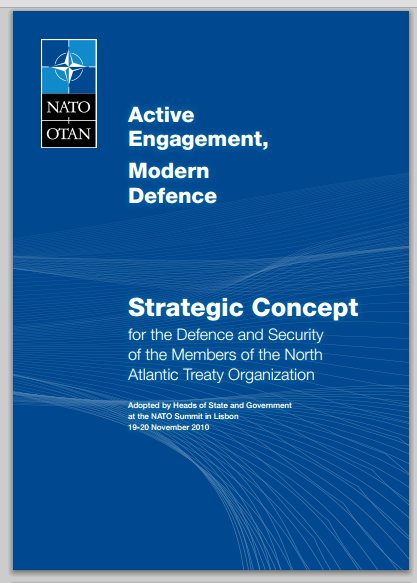
I took the strategy concept and I put on editing, you know review on Word document to see what can be, what needs to be changed, what is completely outdated. And you could see the way we were characterizing our relationship with russia was completely obviously no longer valid in terms of strategic partnership.
Aiming for strategic partnership was no longer representing the reality. I think the balance between these three core tasks was also no longer possible. What has quickly happened after 2014 is you had one among equal the first core task that was more equal than the others, which was collective defects and under that you build other.
Task or roles, but fundamentally now the alliance and I think the new strategic concern makes that relatively clear. There’s one before all of the other task is the collective defense of the alliance and then you start aggregating other activities including, you know, emerging threats partnership, but all of that to feed into that core mission.
—Why was the Wales NATO Summit of 2014 historic?
—I think it was the first moment, when NATO was returning to Europe in both operational and philosophical way. It was the first summit where NATO was looking at its core mission in Europe, which it had obviously lowered the salience in its list of priorities.
I do remember meetings in the North Atlantic Council. There we were discussing how to build the territorial defense and what kind of equipment do you need already in place. But, then, some new gaps appear like mobility.
You know we had a shine new decision after Wales — the Readiness Action Plan, which essentially about saying that there will be more less 40 thousands NATO forces almost permanently deployed on the Eastern flank. But they will be reinforced RAP by NATO forces within a short amount of time.
We realized that we did not have the legal arrangements in place to move NATO forces across the Alliance territory fast enough.
The Readiness Action Plan, agreed at the Newport Summit in the UK, which was really a turning point summit. Because at that time NATO allies were discussing mostly training foreign forces, about Afghanistan, but were not talking about defense and deterrence posture on the European territory.
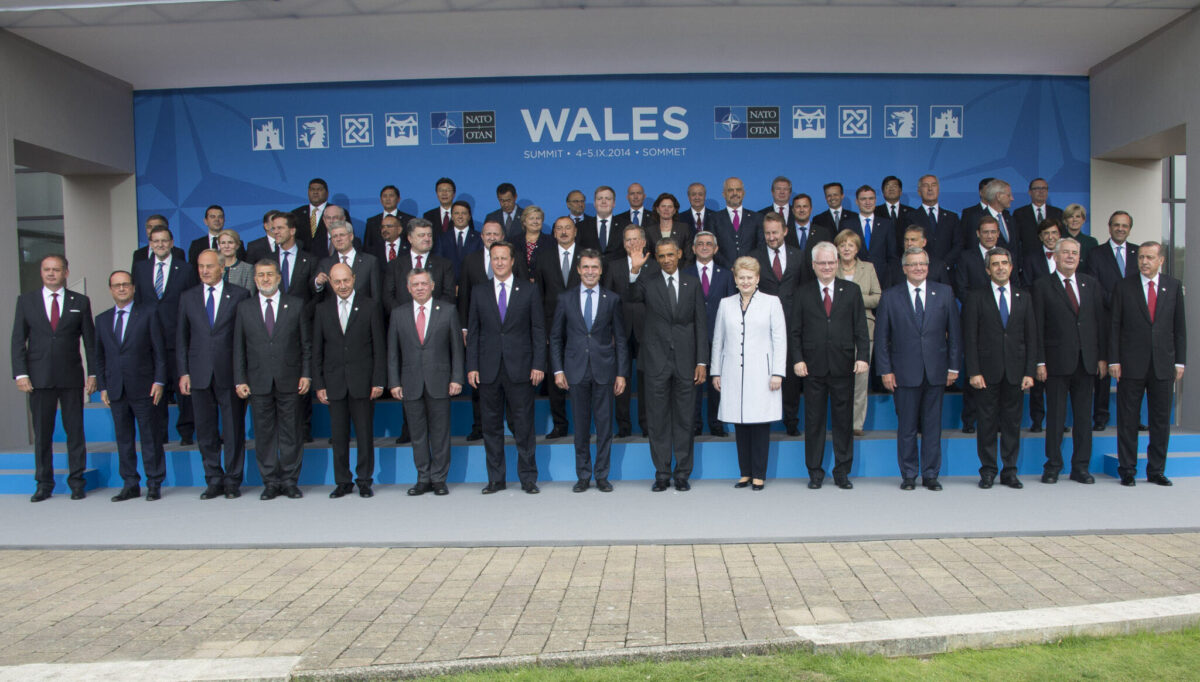
The Wales summit was the first of a series of summits, which we are still in, where the number 1, 2 and 3 topics are collective defense, deterrence and Russia.
—One of the most important decisions at that summit was 2% of GDP for the next 10 years. How do you see retrospectively what was the impact of this decision on NATO member states?
—Yeah, it was tough fight. I drafted the initial Atlantic Declaration. The negotiations were difficult, especially with Canada and Germany. Canadian PM at that time Stephen Harper was extremely fiscal hawkish really commit to 2% and then Germany very difficult. Then many other countries were hiding behind the position of Canada and Germany because this is was convenient.
We ended up with the text, written by typical diplomatic language with a lot of conditionality.
Nevertheless, we can call it a success. Why? Because it was the first time that such a demand was submitted for approval by the heads of state. And that was my original idea when Rasmussen announced it. In fact, 2% of defense spending has existed in the past, and even 3% during the Cold War.
—What is the result of this commitment now?
—Well, I think first, there are 2 individuals to increase NATO defence spending — Vladimir Putin and Donald Trump. In a crazy way, but the (aggressive) actions of Putin against Ukraine became the trigger. Therefore, many European countries have recognized that they need to increase defense spending and capabilities.
Then, Donald Trump was elected a President of the USA in 2016. He started to curve the idea that the US commitment to NATO was resource investment in the defence. And that created another shock across the Alliance.
We are still not in satisfactory position now with 2%. I think now only 7 NATO allies achieving 2% goal. And there is a good dozen of countries, close to that goal or reach that goal by 2024.
When you look at broader picture, you can actually make an argument about 3%. And I know that ahead of Vilnius summit there were discussions in NATO about having 2,5% as a new 2%.
This discussion to push 2% not the sealing but the floor. We have the possibility in going beyond. We are not there yet. And this is a proof that the Europeans are not yet put in defence as much at the forefront of their priorities knowing the world we are living in.
—How did the Ukrainian army change the vision of Black sea and European security during the last 9 years?
—I think the real transformative impact of the Ukrainian forces is really since last year. Seen the Ukrainian army as recovery from the initial shock of the invasion and manage put in failure what is considered as pretty, powerful efficient Armed Forces russian army. Where everybody had assumed the reforms putin has started since the Georgia war had paid off.
In Syria for russians it was mostly air operation (bombing of civilians) because the grand operation was mostly Iranians, Hezbollah and Syrian forces. It was not joint maneuver operation and when it came to it was the failure for Russia. I think that the gaps and the weaknesses of Russian forces were preеty obvious.
russians still remain until this day even having the possibility to adapt and be also innovative in a dark way.
Ukrainians are innovative in a right way. We have a lot to learn from the Ukrainians who combine dual-use technologies, how small units could maneuver very flexibly and autonomous from up and down commanding the operation.
Also how technology and all types of capabilities are fused together. And how civilian population contribute in whole difference of activities — it is very powerful.
Many in NATO are looking at it and wondering how to adopt some parts of Ukrainian model. And before that became real you can’t talk about the impact of Ukrainian army on the Alliance.
The importance of Black sea was more brought up in NATO by Romanians. After the Wales summit there was a big attention to Baltics and Poland. But Romania announced — we also an Eastern flank country, even though we don’t have the direct border with russia.
—How do you see the current strategy of foreign policy of France towards Ukraine, Russia and China?
—First, a lot is driven by one man. Macron formulates his kind of theories what he see the power Russia, China is and what he thinks to vow France and Europe could be. When Macron speaks about Europe, he speaks about France’s Europe.
The key principles of Macron’s foreign policy are:
1. France can be a different power. This kind of Gaullist France of this third power — neither Soviet Union nor the USA. In between power. This is the best role France can play because it’s middle power.
2. Macron has got the conviction it seems — he, the person can change the people. It’s a very romantic way and vision that individual can change the history. His conviction that every phone call with putin or meeting that he had with Xi Jinping could be turning point.
3. This notion that Europe should define it’s own interest, not defined by external powers. Russia, China, the USA.
Macron wants to show that he can channel autocracies and understand them. I understand putin, but I can’t agree with him — the same with Xi. Macron validates the dictators obsessions, which I think is a very dangerous game because he gets to be closer to them.
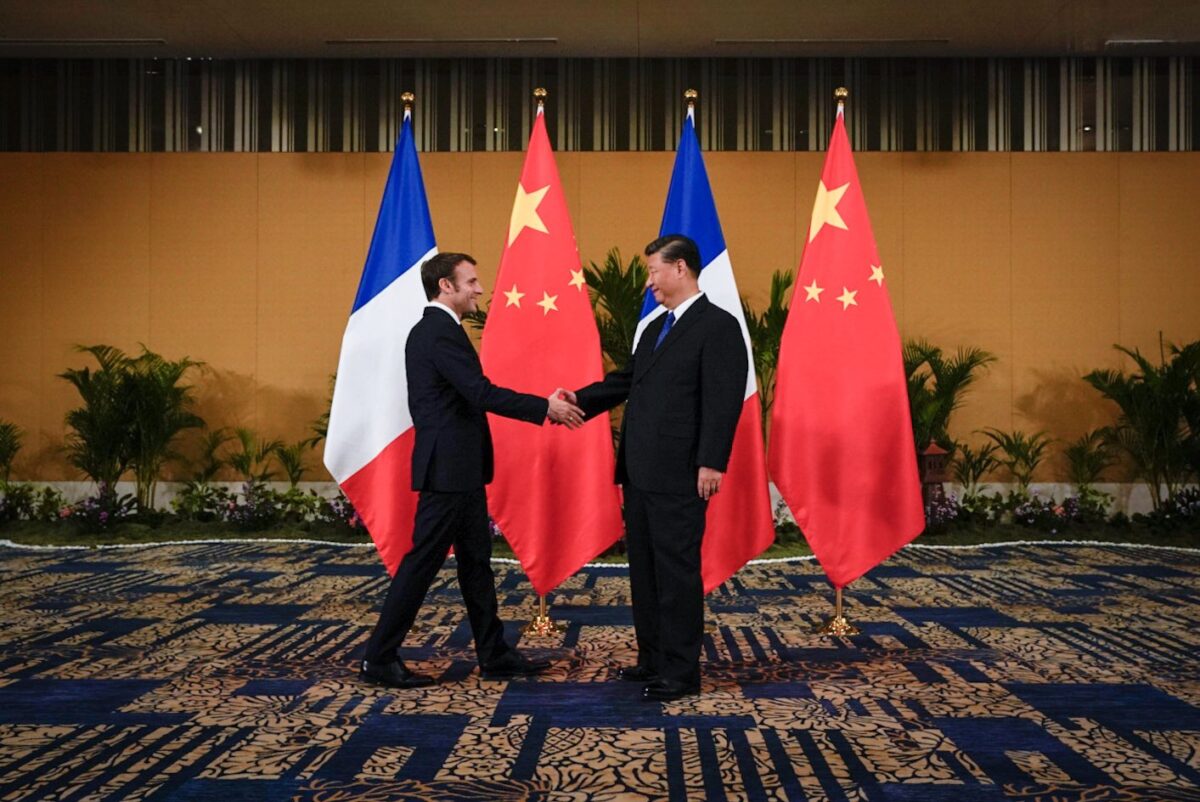
“I see you are suffering despite you are a criminal, can I guide you?”. This kind of psychoanalytic attempt to understand the patient.
I think it’s a tactical thing he is doing. The negotiations with dictators does not work. That’s why it took Macron a while to understand Ukraine and what was happening here.
It occurred when Macron went to Bucha and he saw it by himself and talked with Zelensky. I think it took him to understand that this is a really fight of values.
—What are the perspective areas for security and defence cooperation between France and Ukraine?
—Europe is not in the French strategic thinking. When France look at Europe what are the big powers? In Europe is Germany, it is used to be the UK. And beyond the European continent is russia.
Also because of right white Russians, who move to France during the Bolshevik revolution. There’s big conservative reactionary Russian influence in France. This relativism to Crimea is typical for Russians. Russia has built an Orthodox church right next to Tour Eiffel. I don’t think any other country could build like this. So, there is traditional closeness with Russia.
What is essential for France is to be equal with other nuclear powers. And if you have something in between, like Ukraine, standing between your own ambition. That’s why until the very end Macron has been talking about Europe security architecture with Russia.
France has not really understood well Ukraine. I think France has always had this blind spot. When you study history of the Second World War at French schools you don’t learn the Eastern front.
At the same time it was a revolution in terms of French military support of Ukraine, providing Ukraine with defensive forces.
As a territorial defence military power of France is thin because during the last 20 years mostly there were foreign operations. By leaning on our nuclear forces France is concentrated more on deterrence and less on conventional power.
Yes, Caesars make the difference for Ukraine but France does not have the numbers.
France is looking for a post-war scenario when Ukraine is part of the European Union and NATO. Paris wants more defence and military relationship with Kyiv because Ukraine will be a main containment device to contain Russia. Without Ukraine the idea of France about “strategic autonomy” going to be a think tank topic.
If France cannot provide the stability on the whole European continent that it’s not going to work. In that sense Ukraine is much more strategically important even from Macron’s strategic autonomy point of view.
Then in commercial terms, Ukraine will have defence and military needs coming 5-10 years. Ukraine defence industry is reshaping in not only high-tech, drones but also traditional one with rockets that going to be transformed by investments in the needs of the war.
I think Ukraine would be one of the big market and player in the defence field. If you are France — one of the main arms exporter and manufacturer in the world France want to be part of that.
—What are your main activities as a CEO of Rasmussen Global in terms of supporting Ukraine?
—Ukraine for Rasmussen Global is very personal. We actually started as a consulting firm with big project on Ukraine back in 2016. So, this is part of our DNA, who we are and choices we’ve made with Mr. Rasmussen from the start.
We want only support democratic processes in their needs to be better anchored to broader community.
Now we are doing practically 2 things. We started this collaboration with President Volodymyr Zelensky and Andrii Yermak and his team on security guarantees. Developing Kyiv Security Compact with them.
Engaging in Washington, Berlin, London to get things concluded. Hope we get some paper by Vilnius. Something that gives Ukraine a longer term position and stability.
Then in parallel, we also realize that Ukraine has a huge potential. With enormous reconstruction needs. There is a huge potential even the size of the country, the qualifications of the population, the motivation.
Ukraine can really be one of the big manufacturing powerhouses of the European economy.
I am very interested in how foreign companies, organizations in better understanding of Ukraine and where they can help.
—What do you expect from Vilnius summit?
—This could be the post-Madrid summit. Let’s continue to strengthen NATO’s Eastern flank — and that’s it.
But I believe that there should be more ambition in the political aspect, especially on the part of the Alliance regarding Ukraine.
There should be a prospect of a Ukrainian counteroffensive in Vilnius. Then it can be very difficult for Ukraine, because Russia will still occupy part of your territories. But the counteroffensive of the Armed Forces of Ukraine is an important factor for decision-making in Vilnius.
It is necessary to provide Ukraine with security guarantees in the long term. Because it is not only about Ukraine. If we do not help Ukraine, the West will have a war already in Europe. Since 2008, there have been a number of wars started by russia.
putin will not change his behavior, but we in the West must change our approach. The only thing putin respects and fears is Article 5 of the Washington treaty.
We must do everything to ensure that Ukraine remains a stable, strong, sovereign, independent state.
I believe that NATO membership is more persuasive for Ukraine during this war. Then Ukraine will receive long-term security guarantees — so necessary for the protection of its territory.
Єгор Брайлян, Ольга Мосьондз
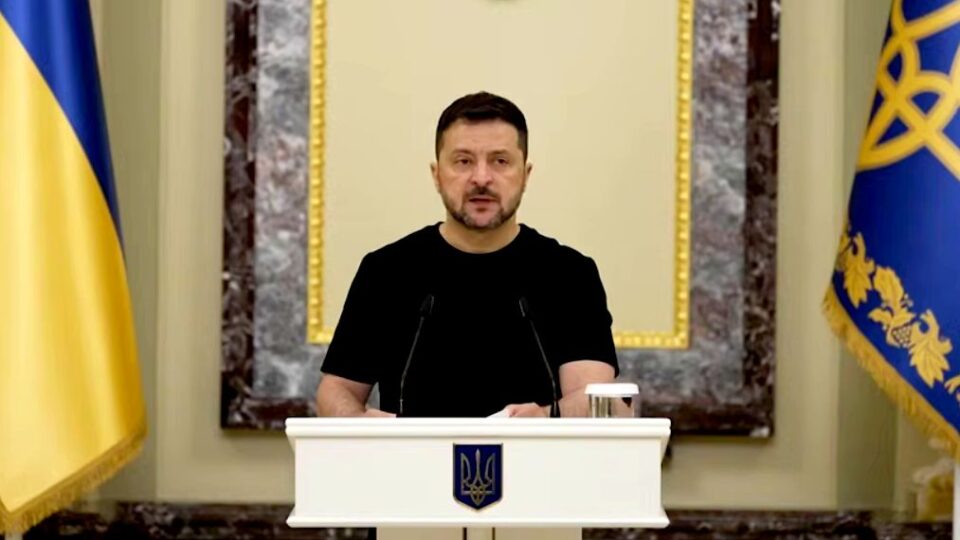
Президент України Володимир Зеленський заявив, що вітчизняна система реабілітації має стати однією з найкращих в Європі.
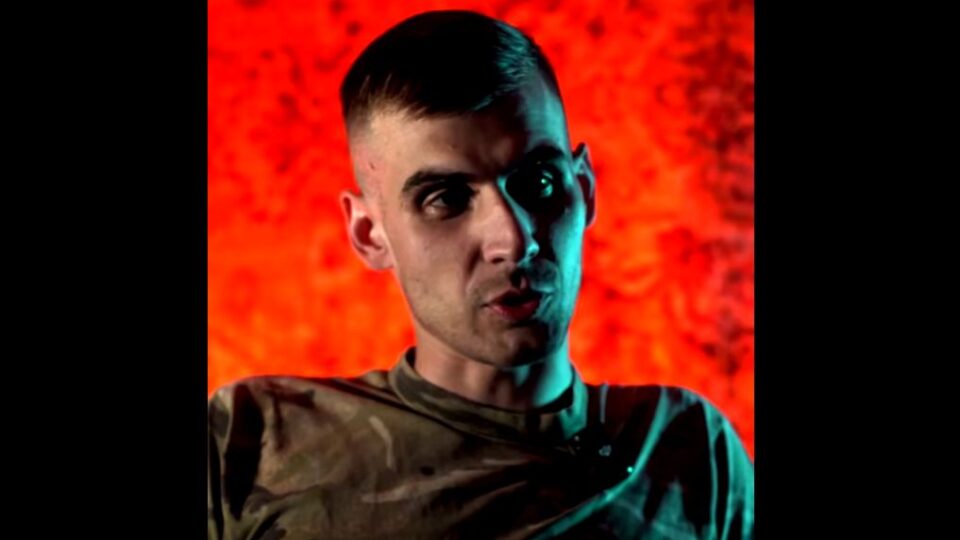
Боєць підрозділу «Оріон» бригади «Помста» на псевдо «Бас» перекваліфікувався з піхотинця на оператора БПЛА, бо хотів нищити якомога більше ворогів.
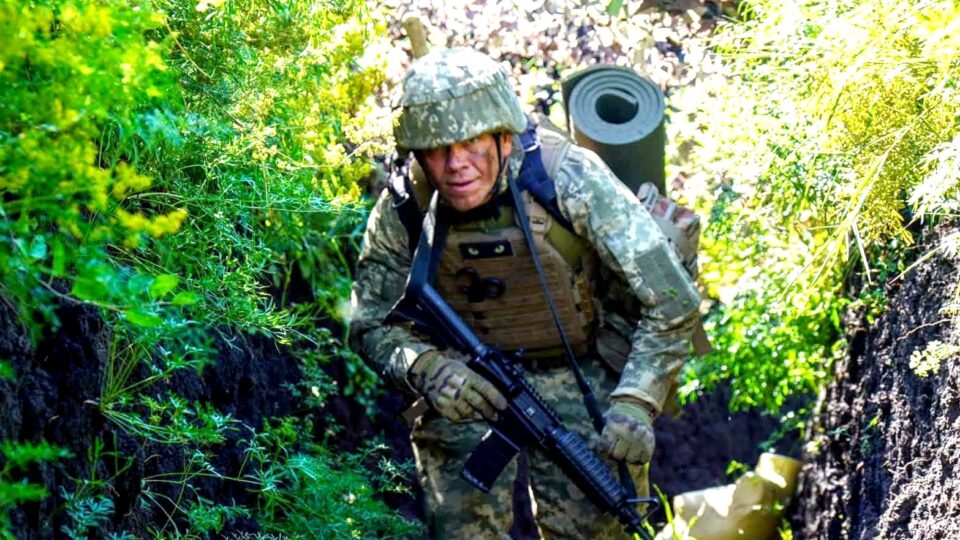
Від початку доби на фронті відбулося 61 бойове зіткнення, найбільше ворожих штурмів зафіксовано на Покровському, Слов’янському та Лиманському напрямках.
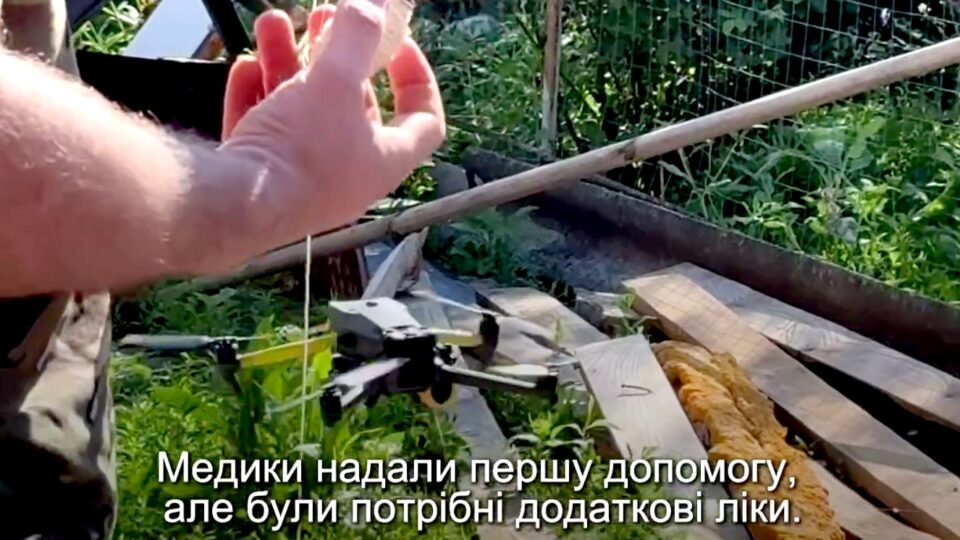
Безпілотник бригади «Хижак» департаменту патрульної поліції прийшов на допомогу воїну, якому через різке погіршення стану здоров’я терміново знадобилися ліки.
 Фахівець радіоелектронної боротьби, військовослужбовець
від 20000 до 60000 грн
Коломия
Військова частина А1267
 Оператор обслуги в ППО, війскова служба в ЗСУ за контрактом
від 50000 до 70000 грн
Краматорськ
Рекрутинг ППО
Він входить до Об’єднаного командно-штабного коледжу Академії оборони Великої Британії. За результатами навчання він отримав Thales Prize як найкращий міжнародний…